
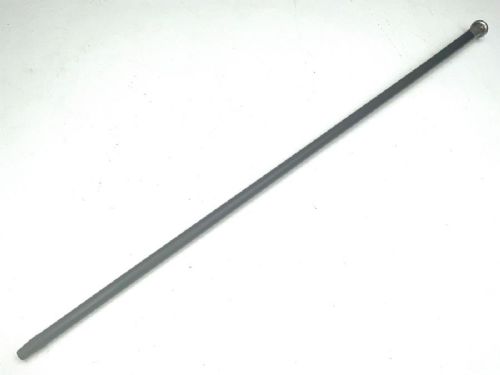
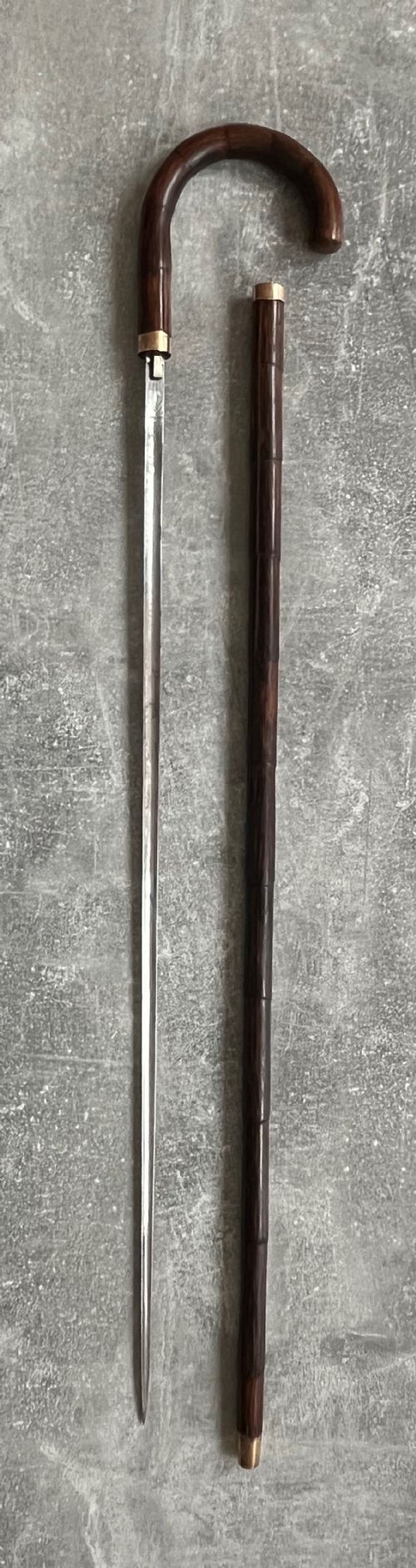
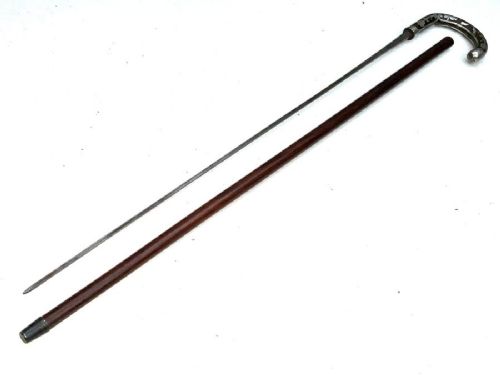
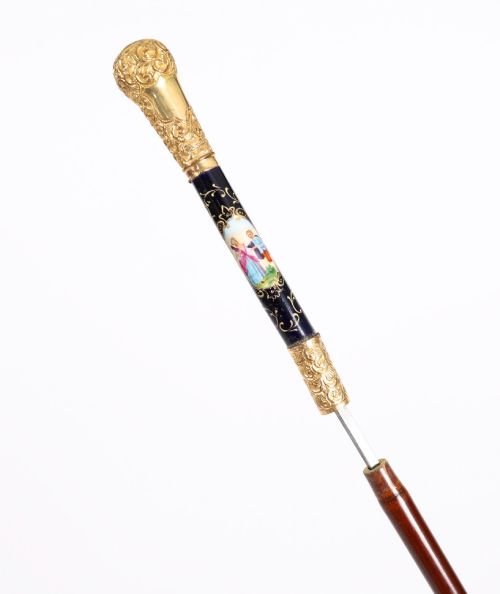
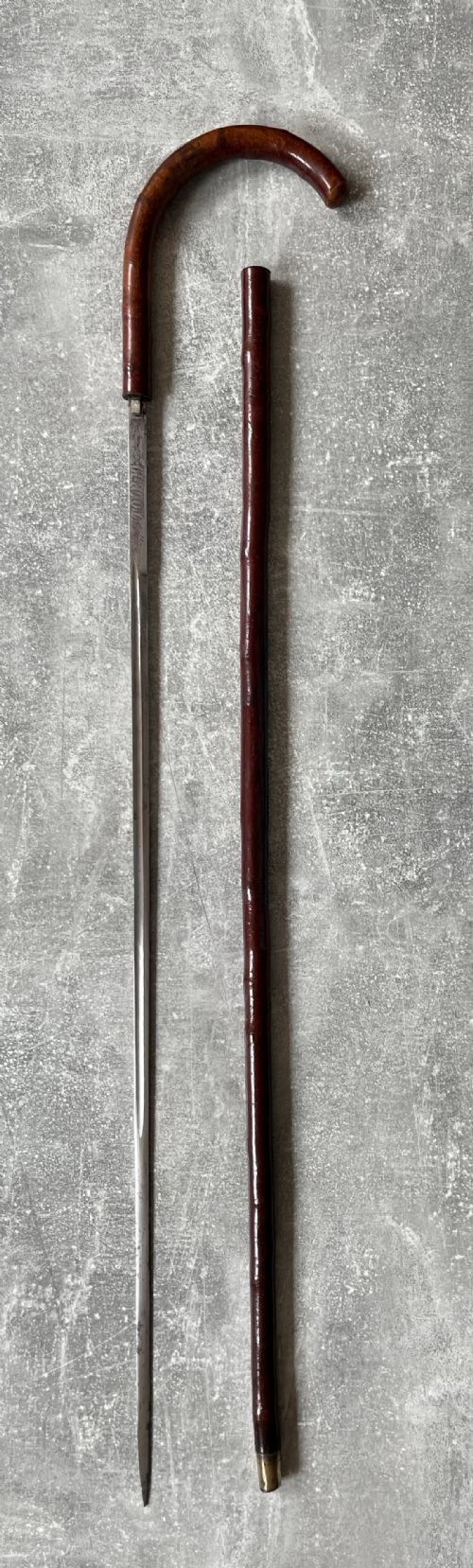
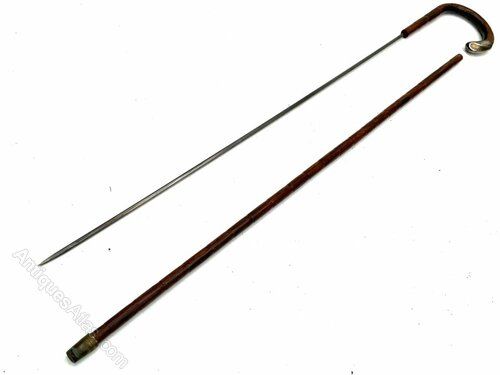
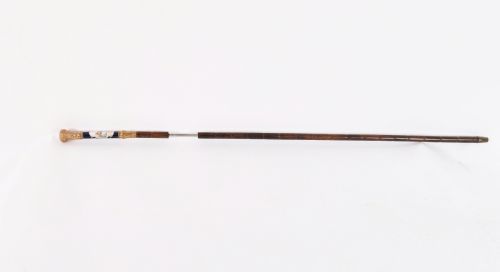
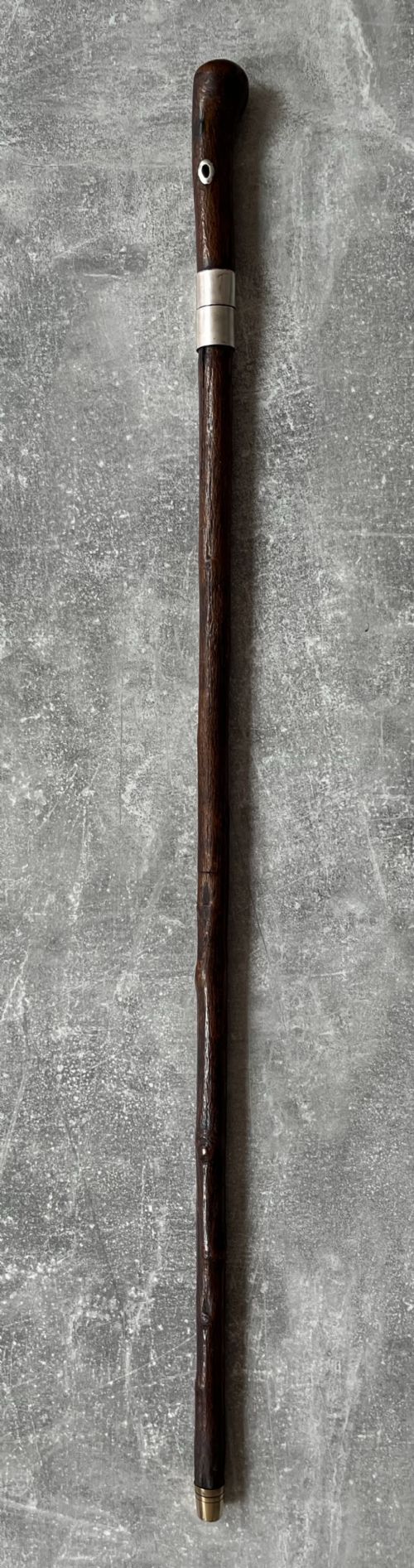


System Cane Concealed Sword
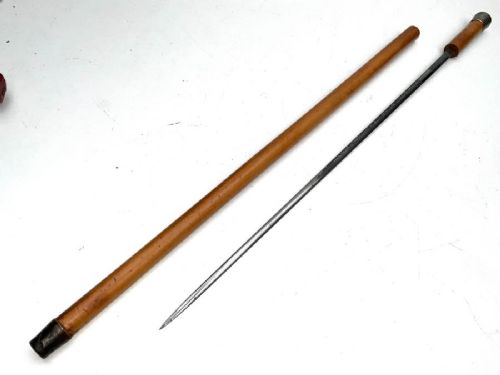
A system cane concealed sword combines everyday walking support with a hidden blade, offering a discreet personal defence implement from the Victorian and Edwardian eras.
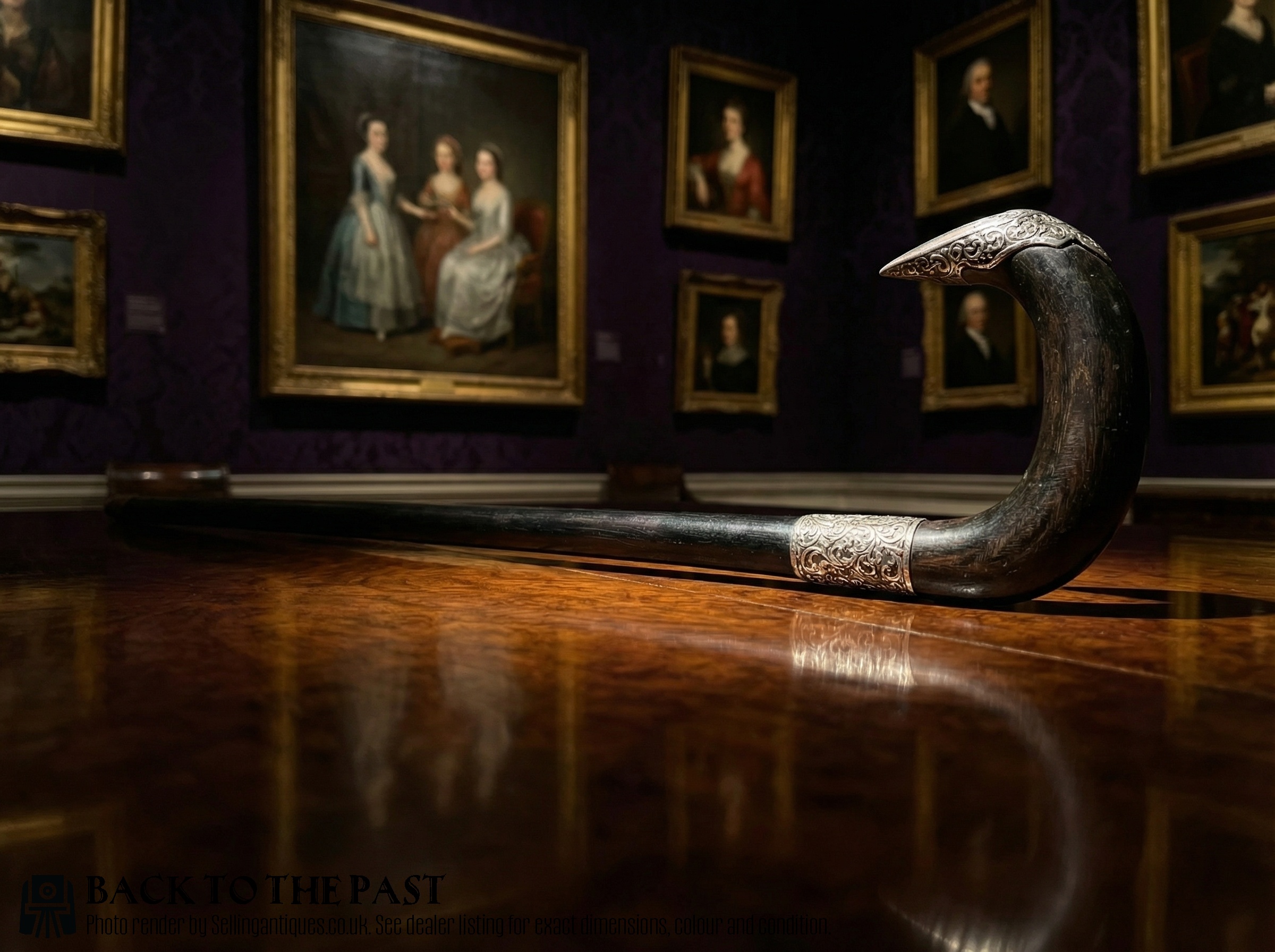
System Cane Concealed Sword
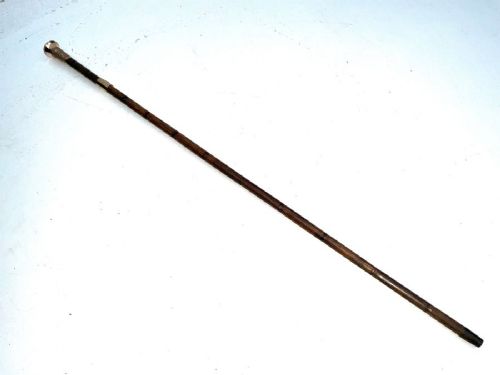
A system cane concealed sword functions primarily as a walking stick while housing a sharp steel blade secured inside the wooden shaft. These gentleman's accessories date predominantly from the nineteenth century into the early twentieth century.
The varieties found here range from simple hazel and partridge wood shafts to elaborate examples fitted with silver collars, porcelain details or horn handles. Makers such as Brigg and Wilkinson produced notable pieces during this period.
Many specimens incorporate utilitarian handles like hammer heads or root ends, whilst others feature military connections, Masonic symbols or French styling with etched Toledo blades.
How they were made
Craftsmen built these walking sticks using robust natural materials including malacca cane, bamboo, cherrywood and chestnut, often fitted with button release mechanisms to secure the blade within the shaft. Shafts were shaped from straight timber or retained organic root balls and crook handles.
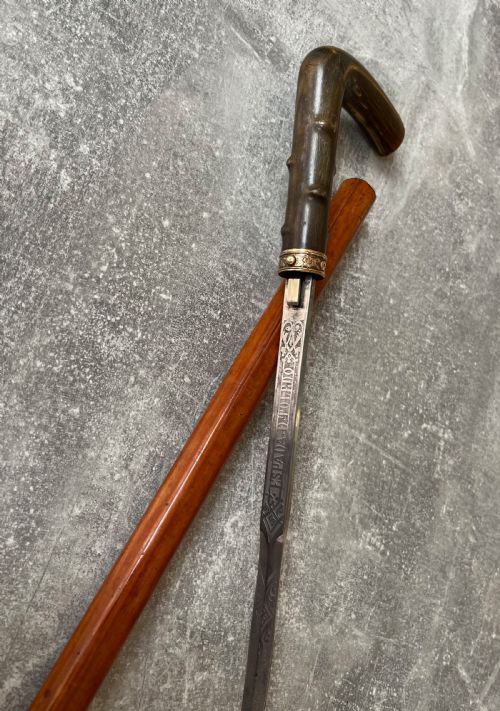
Blades were forged from steel, frequently marked as Toledo steel or produced by makers like Wilkinson, and sometimes decorated with delicate etching. Mounts, collars and handles utilised contrasting materials such as silver, brass, horn, antler and Sevres porcelain.
The listings span the Victorian, Edwardian and late nineteenth century periods, incorporating materials like Malacca cane, partridge wood, silver, horn and Toledo steel.
What varies in quality
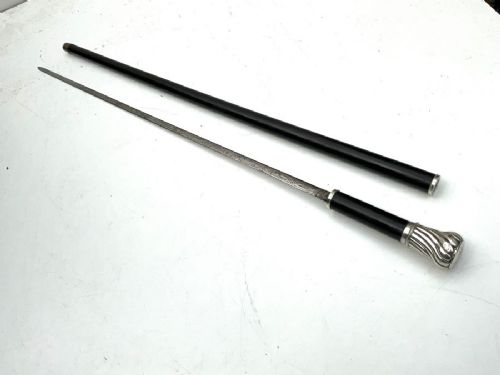
Quality in a system cane concealed sword depends upon the refinement of the materials and the precision of the locking mechanism. Superior examples feature hallmarked silver mounts, etched steel blades and handles carved from horn or porcelain rather than basic wooden grips.
The integration between the shaft and the handle dictates the overall finish, where tight seams and reliable button releases distinguish finer workshop output from standard utility pieces.
Brigg·Wilkinson
The System Cane Concealed Sword Glossary
- Toledo blade
- A steel blade originating from or styled after the renowned weapon-making traditions of Toledo, Spain. These blades often feature decorative etching.
- Malacca cane
- A resilient botanical material derived from Calamus rotang palms, prized for its mottled brown patterning and flexibility in walking stick shafts.
- Silver collar
- A metal band fitted around the neck of the walking stick to reinforce the joint between the handle and the shaft, frequently bearing hallmarks.
- Button release
- A mechanical catch set into the cane that must be depressed to unlock the concealed blade from within the wooden housing.
System Cane Concealed Sword: Frequently Asked Questions
How do you release the hidden blade?
Many specimens utilise a spring catch or a button release mechanism near the collar to unlatch the steel blade from the wooden shaft.
Pulling the handle straight out reveals the concealed weapon while leaving the outer cane functioning as a scabbard.
What materials were used for the shafts?
Shafts were constructed from natural timbers and plant stems including malacca cane, bamboo, partridge wood, hazel, chestnut and faux bamboo.
Selected pieces also incorporated exotic coverings like snakeskin over the wooden haft.
Who carried these walking sticks?
Gentlemen, military officers and Masonic members carried these items during the Victorian and Edwardian periods for personal protection and as status symbols.
They formed part of standard daily attire for men navigating urban streets.
How do you date a sword cane?
Dating relies on the style of the handle, metal hallmarks, blade inscriptions and the overall manufacturing period indicated by Victorian or Edwardian design traits.
Specific makers such as Brigg or Wilkinson often stamp their work to provide a clear timeframe.