
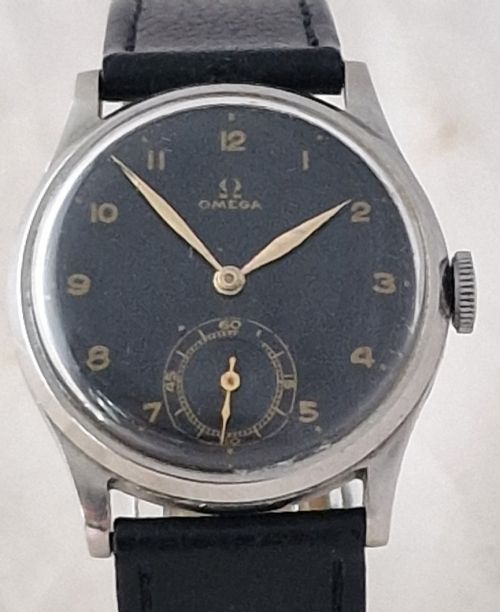
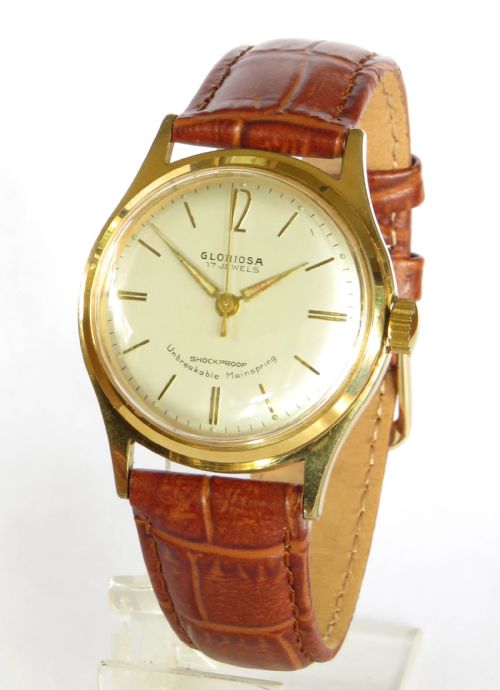
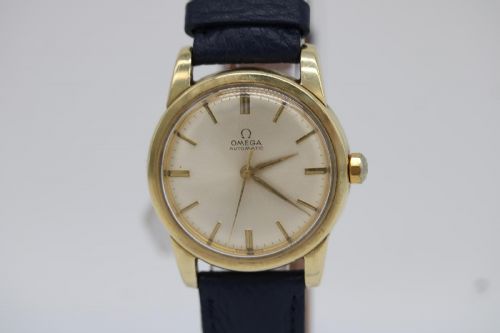
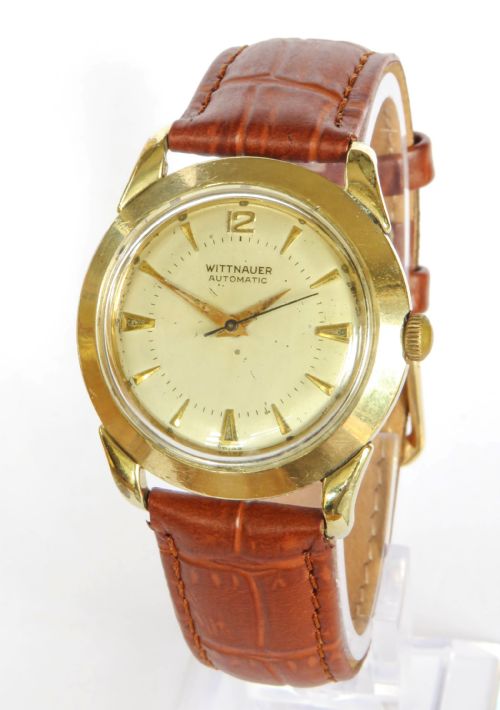


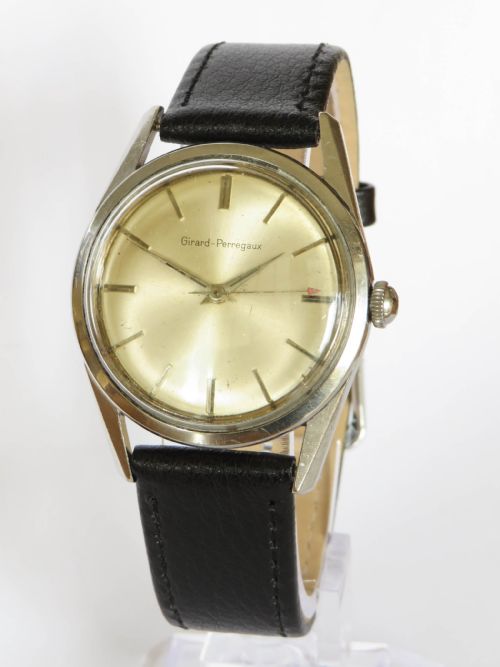

Swiss Movement Wrist Watch
A swiss movement wrist watch offers mechanical reliability and distinct mid-century character, spanning sturdy military models to elegant cocktail pieces.
Swiss Movement Wrist Watch
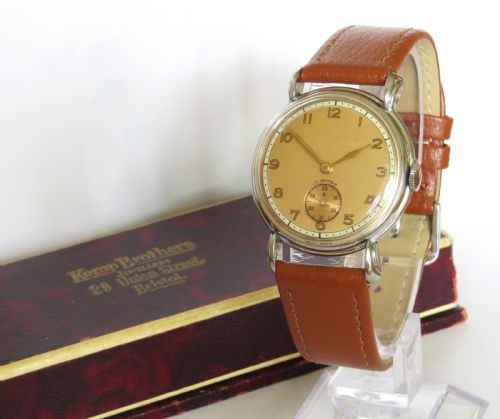
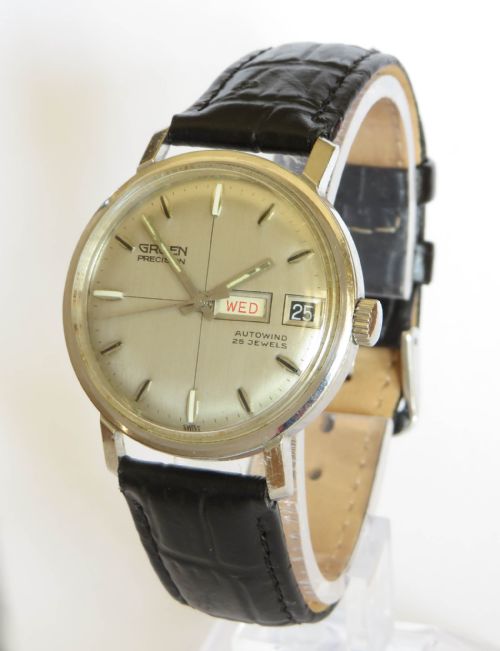
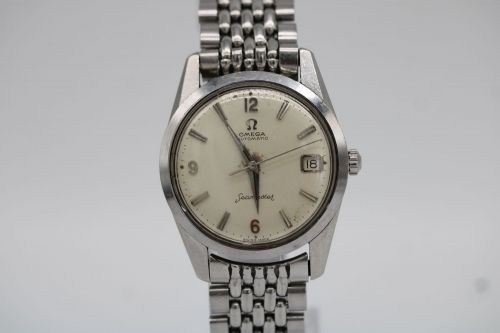
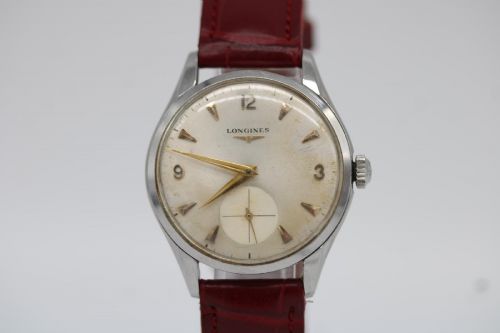
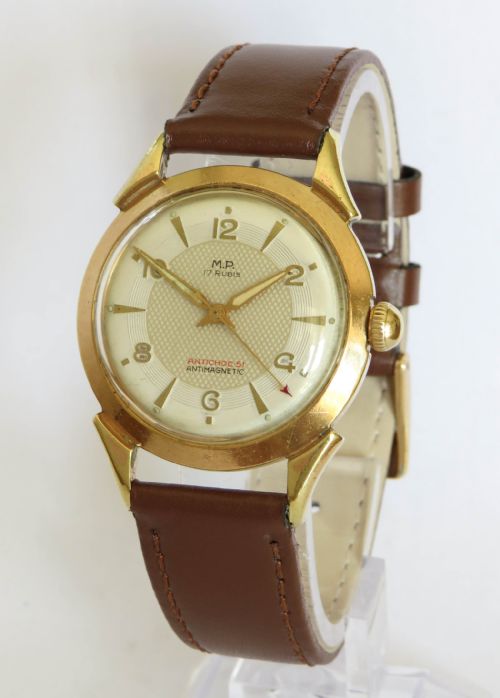
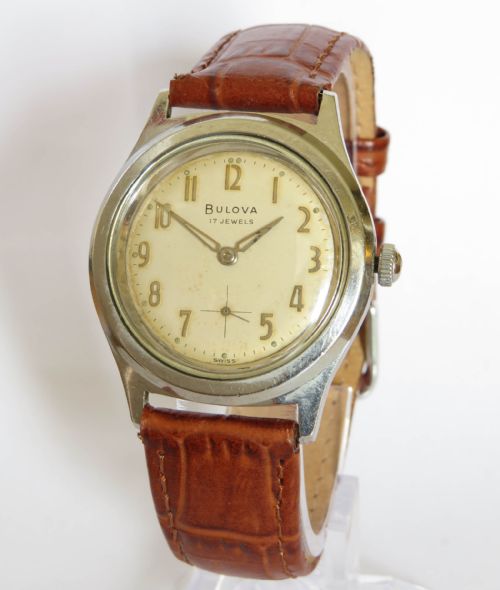
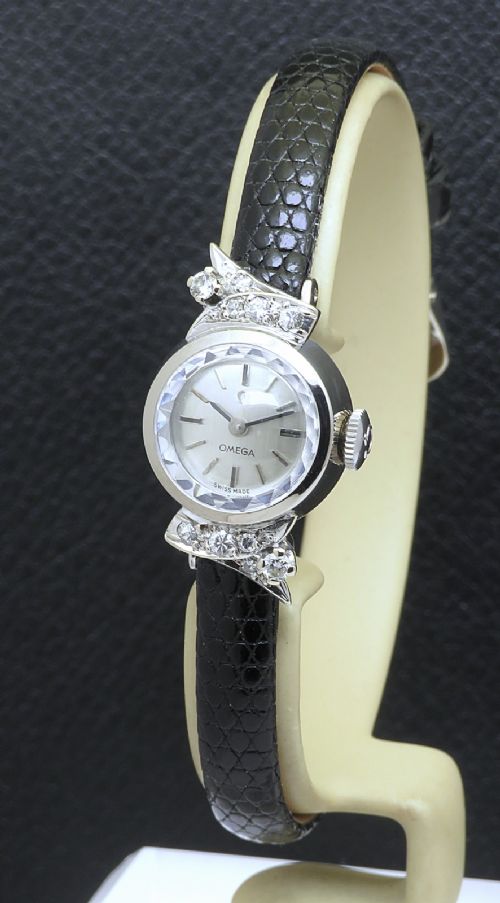
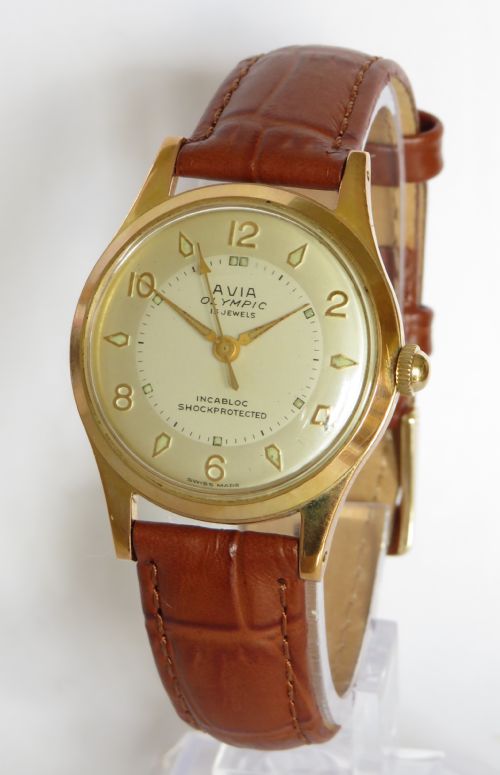
A swiss movement wrist watch represents mechanical timepieces produced primarily across the 1930s, 1940s, 1950s, and 1960s. When buyers search this phrase, they encounter diverse forms ranging from robust military issues to refined dress models.
The selection on this page relies heavily on gentlemen's wristwatches from the mid-century period. Pieces vary from simple manual-wind instruments to complex automatic and chronograph versions.
Design aesthetics track through Art Deco influences, mid-century modern styling, and specific military requirements. These influences shape the dial layouts, case dimensions, and overall visual presence of each watch.
Materials and construction
Cases combine stainless steel, chrome plate, gold plate, and solid 18ct white or yellow gold, paired with glass or acrylic crystals. Straps typically utilise leather to secure the watch to the wrist.
Internal engineering relies on precision mechanical calibres, including manual-wind and automatic movements. Certain specialist pieces incorporate chronograph complications and triple calendar functions.
Certain military issues carry direct government service markings, whispering tales of secret missions from 1944.
Assessing craftsmanship and condition
Quality differences emerge in the sophistication of the movement and the integrity of the case materials. Solid gold housings and complex chronograph calibres represent the upper tier of production.
Preservation of original dials, such as patinated or black military faces, alongside factory finishing on internal components, distinguishes superior examples from standard production items.
Omega·Longines·Bulova·Tissot·Girard Perregaux
The Swiss Movement Wrist Watch Glossary
- Calibre
- The specific internal movement mechanism designed and numbered by the manufacturer.
- Chronograph
- A watch equipped with a stopwatch function alongside standard timekeeping.
- Manual-wind
- A mechanical movement requiring regular hand rotation of the crown to tension the mainspring.
- Automatic
- A self-winding mechanical movement that uses the natural motion of the wearer's arm.
- Acrylic
- A lightweight transparent plastic material utilised for watch crystals before sapphire gained prominence.
Swiss Movement Wrist Watch: Frequently Asked Questions
How do I wind a manual watch?
Rotate the crown clockwise between your thumb and forefinger until gentle resistance is felt. Stop immediately to avoid over-tensioning the internal spring.
Wind the piece at approximately the same time each day to maintain consistent tension and accurate timekeeping.
Are vintage watches waterproof?
Vintage timepieces lack modern rubber gasket seals and screw-down systems. Exposure to moisture easily compromises the internal movement.
Keep these watches entirely away from water, rain, and high humidity to preserve the dial and metal components.
What is an automatic movement?
An automatic movement contains an internal weighted rotor that pivots with the natural movement of the wrist. This motion winds the mainspring automatically during daily wear.
Such systems remove the need for daily manual winding while retaining traditional mechanical gear trains.
How do I date my watch?
Dating relies on movement serial numbers, case reference stamps, and stylistic design cues. Comparing these details against manufacturer archives narrows production to specific years.
Evidence on this page demonstrates production eras spanning from the 1930s through to the 1960s.