
Swiss Mechanical Wristwatch
A swiss mechanical wristwatch delivers fine horological engineering to the wrist, offering lasting mechanical precision and classic mid-century style.
Swiss Mechanical Wristwatch
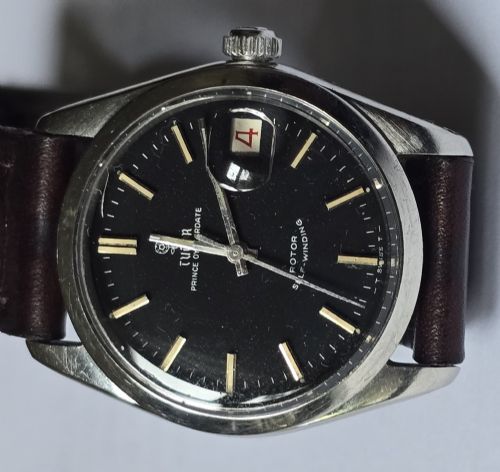
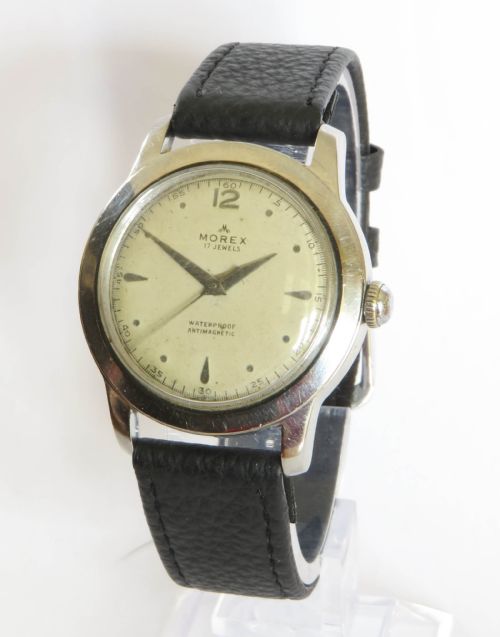
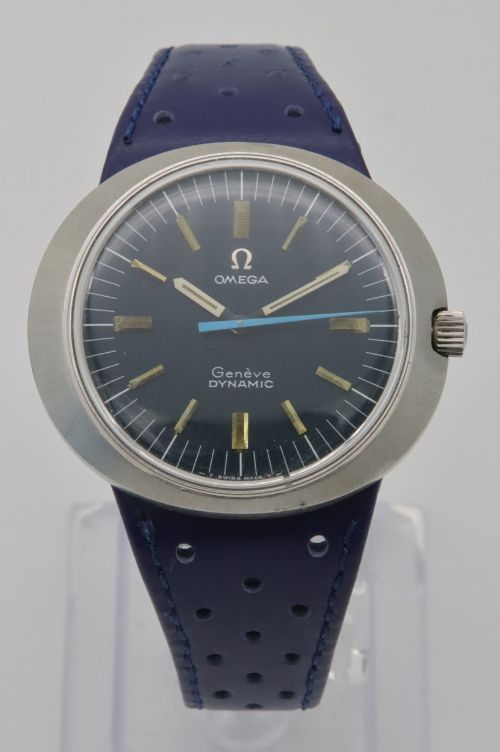
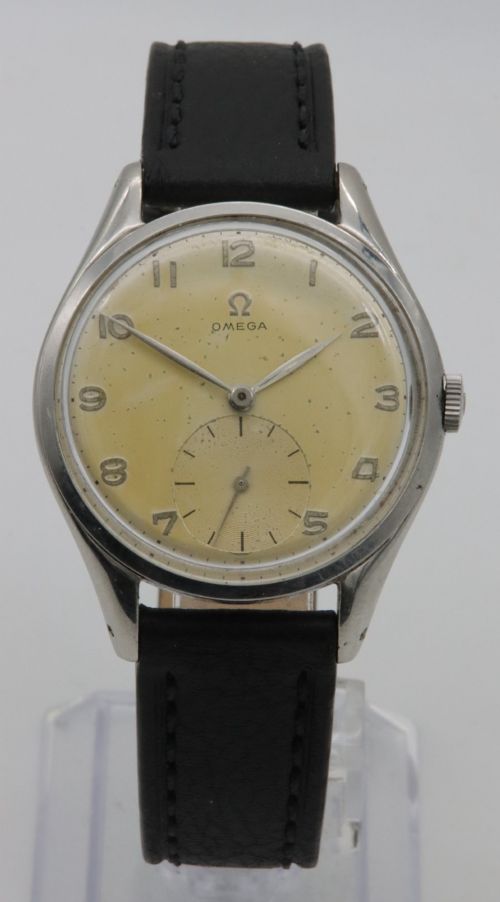
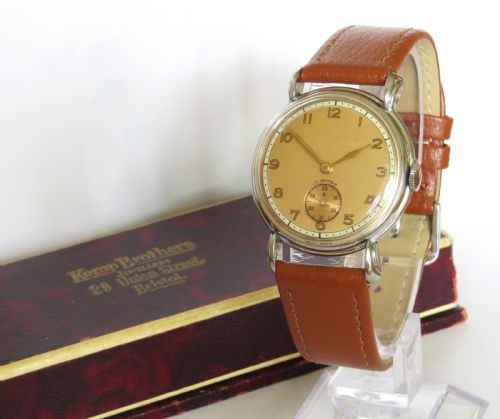
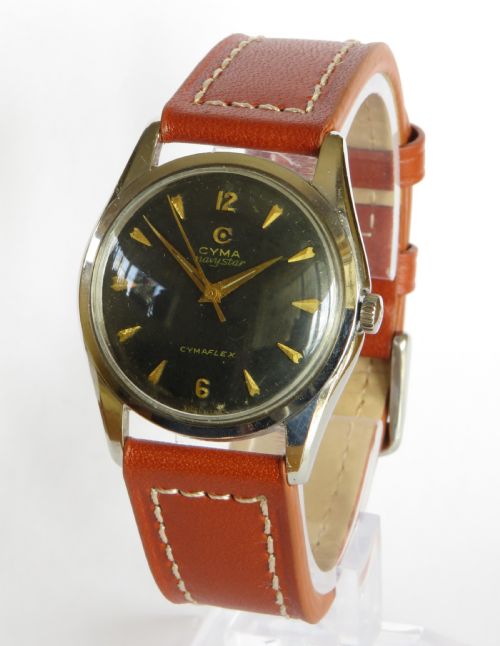
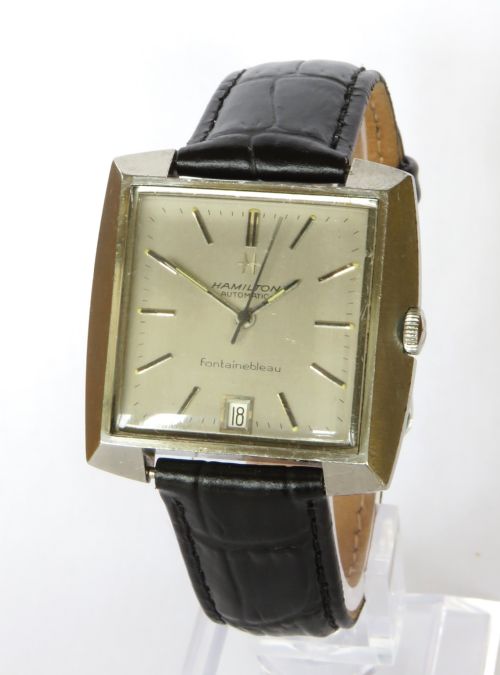
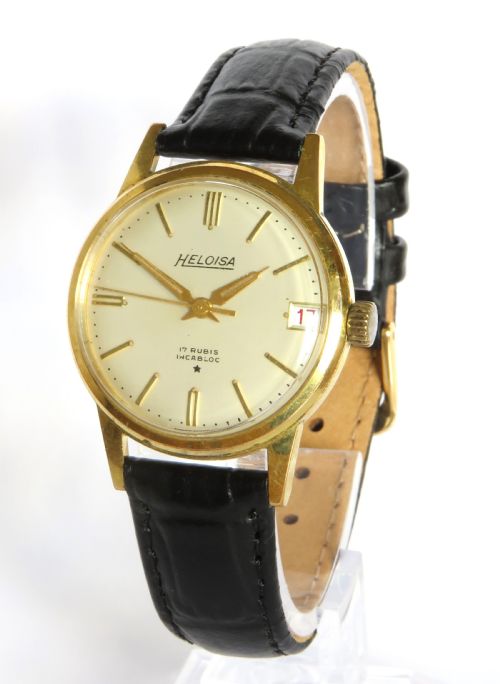
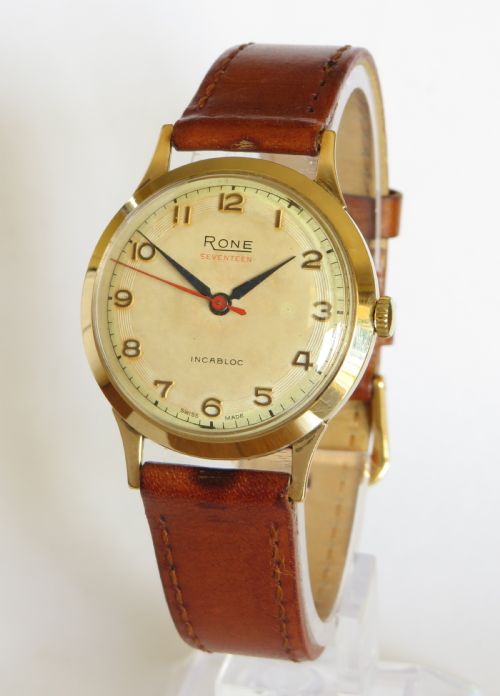
A swiss mechanical wristwatch represents decades of traditional horology, spanning the 1910s to the 1970s with a heavy concentration of mid-century pieces. When searching for a swiss mechanical wristwatch, buyers encounter robust everyday timepieces alongside dressier cocktail designs.
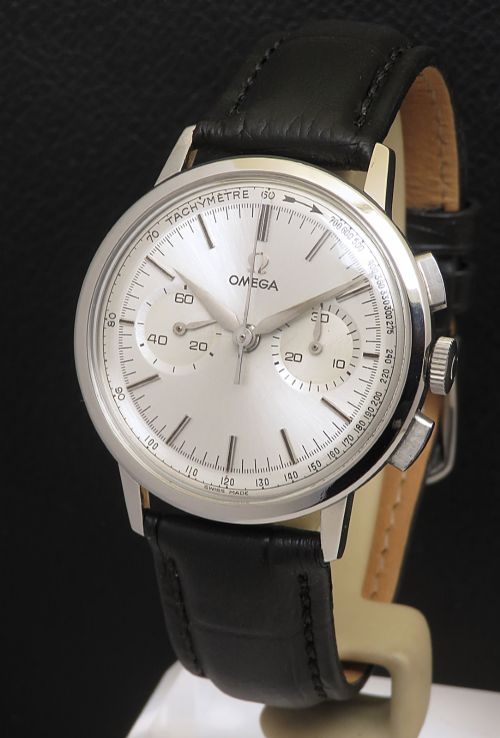
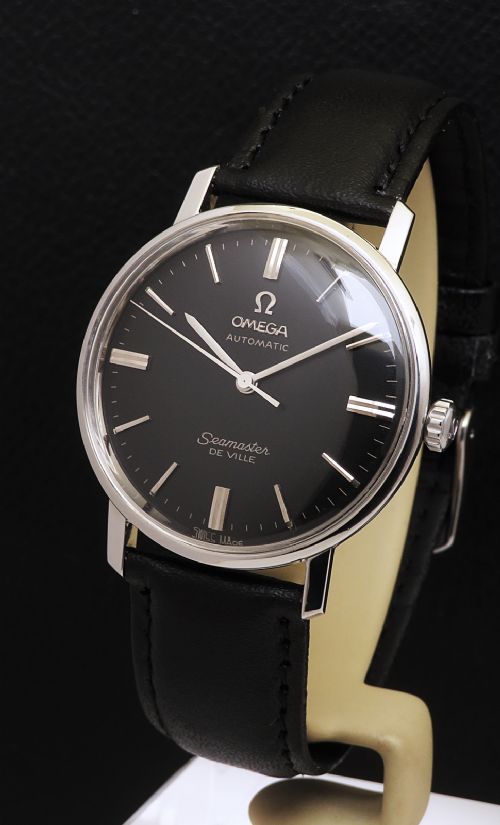
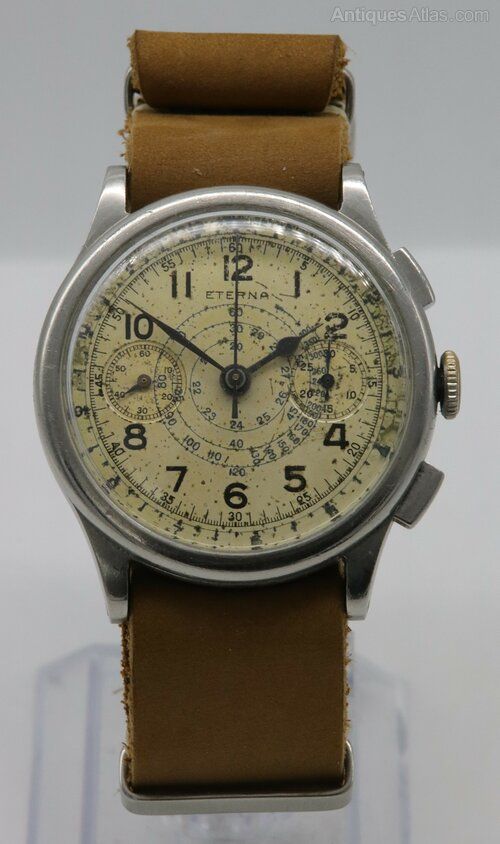
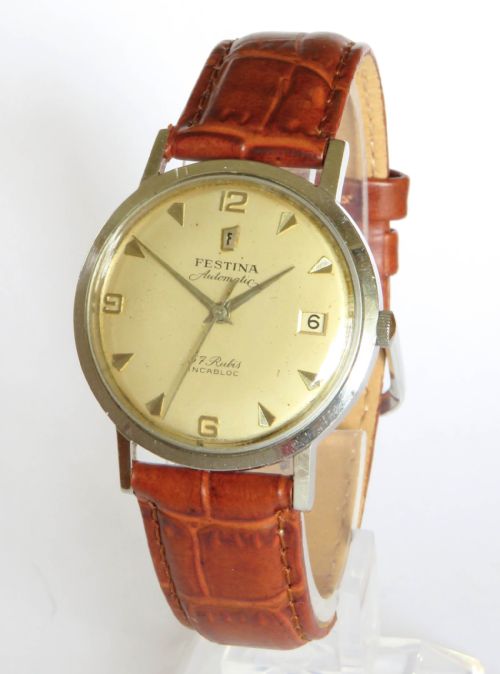
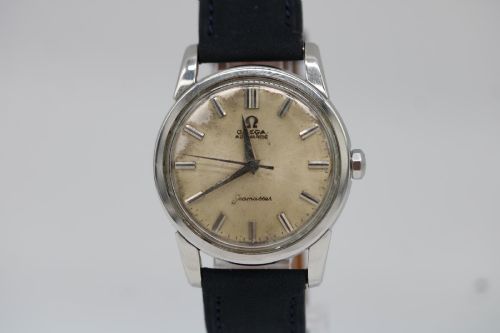
The selection ranges from manual-wind variants to automatic movements housed in stainless steel, gold plate, 9ct gold, and 18ct gold cases. Dial variations include patinated finishes, calendars, and chronograph complications.
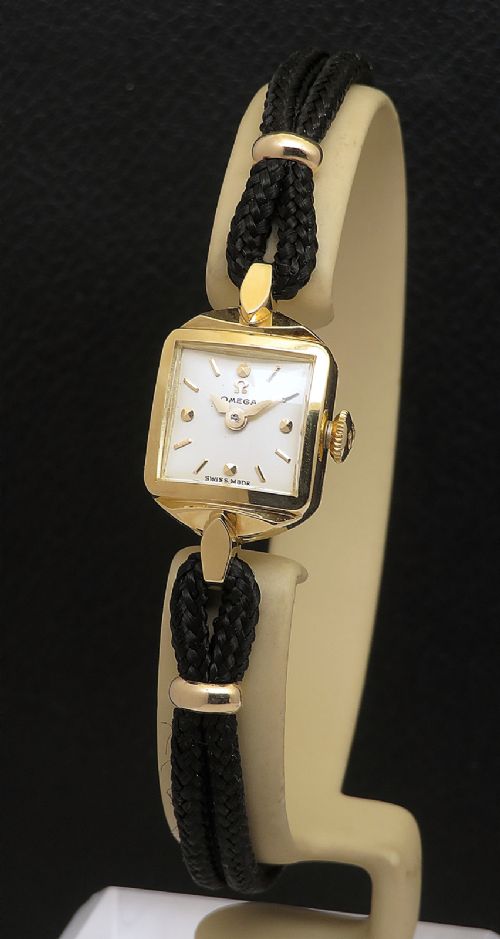
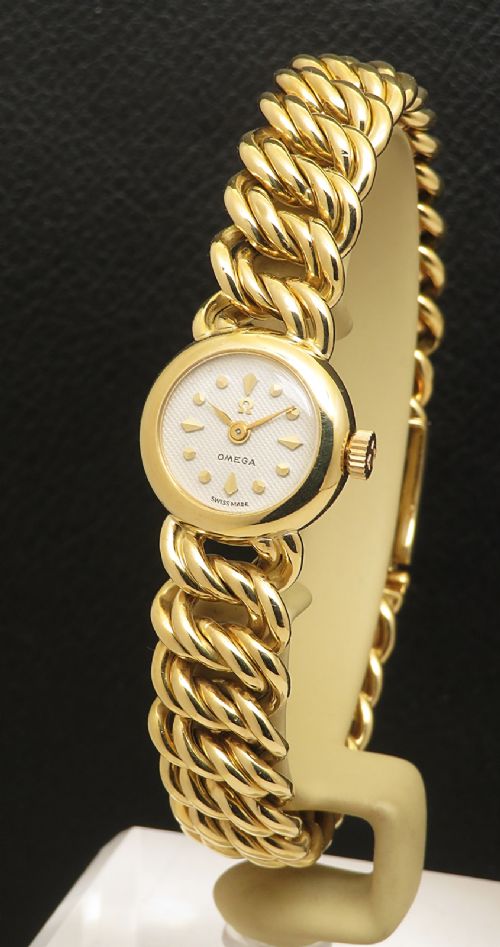
Prominent forms include standard gents' wristwatches, robust divers and drivers editions, and delicate ladies' models. These pieces bridge utilitarian timekeeping with distinct stylistic eras such as Art Deco and Mid-Century Modern.
How they were made
Watchmakers utilised precious metals like 18ct and 9ct gold alongside stainless steel and gold plate for the exterior cases, paired with leather straps. Crystal protection relies on acrylic, acrylic glass, or glass to shield the dial.
Internal mechanisms depend entirely on mechanical gear trains driven by mainsprings, encompassing manual wind and automatic bumper or rotor calibres. Skilled artisans assembled intricate gear systems, escapements, and jewelled bearings by hand.
Listings span six distinct decades from the 1910s through the 1970s, showcasing diverse materials from stainless steel to 18ct gold.
What varies in quality
Quality differences stem from the grade of the movement, the preciousness of the case material, and the presence of original packaging or documentation. Solid 18ct gold cases and specialised chronometer-grade calibres represent the higher tier of production.
Preservation of original dials, matching boxes, and papers elevate a piece well above standard modified or heavily restored examples. The complexity of the movement, such as chronographs and calendar complications, also separates standard timepieces from finer engineering.
Omega·Tudor·Montilier·Cyma·Hamilton·Heloisa·Rone·Eterna·Festina·IWC·Roamer·Rolex·Bucherer·Longines·Avia·Marvin·Tissot·Gloriosa
The Swiss Mechanical Wristwatch Glossary
- Calibre
- The specific internal mechanical movement manufactured for a watch. Collectors use this term to identify the exact technical generation of the mechanism.
- Automatic
- A self-winding mechanical movement that uses a weighted rotor to power the mainspring through natural wrist motion. This system eliminated the need for daily manual winding.
- Chronometer
- A high-precision watch movement that has successfully passed rigorous accuracy tests conducted by official rating bodies. These movements represent superior timekeeping reliability.
- Chronograph
- A watch equipped with a complication for measuring elapsed time independently of the core timekeeping function. It includes independent stopwatch hands controlled by pushers on the case.
- Bumper automatic
- An early type of self-winding movement where the weighted rotor swings back and forth against internal springs rather than rotating fully. This mechanical style is characteristic of mid-century pieces.
Swiss Mechanical Wristwatch: Frequently Asked Questions
How do I wind a manual swiss mechanical wristwatch?
Rotate the crown clockwise between your thumb and forefinger until slight resistance is felt. Avoid forcing the crown once tension builds to prevent damaging the mainspring.
Wind the watch at roughly the same time each day to maintain steady tension and accurate timekeeping across the mechanical gear train.
What is the difference between manual and automatic watches?
A manual watch requires daily hand-winding via the crown to store energy in the mainspring. An automatic watch contains a weighted internal rotor that winds the mainspring automatically using the natural movement of the wearer's arm.
Both systems rely purely on mechanical gears rather than batteries, though automatic models offer the convenience of continuous self-winding during wear.
Can I wear my vintage swiss mechanical wristwatch daily?
These timepieces were built for everyday utility, but vintage models lack modern waterproof seals. Take care to avoid submersion in water and heavy impact during physical activities.
Routine servicing by a qualified horologist keeps the internal mechanical components lubricated and functioning reliably for regular wear.
How do I identify the production era of these watches?
Stylistic cues such as dial typography, case geometry, and integrated bracelet designs point toward specific decades like the 1940s or 1960s. Mid-century pieces often feature clean minimalist dials or distinctive angular case shapes.
Movement serial numbers inside the caseback provide a more precise link to manufacturer production records and specific calendar years.