



Swiss Made Wristwatch
A swiss made wristwatch carries precision engineering from decades past on your wrist, offering enduring style and mechanical reliability.
Swiss Made Wristwatch
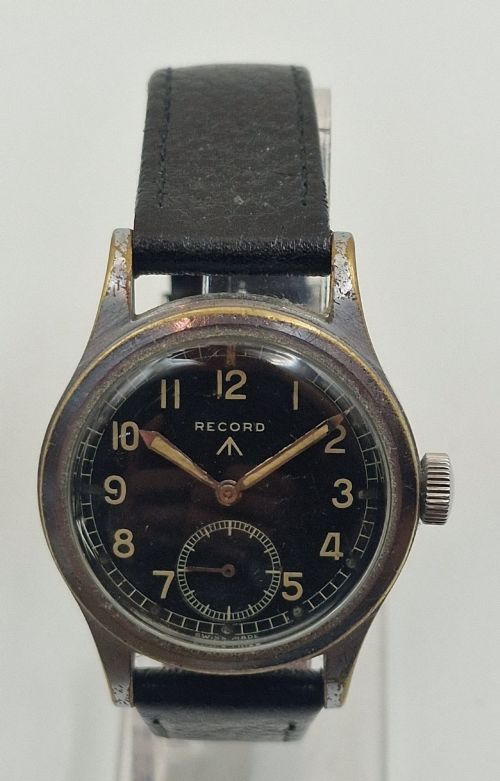
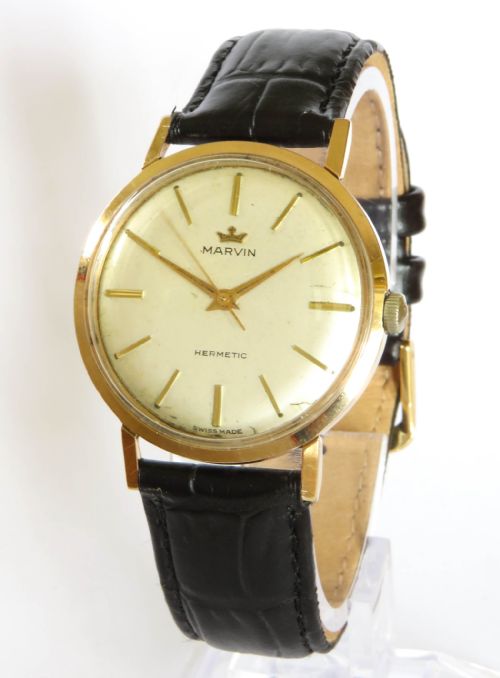
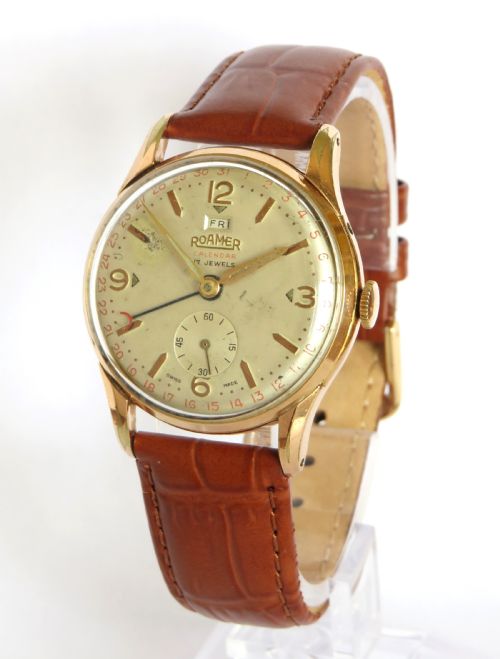
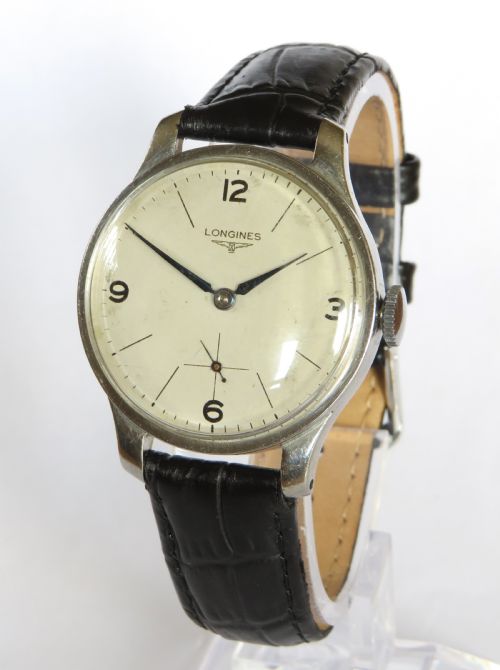
A swiss made wristwatch represents timepieces originating from Switzerland across several decades of the twentieth century, specifically spanning the 1920s through the 1960s. These items encompass mechanical and automatic movements housed in various styles ranging from early twentieth century and Art Deco to Mid-Century Modern and Second World War military designs.
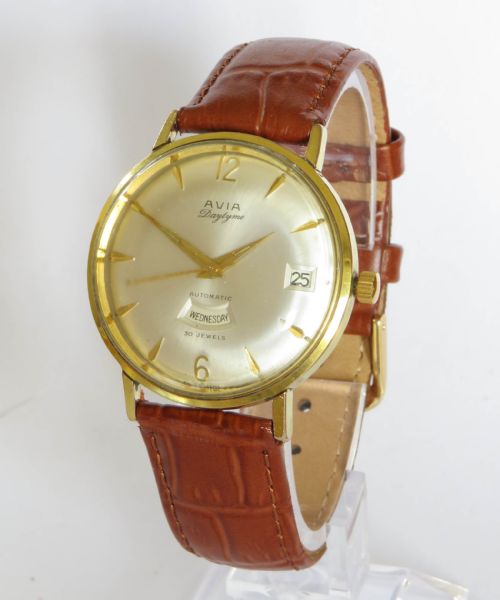
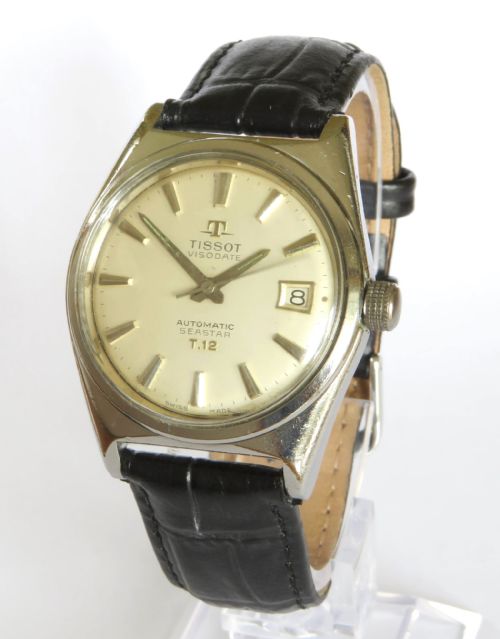
Buyers encountering this selection will most frequently find gents wristwatches from the 1940s, 1950s, and 1960s. These pieces often feature specific calendar functions, chronograph complications, or military specifications such as Army Trade Pattern designations.
Materials and construction methods
Manufacturers built these timepieces using robust metals including stainless steel, chrome, gold plated metal, and solid nine-karat gold for the cases. Crystals protecting the dials consist of glass or acrylic materials.
Internal mechanisms rely on intricate mechanical or automatic movements, sometimes detailed with jewelled bearings such as seventeen jewels to reduce friction. Straps utilise leather to secure the watch to the wrist.
Listings feature Swiss timepieces spanning five distinct decades, predominantly utilising stainless steel, gold plate, and leather materials.
Distinctions in quality and execution
The calibre of a timepiece often depends on the preciousness of the case material, moving from chrome or gold-plated metal up to solid nine-karat gold. Internal movement sophistication also separates standard models from chronographs or calendar complications.
Originality of components, including dials, hands, and signed crowns, plays a significant role in defining the integrity of an individual watch. Pieces retaining their factory specifications command greater attention from discerning collectors.
Roamer·Avia·Marvin·Tissot·Longines·Rotary·Ensign·Lanco·Enicar·Eterna·Sperina·Felca·Omega·West End Watch Co·Mappin·Aster·Timor
The Swiss Made Wristwatch Glossary
- Automatic
- A self-winding mechanical movement that uses the natural motion of the wearer's wrist to power the mainspring.
- Chronograph
- A watch with a stopwatch function alongside its standard timekeeping display, operated by pushers on the case.
- Calibre
- The specific manufacturer's model designation for the internal movement powering the watch.
- Jewels
- Synthetic rubies or sapphires placed inside the movement as bearings to reduce friction on pivot points.
- New old stock
- Unused vintage items that remain in their original packaging or condition long after production ceased.
Swiss Made Wristwatch: Frequently Asked Questions
How do I wind a mechanical watch?
Wind the crown clockwise between your thumb and forefinger until you feel gentle resistance. Stop immediately once tension increases to avoid damaging the mainspring.
For daily wear, establish a consistent routine such as winding the piece every morning before putting it on your wrist.
Are vintage watches waterproof?
Historical timepieces lack modern rubber gaskets and waterproof sealing technology. Exposure to moisture, rain, or humidity can easily cause internal rust and fog the acrylic crystal.
Keep your watch away from water entirely, removing it before washing hands or swimming.
What does seventeen jewels mean?
Jewels are synthetic gemstones placed within the movement to minimise friction on moving metal pivots. Seventeen jewels typically represents the minimum count required for a fully jewelled lever escapement movement.
This count ensures that key friction points receive proper durability over years of mechanical operation.
How accurate are vintage watches?
Mechanical watches from the mid-twentieth century operate via springs and gears rather than quartz crystals or atomic signals. Minor daily time gains or losses are standard characteristics of mechanical timekeeping.
Regular servicing by a professional watchmaker helps maintain optimal precision and timing consistency.