
Swiss Made Mechanical Watch
A swiss made mechanical watch represents a fine horological tradition, offering reliable hand-wound and automatic timekeeping across diverse historical styles.
Swiss Made Mechanical Watch
When you search for a swiss made mechanical watch, you encounter timepieces spanning from the nineteenth century through the mid-century modern era. Pocket watches and wristwatches dominate the selection, reflecting changing preferences in personal timekeeping over the decades.
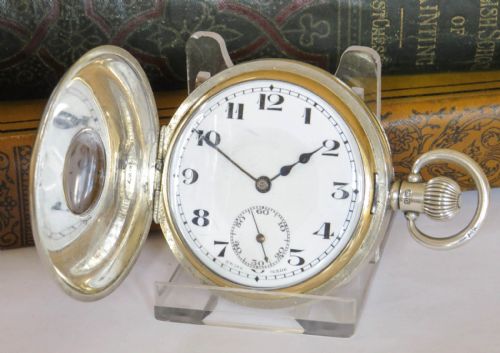
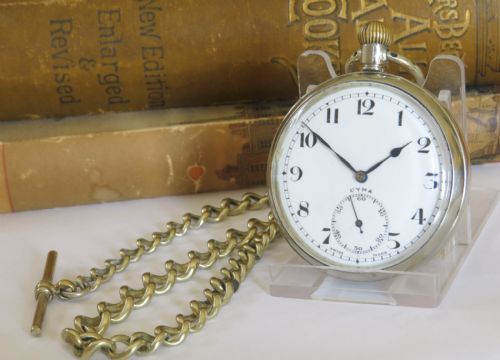
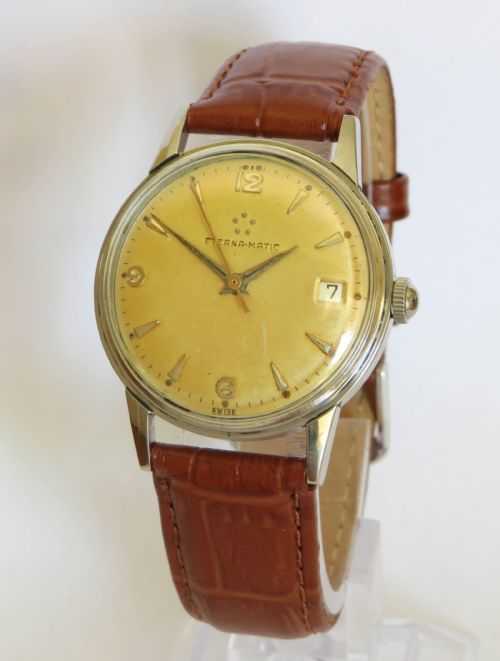
The versions you are most likely to meet on this page include pocket watches from the 1920s and 1930s alongside mid-century wristwatches. These span multiple styles such as Art Deco, Edwardian, and Victorian designs, originating from various periods in horological history.
Materials and construction
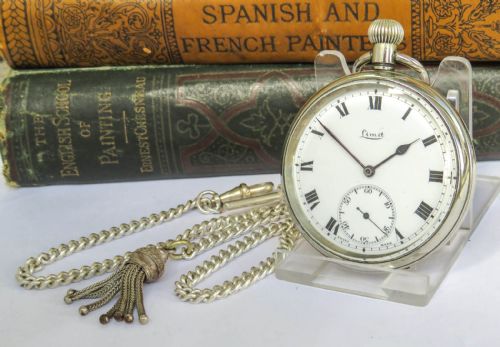
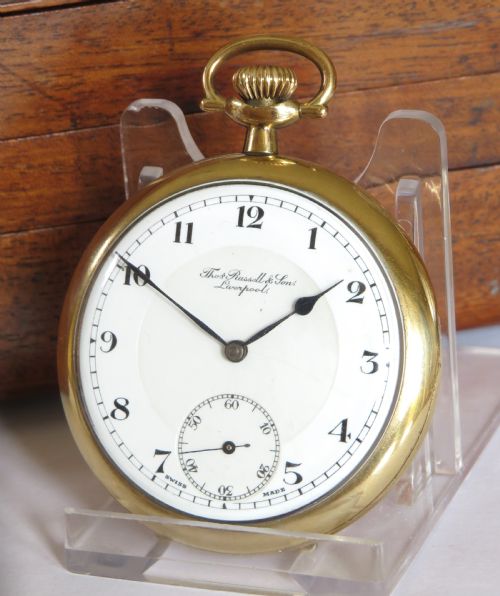
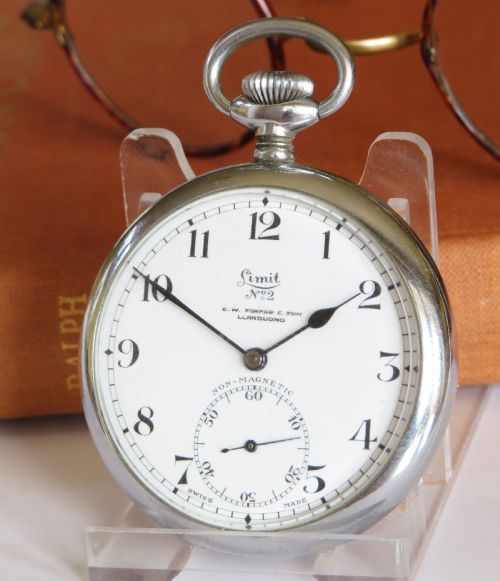
Makers utilised durable metals like stainless steel, silver, gold plate, and solid gold for cases, protecting the intricate mechanical movements housed within. Glass and acrylic crystal protect the dials, while leather straps and metal chains complete the pieces.
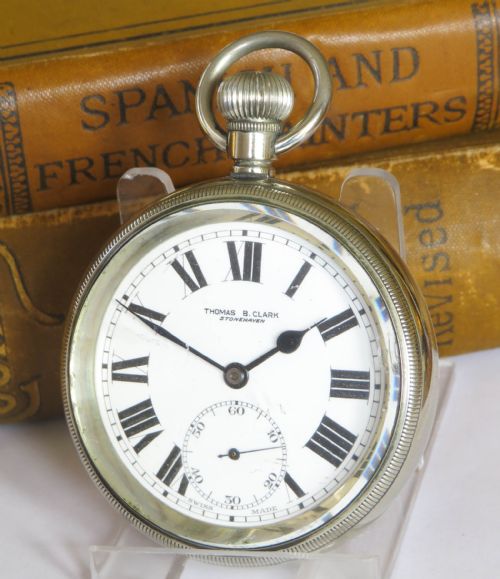
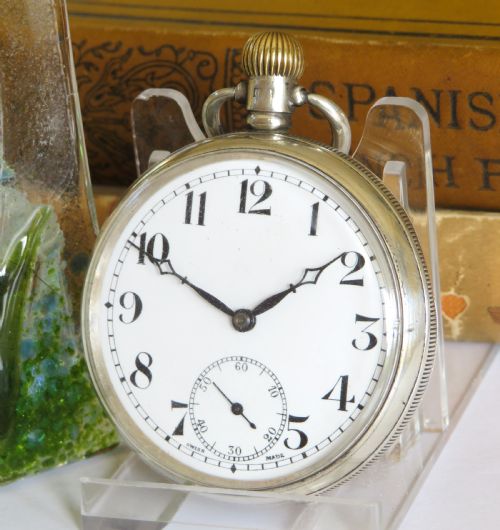
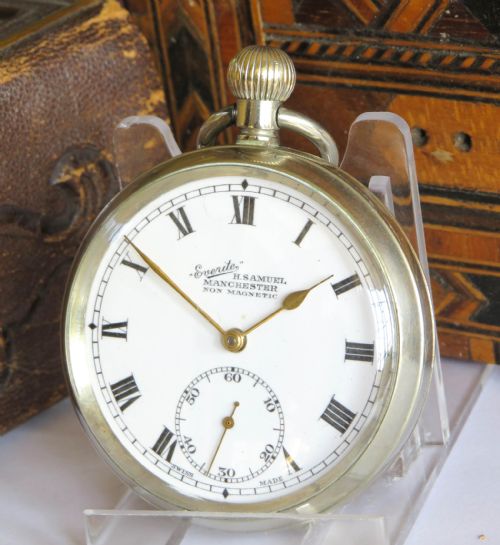
Enamel often provides a crisp finish for traditional watch dials, ensuring high legibility for roman or arabic numerals. Movements rely on precise mechanical engineering, incorporating components like jewels to reduce friction in the gear train.
Some pocket watches carry bravery awards and local town names, recording the specific communities where railway workers and officials once carried them.
Assessing quality and craftsmanship
The distinction between standard timepieces and superior examples lies in the refinement of the movement and the quality of the case materials. Solid precious metals and complex complications indicate higher tier manufacturing.
Casing details, dial preservation, and the presence of original chains or matching components distinguish well-preserved examples. The execution of dial typography and hand finishing also separates standard production from finer work.
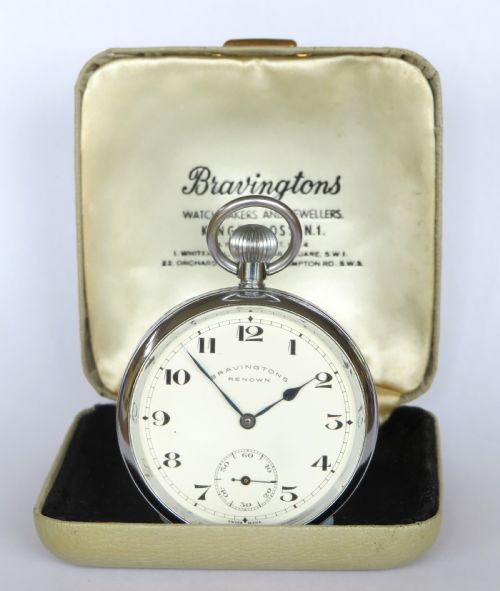
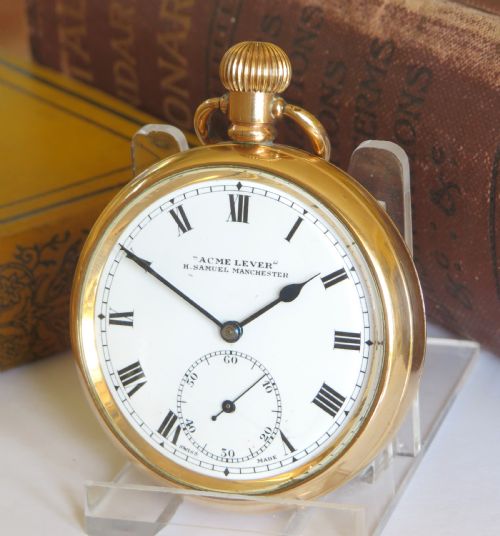
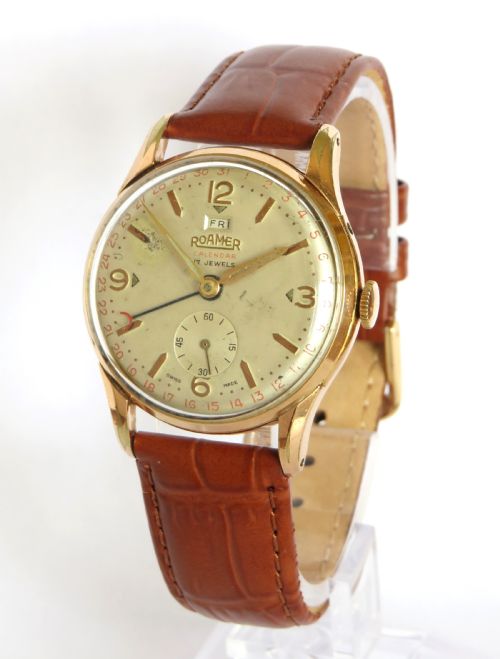
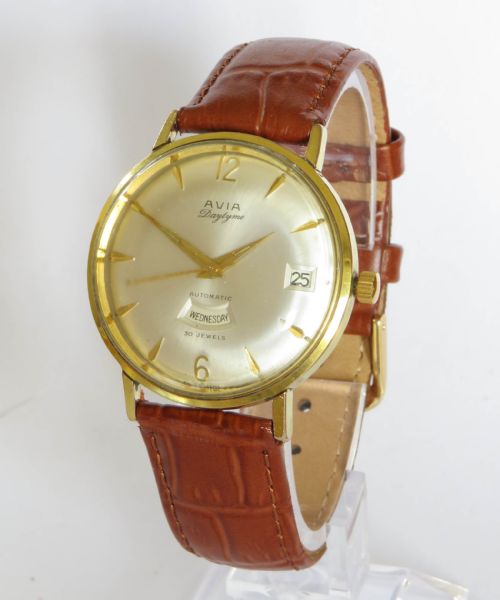
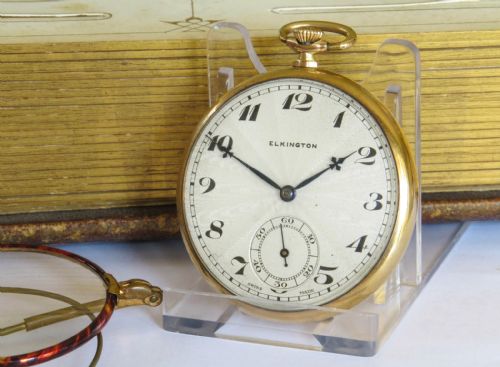
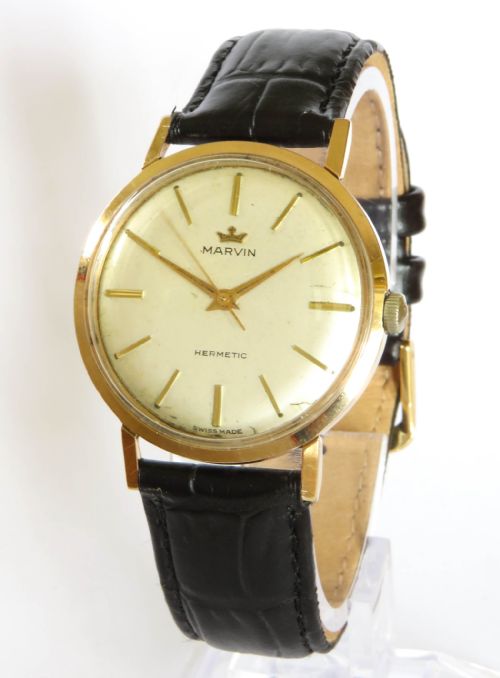
Thomas Russell and Son·Limit Revue·Cyma·Eterna Matic·Bravingtons Renown·Acme Lever·Everite·Roamer·Avia DayTyme·Dennison·Elkington·Marvin Hermetic·Tissot Visodate Seastar·Vertex·Longines·Hebdomas Patent·Rotary·Consul·Lanco·Ensign·Helvetia·Enicar·Eterna·Sperina·Felca
The Swiss Made Mechanical Watch Glossary
- Hunter pocket watch
- A pocket watch featuring a spring-loaded metal cover that protects the glass dial. This design safeguards the face from scratches during daily wear.
- Mechanical movement
- A watch mechanism powered by a mainspring that requires manual winding or automatic rotor movement. It relies purely on gears and springs rather than a battery.
- Automatic
- A self-winding mechanical movement that uses the motion of the wearer's wrist to wind the mainspring. This system maintains power reserve through normal daily movement.
- Open faced pocket watch
- A pocket watch lacking a metal front cover, leaving the glass and dial directly exposed. It allows for quick time checks without opening a case.
- Quarter repeater
- A complicated watch mechanism that chimes the hours and quarters on demand via internal gongs. This intricate feature demonstrates advanced watchmaking skill.
Swiss Made Mechanical Watch: Frequently Asked Questions
How do I wind a mechanical watch?
Turn the crown clockwise between your thumb and forefinger until you feel gentle resistance. Do not force the crown past this point, as over-winding can damage the mainspring.
For automatic models, normal daily wrist movement keeps the spring tensioned. If the watch has stopped entirely, give the crown a few initial turns to jump-start the movement before wearing.
Are these watches waterproof?
Vintage and antique timepieces generally lack modern waterproof seals. Exposure to moisture, rain, or humidity can cause internal rust and damage the delicate movement.
Keep these watches away from water entirely. Remove them before swimming, bathing, or washing your hands to preserve the metal case and internal components.
How accurate are vintage mechanical watches?
Mechanical timepieces naturally gain or lose a few seconds per day compared to modern quartz movements. Factors such as temperature changes and position affect daily timekeeping.
Regular servicing by a professional horologist helps maintain optimal accuracy. Adjusting the regulator inside the movement can also fine-tune performance.
What is an albert chain?
An albert chain is a traditional watch chain used to secure a pocket watch to a waistcoat or jacket buttonhole. Named after Prince Albert, these chains often include a T-bar fitting.
They come in silver, gold plate, or solid gold to match the metal of the pocket watch. Collectors frequently look for pieces paired with their original chains.