
Swiss Gold Wristwatch
A swiss gold wristwatch combines precision horology with precious metal, offering a wearable piece of mid-century design history.
Swiss Gold Wristwatch
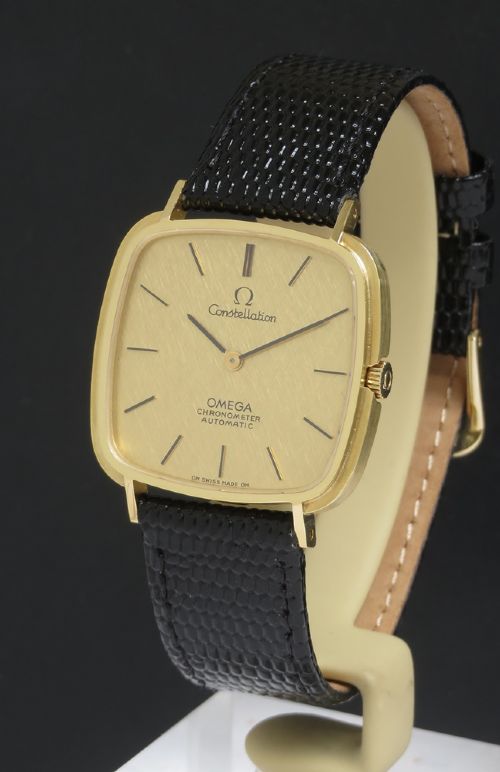
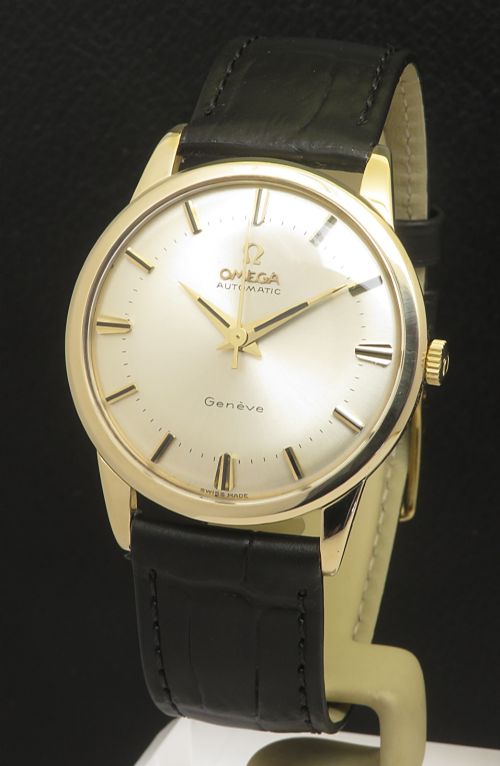
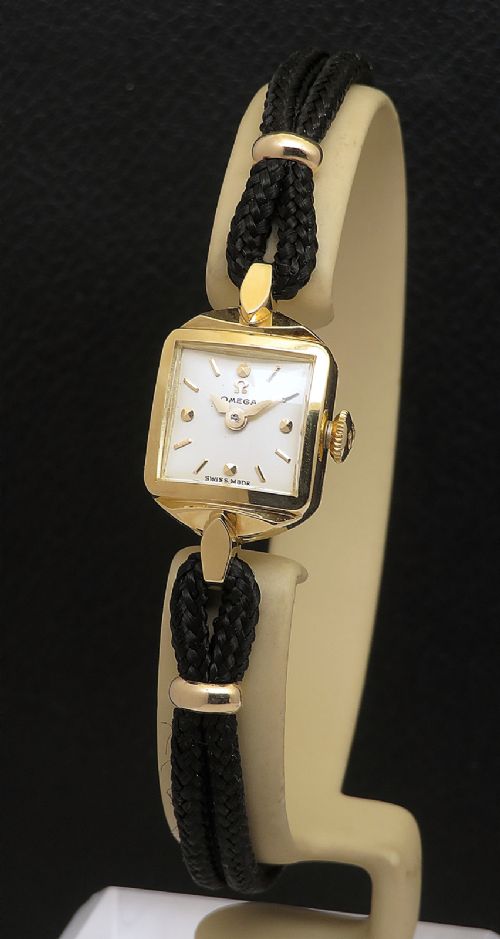
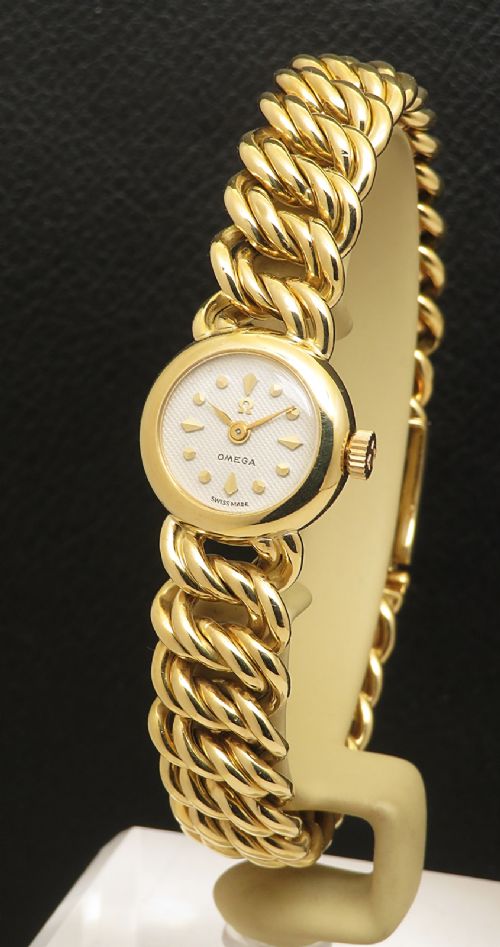
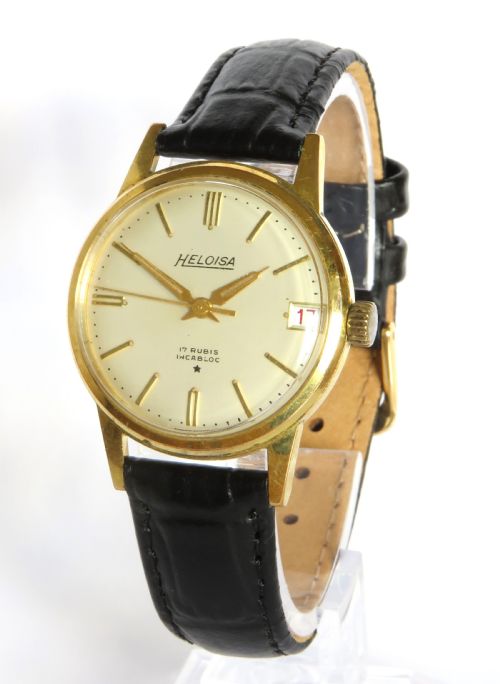
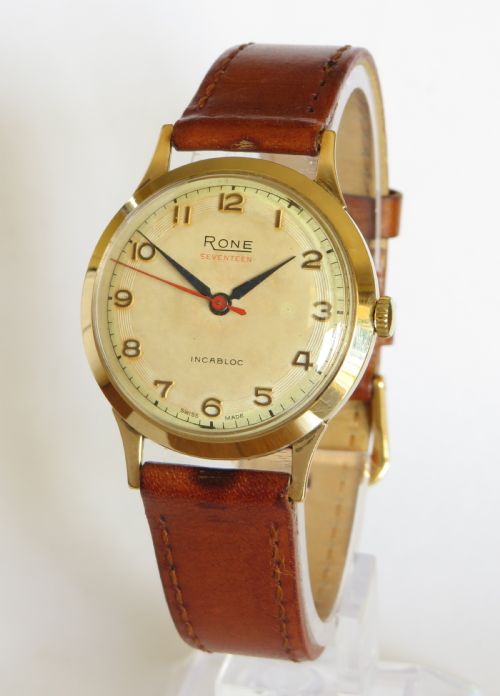
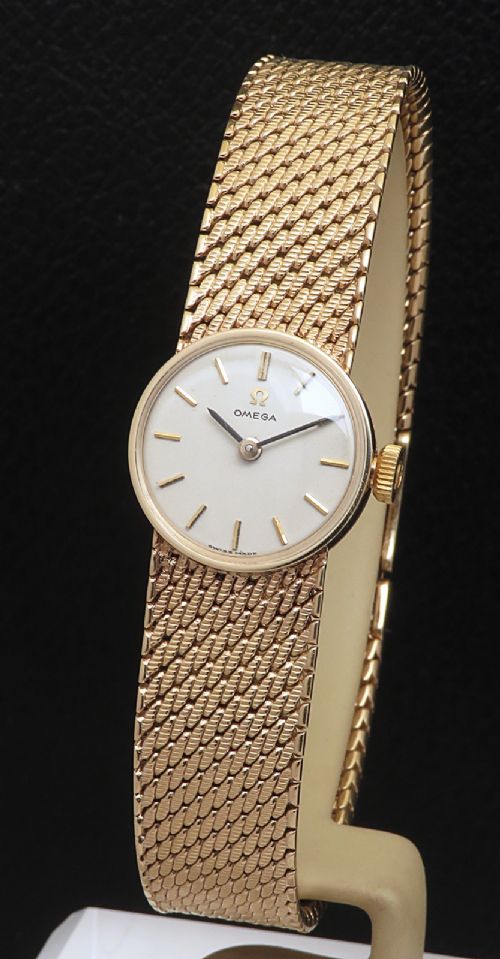
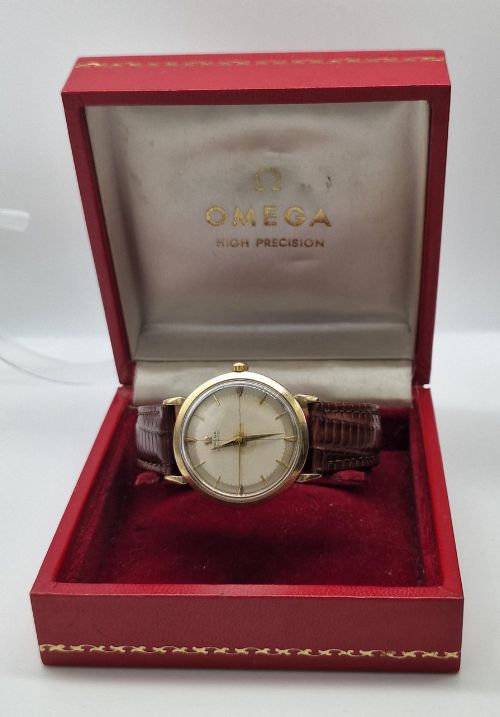
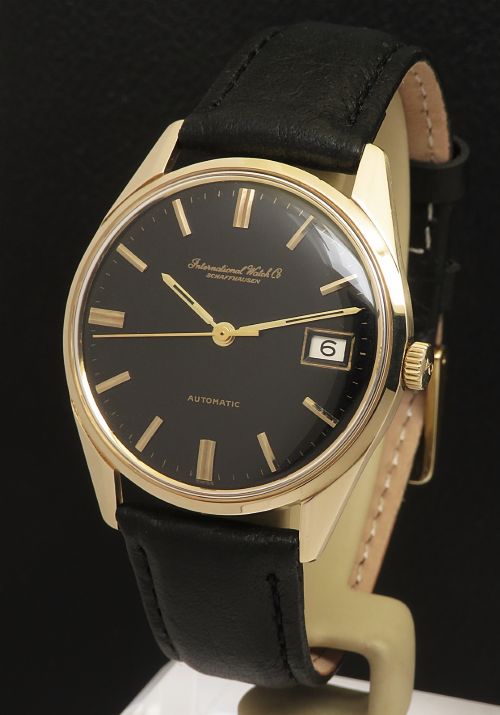
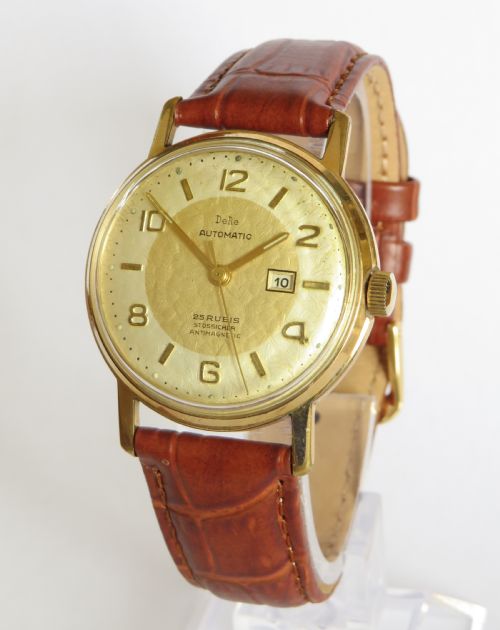
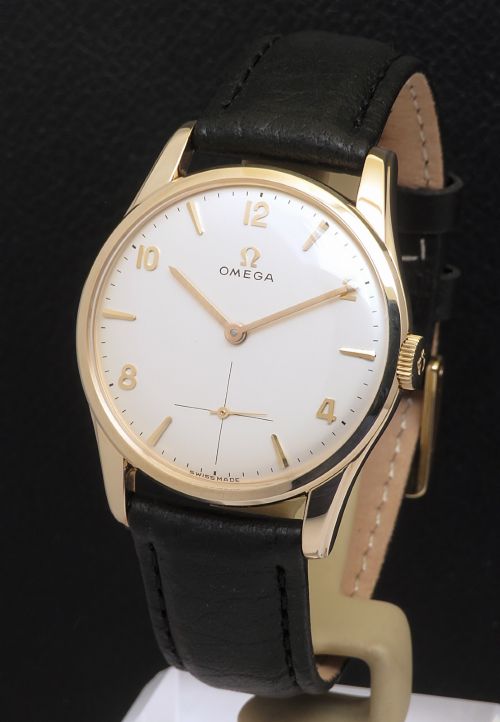
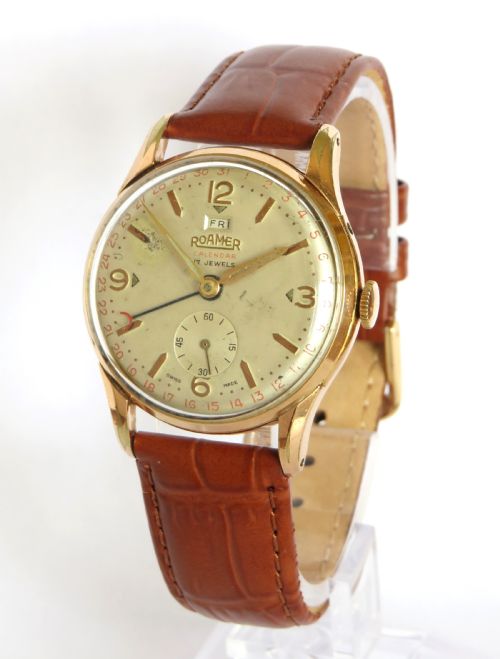
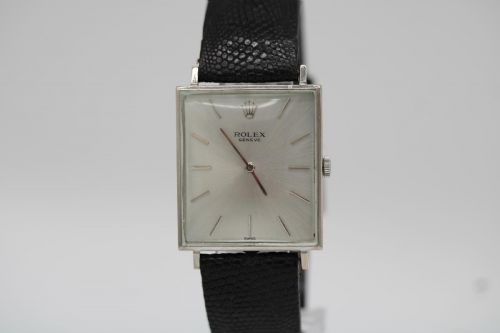
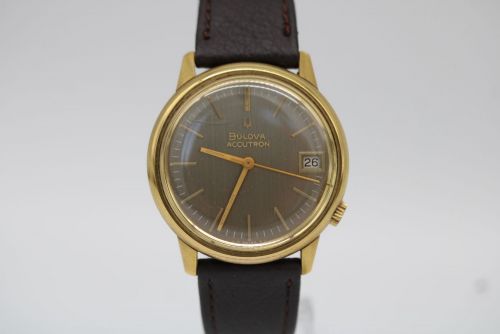
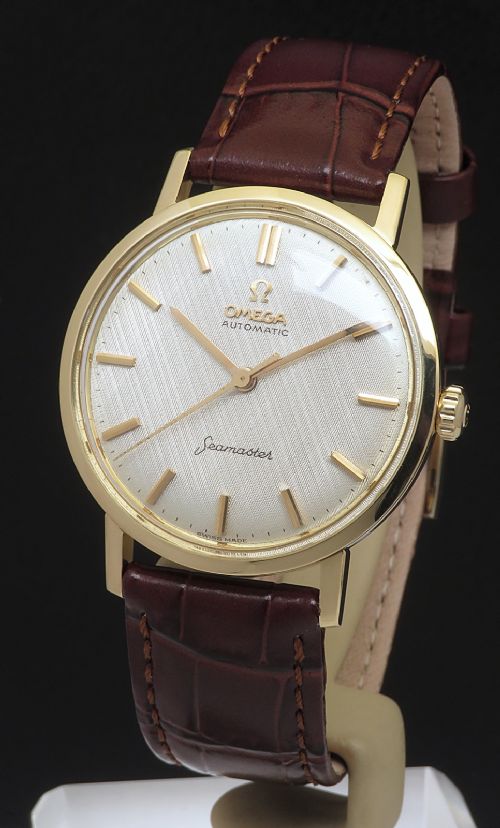
A swiss gold wristwatch represents a category of timepiece encompassing both gents models and ladies cocktail watches spanning from the 1920s through the 1960s. These pieces originate from Swiss workshops and manufacturers, utilising precious metals alongside mechanical movements.
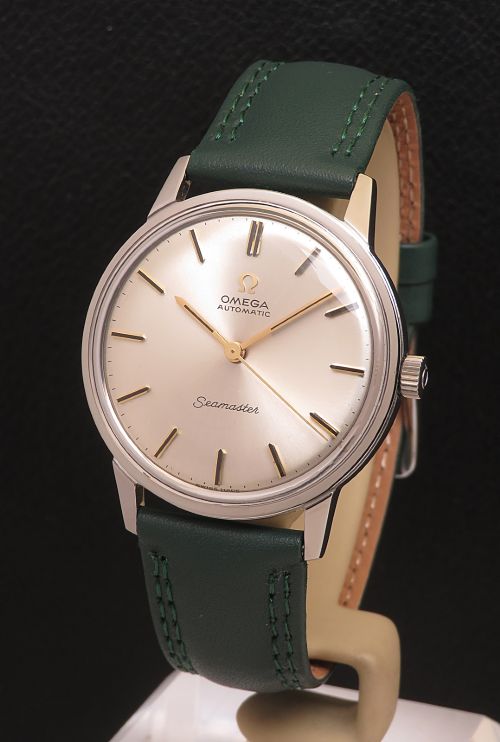
The selection on this page relies heavily upon mid-century designs, particularly from the 1950s and 1960s, reflecting the post-war era of watchmaking. Buyers will encounter robust automatic chronometers alongside delicate manual-wind dress pieces.
Forms range from classic round dress watches to specialised Seamaster, Constellation, and Geneve lines. Gold plate and solid yellow or white gold dominate the metal choices found across these listings.
Materials and construction
Cases are formed from solid 9ct gold, solid 18ct gold, 18ct white gold, or gold plate, paired with glass, acrylic, or acrylic glass crystals. Leather straps complete the assembly on many models, often matching original buckles.
Movements inside are mechanical masterpieces, utilising manual-wind or automatic calibres developed by Swiss watchmakers. Complex variations include chronometer certifications, date displays, and calendar functions.
Listings span five decades from the 1920s to the 1960s, featuring solid 9ct gold, 18ct gold, and gold plate.
Quality differences
The calibre of the movement and the weight of the precious metal determine the standing of an individual piece. Solid 18ct gold cases and chronometer-grade movements sit at the upper echelon of the range.
Completeness alters the character of a watch, with original boxes, papers, and factory-signed components elevating the historical integrity of the piece. The presence of specialised dials, such as explorer layouts or diamond bezels, also defines the tier.
Omega·Heloisa·Rone·IWC·DeRe·Roamer·Rolex·Bulova Accutron·Bucherer·Avia·Marvin·Tissot·Gloriosa·Cyma·Wittnauer·Dogma Prima·Certina·Zenith·Baume·Ensign·Lanco Sport·Eterna-Matic·Tudor·Baume Mercier·Dorex
The Swiss Gold Wristwatch Glossary
- Chronometer
- A high-precision watch that has passed rigorous accuracy tests conducted by an official Swiss testing institute. These movements represent the pinnacle of mechanical reliability for the era.
- Calibre
- The specific internal movement design and model created by a watch manufacturer. Collectors often reference the calibre number to identify the exact mechanics housing the watch.
- Automatic
- A self-winding mechanical movement that uses the natural motion of the wearer's wrist to power the mainspring. This removes the need for daily manual winding.
- Cocklet Watch
- A small, decorative timepiece traditionally worn by women for formal occasions. These pieces frequently incorporate precious stones and intricate precious metal bracelets.
- Manual Wind
- A traditional mechanical movement requiring the user to manually turn the crown to tension the mainspring. Simpler in construction than automatic counterparts, they form the backbone of vintage dress watch design.
Swiss Gold Wristwatch: Frequently Asked Questions
Can I wear a vintage swiss gold wristwatch daily?
These timepieces were built for everyday wear during the mid-century period, utilising robust mechanical movements. Modern owners often reserve solid gold dress pieces for specific occasions to preserve their delicate acrylic crystals and vintage leather straps.
Regular servicing by a professional horologist ensures the internal gears continue to function accurately. Avoiding water exposure is essential, as vintage pieces lack modern waterproofing standards.
How do I wind a manual wind watch?
Gently rotate the crown clockwise between your thumb and forefinger until you feel gentle resistance. Stop immediately when resistance increases to avoid overwinding and damaging the internal mainspring.
Perform this action at the same time each day to maintain consistent tension and accurate timekeeping.
How do I identify the production era?
Makers often stamped reference numbers, movement calibres, and case hallmarks that correspond to specific manufacturing years. Stylistic cues such as dial typography, hand shapes, and case geometry also provide clear indicators of the decade.
Documentation like original papers or boxes can further confirm the exact year of origin.