


Swiss Carved Bear Sculpture
A swiss carved bear sculpture brings the vigorous spirit of the Swiss forests directly into a room through masterful woodworking.
Swiss Carved Bear Sculpture
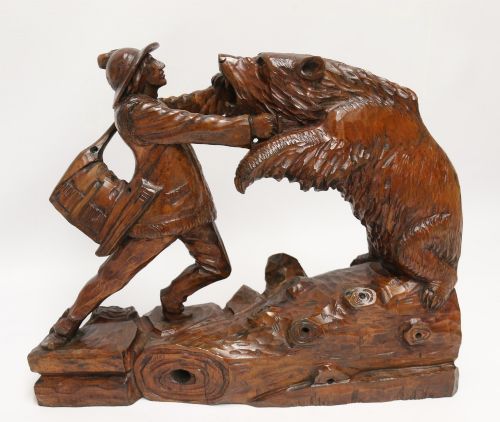
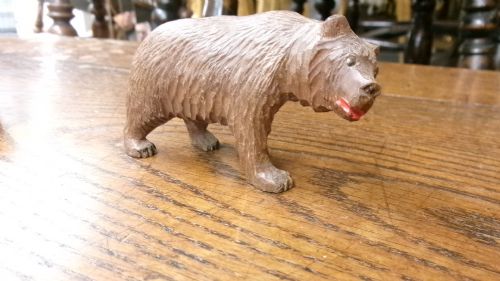
A swiss carved bear sculpture encompasses an array of decorative objects, from miniature figures to grand hall stands created across the nineteenth and early twentieth centuries. These pieces typically display the distinct aesthetic of the Black Forest style and Swiss folk art traditions, capturing bears in various lifelike and anthropomorphic poses.
Collectors encounter diverse functional and decorative forms on this page, including umbrella stands, tobacco boxes, and inkstands alongside freestanding sculptures. The pieces range from small single figures with stud eyes to large exhibition quality furniture groupings carved from solid timber.
Materials and construction
The making process relies entirely on hand carving techniques executed by skilled artisans working within the Swiss folk art and Black Forest traditions. Craftsmen shaped domestic hardwoods to produce everything from individual miniature bears to massive tree form hall stands.
A set of fifteen miniature carved bears proves that even the most formidable forest beasts appreciate travelling in very large packs.
Judging quality in carved bears
Quality in a swiss carved bear sculpture rests upon the depth and realism of the carving work, particularly in the rendering of the animal's fur and musculature. Exhibition pieces demonstrate superior anatomical precision and sculptural ambition, whereas simpler items remain more basic in execution.
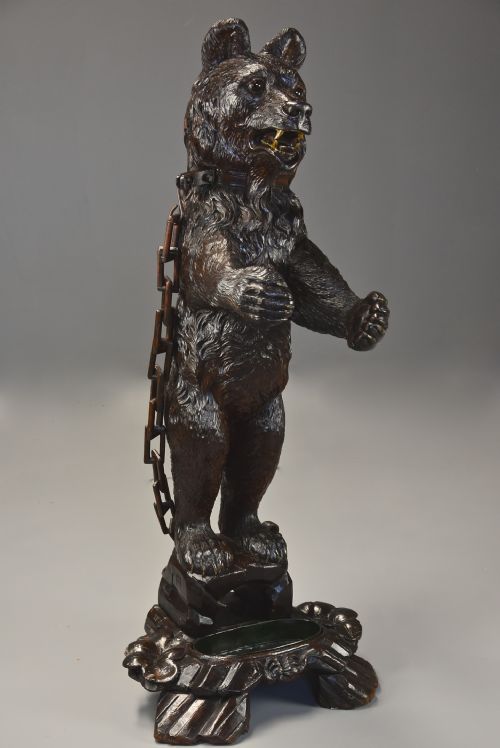
The complexity of the object form also dictates the tier of the piece, distinguishing standard decorative figures from large structural items like double stick stands and hall stands. Integration of functional elements, such as inkwells or umbrella drip pans, further separates workshop output.
The Swiss Carved Bear Sculpture Glossary
- Black Forest
- A regional style of wood carving originating in the European mountain regions, known for realistic animal sculptures and rustic furniture. This style defined much of the decorative output of the nineteenth century.
- Linden Wood
- A pale, fine grained timber favoured by wood carvers for its soft texture and lack of prominent grain. Artisans used this wood extensively for detailed animal sculptures.
- Hall Stand
- A large piece of hallway furniture designed for coats, hats, and umbrellas, frequently rendered in this genre as carved bears flanking a tree trunk. These structural items served practical domestic purposes.
- Humidor
- A specialised box or container designed to keep tobacco moist, sometimes fashioned in the likeness of a brown bear. These lidded objects combined utility with whimsical sculpture.
- Stud Eyes
- Inset glass or metal pins used to represent the eyes of carved animals. They provide a glint of realism to otherwise plain wooden faces.
Swiss Carved Bear Sculpture: Frequently Asked Questions
How were these bear carvings used?
Many of these carved bears served practical functions in nineteenth century interiors as umbrella stands, hall stands, inkstands, and tobacco boxes. Others functioned purely as decorative sculptures or miniature display objects.
Larger utility pieces stood in entrance halls to hold walking sticks and rain gear, while smaller boxes sat upon desks and tables for daily use.
What wood are these sculptures made from?
The pieces on this page are carved primarily from linden wood and walnut, alongside general hardwoods and occasionally oak. Linden wood was especially favoured for its cooperative grain, which allowed carvers to achieve fine detail.
Some examples also incorporate minor metal or brass components for functional hardware or eyes.
How do I date a carved bear?
Dating relies on stylistic markers, materials, and historical context spanning from the mid nineteenth century through the Edwardian era and 1920. Victorian and nineteenth century pieces often display deep, ambitious carving work associated with traditional workshops.
Construction methods and the presence of original fittings or stud eyes also help establish the approximate period of manufacture.
Where should I place a carved bear?
These sculptures suit studies, hallways, and living spaces where their rustic wood tones complement traditional or eclectic interiors. Larger hall and umbrella stands anchor entranceways naturally.
Smaller figures and boxes sit comfortably on side tables, desks, or mantels as focal points of interest.