
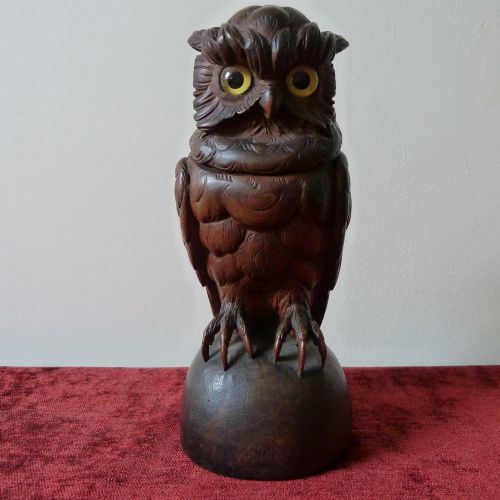


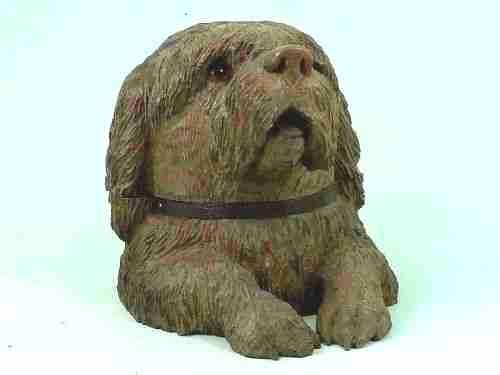


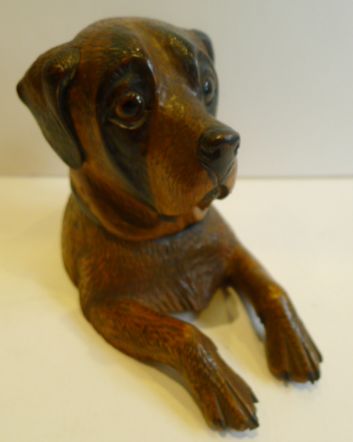

Carved Black Forest Inkstand
A carved black forest inkstand brings miniature animal sculpture to the desk, shaped from timber into bears, dogs, cats and owls.
Carved Black Forest Inkstand
A carved black forest inkstand takes the form of desk accessories shaped as animals, including bears, dogs, cats and owls. These pieces emerge from the Victorian era and span the late nineteenth century around eighteen eighty to nineteen hundred.
The most common form encountered here is the figural animal inkwell, often depicting dogs such as terriers, St Bernards or generic hounds, alongside bears with logs and cats in boots. They serve as functional desk furniture fitted with glass wells and occasionally brass chains or leather elements.
Makers and workshops of the period produced these novelty desk pieces in Swiss and continental regions using traditional carving methods. Collectors find them in both single inkstand configurations and paired desk items.
How they were made
Carved black forest inkstands rely on hand-worked timbers, specifically linden wood and lime wood, chosen for their suitability to detailed figurative sculpture. Artisans shaped these woods into naturalistic forms showing fur texture and anatomical detail.
The wooden bodies house fitted glass inkwells to hold writing fluid safely within the carved animal or log structures. Some examples incorporate metal components such as brass chains or incorporate leather sections into the desk tidy design.
The site listings feature items from eighteen eighty to nineteen hundred, utilising linden wood, lime wood, glass, brass chain and leather.
What varies in quality
The scale and complexity of the composition also separate standard examples from more elaborate desk stands, such as those featuring multiple animals or eagles with prey figures. Preservation of the original glass inserts and the crispness of the lime wood surface define the better survivals.
Maison F Mack
The Carved Black Forest Inkstand Glossary
- Inkstand
- A desk stand designed to hold one or more inkwells along with pens and sealing equipment. It forms the primary base structure for these carved wooden items.
- Desk tidy
- A compartmented desk accessory used for holding small stationery items, often combined with an inkwell in these carved wooden pieces.
- Linden wood
- A pale timber commonly utilised in continental woodcarving for its fine grain and soft texture. It allows artisans to execute deep figural relief.
- Figural
- Representing a human or animal form in three dimensions. These desk items use animal figures as their main decorative subject.
- Novelty inkwell
- An ink container shaped to imitate an everyday object, animal or scene rather than following traditional geometric shapes.
Carved Black Forest Inkstand: Frequently Asked Questions
What animals appear on these inkstands?
The pieces display a range of animals including bears, dogs, cats, owls and eagles with prey.
Dogs are particularly common, featuring breeds such as terriers and St Bernards alongside cats often depicted in boots.
How old are these carved inkwells?
The majority date from the Victorian period, spanning the late nineteenth century from eighteen eighty to nineteen hundred.
They originate from the classic era of continental novelty woodcarving.
What materials make up the construction?
Carved wood forms the main body, specifically linden wood and lime wood chosen for detailed sculpting.
Fitted glass containers sit inside the wood to hold ink, sometimes accompanied by brass chain or leather details.
How were these items used originally?
They functioned as practical desk accessories for holding writing ink and organising small stationery items in the study or office.
The figural designs added decorative novelty to nineteenth century writing desks.