






Swept Gilt Frame
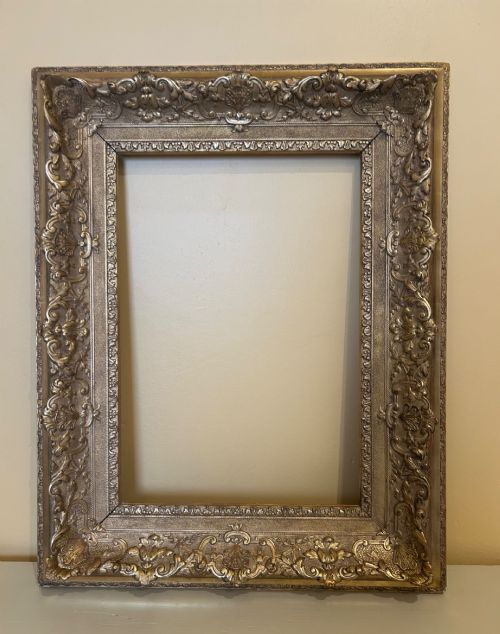
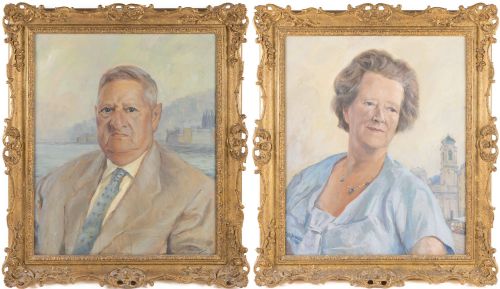
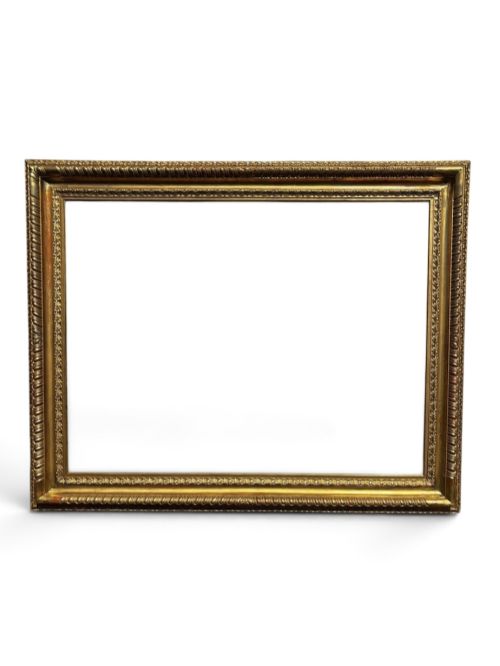
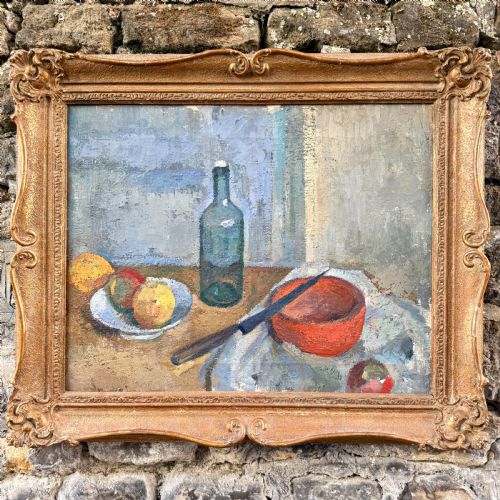
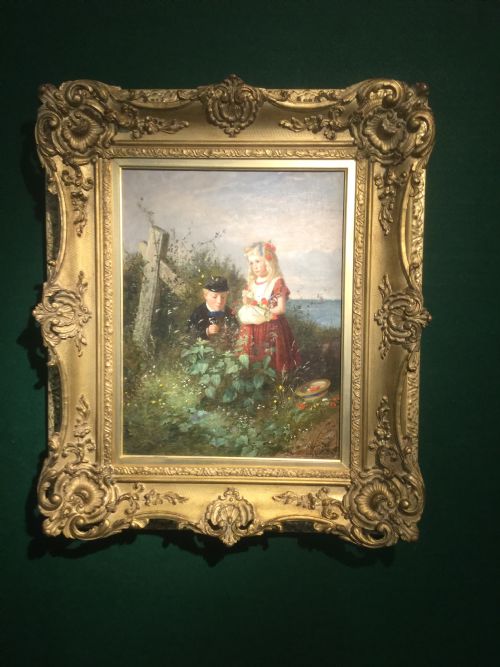
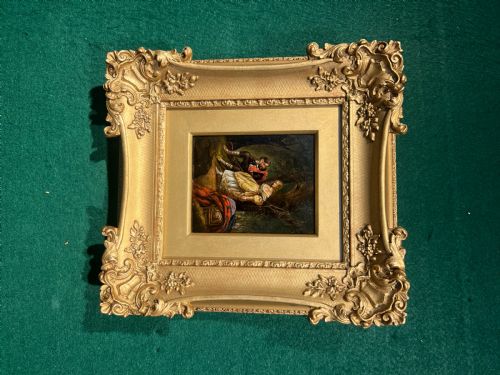
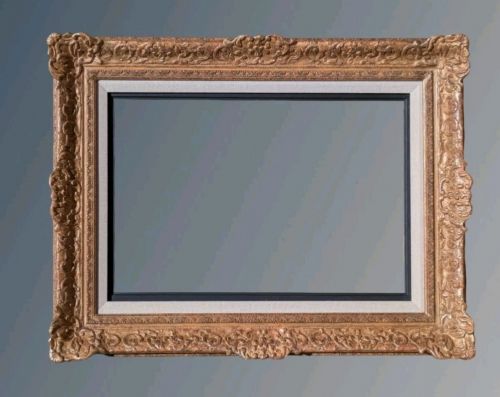
A swept gilt frame brings theatrical curves and deep, light-catching mouldings to the walls.
Swept Gilt Frame
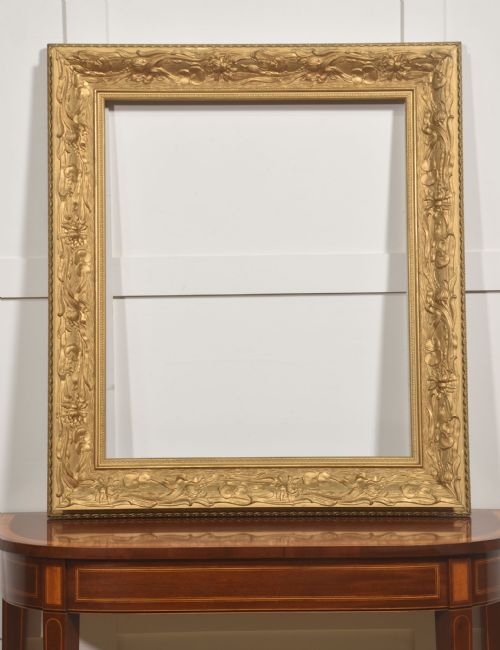
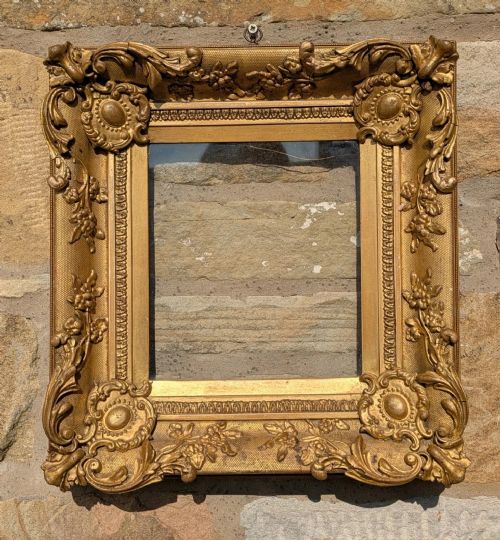
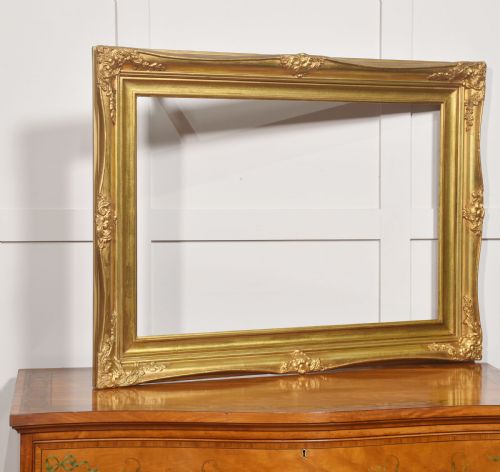
A swept gilt frame is an ornate, curving border designed to hold oil paintings, watercolours, or mirrors with considerable presence. These pieces emerge predominantly from the nineteenth and early twentieth centuries, spanning Victorian production and revivalist movements.
Buyers encounter substantial overmantle mirrors, deep landscape surrounds, and intimate portrait housings. The most common examples on this page date from the Victorian era and the early twentieth century, reflecting robust nineteenth-century manufacturing methods.
Mouldings often follow a Rococo Revival taste, displaying asymmetrical cartouches, scrolls, and voluminous corner ornaments. Such surrounds transform standard canvases into dramatic focal points within a room.
How they were made
Makers constructed the structural core from solid wood, building up deep profiles that could support complex ornamental flourishes. They applied gesso, a plaster-like mixture, over the timber base to form a smooth, receptive surface for carving and moulding.
Artisans applied thin sheets of gold leaf or metallic leaf over a prepared bole layer, burnishing the metal to achieve a brilliant, reflective finish. This laborious gilding technique protects the underlying gesso while creating the characteristic warm glow associated with period frames.
Swept Gilt Frame Retail Price Guide 2026
Typical asking prices for swept gilt frame among the pieces listed under this phrase on Sellingantiques today, from the lower quarter to the upper quarter. They describe what is for sale here now, not the wider market.
Some frames travelled through generations holding portraits of farmyard chickens before finding new life as living room mirrors.
What varies in quality
Quality rests in the crispness of the modelled gesso ornament and the depth of the rebate. Finer examples display hand-modelled detailing at the corners and scrolls rather than generic, mass-produced composition ornament pressed into place.
The integrity of the original gilding surface dictates the visual weight of the piece. Untouched gold leaf with natural ageing and minimal later touching-up elevates a frame far above those heavily masked by modern metallic paint.
Charles Hunt·Claude Cardon·Arthur Herbert Rigg·Percival Glenfern·J Barclay·Sir Herbert Hughes-Stanton·Jeffrey Pratt·William Miller Frazer·Emily Selinger·William Sidney Cooper·Harold Edward Conway·Ludwig Hermann·George Harrison·George Parson-Norman·Owen Bowen·Kenneth Washburn·Sir Thomas Lawrence
The Swept Gilt Frame Glossary
- Gesso
- A fine plaster mixture used as a base for moulding and gilding on wooden frames. It allows artisans to carve intricate relief patterns before applying gold leaf.
- Giltwood
- Timber that has been gilded with gold leaf rather than painted with metallic finishes. This material forms the durable foundation for many antique picture surrounds.
- Rococo Revival
- A nineteenth-century stylistic movement reviving the curving, shell-and-scroll ornamentation of the eighteenth century. It defines the dramatic contours of many swept surrounds.
- Rebate
- The recessed channel at the back of a frame that holds the canvas, panel, or mirror glass secure. Its depth determines the thickness of the artwork the moulding can accommodate.
- Overmantle
- A large mirror or painting designed to hang directly above a fireplace mantelpiece. These substantial items frequently utilise deep swept mouldings to command a room.
Swept Gilt Frame: Frequently Asked Questions
How do I hang a heavy swept frame?
Substantial frames require heavy-duty fixings screwed directly into wall studs or secured with appropriate masonry anchors. The considerable weight of the wooden core and gesso demands robust picture wire or mirror plates.
Position the hanging points carefully to distribute the load evenly across the top corners. Consulting a professional installer ensures the wall can safely support the mass of a large overmantle piece.
Can I put a modern mirror in an antique frame?
Placing a modern mirror plate inside a period surround is a common way to repurpose empty mouldings. Ensure the rebate depth can accommodate the new glass and a protective backing board safely.
Glass weight should match the original capacity of the timber structure to prevent warping the mitred corners. A local framer can secure the glass using traditional glazing points without damaging the inner gesso.
How can I tell a Victorian frame from a modern reproduction?
Examine the timber at the back and the composition of the gesso layer under magnification. Antique pieces display aged, dry wood and hand-finished imperfections that machine-moulded replicas lack.
The gold leaf on older surrounds shows natural craquelure, subtle toning, and wear consistent with age. Modern copies often feature uniform metallic paint and lack the deep, layered construction of nineteenth-century work.