


Swedish Vintage Cabinet
When you want a swedish vintage cabinet, you are looking at functional storage spanning centuries of pine, birch, and painted wood.
Swedish Vintage Cabinet
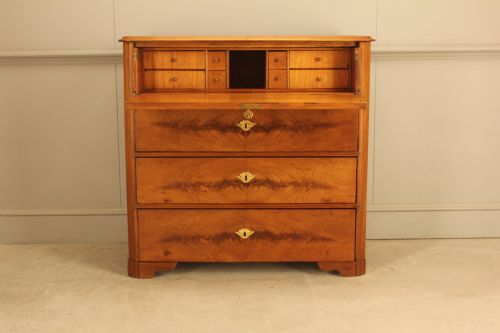
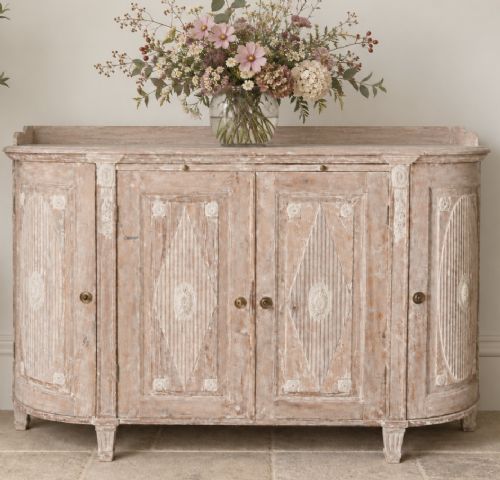
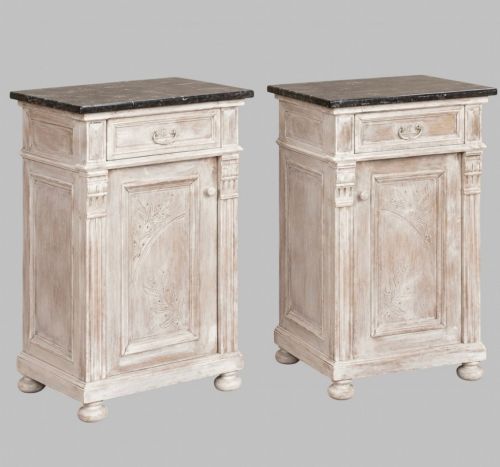
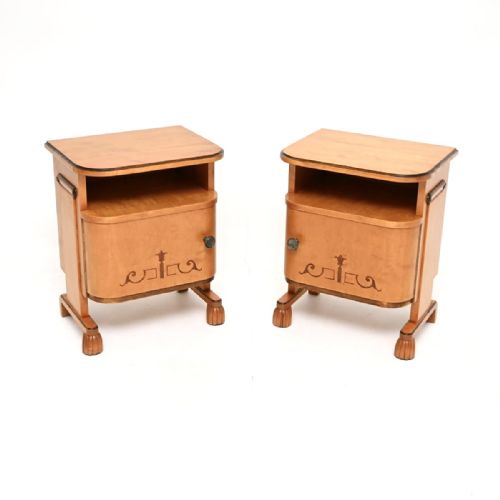
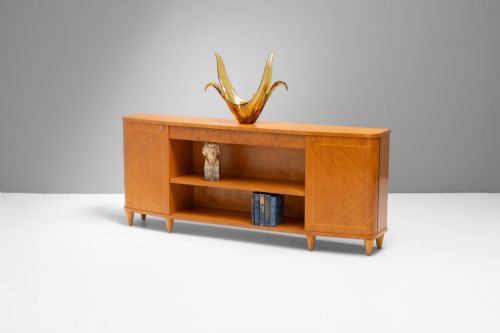
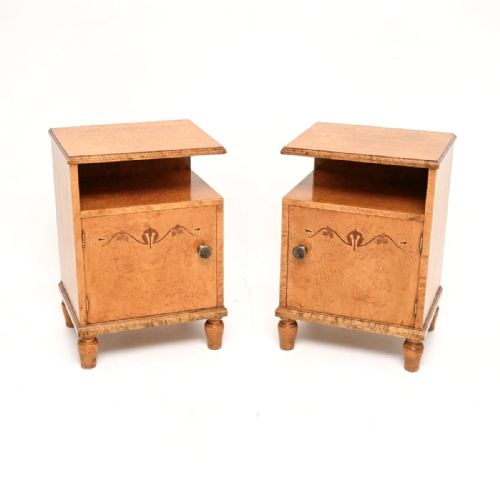
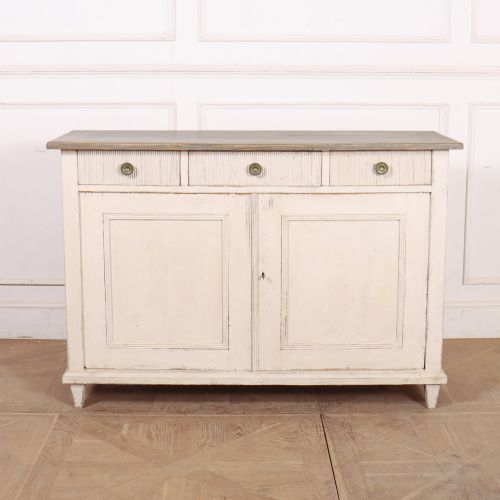
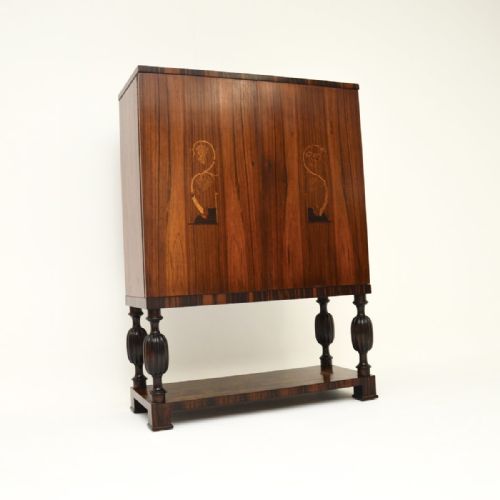
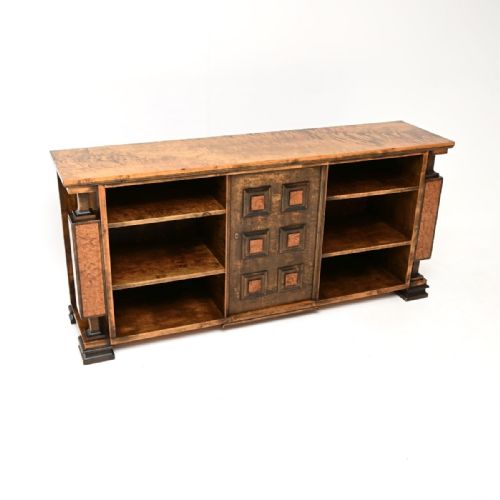
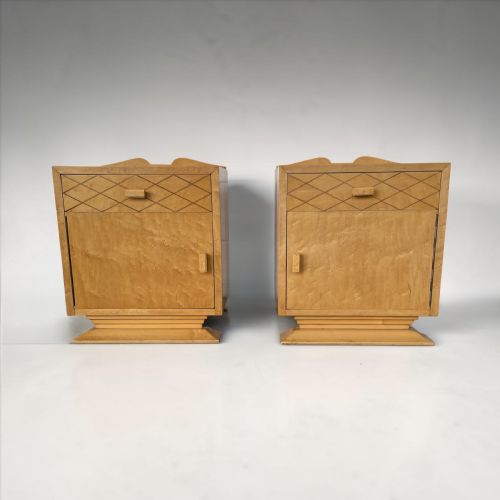
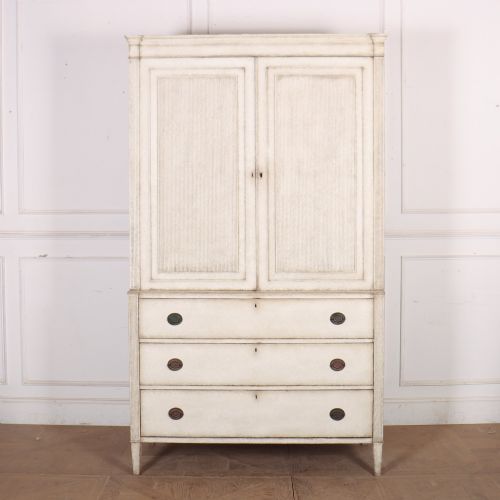
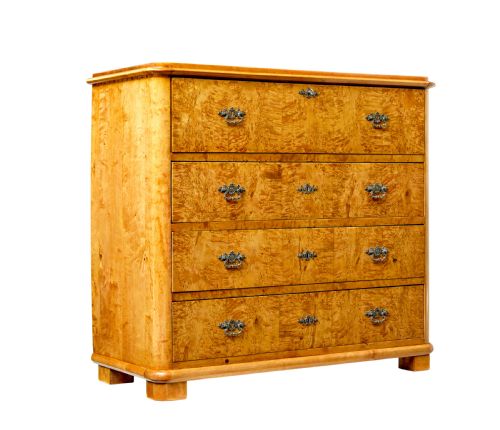
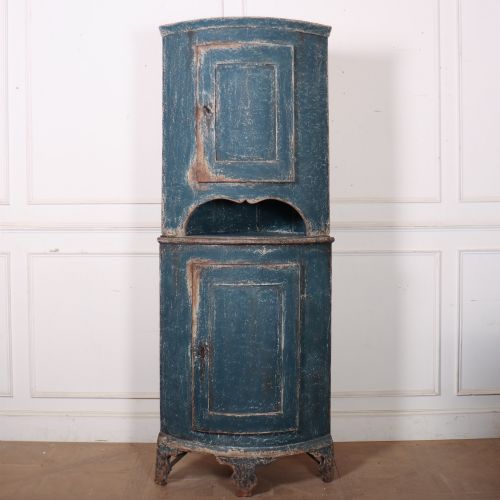
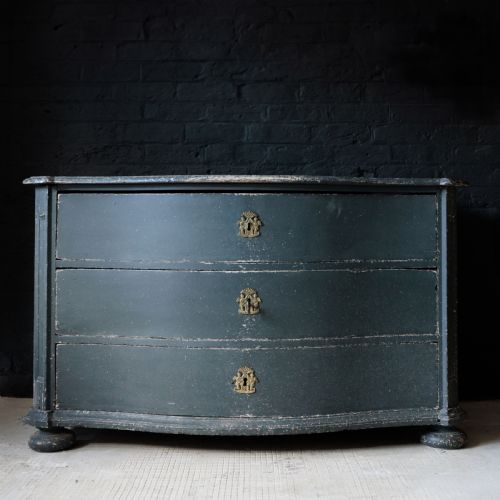
A swedish vintage cabinet encompasses practical storage furniture ranging from eighteenth-century corner cupboards and painted linen presses to twentieth-century satin birch sideboards. The selection here leans heavily towards nineteenth-century painted pine cupboards and bedside tables alongside twentieth-century Art Deco and Swedish Grace designs.
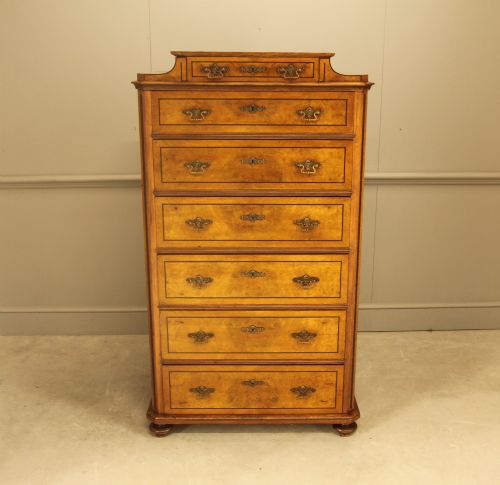
Buyers encounter diverse regional forms including wall cabinets, kitchen cupboards, and tall chests of drawers. These pieces reflect distinct periods from the eighteenth century through to the Art Deco era, incorporating styles such as Gustavian and Scandinavian country.
Materials and Construction
Cabinet makers utilised native softwoods like pine for everyday painted cupboards alongside decorative hardwoods including satin birch, burr walnut, curl mahogany, and rosewood for finer twentieth-century pieces. Surfaces were frequently painted, sometimes featuring ragwork finishes, while luxury examples displayed figured wood veneers and marble tops.
Hardware details incorporate brass and iron fixtures suited to the construction of doors, drawers, and drop-front secretaires. Joinery techniques supported both rustic utilitarian builds and refined cabinet making across different centuries.
Swedish Vintage Cabinet Retail Price Guide 2026
Typical asking prices for swedish vintage cabinet among the pieces listed under this phrase on Sellingantiques today, from the lower quarter to the upper quarter. They describe what is for sale here now, not the wider market.
Workbench listings prove that even nineteenth-century carpenters needed a sturdy place to plane their pine planks.
Craftsmanship and Finish
Quality separates pieces through the selection of timber veneers and the execution of painted surfaces. Superior items display carefully matched burr birch or walnut grains alongside well-preserved historical paintwork rather than generic modern coatings.
Proportion and structural integrity distinguish finer examples, particularly in how doors, drawers, and specialised fittings like secretaire compartments operate. The distinction lies in authentic period construction and the preservation of original decorative finishes.
Sandberg and Co·Otto Schulz for Boet
The Swedish Vintage Cabinet Glossary
- Gustavian
- The neoclassical Swedish style popular during the late eighteenth and early nineteenth centuries, characterised by restrained carving and light painted finishes. It draws inspiration from French Louis XVI design adjusted to Nordic proportions.
- Satin Birch
- A pale, highly figured hardwood often utilised in twentieth-century Scandinavian furniture to create luminous, reflective surfaces. It forms a distinct visual contrast against darker walnut or mahogany elements.
- Secretaire
- A cabinet or chest featuring a pull-down writing flap that conceals small drawers and pigeonholes. This hybrid form combined formal storage with a compact desk space.
- Ragwork
- A decorative paint technique where rags or cloths are used to manipulate wet glaze or paint, creating a textured, mottled surface. This finish appears frequently on nineteenth-century country pieces.
- Swedish Grace
- The refined neoclassical and early modern design movement bridging the gap between traditional Nordic styles and 1930s Art Deco. It emphasises clean lines and subtle geometric ornamentation.
Swedish Vintage Cabinet: Frequently Asked Questions
How do I identify a Gustavian cabinet?
Gustavian pieces typically display neoclassical motifs such as fluted columns, urns, and subtle floral carvings executed within lighter painted colour palettes.
They originate primarily from the late eighteenth to early nineteenth centuries and maintain balanced, symmetrical proportions.
What is the difference between pine and birch cabinets?
Pine served as the primary material for rustic, painted country furniture intended for everyday household storage and utility.
Birch, particularly burr or satin varieties, was reserved for finer twentieth-century pieces that showcased natural wood grain and polished surfaces.
Are these cabinets suitable for modern kitchens?
Vintage linen cupboards and kitchen cabinets provide substantial vertical storage that adapts well to contemporary dining spaces or living rooms.
Their varied depths and internal shelving accommodate modern tableware and dry goods while adding historical texture.
How should I care for painted antique surfaces?
Painted Swedish furniture requires gentle dusting with a dry microfibre cloth to protect historical layers from moisture and abrasion.
Avoid chemical polishes and keep pieces away from direct heat sources to prevent the wood beneath from shifting.