




Swedish Two Door Cabinet
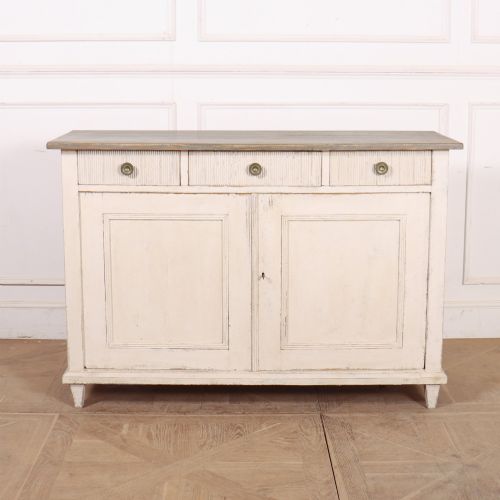
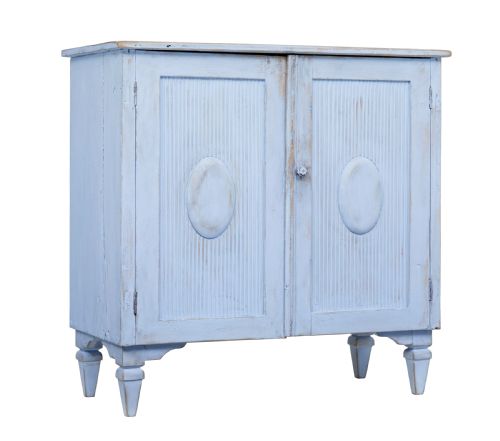
A swedish two door cabinet brings architectural presence and versatile storage to a room, rooted in the traditions of northern European craftsmanship.
Swedish Two Door Cabinet
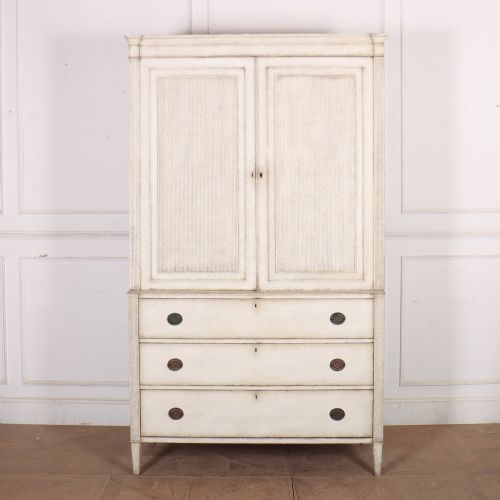
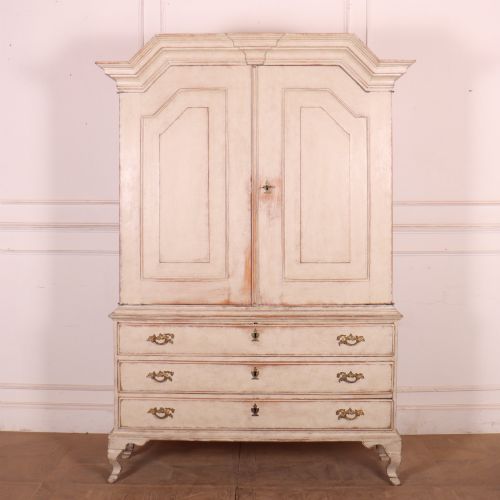
A swedish two door cabinet covers a range of storage furniture spanning the eighteenth and nineteenth centuries, alongside revival pieces and regional variants. You will frequently encounter painted pine cupboards and birch sideboards bearing the hallmarks of Scandinavian country and Gustavian design.
These items serve practical storage needs while anchoring a room with distinct proportions and painted or polished timber surfaces. The selection leans heavily towards nineteenth century painted pine pieces and eighteenth century linen cupboards.
Forms extend from tall wardrobes and hall cupboards to low buffets and fitted cupboards. Each piece reflects the domestic requirements of its period, balancing enclosed shelving with regional decorative styles.
How they were made
Makers utilised solid pine and birch, frequently applying layered paint finishes or working with figured veneers such as birds eye maple. Structural integrity relied on traditional joinery methods suited to softwood and hardwood construction.
Iron and brass hardware, including hinges and escutcheons, functionalised the doors and drawers of these storage pieces. Painted surfaces often underwent multiple applications, sometimes developing a weathered patina over time.
The listings span the eighteenth century, the Georgian era, the nineteenth century, eighteen ninety, and nineteen thirty.
What varies in quality
Distinction across the range lies in the integrity of the original construction, the handling of timber, and the preservation of early painted surfaces. Pieces retaining their primary finish and period brass or iron fittings command greater interest.
Proportion and decorative restraint also separate standard utility items from sophisticated examples, such as a bleached birds eye maple revival cupboard or an eighteenth century Gustavian linen cupboard.
The Swedish Two Door Cabinet Glossary
- Gustavian
- The Swedish neoclassical style spanning the late eighteenth and early nineteenth centuries, characterised by restrained carving, fluted columns, and pale painted finishes.
- Birch
- A dense hardwood native to northern Europe, utilised for its pale tone and smooth grain in both solid forms and veneered surfaces.
- Pine
- A softwood commonly employed in Scandinavian vernacular furniture, serving as the primary substrate for traditional painted finishes.
- Buffet
- A low sideboard or storage piece designed for dining rooms or halls, combining surface display space with lower cabinet storage.
- Linen cupboard
- A tall storage piece traditionally designated for household textiles, typically fitted with interior shelving behind double doors.
Swedish Two Door Cabinet: Frequently Asked Questions
What is a swedish two door cabinet used for?
These cabinets provide deep interior shelving for storing household items, clothing, or tableware while acting as a prominent focal point in a hallway, dining room, or bedroom.
Their enclosed design keeps contents dust-free while concealing everyday clutter behind panelled doors.
How do I date a swedish two door cabinet?
Dating relies on examining the construction methods, timber selection, and stylistic vocabulary, such as eighteenth-century Gustavian proportions versus nineteenth-century rustic pine.
Original paint layers, hardware types, and nail construction further help place a piece within the eighteenth, nineteenth, or early twentieth century.
Are these cabinets made of solid wood?
Most pieces utilise solid pine or birch construction, though certain revival examples incorporate birch or birds eye maple veneers over a secondary wood core.
Solid timber construction allowed rural makers to shape panels and mouldings that withstood seasonal temperature shifts.
How do I care for a painted cabinet?
Maintain painted pine and birch surfaces by dusting gently with a dry cloth and avoiding harsh chemical cleaners that might lift historic paint layers.
Keep the furniture away from direct heat sources and strong sunlight to protect the timber and stabilise the painted finish.