

Swedish Rustic Antiques
These pieces of swedish rustic antiques bring utilitarian pine and folk-painted surfaces into modern rooms.
Swedish Rustic Antiques
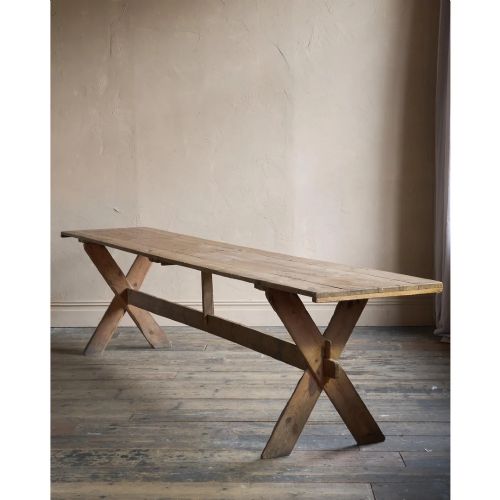
When you search for swedish rustic antiques, you encounter domestic items built from solid timber for everyday use in rural homes. These objects span several centuries, with the nineteenth century providing the majority of survivors alongside notable eighteenth-century examples.
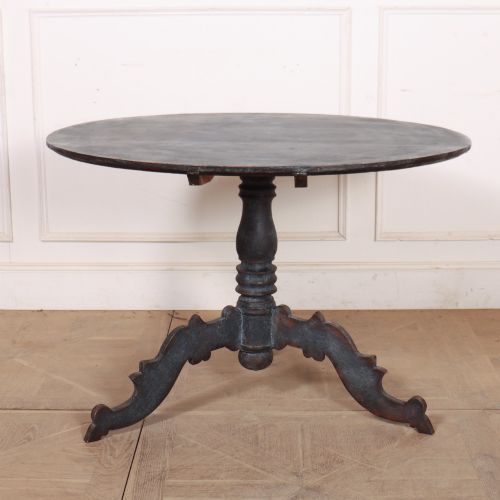
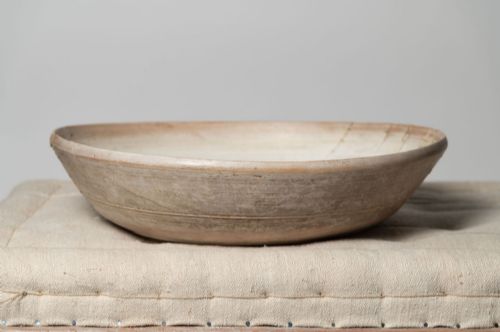
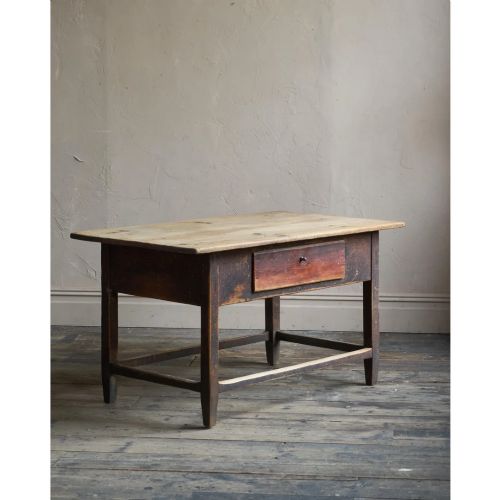
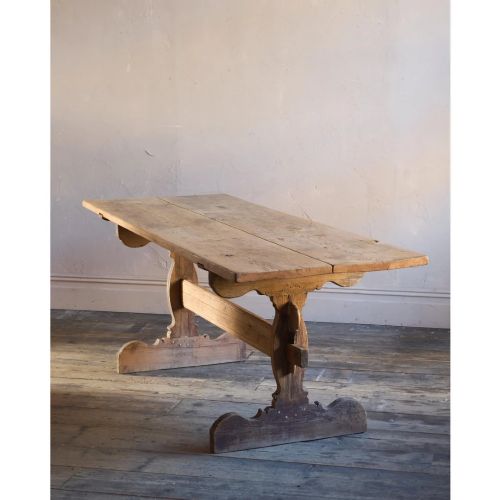
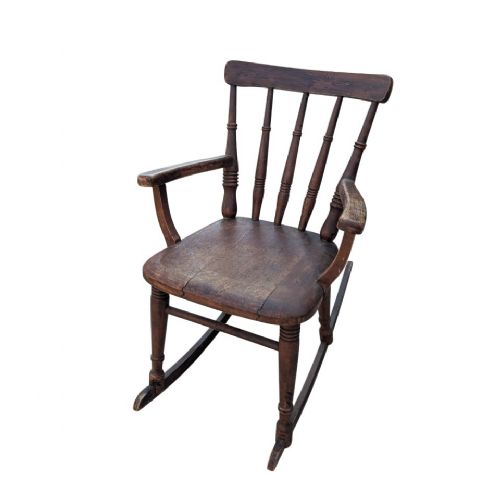
The pieces on this page lean heavily toward practical furniture and household containers. You find dining tables, storage chests, painted cupboards, and small folk art objects shaped by local craft traditions.
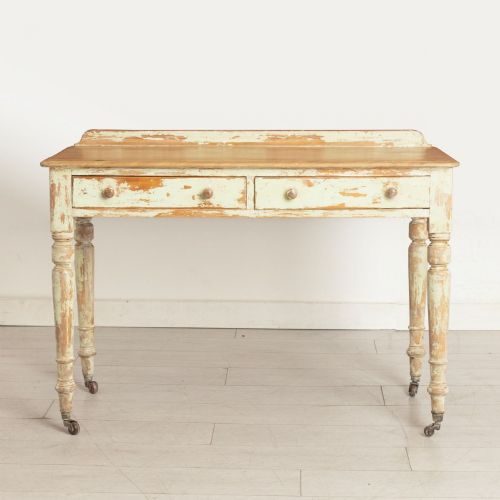
Pine is the predominant wood, frequently enhanced with painted finishes or traditional pigments like Falu red. The aesthetic combines plain utilitarian construction with regional decorative arts.
How they were made
Makers relied on native softwoods, primarily pine and birch, supplemented by hardwoods like oak for structural strength. Joinery was straightforward and robust, designed to withstand daily agricultural life without complex machinery.
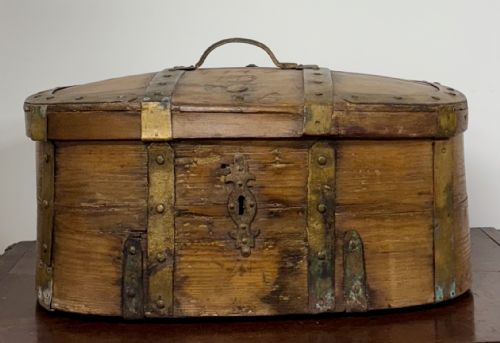
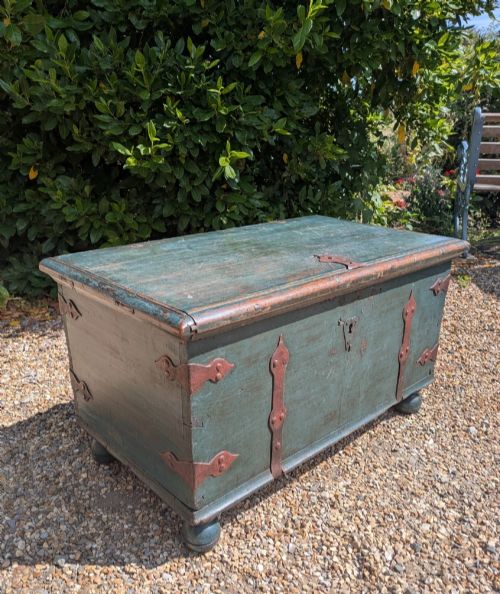
Iron hardware played a crucial role in both function and decoration. Blacksmiths produced hand-forged iron strapwork, hinges, and braces that reinforced chests, trunks, and doors.
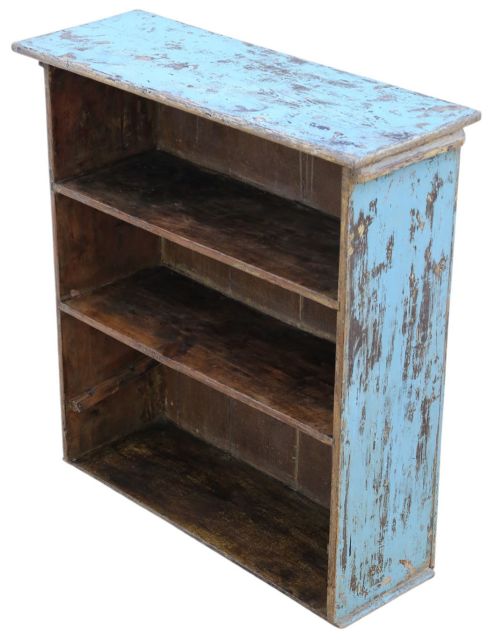
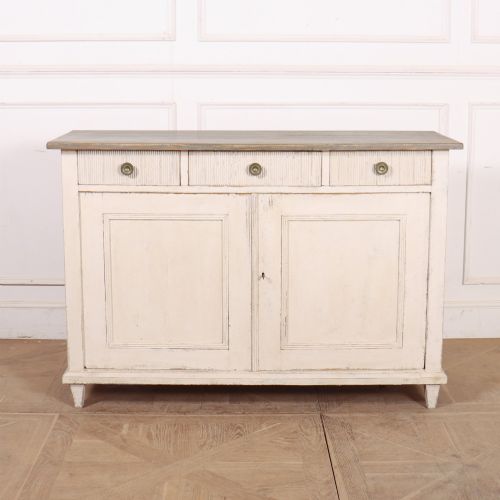
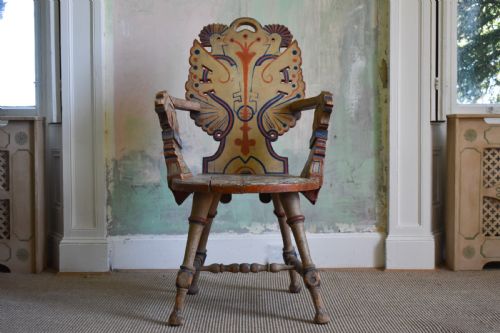
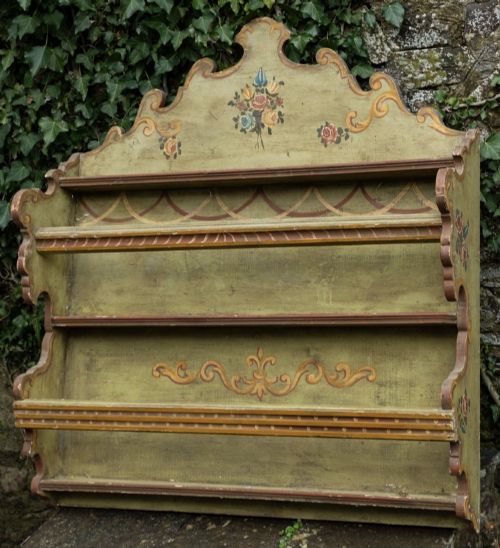
Surfaces received protective and decorative treatments using traditional paints and pigments. Hand-painted motifs, folk art designs, and distinct colour washes defined cabinets, boxes, and wall shelves.
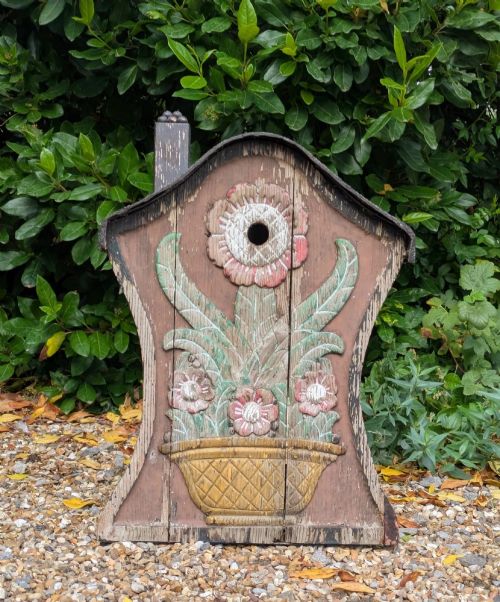
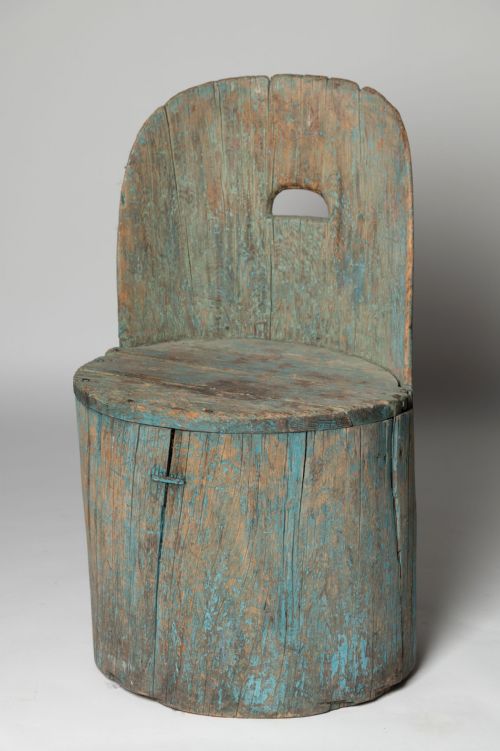
Bird boxes and carved dugout chairs reveal how rural makers brought whimsical animal forms directly into everyday domestic seating and storage.
What varies in quality
The standard of these items rests largely on the preservation of original surfaces and paint layers. Pieces retaining their initial pigment without heavy modern intervention command greater interest from collectors.
Construction details distinguish routine domestic items from finer examples of folk craftsmanship. Well-proportioned tables, crisp hand-carved details, and original forged ironwork elevate an object above standard utilitarian output.
The Swedish Rustic Antiques Glossary
- Pine
- A softwood widely utilised across Scandinavian furniture and household goods for its accessibility and workability. It forms the primary structural material for the tables, chests, and cupboards found here.
- Falu Paint
- A traditional Swedish paint derived from copper mine waste, producing a deep reddish hue. It was applied to exterior and interior timber surfaces for preservation.
- Slagbord
- A traditional Scandinavian dropleaf table supported by swinging wooden gates or legs. This form provided flexible dining space in rural kitchens.
- Dough Bin
- A deep wooden container used historically for kneading bread dough prior to baking. Many survive as versatile storage furniture.
- Strapwork
- Decorative or reinforcing bands of wrought iron fastened across wooden chests and doors. Hand-forged examples demonstrate the work of local blacksmiths.
Swedish Rustic Antiques: Frequently Asked Questions
What defines swedish rustic antiques?
These items are domestic furnishings and utilitarian objects created in rural Scandinavia from local timber, mostly during the eighteenth and nineteenth centuries.
They combine straightforward joinery with traditional painted finishes, reflecting practical rural living and regional folk art traditions.
How were these pieces used originally?
Rural households used these objects for daily storage, food preparation, and dining. Large chests held textiles, while cupboards and bins stored provisions.
Tables accommodated family meals, and smaller boxes kept personal belongings or valuables secure in the home.
How do I live with swedish rustic antiques?
These pieces integrate easily into contemporary interiors by adding warmth and texture through natural wood and muted painted surfaces. Use pine tables for daily dining or place painted cupboards in living spaces for storage.
Their restrained forms complement minimalist or eclectic design schemes without overwhelming a room.
How do I identify eighteenth-century pieces?
Eighteenth-century examples often display earlier construction methods, distinct patination on the pine, and specific traditional pigment layers.
Examining the joinery and ironwork helps distinguish these older items from nineteenth-century revivals or later farmhouse reproductions.