

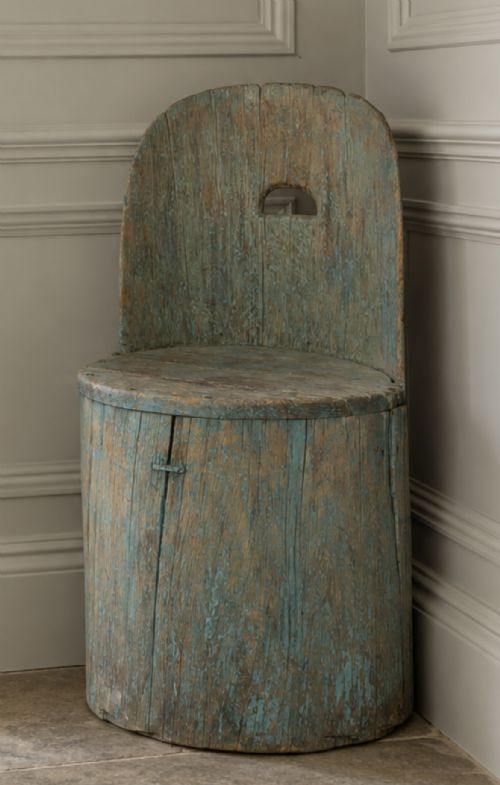


Swedish Pine Trunk
A Swedish pine trunk brings practical storage and regional folk art into a room with its painted surfaces and solid timber construction.
Swedish Pine Trunk
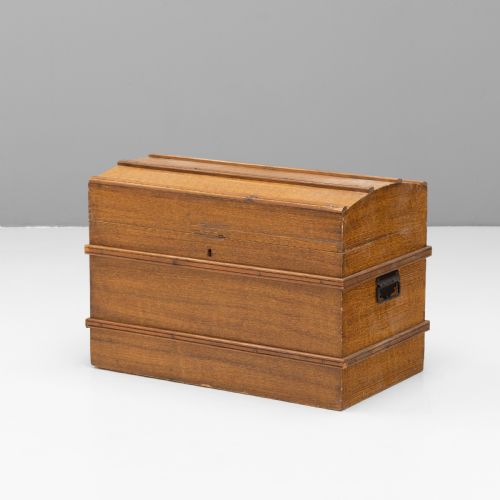
A Swedish pine trunk provides utilitarian storage through pieces made across the eighteenth and nineteenth centuries, taking forms such as dome top coffers, marriage chests, and strong boxes. These storage items originate from Scandinavian country and folk art traditions, reflecting rural domestic life.
The selection on this page centres primarily on nineteenth-century examples alongside mid-eighteenth-century pieces, spanning blanket boxes, log bins, and shaped boxes on stands. Each object served a domestic purpose for holding textiles, valuables, or household goods in northern European homes.
How They Were Made
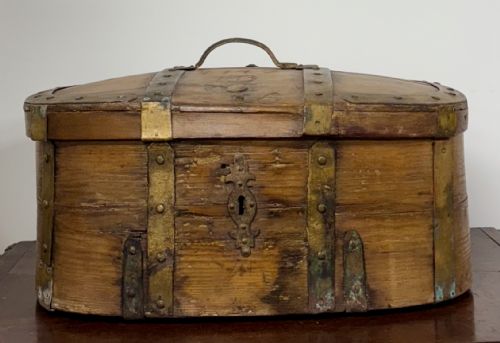
Constructed predominantly from local pine timber, these pieces utilise softwood boards joined to form sturdy box bodies and lids. Craftsmen shaped these storage units using basic joinery, sometimes creating dugout forms or utilising woven pine techniques.
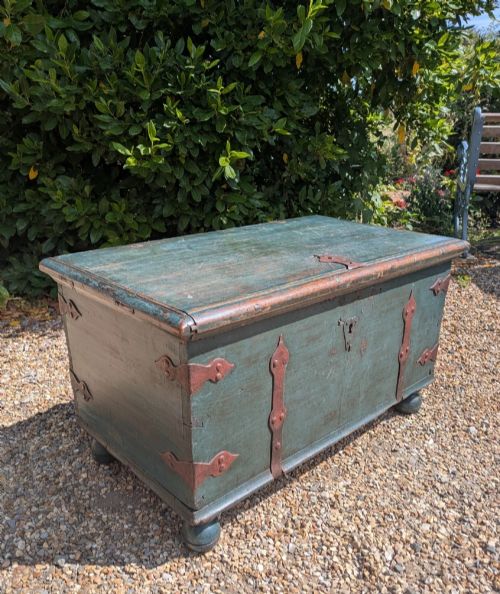
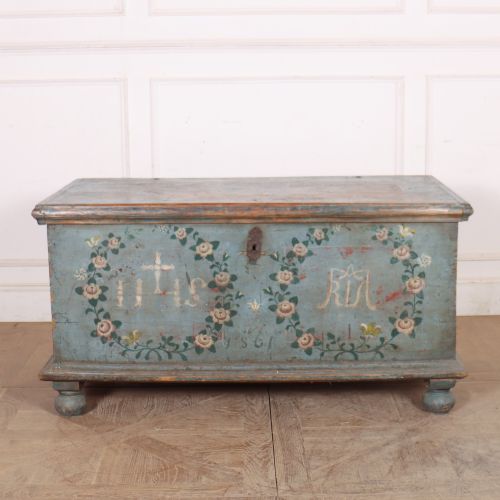
Surfaces were frequently finished with pigment and paint, ranging from green finishes to detailed folk art decoration. Iron, wrought iron, and brass hardware including hand-forged strapwork and metal binding reinforced the corners and lids while adding functional security.
Swedish Pine Trunk Retail Price Guide 2026
Typical asking prices for swedish pine trunk among the pieces listed under this phrase on Sellingantiques today, from the lower quarter to the upper quarter. They describe what is for sale here now, not the wider market.
Some eighteenth-century pine chests feature painted labyrinth patterns intended to confuse wandering spirits.
What Varies in Quality
The standard of a piece depends heavily on the preservation of its original painted surface and pigment, where untouched folk art decoration elevates the visual impact. The complexity of the ironwork, such as hand-forged strapwork and robust metal binding, also distinguishes finer examples from simpler utility boxes.
Proportion and form contribute to distinction, with shaped strong boxes, dome top coffers, and pieces featuring specific regional motifs like labyrinths showing greater joinery skill. The integrity of the pine timber throughout the structure marks the distinction between ordinary containers and notable folk art objects.
The Swedish Pine Trunk Glossary
- Coffer
- A heavy wooden chest traditionally used for storing valuables and personal belongings. These lidded storage pieces often feature reinforced iron strapwork.
- Marriage chest
- A commissioned storage box given to celebrate a wedding, frequently decorated with specific dates, initials, or folk art motifs.
- Strong box
- A secure chest or box constructed with thick pine and reinforced with iron bindings or metal straps to protect contents.
- Strapwork
- Ornamental bands of iron applied across the exterior of a chest to strengthen the joints and protect the wood.
- Folk art
- Decorative painting and design traditions created by rural artisans rather than formal academic workshops.
Swedish Pine Trunk: Frequently Asked Questions
What did they store inside?
These chests and boxes held household textiles, blankets, clothing, and valuable personal belongings in traditional homes. Marriage chests specifically stored the bride's dowry items and linens.
Smaller strong boxes protected currency, documents, and precious small objects. Log bins and coffers kept firewood and household supplies close to the hearth.
How do I clean the painted finish?
Dust the surface gently with a soft, dry cloth to remove loose particles without disturbing the historic pigment. Avoid using liquid cleaners, detergents, or modern polishes that can damage fragile nineteenth-century paint.
Keep the timber away from direct sunlight and excessive heat sources to prevent the pine from drying out and the paint from flaking.
Are the iron fittings original?
Many pieces retain their hand-forged iron strapwork, hinges, and metal binding applied during construction. Close inspection reveals hand-hammered marks that distinguish authentic period blacksmith work from later replacements.
Hardware naturally acquires a dark surface patina over time through handling and exposure to the atmosphere.
How do I date a painted chest?
Dating relies on combining the construction methods, the type of pine timber, and the style of the painted pigment decoration. Some pieces feature painted dates or initials left by the original maker or owner.
Tool marks from hand-working the wood and the specific regional folk art motifs help place the object within the eighteenth or nineteenth century.