


Swedish Painted Storage Cupboard
A swedish painted storage cupboard brings functional rustic charm and practical utility to any room through centuries of traditional craftsmanship.
Swedish Painted Storage Cupboard
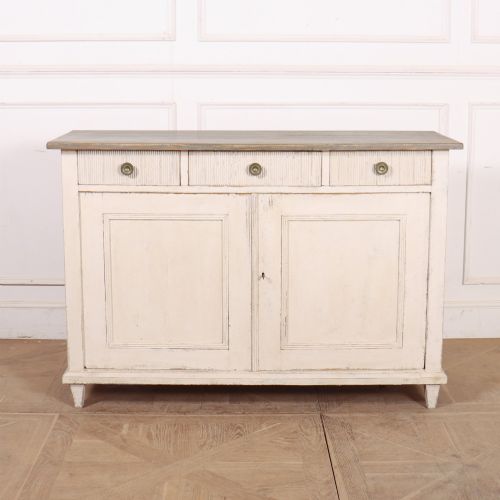
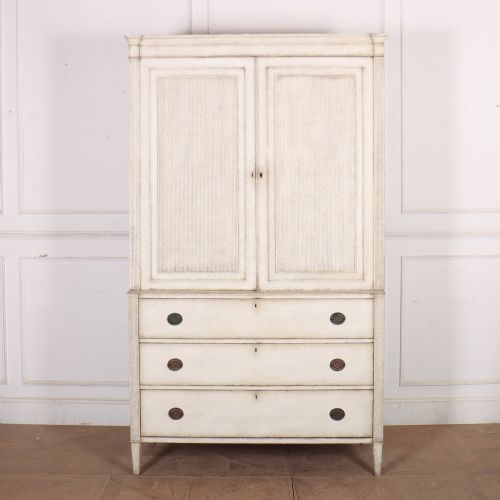
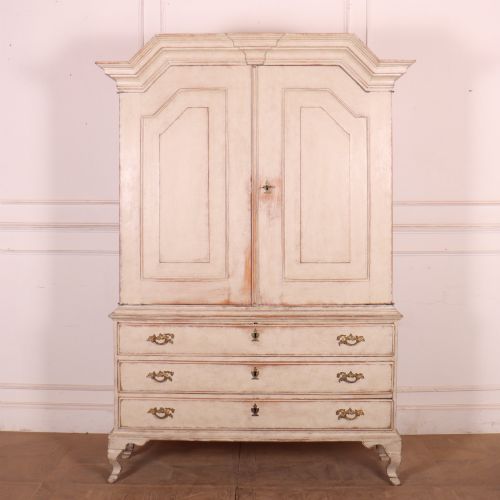
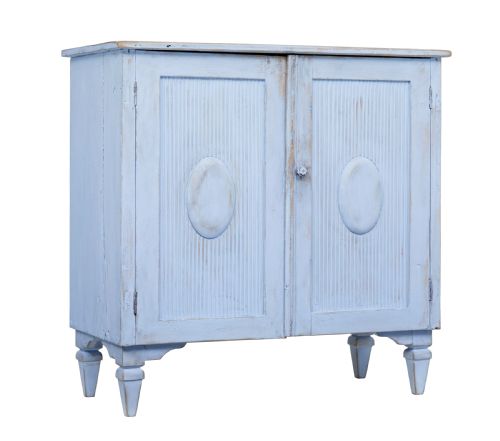
A swedish painted storage cupboard is a sturdy domestic piece designed to hold household goods, linens, and provisions. These items originate primarily from the eighteenth and nineteenth centuries, reflecting long-standing Scandinavian domestic traditions.
The version most commonly met on this page is the pine linen cupboard or general cabinet. These pieces frequently exhibit single or double doors, standing configurations, and wall-mounted variants tailored for rural and provincial interiors.
Makers produced these functional items using local timber and traditional construction methods. They served central storage roles in farmhouses and provincial homes before entering the antique market.
How they were made
Carpenters constructed these cupboards predominantly from native pine and softwood timber. Structural joinery relied on traditional carpentry techniques to ensure durability for heavy daily domestic use.
Surfaces received layers of paint, often utilising mineral pigments, or decorative finishes such as ragwork. Iron and brass hardware, including hinges and latches, completed the assembly of these functional pieces.
Ragwork paint finishes reveal the cheerful resourcefulness of nineteenth-century painters using simple cloths to mimic grander stones and grains.
What varies in quality
Quality in a swedish painted storage cupboard depends on the originality of the surface finish and the integrity of the timber. Pieces retaining their scraped or early paint layers demonstrate greater historical authenticity.
Construction nuance also distinguishes examples, from simple rustic folk art execution to more refined Gustavian proportions. The harmony between the original paintwork and the underlying pine structure dictates the standing of each piece.
The Swedish Painted Storage Cupboard Glossary
- Gustavian
- A neoclassical Swedish design style spanning the late eighteenth and early nineteenth centuries. It combines French influence with simpler Scandinavian restraint.
- Ragwork
- A decorative paint technique where rags or cloths create textured patterns on the surface. This finish appears frequently on nineteenth-century pine furniture.
- Pine softwood
- A resilient timber native to northern forests used extensively for carcass construction. It accepts paint readily and forms the basis of most provincial storage pieces.
- Armoire
- A large standing wardrobe or cupboard used primarily for hanging or folding garments. These pieces provide substantial vertical storage capacity.
- Linen cupboard
- A specialised storage piece designed specifically to store household textiles and bedding. These often feature internal shelving to keep fabrics organised.
Swedish Painted Storage Cupboard: Frequently Asked Questions
How were these cupboards used?
These cupboards served essential storage functions in historical homes, holding household linens, garments, and daily provisions.
Families relied on them to keep textiles clean and domestic goods organised within rural and provincial living spaces.
What wood was used?
Carpenters primarily utilised native pine and softwood timber for building these pieces.
This material was locally abundant, easy to work with, and provided a stable base for the traditional painted finishes.
How do I identify periods?
Dating relies on stylistic clues, construction methods, and the characteristics of the paint layers.
Eighteenth-century examples often show different proportions and pigment handling compared to nineteenth-century folk art or Gustavian pieces.