
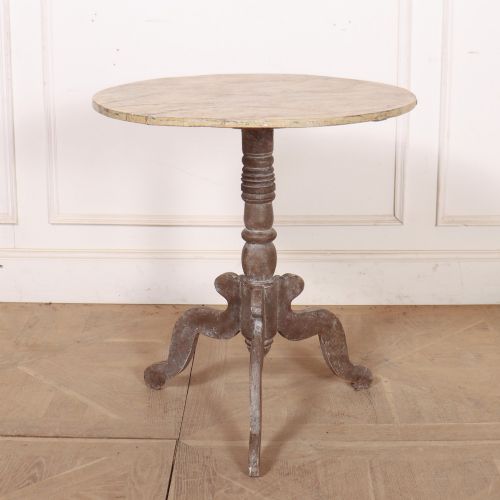
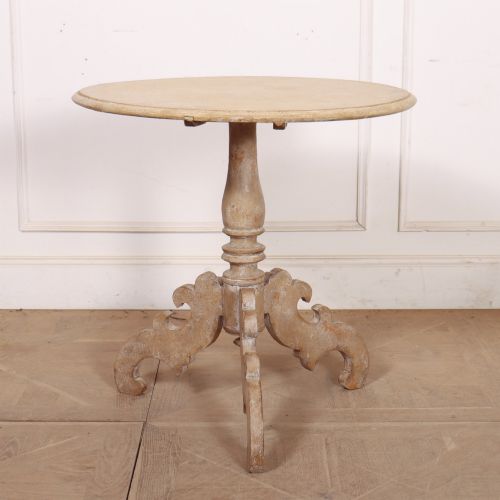
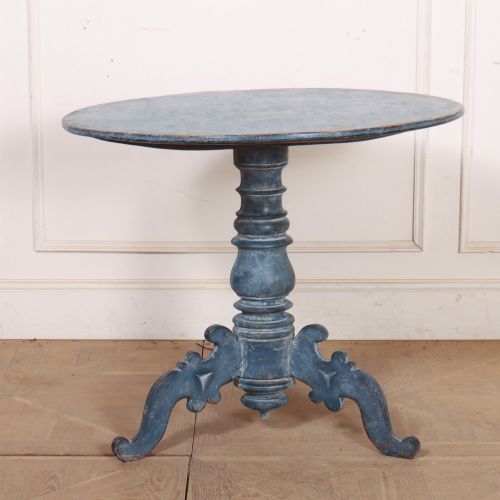
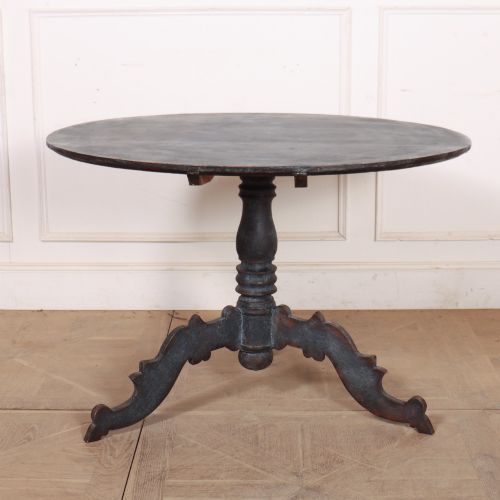
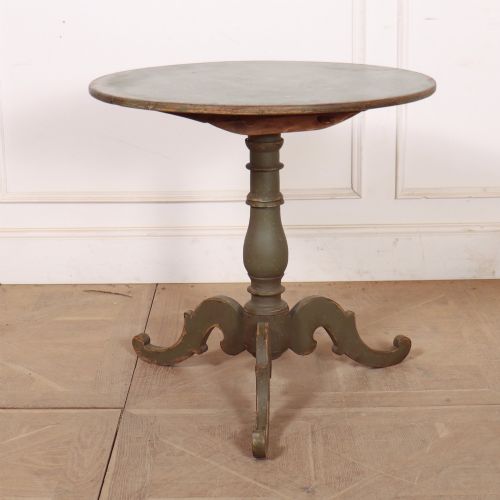


Swedish Painted Pedestal Table
A swedish painted pedestal table brings versatile neoclassical charm and light pine or birch construction into any interior.
Swedish Painted Pedestal Table
A swedish painted pedestal table takes many functional forms, appearing across this selection as lamp tables, supper tables, centre tables, and dressing tables. Most examples date from the 19th Century, capturing the aesthetic of Swedish Country, Scandinavian Country, and Swedish Neoclassical styles.
Buyers seeking a swedish painted pedestal table will frequently encounter pieces designed for versatile placement as occasional stands or bedside cabinets. These furniture items demonstrate the enduring regional preference for elevated central supports combined with painted surfaces.
The objects listed range from simple tripod lamp tables to grander garden pieces incorporating stone and iron. Each variation reflects the distinct design vocabulary of nineteenth-century Scandinavian cabinetmakers.
Materials and Construction
Carpenters constructed these tables primarily using softwood, pine, and birch, occasionally incorporating mahogany for specific components. Iron and cast iron appear in structural or garden contexts, sometimes paired with stone tops.
Makers applied decorative paint finishes directly to the wooden substrates, creating the characteristic surfaces seen on surviving pieces. Brass details sometimes complete the decorative scheme on neoclassical examples.
One robust garden table abandons delicate woodwork entirely, combining cold stone and heavy iron to brave the Nordic weather.
Assessing Quality
Quality rests significantly on the preservation of original decorative paintwork rather than a modern recoat. Pieces retaining their historical surface texture demonstrate superior craftsmanship and historical integrity.
The sophistication of the design distinguishes standard country utilitarian items from refined neoclassical pieces. Structural stability in the central pedestal and tripod base further separates better-executed furniture from simpler utilitarian examples.
The Swedish Painted Pedestal Table Glossary
- Pedestal table
- A table supported by a single central column or pillar rather than four corner legs. This form allows maximum legroom and creates a balanced silhouette.
- Neoclassical
- A style drawing on classical antiquity that influenced Swedish design during the 19th Century. It emphasises symmetry, proportion, and restrained ornamentation.
- Tripod base
- A three-legged support structure commonly found beneath the central pillar of smaller lamp and occasional tables. It provides stable footing on uneven floors.
- Softwood
- Timber derived from conifers, such as pine and birch, which served as the primary material for painted Scandinavian furniture. It offered a lightweight and accessible medium for local joiners.
Swedish Painted Pedestal Table: Frequently Asked Questions
What rooms suit a Swedish painted pedestal table?
These tables adapt well to living rooms, hallways, and bedrooms when utilised as lamp stands or bedside cabinets. Their compact footprints allow them to fit easily beside seating or against walls.
The neutral or painted tones typical of Scandinavian pieces complement both traditional and contemporary interior colour palettes without overwhelming the space.
How do I identify a 19th century Swedish table?
Look for construction markers typical of the period, such as regional pine or birch timbers and traditional joinery methods. Stylistic cues often point to Swedish Neoclassical or country designs.
Original decorative paintwork also provides a strong chronological indicator, showing age-related wear patterns consistent with nineteenth-century usage.
Were these tables used for dining?
While the inventory includes designated supper tables and centre tables, pedestal designs generally served for specific decorative or functional tasks rather than large banquets. Smaller versions functioned as lamp or occasional tables.
Larger centre tables accommodated general display and social activities in the home rather than formal family meals.
How should I care for painted wooden surfaces?
Maintain the finish by dusting gently with a dry or slightly damp cloth, avoiding harsh chemical cleaners that might strip the historic paint. Keep the wood away from direct heat sources and strong sunlight to prevent warping or fading.
Wax can sometimes be applied if the specific finish allows, but untreated or delicate decorative paint requires a cautious approach.