

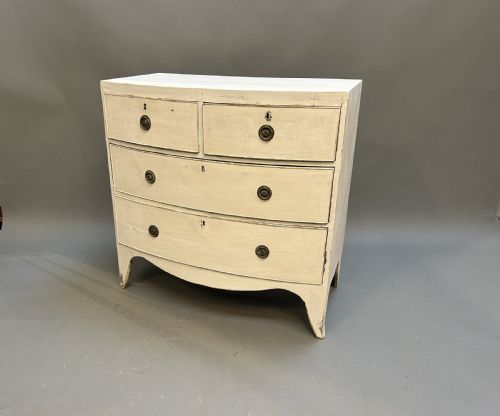
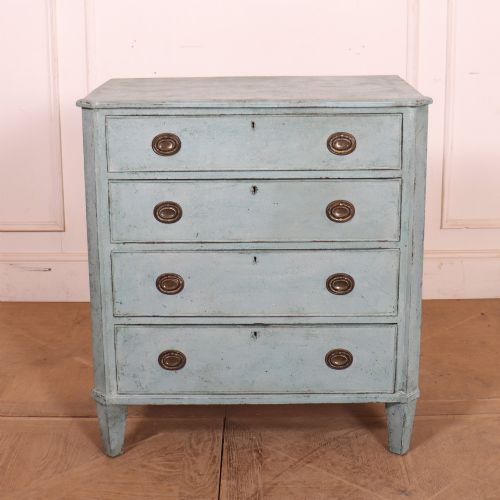
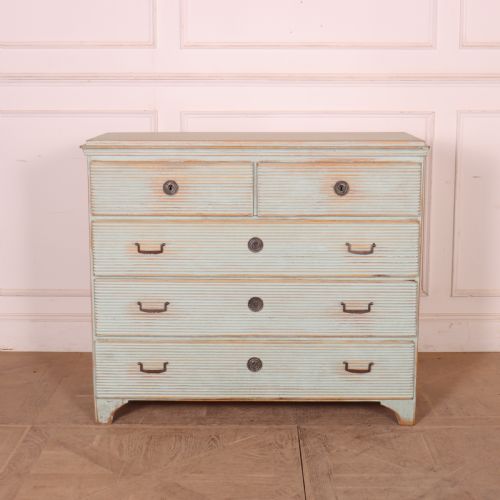


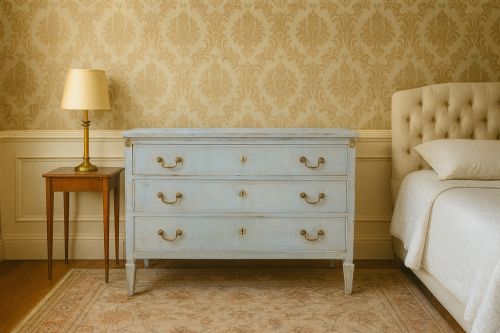


Swedish Painted Chest Drawers
These Swedish painted chest drawers bring sculptural neoclassical lines and soft historic colour palettes directly into modern interiors.
Swedish Painted Chest Drawers
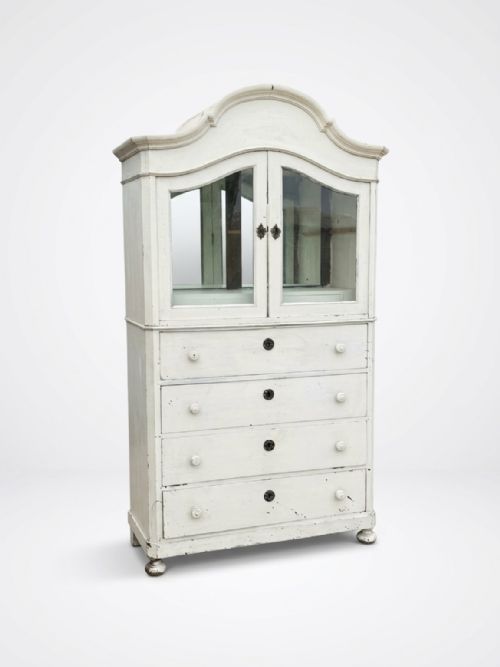
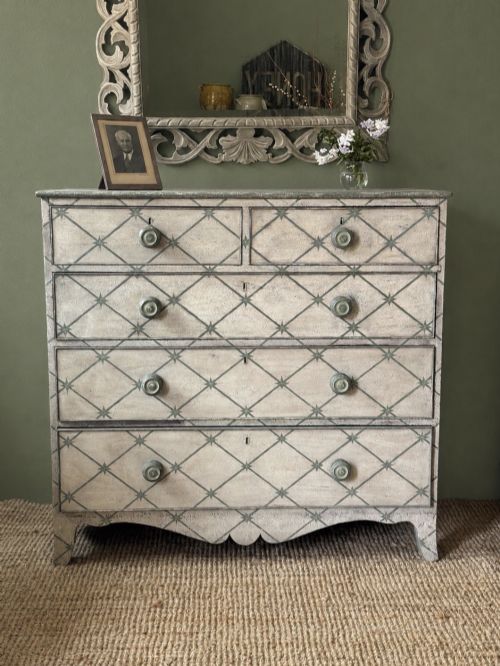
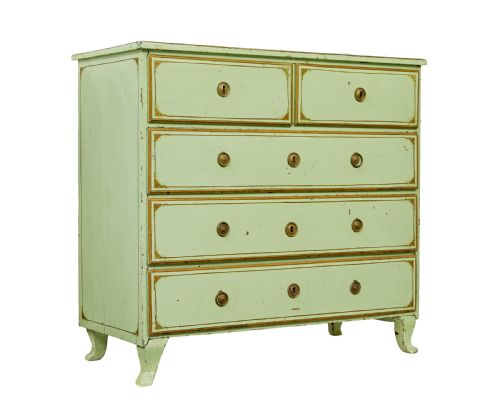
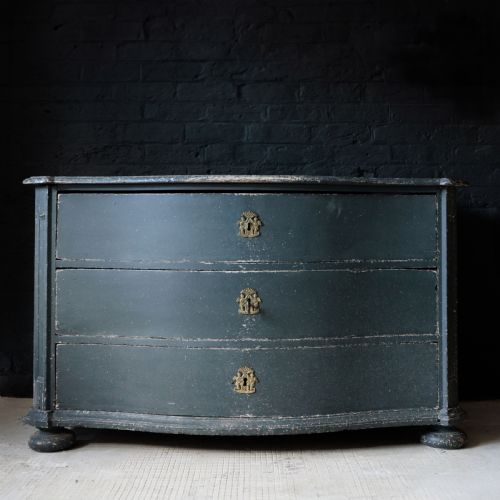
A Swedish painted chest drawers search reveals case pieces built primarily from pine and oak, taking forms such as serpentine commodes, flat-fronted chests, and multi-drawer cabinets. The nineteenth century yields the highest volume of surviving examples on this page, often showing Gustavian influence, fluted drawer fronts, or simple country construction.
Earlier eighteenth-century pieces appear with robust baroque or neoclassical silhouettes, while later interpretations stretch into the twentieth century with simulated birch finishes. Buyers encounter both single items and matched pairs, frequently finished in original paint or historic grey and white schemes.
Materials and construction methods
Makers relied on native softwoods and hardwoods, predominantly pine and oak, joined with traditional carpentry methods to build stable carcasses for daily utility. Surfaces received multiple coats of lead- or oil-based paint, sometimes hand-painted or layered to mimic costlier materials like marble and birch.
Hardware details incorporate brass and iron for drawer pulls, escutcheons, and structural reinforcement. Select pieces incorporate stone elements, utilising marble for stepped tops.
Some chests hide simulated birch graining painted by Swedish artisans to outsmart tax laws on imported exotic timber.
Assessing quality in painted case pieces
Quality rests in the harmony of proportion, the integrity of the structural timber, and the survival of the original painted surface finish. Pieces displaying crisp carving on serpentine fronts or fluted drawer details demonstrate superior joinery and design execution.
The character of the paint layer dictates much of the desirability, with untouched historic pigment holding more visual depth than later redecorations. Iron and brass fittings appropriate to the period further distinguish workshop standards.
GEMLA FABRIKERS
The Swedish Painted Chest Drawers Glossary
- Gustavian
- The Swedish neoclassical style spanning the late eighteenth and early nineteenth centuries, characterised by restrained symmetry and classical motifs. It draws inspiration from French Louis XVI design adapted to Nordic tastes.
- Commode
- A low chest of drawers or cabinet standing on legs, originating in France but widely adopted across Sweden. These pieces often feature serpentine fronts.
- Serpentine
- A furniture front curving outward at the centre and inward at the sides, creating a wave-like contour. This shape demands advanced woodworking skill.
- Faux finish
- A decorative paint technique mimicking materials like marble, exotic woods, or birch. Artisans applied these finishes to elevate simpler pine carcasses.
- Escutcheon
- A protective plate surrounding a keyhole, usually fashioned from brass or iron. They serve both a functional purpose and a decorative role on drawer faces.
Swedish Painted Chest Drawers: Frequently Asked Questions
How do I clean a painted wooden surface?
Dust gently with a dry, soft cloth to prevent surface scratching. Avoid chemical solvents and wet wiping that could compromise historic pigment layers.
Apply a microcrystalline wax sparingly if the painted wood requires protection. Regular maintenance preserves the integrity of the original finish.
Are these chests suitable for bedroom storage?
These pieces provide deep drawer capacity suited for garments and linens. Their historic scale fits domestic bedroom layouts effectively.
Ensure drawers slide smoothly on traditional wooden runners before loading them. Lining interiors with acid-free paper protects textiles from raw timber.
How can I date an antique painted chest?
Examine the construction methods visible inside the drawers and carcass backs. Hand-cut dovetails and pit-saw marks point toward earlier eighteenth and nineteenth-century origins.
Paint analysis and hardware styles offer further chronological clues. Original forged iron and cast brass fittings align with specific manufacturing decades.