


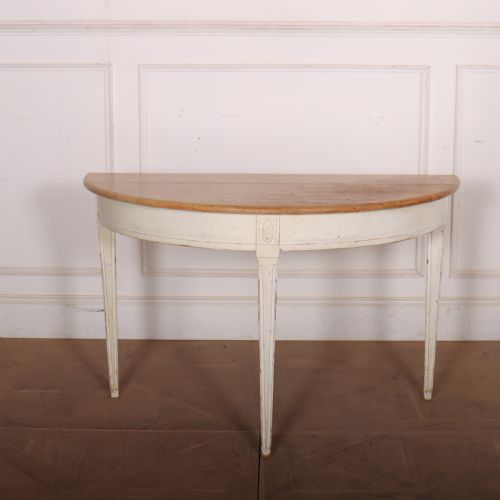

Swedish Gustavian Tables
Swedish gustavian tables bring restrained neoclassical elegance and pale painted finishes to the home, offering functional surfaces rooted in Scandinavian design history.
Swedish Gustavian Tables
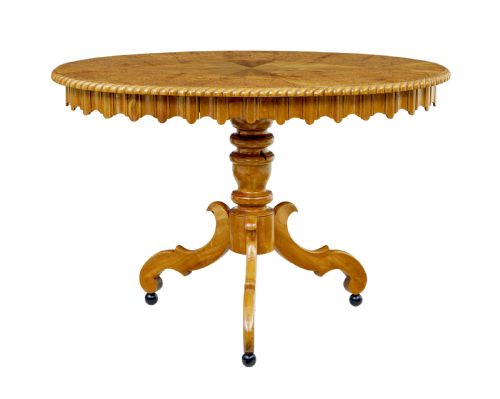
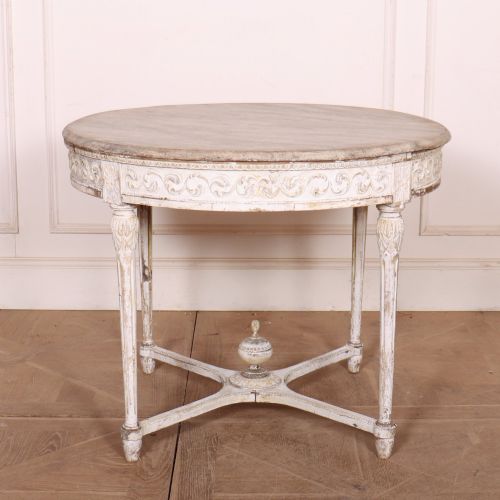
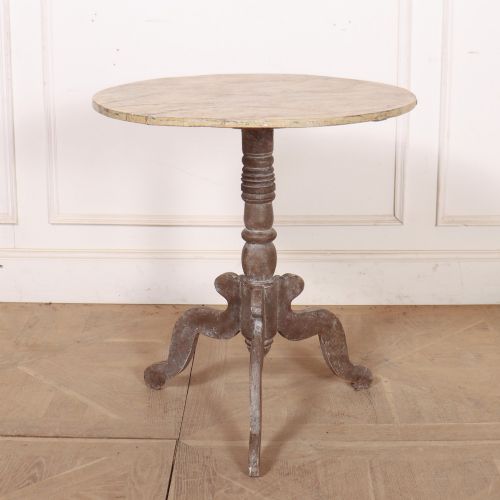
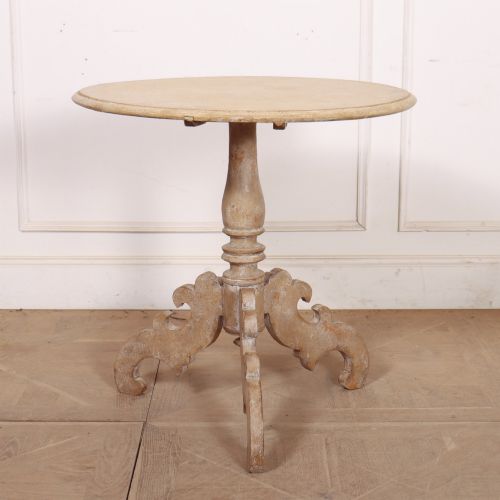
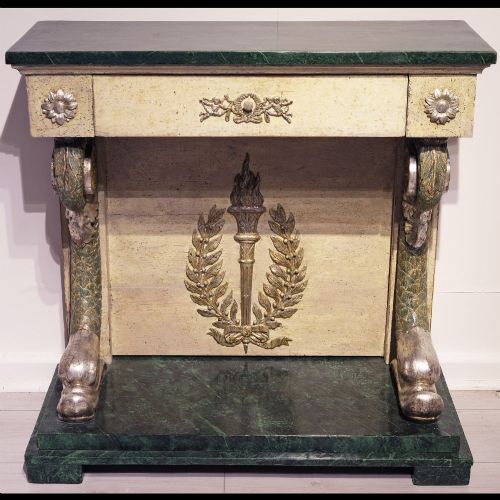
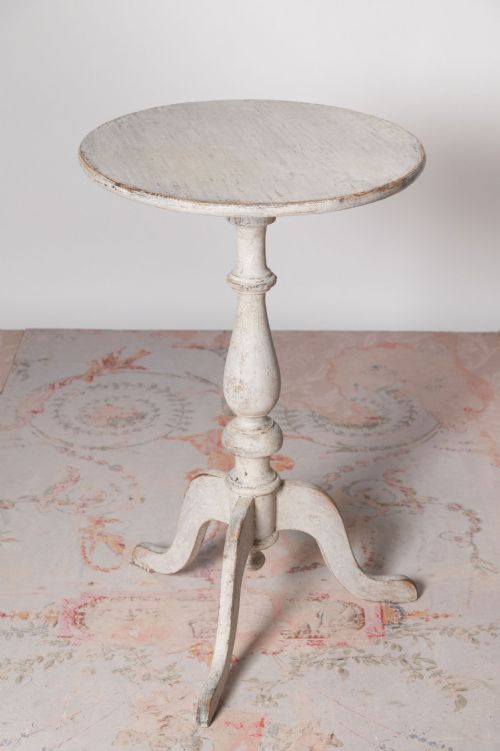
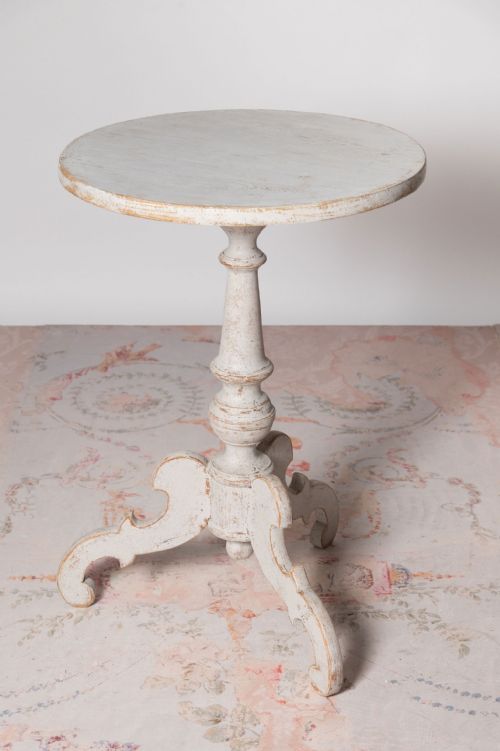
Swedish gustavian tables encompass a variety of forms designed for practical daily use and formal reception rooms alike, reflecting the lighter neoclassical tastes adopted in Sweden during the late eighteenth century and continued into later periods. Buyers seeking these pieces encounter an array of formats, including console tables, side tables, dining tables, and lamp tables, often showing regional Scandinavian interpretations of continental styles.
The selection on this page relies heavily on nineteenth-century examples alongside items dated around eighteen-eighty, nineteen-hundred, and nineteen-twenty, demonstrating the enduring popularity of these pale, proportioned designs. Many pieces display simple geometric lines, tapered legs, and subtle carved details that distinguish Gustavian and Scandinavian country aesthetics from heavier period furniture.
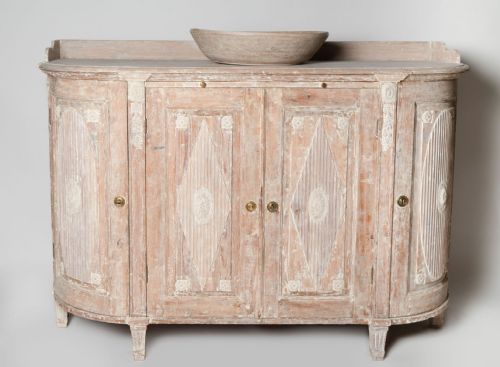
Alongside dedicated console and dining formats, the listings feature occasional tables, bedside tables, and larger drop-leaf gateleg variants known as slagbord. These diverse objects share a characteristic restraint of ornament, prioritizing clean silhouettes and functional utility over excessive decoration.
Materials and Construction Methods
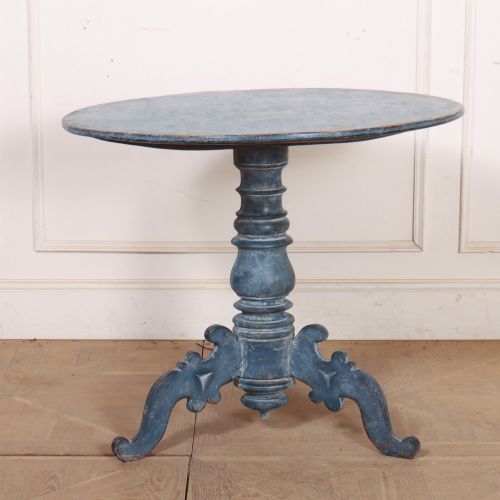
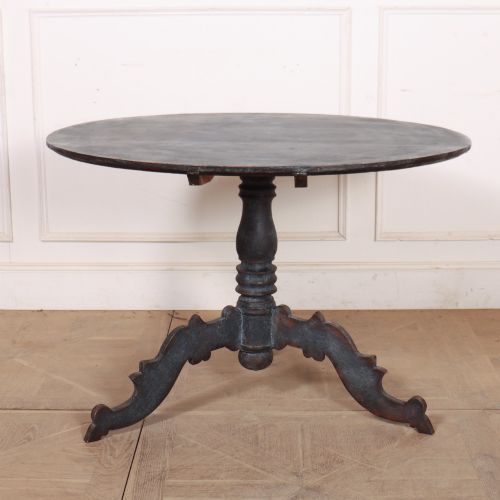
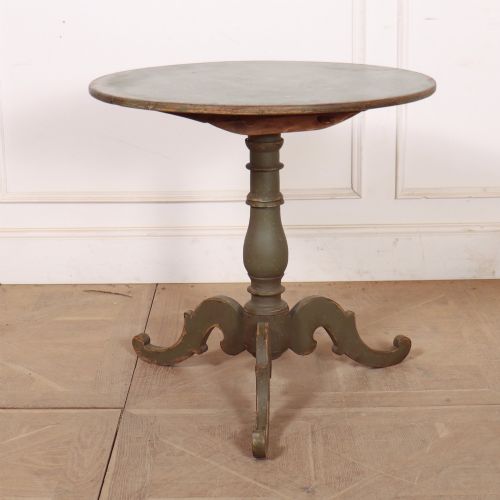
Makers predominantly utilised native softwoods and hardwoods such as pine and birch, building solid carcasses and framing that suited both painted and polished finishes. Painted surfaces - frequently applied over gesso - were layered in soft greys, whites, or blacks, while burr birch and satin birch surfaces relied on the natural grain figure of the timber.
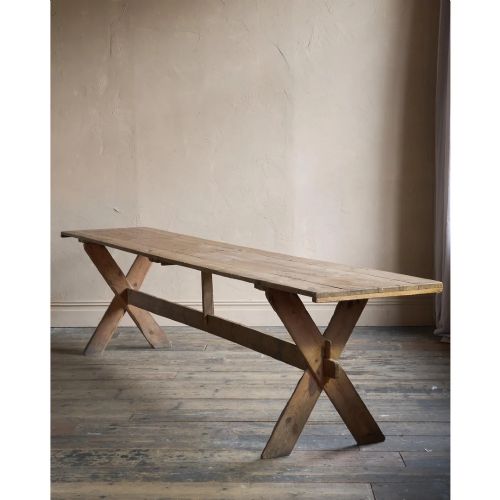
Structural joinery combined traditional pegged joints with turned or fluted legs, and certain larger dining formats incorporated drop-leaf mechanisms or trestle supports. Additional materials such as marble and brass appeared on select items like bedside cabinets and console tables, adding contrasting textures to the painted timber.
Several pieces arrive bearing generations of layered Nordic paint, whispering tales of long Scandinavian winters spent with brush in hand.
Distinctions in Quality and Execution
Quality in these tables rests upon the crispness of the hand-carved details, the integrity of the underlying timber frame, and the survival of original painted surfaces rather than later repainting. Finer examples display balanced proportions, cleanly turned legs, and precise joinery that remains stable across joints and leaves.
The handling of painted finishes significantly separates standard production from superior craftsmanship, with original or historically scraped paint retaining subtle patination and depth. Pieces featuring secondary materials like integrated marble tops or finely figured burr birch veneers likewise demonstrate a higher tier of workmanship.
The Swedish Gustavian Tables Glossary
- Gustavian
- The Swedish neoclassical style spanning the late eighteenth century, characterised by symmetrical restraint, fluted legs, and pale painted surfaces. It draws inspiration from French and Italian design but maintains a distinctly Nordic simplicity.
- Slagbord
- A traditional Swedish drop-leaf table featuring hinged flaps supported by swing legs or gates. These tables provided flexible surface area for dining or working in domestic spaces.
- Gesso
- A plaster-like mixture applied to wood surfaces as a smooth base for paint or gilding. It provides a dense ground that accepts layered pigments in traditional painted furniture.
- Biedermeier
- A Central European style influencing nineteenth-century Scandinavian design, prioritising utility and comfortable domestic living through clean lines and figured birch veneers.
Swedish Gustavian Tables: Frequently Asked Questions
What defines a Gustavian table?
Gustavian tables are defined by their neoclassical proportions, straight tapered legs, and restrained decorative carving influenced by French fashion adapted in Sweden.
They typically present a pale painted finish or natural birch wood, avoiding heavy ornamentation in favour of balanced, geometric harmony.
How do I care for painted wood?
Painted wood surfaces require gentle dusting with a soft, dry cloth and protection from direct sunlight and excessive moisture fluctuations.
Avoid chemical polishes and abrasive cleaners that can damage historic paint layers or underlying gesso.
Where were these tables used?
These tables served various domestic functions in nineteenth-century Swedish homes, ranging from grand reception halls to modest rural kitchens and bedrooms.
Console and side tables adorned hallways and parlours, while drop-leaf and trestle designs accommodated dining and daily tasks.
Are these tables original antiques?
The listings comprise authentic period items dating primarily from the nineteenth century alongside later nineteenth and early twentieth-century interpretations.
Construction methods, material wear, and historic surface treatments help distinguish these older pieces from modern reproductions.