



Swedish Elm Furniture
Swedish elm furniture combines pale timber and clean Nordic lines across forms ranging from nineteenth-century chests of drawers to Art Deco console tables.
Swedish Elm Furniture
Swedish elm furniture encompasses seating, tables and storage pieces dating from the nineteenth century through to the 1930s. Buyers searching for Swedish elm furniture will encounter nineteenth-century Scandinavian designs alongside Swedish Grace and Art Deco pieces from 1930.
The objects take forms such as dining chairs, armchairs, console tables, coffee tables, chests of drawers, cabinets, bookcases and occasional tables. Solid elm appears alongside burr elm, often paired with birch veneer or birch timbers.
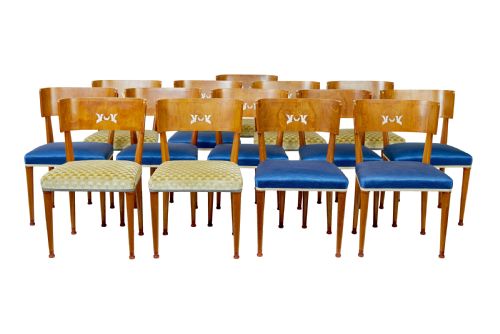
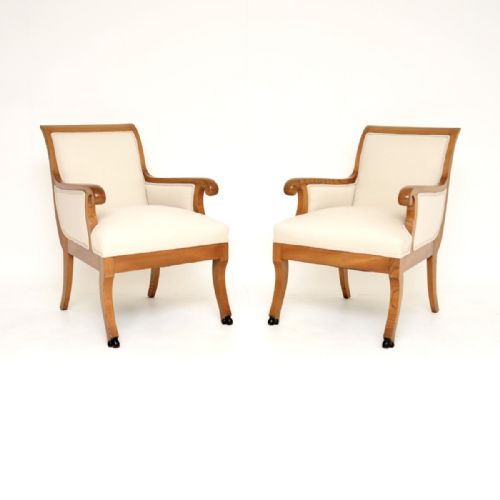
Nineteenth-century examples include Neoclassical armchairs, inlaid chests of drawers, marble top console tables and teapoys. The 1930 pieces lean towards Art Deco forms, featuring klismos dining chairs, low open bookcases and carved coffee tables.
How Swedish elm furniture was made
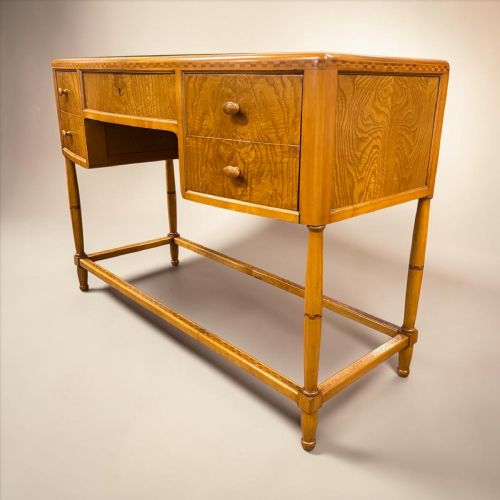
Craftsmen built these pieces using solid elm and burr elm, frequently combining them with birch, birch veneer, and wood veneer to create varied surface patterns. Burr elm and burr birch provided highly figured grain for tabletops and cabinet fronts.
Secondary materials such as brass fittings complemented the timber construction. Artisans applied carving, inlay work and clean joinery suited to both nineteenth-century Scandinavian traditions and the later Art Deco style.
Swedish Elm Furniture Retail Price Guide 2026
Typical asking prices for swedish elm furniture among the pieces listed under this phrase on Sellingantiques today, from the lower quarter to the upper quarter. They describe what is for sale here now, not the wider market.
Burr elm creates swirling patterns in the wood grain that occasionally resemble tiny, polite forest creatures hiding in plain sight.
What varies in quality
Quality rests in the selection of timber veneers and the crispness of carved details. Burr elm sections with deep, natural figuring elevate the visual impact of tables and cabinets compared to plain timber surfaces.
Construction methods and stylistic adherence set pieces apart, from the refined geometry of Swedish Neoclassical armchairs to the distinct curves of Art Deco klismos dining chairs.
The Swedish Elm Furniture Glossary
- Burr elm
- A timber growth on an elm tree that produces intricate, swirling grain patterns. It is sliced into veneers for decorative table tops and cabinet fronts.
- Klismos
- An ancient Greek chair style with curved legs and a sweeping backrest, reinterpreted by twentieth-century designers. These dining chairs appear in Art Deco Swedish groups.
- Teapoy
- A small stand or table traditionally used to hold tea caddies. Nineteenth-century examples in burr elm provide compact storage with lidded compartments.
- Swedish Grace
- A transitional architectural and design style in Sweden bridging neoclassical restraint and modernism. It precedes the bolder geometric forms of the 1930s.
Swedish Elm Furniture: Frequently Asked Questions
What periods do these pieces cover?
The inventory spans the nineteenth century up to 1930. Earlier pieces reflect nineteenth-century Scandinavian and Swedish Neoclassical styles.
Later items from 1930 showcase Art Deco and Swedish Grace movements, utilising elm alongside birch and burr elm.
What types of tables are available?
Tables include console tables with marble tops, occasional tables and coffee tables. Designers used solid elm and burr elm veneers for these surfaces.
Forms range from nineteenth-century occasional pieces to carved Art Deco coffee tables and console tables.
How do elm and birch combine?
Elm and birch appear together in cabinets, tables and occasional pieces. Elm provides rich grain patterns, while birch and birch veneer offer lighter contrasting tones.
This timber pairing occurs in nineteenth-century tables and 1930s Art Deco storage furniture.
Where do these furniture forms originate?
These items originate from Sweden and broader Scandinavia, encompassing nineteenth-century craftsmanship and early twentieth-century modernism.
Regional workshops produced everything from formal neoclassical armchairs to low open bookcases and dining chairs.