




Swedish Birch Cupboard
A Swedish birch cupboard brings pale, figured timber and clean Scandinavian craftsmanship into a room.
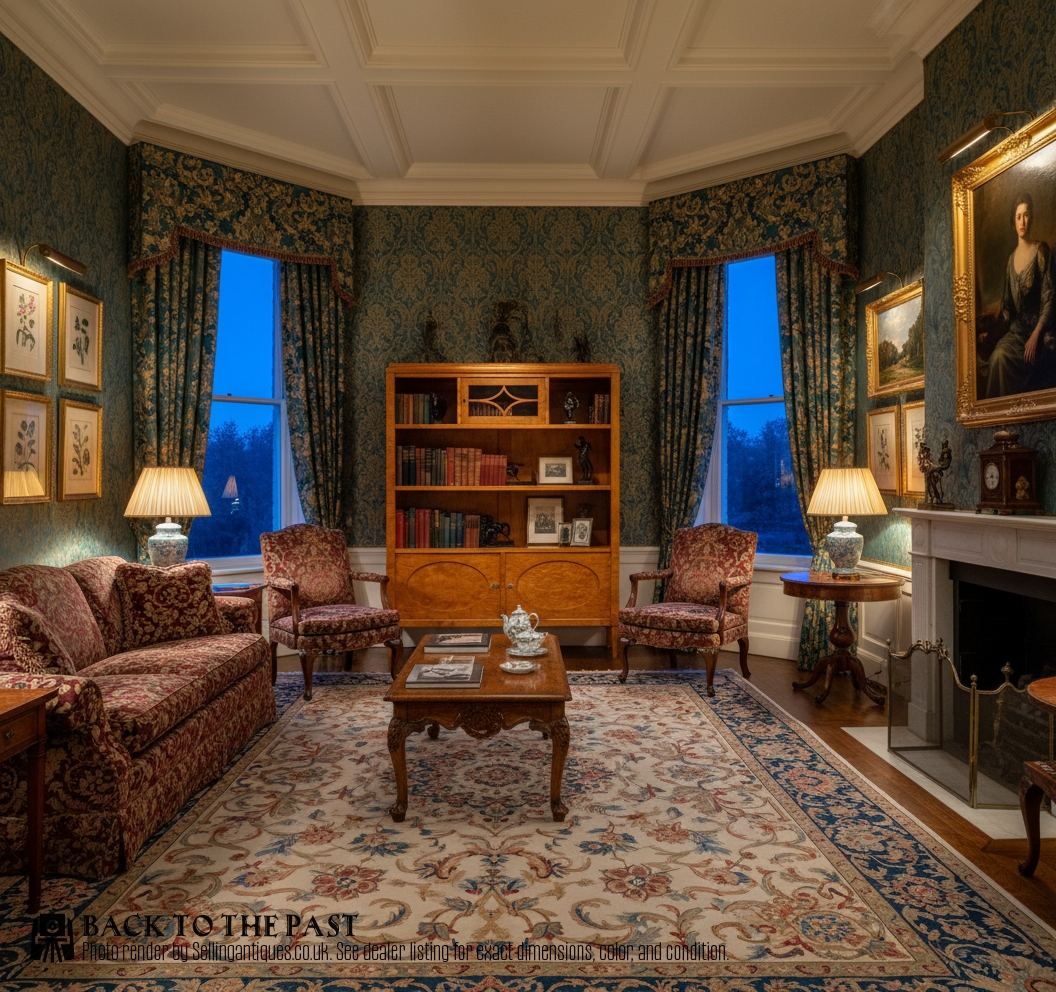
Swedish Birch Cupboard
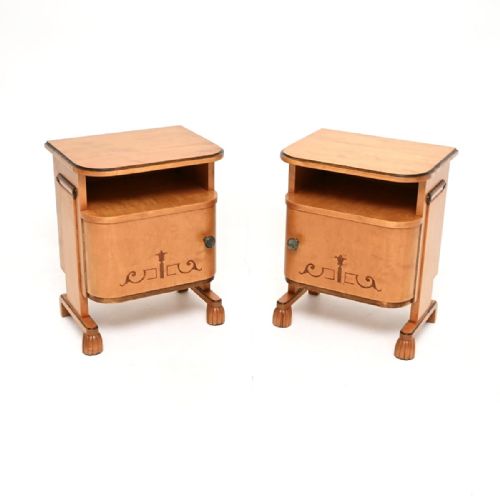
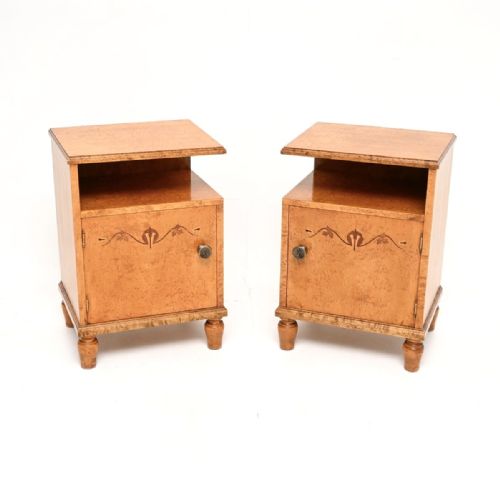
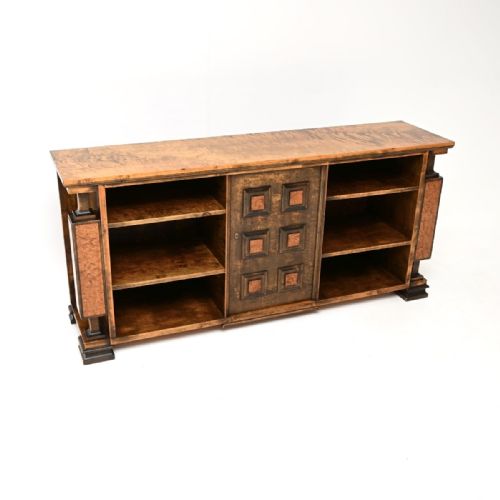
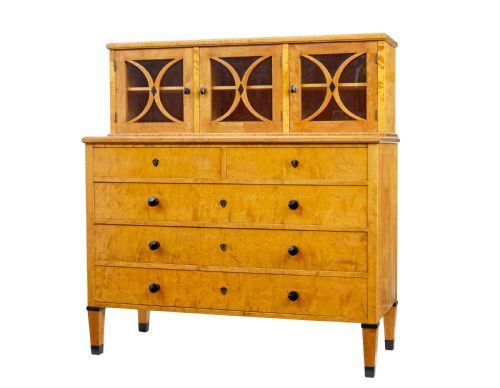
A Swedish birch cupboard spans several distinct eras, from nineteenth century country pieces to mid-century modern designs. When you search for a swedish birch cupboard, you encounter tall fitted cupboards, bedside cabinets, and large buffet sideboards.
The materials range from plain birch and tiger birch to satin birch veneer and burr wood, often paired with pine or ebonised wood details. Styles vary from Scandinavian country and Swedish Biedermeier to Art Deco, Art Nouveau, Swedish Grace, and mid-century modern.
How they were made
Cabinet makers utilised solid birch, pine, and elm alongside satin birch veneer and burr wood to create patterned exterior surfaces. Brass hardware and glass panels frequently complete the construction of these storage pieces.
Woodworkers applied ebonised wood accents to contrast with the pale golden tones of the birch timber. The underlying structure often relies on sturdy pine carcasses housed within the cabinet bodies.
Swedish Birch Cupboard Retail Price Guide 2026
Typical asking prices for swedish birch cupboard among the pieces listed under this phrase on Sellingantiques today, from the lower quarter to the upper quarter. They describe what is for sale here now, not the wider market.
Listings feature 19th Century, 1890, 1910, 1930, and 1940 periods across cupboards, cabinets, sideboards, and wardrobes.
What varies in quality
The choice of timber figure dictates much of the visual appeal, with heavily figured tiger birch and satin birch veneer commanding attention. Selection of premium woods like burr wood and walnut accents separates standard vernacular pieces from high design objects.
Proportion and stylistic cohesion distinguish the output of known designers and firms from simpler workshops. Refinement in brass fittings and the integration of marble tops elevate specific cabinets above typical domestic furniture.
Sandberg and Co·Otto Schulz for Boet·Oscar Nilsson Nordiska Kompaniet
The Swedish Birch Cupboard Glossary
- Satin Birch
- A timber with a fine grain that yields a lustrous, reflective surface when polished. It frequently appears as a decorative veneer on front panels.
- Tiger Birch
- A naturally figured wood displaying dark, undulating horizontal stripes resembling tiger markings. This pattern occurs sporadically within the grain.
- Burr Wood
- Wood harvested from tree growths that produce complex, swirling grain patterns. Cabinet makers prized these sections for prominent door and drawer fronts.
- Ebonised Wood
- Timber treated with chemical or dark pigment processes to imitate ebony. Makers utilised this dark finish for contrasting mouldings and structural highlights.
- Swedish Biedermeier
- A nineteenth century design movement prioritising clean lines, functional comfort, and figured wood veneers. It stripped away excessive ornamentation in favour of honest form.
Swedish Birch Cupboard: Frequently Asked Questions
What styles of Swedish birch cupboards exist?
The selection encompasses Scandinavian country vernacular, nineteenth century revival pieces, and twentieth century movements including Art Deco and Swedish Grace.
Craftsmen also produced Art Nouveau and mid-century modern iterations utilising tiger birch, satin birch veneer, and burr wood.
How do I care for birch furniture?
Keep wooden surfaces away from direct sunlight and excessive heat sources to prevent the natural timber and veneers from drying out.
Dust regularly with a dry cloth and avoid harsh chemical polishes that can damage historic finishes.
Where were these cupboards used?
Owners placed these storage units in bedrooms, libraries, dining rooms, and hallways depending on the specific form.
Tall cupboards, bookcases, and fitted sideboards provided functional storage for household goods, books, and dining provisions.
How do I identify different periods?
Nineteenth century pieces often show traditional vernacular construction in solid birch or tiger birch with simple proportions.
Twentieth century examples from the Art Deco and mid-century periods incorporate contrasting woods like walnut and elm with geometric lines.