



Swedish Biedermeier Cabinet
A swedish biedermeier cabinet brings pale Northern timber and monumental form into a room.
Swedish Biedermeier Cabinet
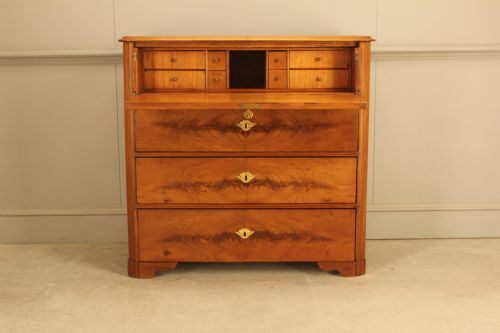
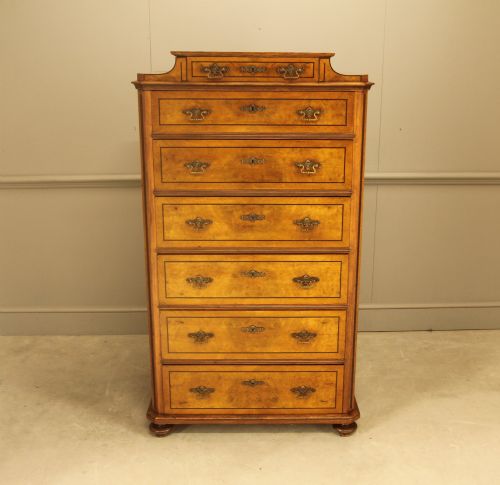
A swedish biedermeier cabinet spans practical storage forms created during the nineteenth century and later revival periods. Buyers frequently encounter tall secretaire chest of drawers designs alongside smaller bedside cabinets and large cupboards.
The selection ranges from mid nineteenth century birch pieces to early twentieth century empire revival bookcases and sideboards. These items combine architectural presence with functional domestic utility across various Scandinavian styles.
How they were made
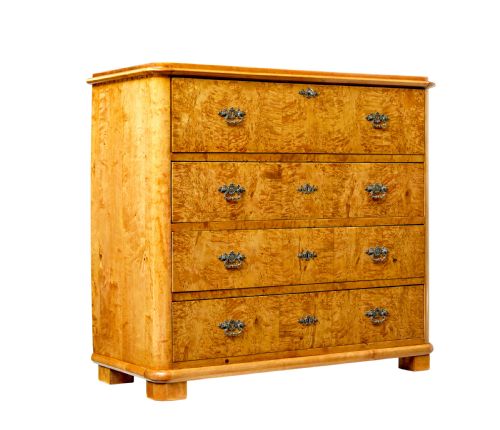
Carpenters utilised pine as a secondary timber for internal construction while applying decorative layers of birch, burr birch, and satin birch veneer to exterior surfaces. Ebonised wood details and brass hardware frequently accent the pale wood grain.
Certain later revival examples incorporate marble tops and bleached birds eye maple alongside traditional birch construction methods. Cabinet makers selected figured veneers to create striking visual patterns across the front of each piece.
Swedish Biedermeier Cabinet Retail Price Guide 2026
Typical asking prices for swedish biedermeier cabinet among the pieces listed under this phrase on Sellingantiques today, from the lower quarter to the upper quarter. They describe what is for sale here now, not the wider market.
Some nineteenth century secretaire chests hide tiny wooden pigeonholes behind their drop fronts, waiting for forgotten love letters.
What varies in quality
The selection of wood veneer determines the visual impact, with richly figured burr birch and satin birch commanding attention through natural grain variation. Masterful matching of these veneers across drawer fronts and cupboard doors separates standard examples from exceptional ones.
Proportion and surface finish dictate the overall refinement of the construction. Pieces featuring crisp ebonised details and integrated brass fittings demonstrate greater attention to detail during the manufacturing process.
The Swedish Biedermeier Cabinet Glossary
- Secretaire
- A cabinet or chest incorporating a fitted writing drawer with a fold-down front. This dual-purpose form provides a hidden desk surface above standard storage drawers.
- Birch
- A pale hardwood native to Northern Europe utilised extensively for solid construction and decorative veneer. Its light tone defines the aesthetic of Scandinavian furniture.
- Burr birch
- A specialised timber growth featuring swirling grain patterns highly prized for decorative veneer work. Cabinet makers used this wood on prominent exterior surfaces.
- Ebonised wood
- Timber treated with a dark stain or finish to imitate ebony. This dark contrast highlights the pale surrounding birch surfaces.
- Empire Revival
- A decorative style looking back to classical forms during the late nineteenth and early twentieth centuries. Pieces from this movement often incorporate bolder architectural elements.
Swedish Biedermeier Cabinet: Frequently Asked Questions
How do I identify a true nineteenth century piece?
Examine the secondary timbers inside the drawers and carcass for pine construction typical of the period.
Check the veneer application and overall joinery techniques against nineteenth century standards.
What is the difference between a secretaire and a chest of drawers?
A secretaire includes a dedicated writing compartment hidden behind a drop-front drawer.
A standard chest of drawers offers conventional pull-out storage drawers from top to bottom.
How do I care for birch veneer surfaces?
Keep these items away from direct sunlight and excessive heat sources to prevent the veneer from drying out.
Dust gently with a soft dry cloth and avoid harsh chemical cleaners.
Are bedside cabinets part of the standard range?
Smaller bedside cabinets appear alongside larger cupboards, bookcases, and sideboards.
These compact items often feature marble tops paired with satin birch construction.