
Sub Seconds Timepiece
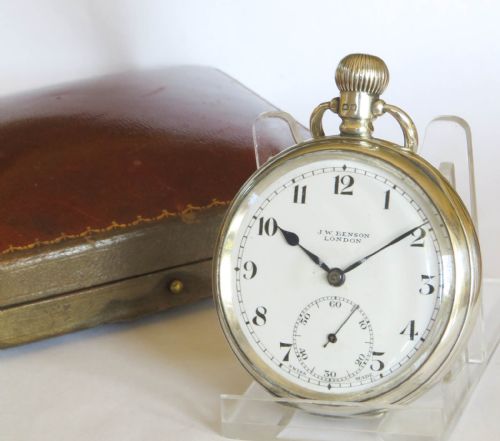
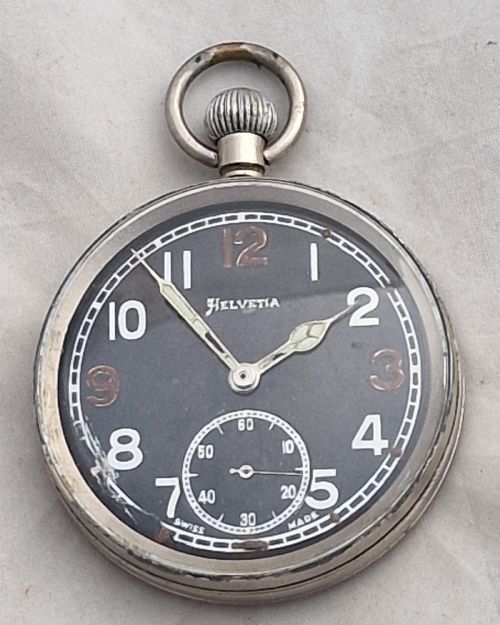
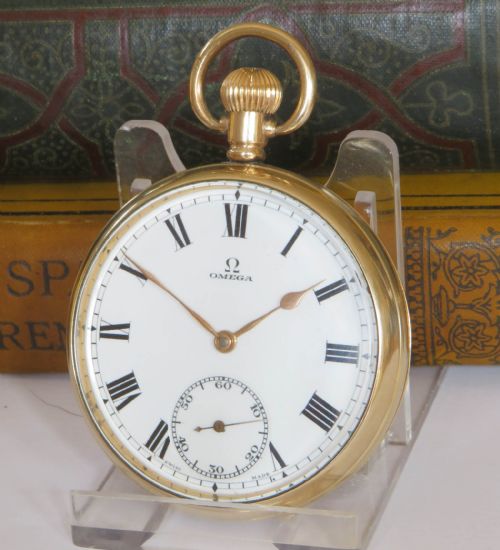
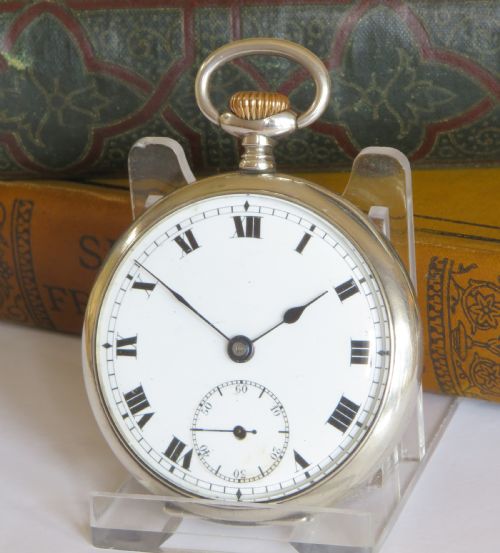
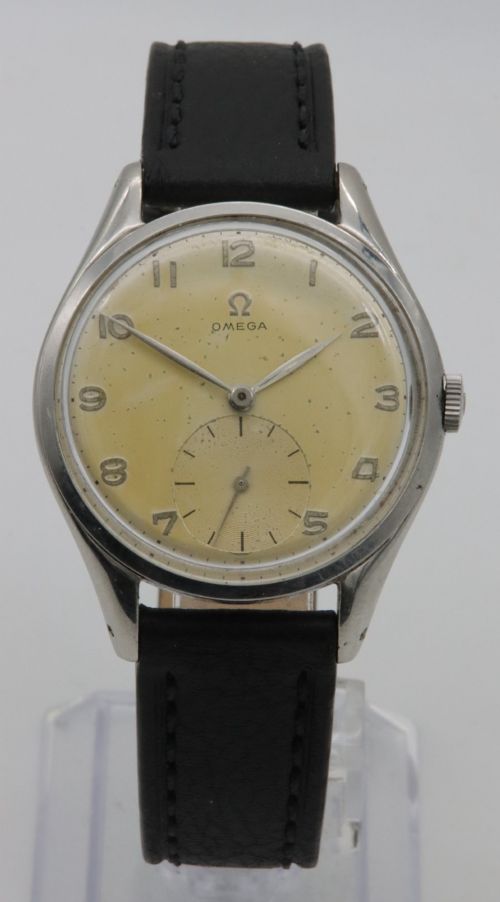
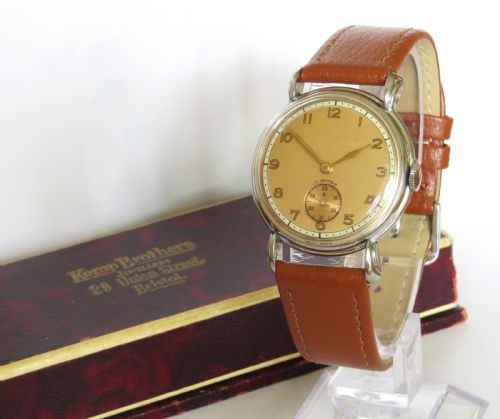
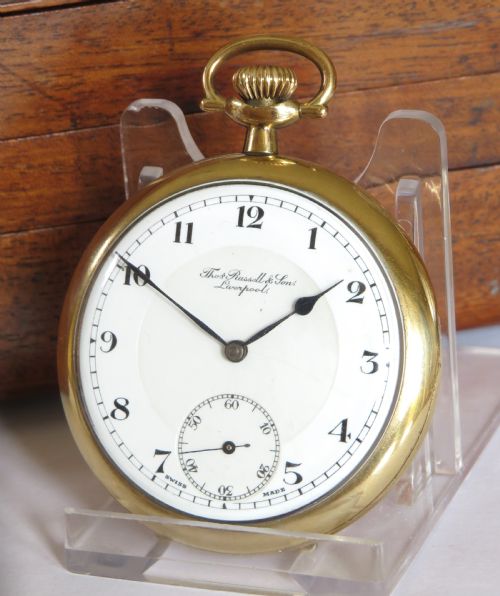
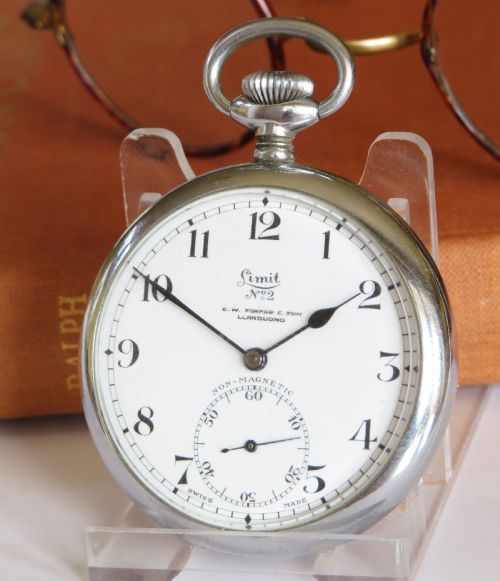
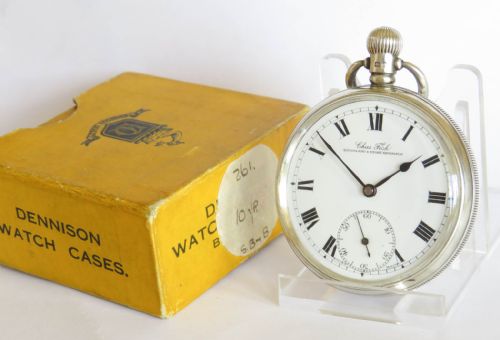
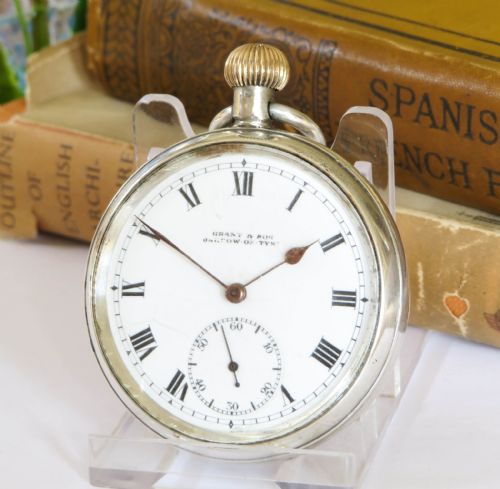
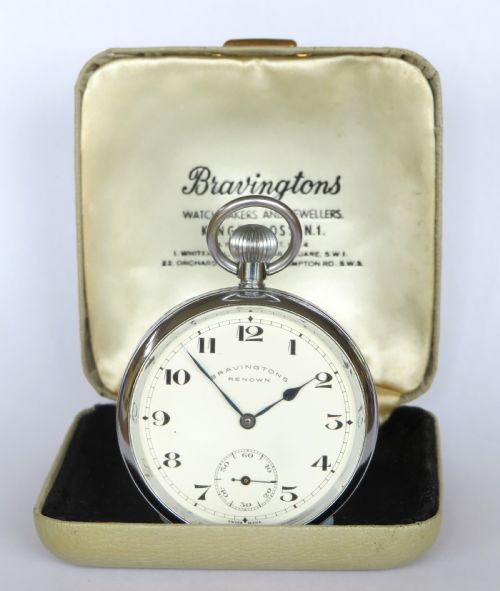
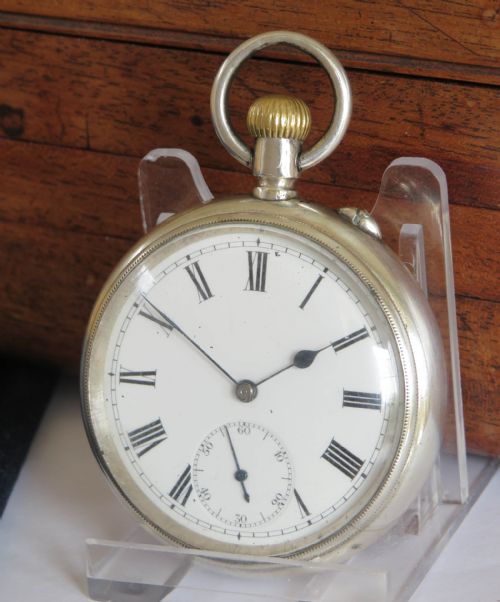
A sub seconds timepiece keeps time with a dedicated secondary dial for the seconds, offering mechanical charm from the Victorian era to the mid-century.
Sub Seconds Timepiece
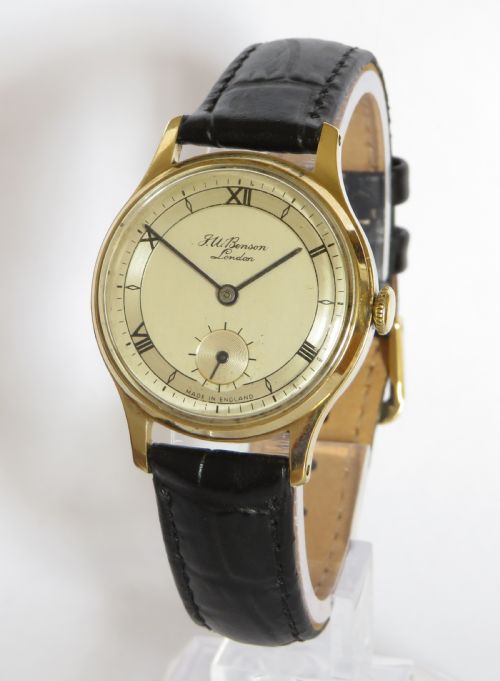
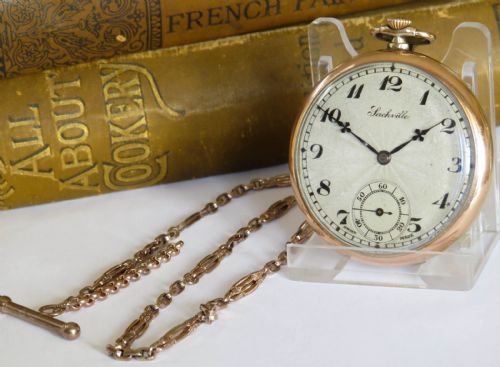
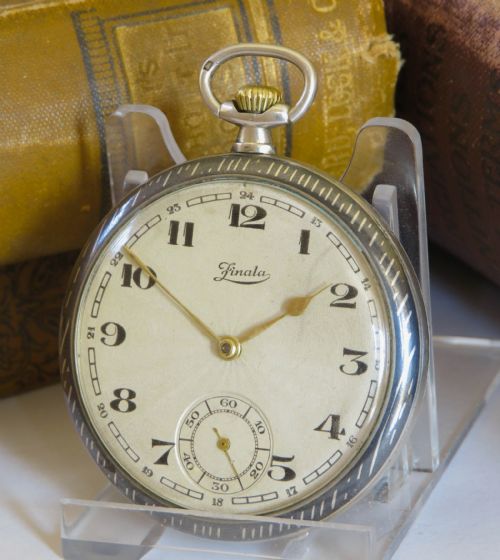
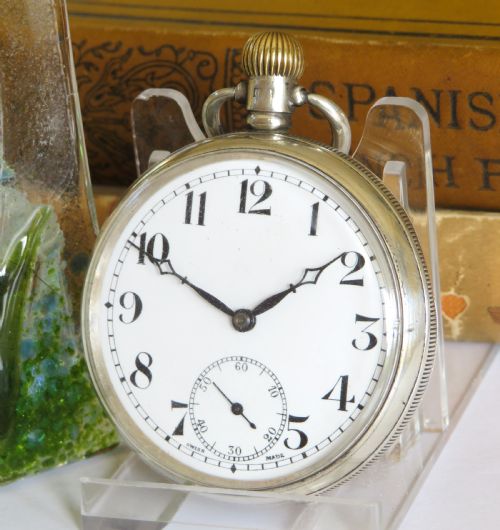
The pieces appearing here range from early silver pocket watches made around nineteen hundred to nineteen-fifties wristwatches housed in stainless steel or gold plate. Pocket watch forms dominate the earlier decades, whilst wristwatch formats become more prevalent by the nineteen-forties and nineteen-fifties, reflecting shifts in how individuals wore portable timekeepers.
How they were made
Cases of these timepieces rely heavily on silver, stainless steel, and gold plate, often protecting intricate mechanical movements driven by manual wind or automatic systems. Enamel and glass feature prominently on the dials and crystals, preserving the painted numerals and minute tracks beneath.
Makers utilised leather straps for wristwatches and silver or base metal chains for pocket watches, securing the mechanical components against daily wear. The integration of steel and acrylic in later decades shows the transition towards more robust materials for everyday utility.
The listings span from eighteen-ninety to nineteen-sixty, encompassing Art Deco, Edwardian, and Mid-Century Modern styles.
What varies in quality
The distinction between tiers rests upon the execution of the movement, the integrity of the dial, and the material weight of the case. Precision in the mechanical components and the clarity of original enamel dials separate standard production pieces from higher-grade examples.
Makers who incorporated fully jewelled movements and robust precious metal or solid silver cases achieved a level of durability and finish that elevated the piece above simpler, mass-produced alternatives.
J W Benson·Omega·Thomas Russell & Son·Waltham·Longines·Zenith·Elgin·Bulova
The Sub Seconds Timepiece Glossary
- Sub seconds
- A dial arrangement where the seconds hand sits on a separate, smaller subsidiary dial rather than sharing the central pinion with the hour and minute hands. This layout is typical of vintage mechanical watches.
- Manual wind
- A mechanical movement requiring the user to manually turn the crown to tension the mainspring. Most pocket watches and early wristwatches operate on this principle.
- Niello
- A black metallic alloy used as an inlay on engraved metal surfaces, frequently seen on decorative pocket watch cases from the early twentieth century. It creates sharp contrast against polished silver.
- Calibre
- The specific manufacturer's designation for a particular watch movement design. Collectors use this to identify internal mechanisms and verify originality.
Sub Seconds Timepiece: Frequently Asked Questions
What is a sub seconds timepiece?
A sub seconds timepiece is a watch featuring a separate small dial for tracking seconds, distinct from the central hour and minute hands.
This configuration appears across pocket watches and wristwatches from the late Victorian period through the mid-twentieth century.
How do I wind a vintage watch?
Vintage manual wind watches require turning the crown clockwise until firm resistance is felt, indicating the mainspring is fully tensioned.
Care should be taken not to overwind these mechanical movements, as doing so can damage the internal spring.
How are pocket watches and wristwatches different?
Pocket watches are designed to be carried in a pocket and secured with a chain, whilst wristwatches are secured to the arm with a strap.
Both formats utilise similar mechanical movements to display time with the characteristic subsidiary seconds dial.
What materials make up these watch cases?
Watch cases in these selections are primarily constructed from solid silver, stainless steel, gold plate, or base metals.
Protective glass or acrylic crystals cover the dials, while leather often forms the straps of mid-century wristwatches.