

Studded Leather Seats
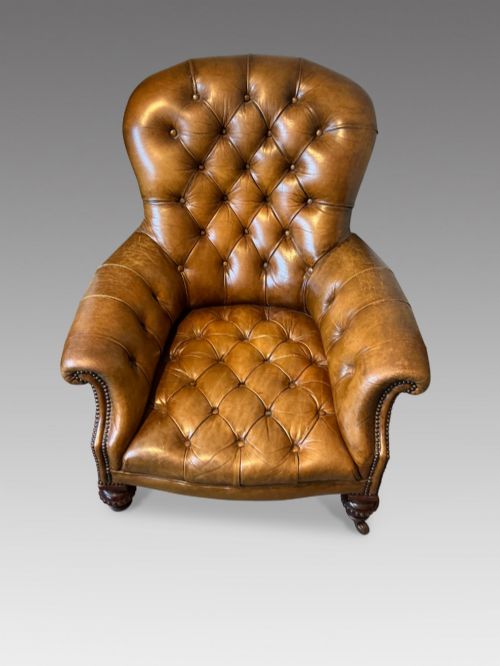
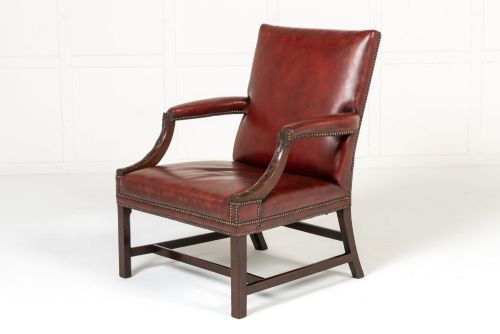
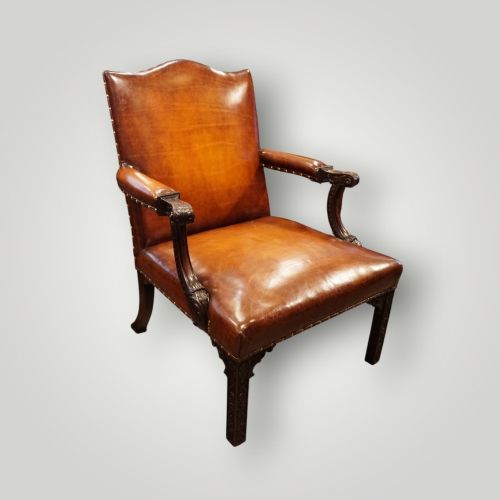
Studded leather seats bring substance and utilitarian comfort to a room, spanning sturdy oak desk chairs and grand mahogany Gainsboroughs.
Studded Leather Seats
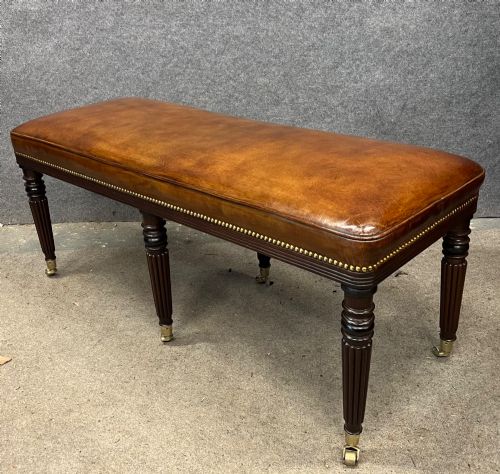
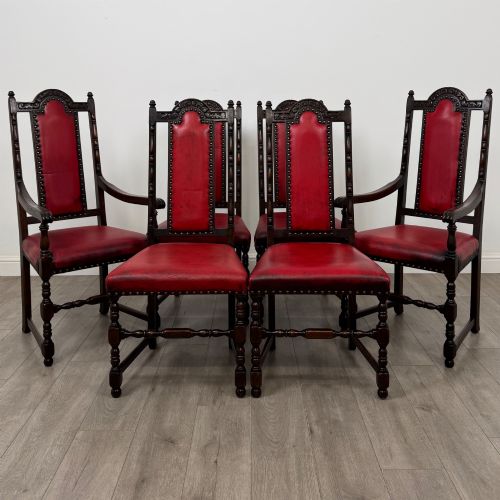
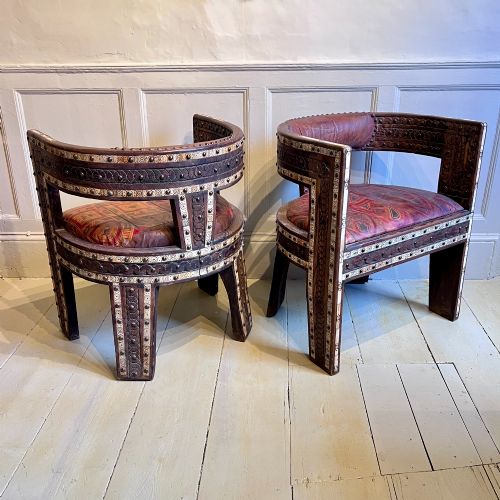
When you search for studded leather seats, you encounter a robust mix of seating spanning the Georgian, Victorian, and Edwardian periods alongside later twentieth-century interpretations. The selection ranges from swivel desk chairs and library armchairs to fireside club chairs, dining sets, stools, and brass club fenders.
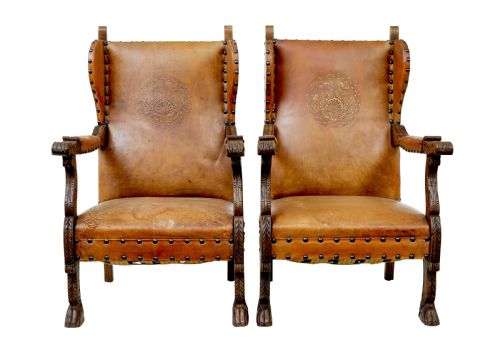
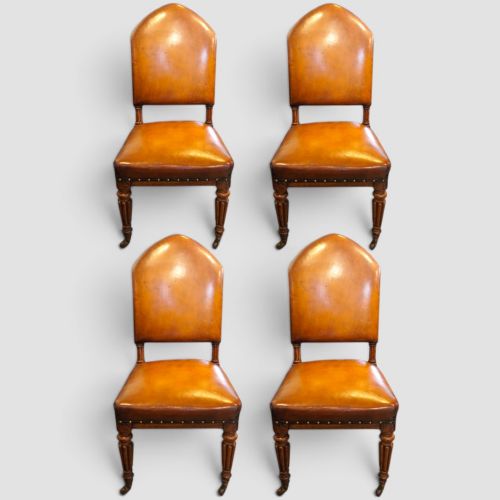
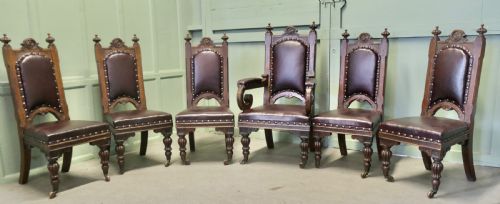
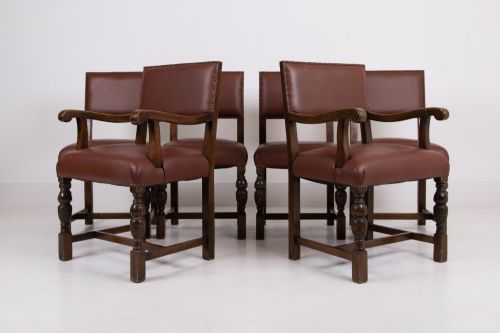
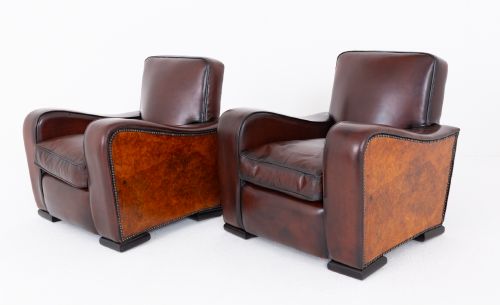
Armchairs and desk chairs dominate the forms, frequently constructed from oak, mahogany, or walnut with upholstered leather pads secured by decorative metal studs. You also meet tall stools, reading chairs, and club fenders featuring padded leather top rails designed for fireside perches.
Materials and Construction
Carpenters utilised hardwoods such as oak, mahogany, walnut, beech, and rosewood to build the structural frames, applying carving, turning, and joinery techniques appropriate to periods from the seventeenth century through the Art Deco era. Frames often feature high backs, carved details like Chippendale blind carving, or swivel mechanisms in office pieces.
Upholsterers secured hide leather over padding using individual brass or metal studs driven firmly into the wood or frame borders. Leather finishes vary from hand-dyed English hide and embossed panels to mature tan and red leather surfaces.
The listings feature oak, mahogany, walnut, and hardwood frames upholstered in leather, spanning the Georgian, Victorian, Edwardian, and Art Deco periods.
Markers of Quality
The integrity of the hardwood frame and the depth of the timber grain establish the foundational quality of each piece, distinguishing solid oak, mahogany, or walnut constructions from simpler utility chairs. Hand-carved elements, such as those found on Gainsborough or Victorian Gothic armchairs, show disciplined craftsmanship that elevates the work above standard production.
The treatment and condition of the hide determine the upper tier of examples, where hand-dyed English leather and neatly aligned, individual metal studwork age gracefully. Substantial joinery in swivel mechanisms, club fenders, and heavy dining chairs ensures durability across centuries of use.
The Studded Leather Seats Glossary
- Gainsborough chair
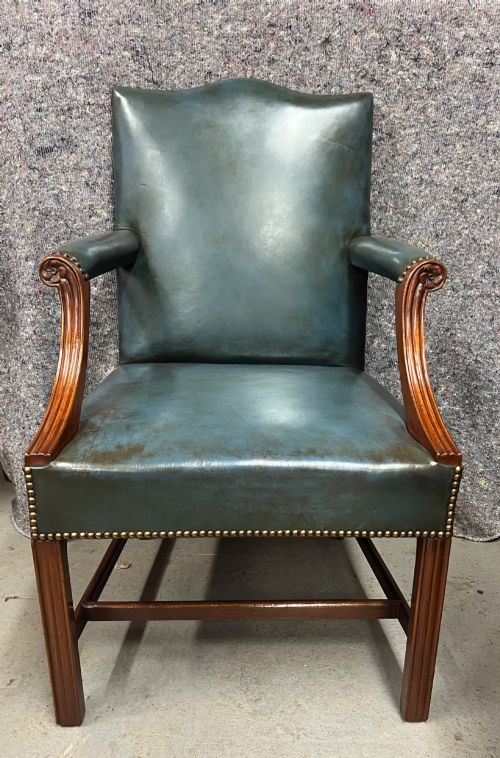
- A wide, open-armed armchair with an upholstered seat and back, standing on short legs, popular from the eighteenth century onward. These typically feature mahogany frames and studded leather upholstery.
- Club fender
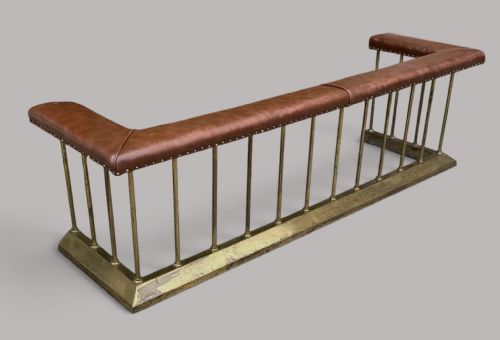
- A low fireside seat featuring a metal base, often brass or steel, topped with cushioned leather rails. They provide perimeter seating around a hearth.
- Swivel desk chair
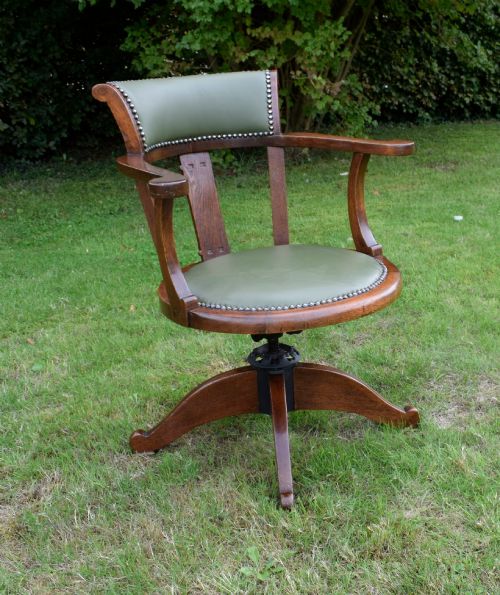
- A revolving office seat, often engineered in oak or mahogany during the Edwardian and early twentieth-century periods. They incorporate tilt mechanisms and supportive leather seats.
- Embossed leather
- Hide stamped with raised decorative patterns before being applied to the chair frame. This technique adds texture to armchairs and side seats.
- Parcel-gilt
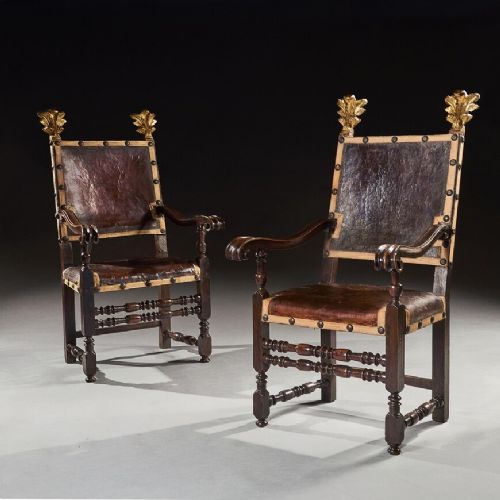
- Woodwork partially decorated with gold leaf or gilding over a prepared base. This finish appears on elaborate seventeenth-century Baroque frames.
Studded Leather Seats: Frequently Asked Questions
What periods do these seats cover?
The available pieces span multiple centuries, starting from seventeenth-century Italian Baroque armchairs and eighteenth-century mahogany designs through to Victorian, Edwardian, and Art Deco interpretations.
Later pieces include early twentieth-century office chairs, club fenders, and 1930s armchairs, showing how the tradition of studded leather seating evolved across eras.
How do I identify a Gainsborough chair?
A Gainsborough chair is distinguished by its generous proportions, open padded arms, and an upholstered back supported on four legs, often with mahogany frames and carved details.
They were traditionally used as desk or library chairs, offering a wider seat than standard dining chairs while maintaining an upright posture.
What is a club fender used for?
A club fender is placed around a fireplace hearth to provide low perimeter seating and protection from the fire. The top rails are padded in leather and studded for comfort.
Early twentieth-century examples frequently combine brass or steel frames with mature tan leather seats.
Are desk chairs adjustable?
Many early twentieth-century office and desk chairs feature swivel and tilt mechanisms housed beneath the wooden frame. Edwardian and Victorian examples often pair oak or beech frames with adjustable screw posts or pivoting bases.
These functional additions made them practical for long hours at administrative desks.