




Stuart Period Fine Art
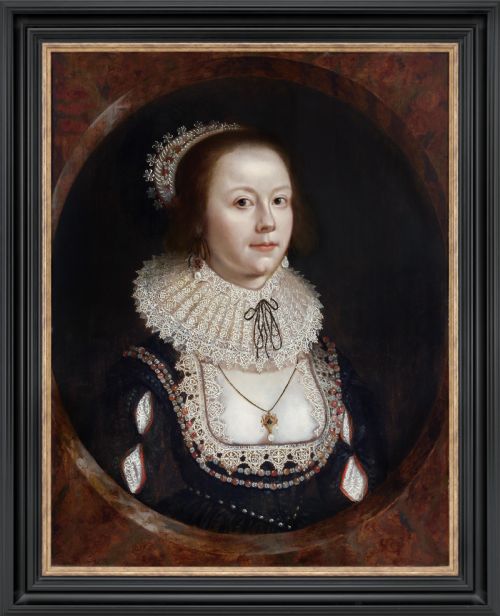
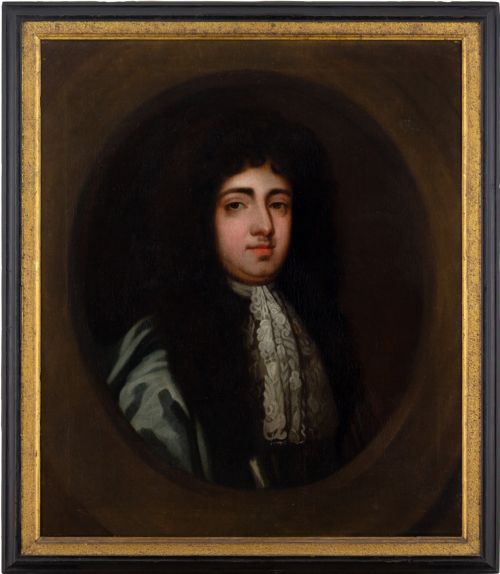
Stuart period fine art comprises oil paintings of figures from the seventeenth century that offer a direct window into historical portraiture.
Stuart Period Fine Art
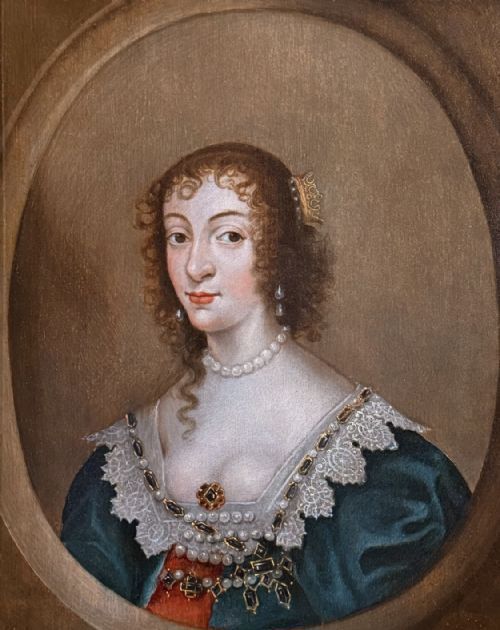
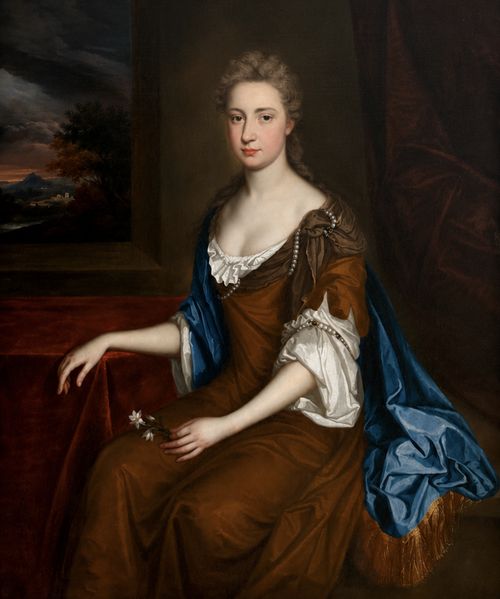
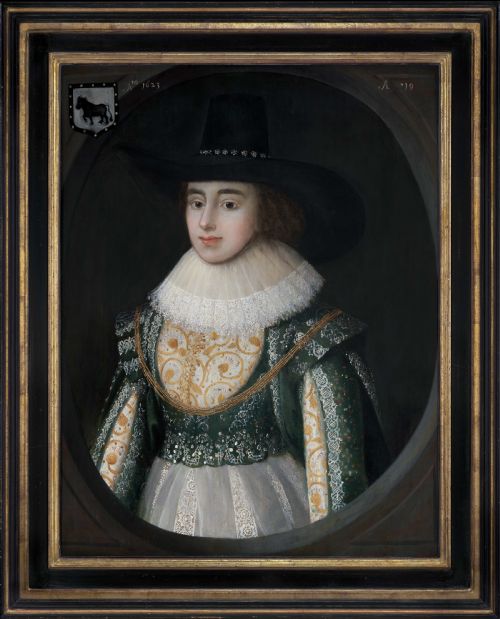
Stuart period fine art consists primarily of portrait paintings depicting nobility, gentry, and notable historical figures in oils. These works span the seventeenth century and into the eighteenth century, encompassing English, Scottish, and Anglo-Irish schools.
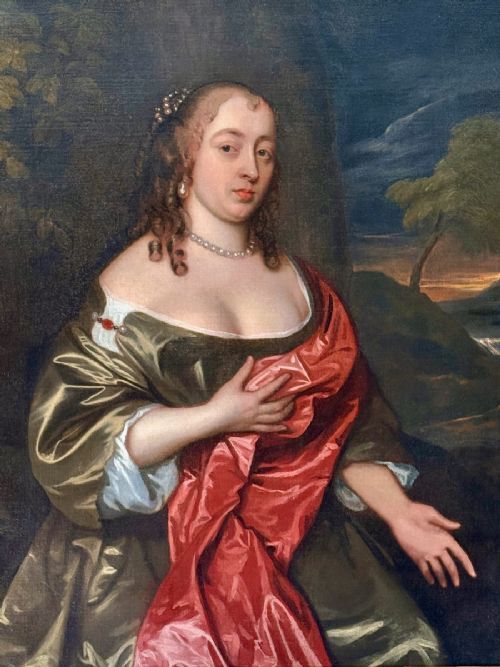
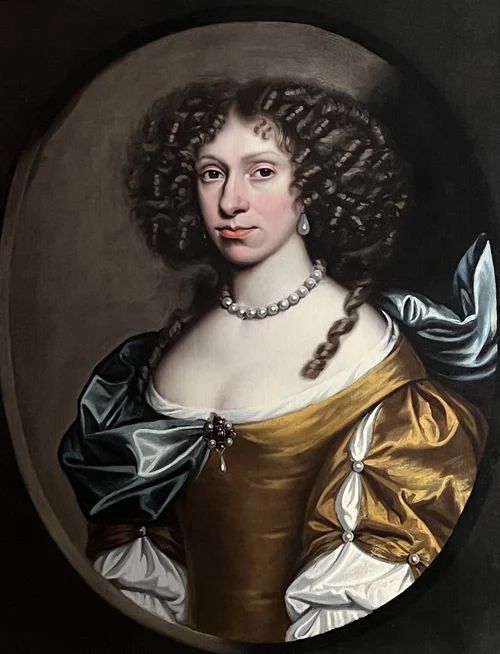
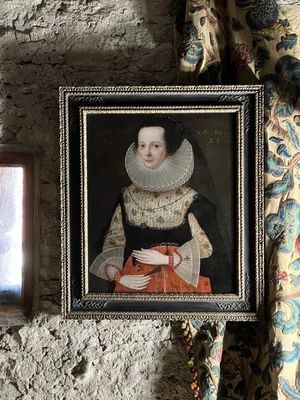
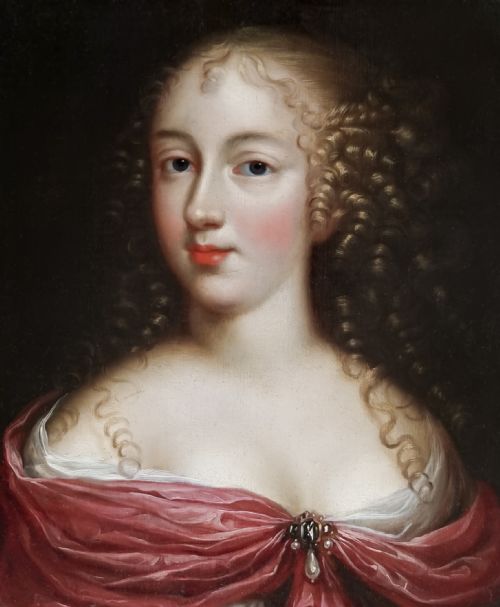
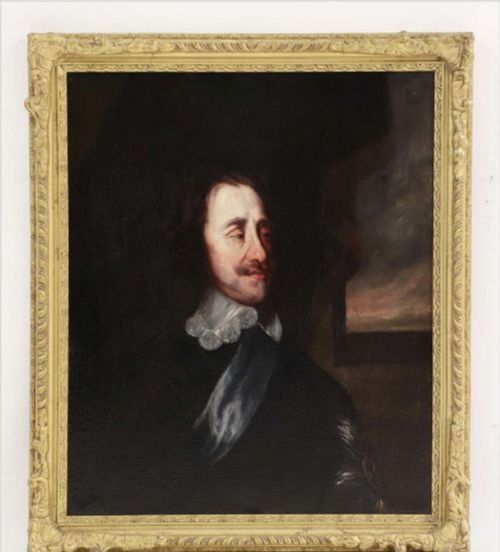
The most common format encountered here is the oil painting on canvas or wood panel, often framed in giltwood with gold leaf. Subjects range from half-length portraits in armour to elaborate depictions of ladies in sumptuous attire, lace, and jewels.
Pieces frequently emerge from circles of prominent painters or identifiable workshops, offering depictions of subjects such as King Charles I, military commanders, and noblewomen.
Materials and technique
Artists of this era utilised oil paint applied either to woven canvas supports or sturdy wood panels. Pigments were worked in layers to build depth in drapery, flesh tones, and elaborate lace collars.
Frames play a structural and aesthetic role, frequently constructed from wood and finished with giltwood and gold leaf. These materials combined to create durable objects designed to record lineage and status.
Listings feature seventeenth-century and eighteenth-century works executed in oil on canvas and wood panel.
Judging quality
Quality in these portraits rests upon the rendering of facial expression, hands, and costume details such as lace and embroidery. Works by named hands or close circles often display superior brushwork and anatomical confidence.
Condition of the canvas or wood panel and the integrity of the paint surface influence the visual impact. Original frames in giltwood also contribute to the completeness of the piece.
John Hayls·David Scougall·Pierre Mignard·Mary Beale·Van Dyck·John Greenhill·Sir Peter Lely·Cornelius Johnson·Sir Edward Longville·John Hoskins·John Closterman·John Michael Wright
The Stuart Period Fine Art Glossary
- Oil on canvas
- Pigment suspended in drying oil applied to a stretched woven fabric support. This method became dominant for larger portraits during the period.
- Wood panel
- A rigid wooden support used for early seventeenth-century paintings before canvas predominated. Panels provide a smooth surface for detailed brushwork.
- Giltwood
- Wood carved and covered with a thin layer of gold leaf or metallic powder. It frames and enhances seventeenth-century oil paintings.
- Circle of
- A term indicating an artist worked closely alongside a master, adopting their style and workshop practices. It denotes proximity to a significant painter without formal attribution.
- Baroque
- An artistic style characterised by movement, drama, and rich detail. It influences the grand manner of portraiture seen in this era.
Stuart Period Fine Art: Frequently Asked Questions
What subjects appear in these paintings?
Subjects include nobility, military commanders, poets, and noblewomen depicted in formal attire. Many portraits record specific historical individuals from the seventeenth century.
Commissioned by families to document lineage, these works capture sitters with detailed attention to costume, lace, and heraldic or landscape backgrounds.
Are these works painted on canvas or wood?
Surviving works utilise both oil on canvas and oil on wood panel supports. Wood panels are more common in the early decades of the seventeenth century.
Canvas became the preferred medium as portrait sizes increased and workshop production adapted to new framing methods.
How do I identify a circle or follower attribution?
Attributions such as circle of or follower of indicate the painting originates from the workshop or immediate milieu of a master. These pieces reflect the dominant style of painters like Sir Peter Lely or Mary Beale.
Such designations help place unsigned or lesser-documented works within the correct historical artistic community.
How should I care for a seventeenth-century oil painting?
Protect the artwork from direct sunlight and maintain stable room humidity to prevent the wood panel or canvas from warping. Avoid using liquid cleaners on the paint surface.
Consult a professional conservator if the giltwood frame or paint layer requires structural attention or surface cleaning.