
Stuart Era Portrait
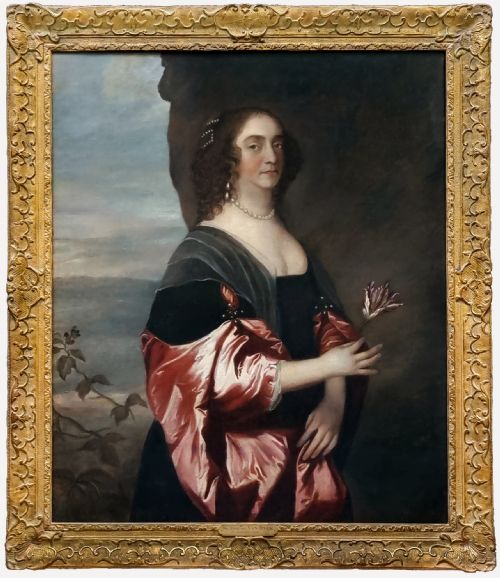
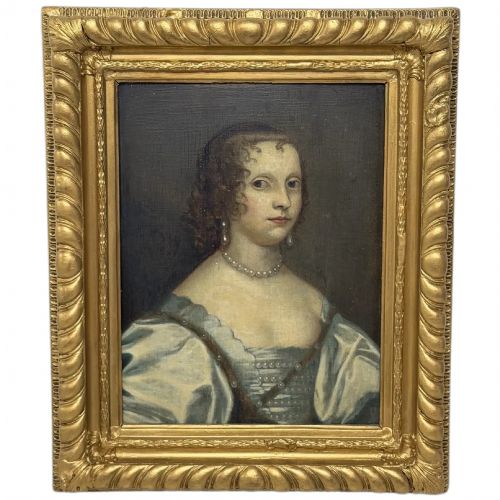
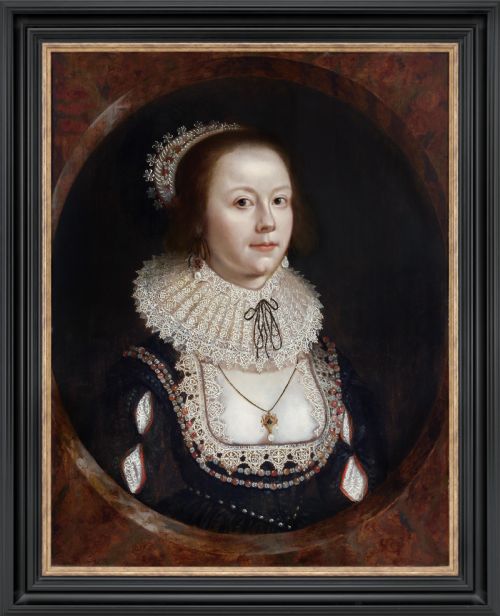
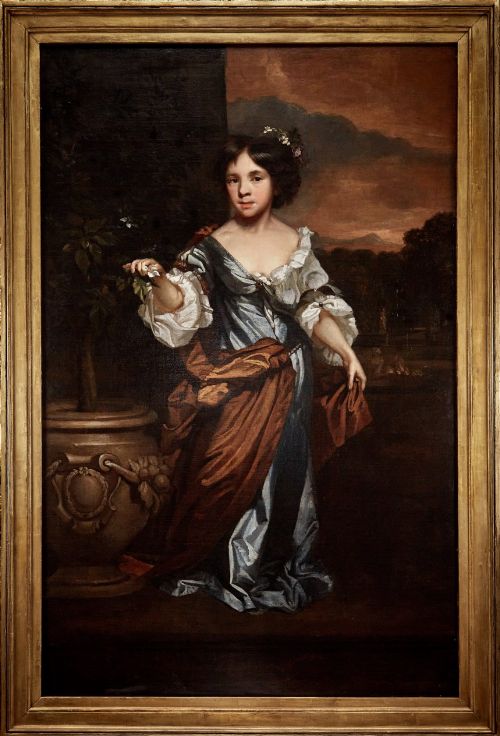
A stuart era portrait captures the dignified likeness of nobility, clergy and gentry through masterly oil painting on canvas or panel.
Stuart Era Portrait
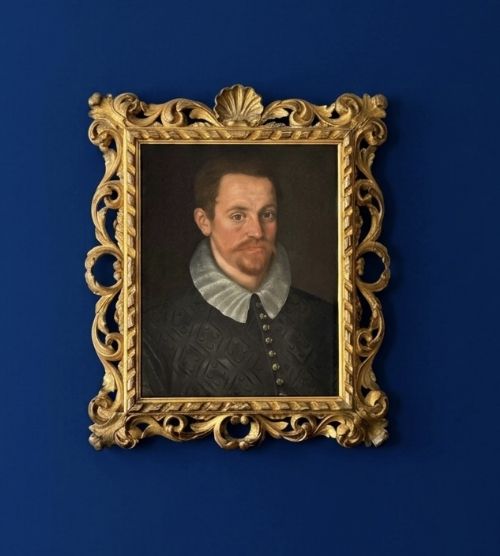
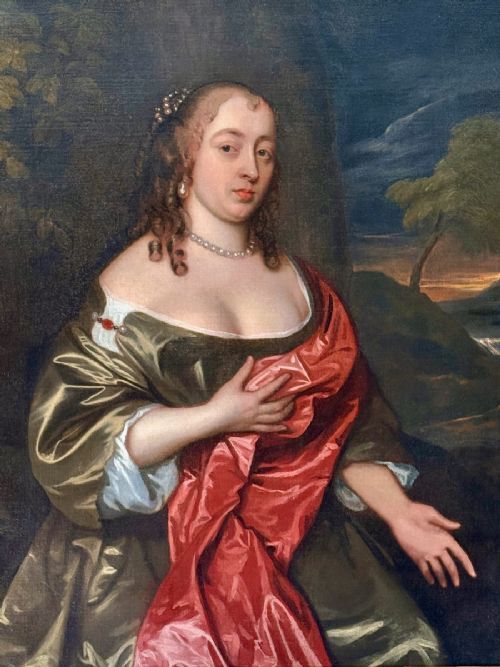
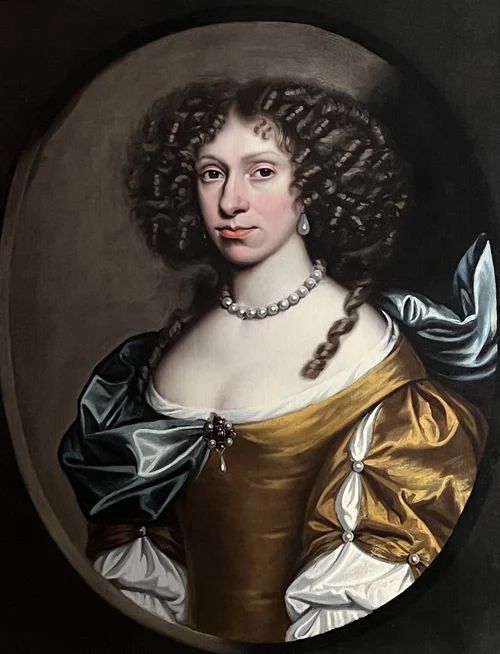
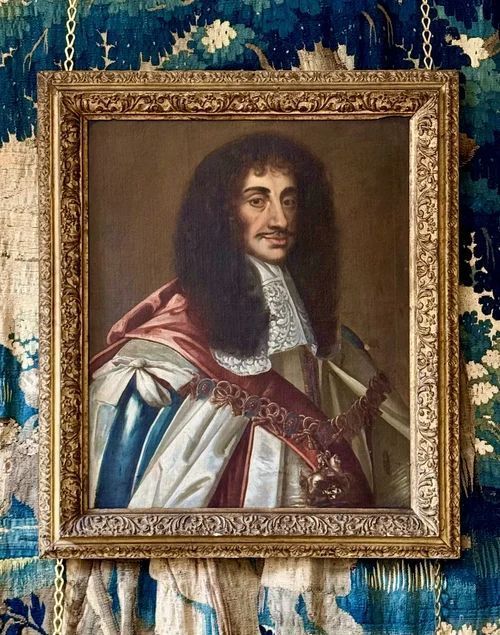
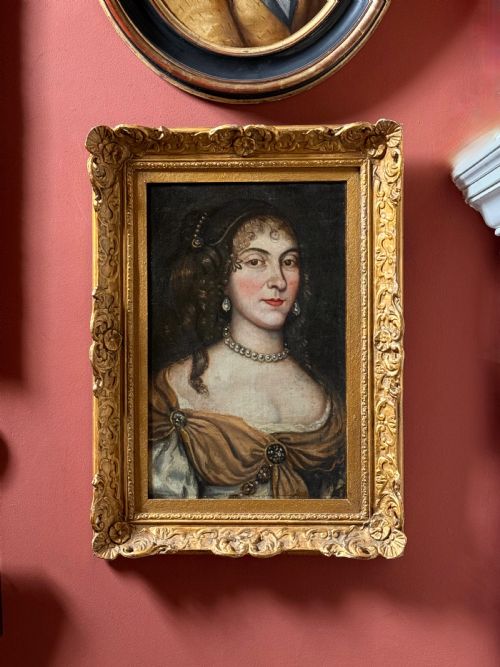
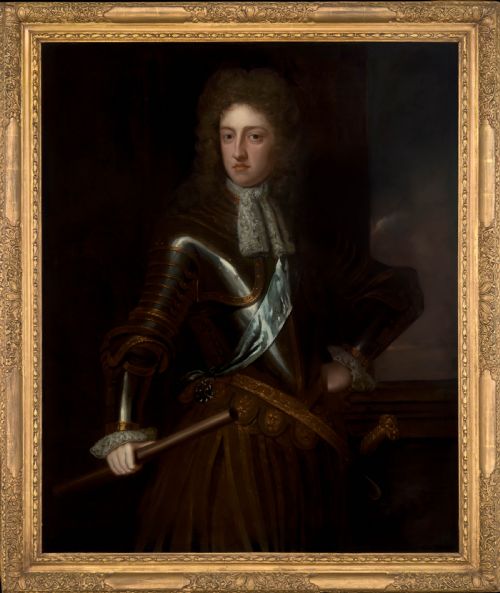
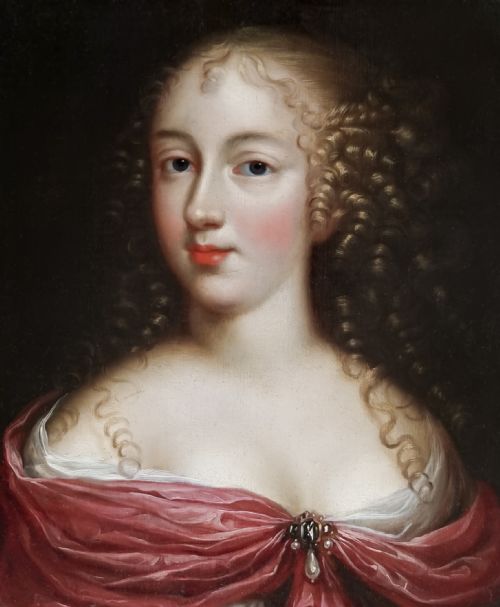
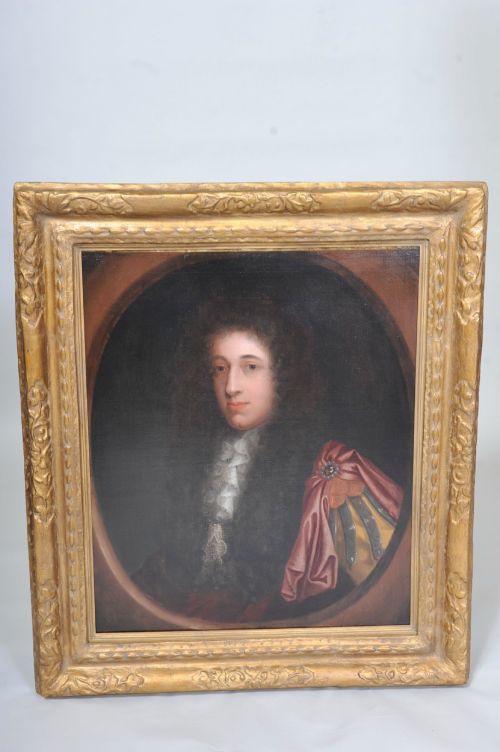
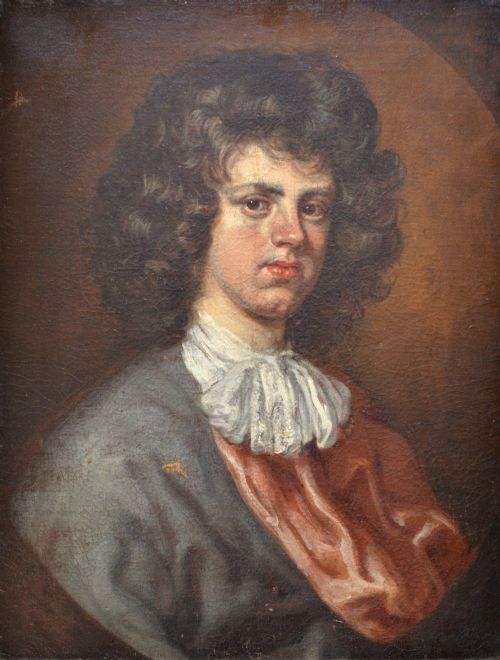
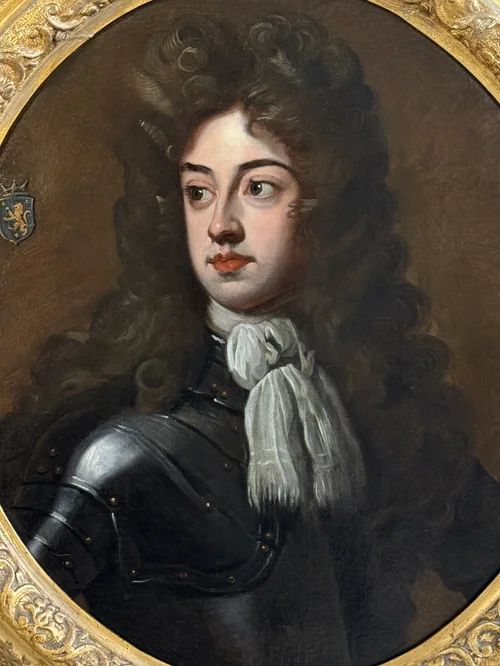
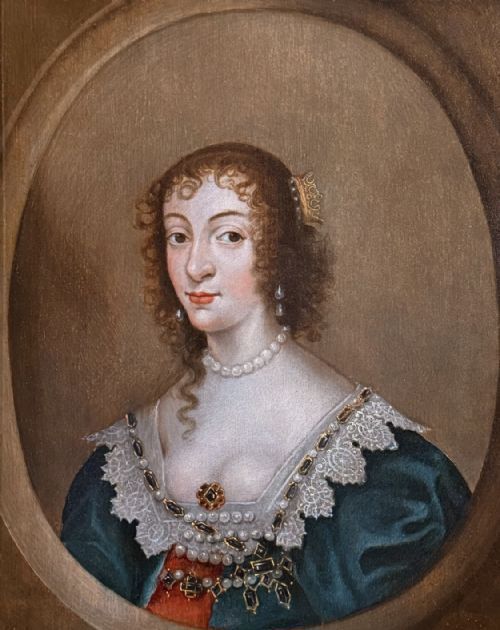
A stuart era portrait typically depicts notable figures from the seventeenth century, including noblewomen, clergymen and military commanders. These works reflect the shifting political and cultural landscapes of the period, ranging from Jacobean formality to Restoration elegance.
Buyers frequently encounter oil paintings on canvas or oak panel, often framed in period-appropriate giltwood. Subjects are rendered with distinct attention to sumptuous attire, lace ruffs and elaborate wigs, demonstrating the social status of the sitter.
The selection includes works by regional British schools as well as pieces attributed to prominent workshops and circles of notable court painters. These portrayals serve as historical windows into the fashion, aristocracy and influential figures of seventeenth-century Britain.
Materials and Techniques
Artists of this period primarily utilised oil paint applied to prepared canvas or sturdy oak panels. The choice of ground and pigment determined the longevity and depth of the depiction, allowing for rich representation of velvet, silk and skin tones.
Listings feature oil on canvas and oak panel substrates spanning the seventeenth century, complemented by giltwood frames and historical engravings.
Evaluating Artistic Merit
Quality in a stuart era portrait rests upon the precision of facial rendering and the psychological depth conveyed by the artist. Master painters captured intricate lace, embroidery and light convincingly, whereas lesser studio iterations might show stiffness in posture and formulaic drapery.
The provenance and direct association with documented workshops or circles of master painters elevate the standing of a canvas. Preservation of the original paint layer and minimal historical restoration further distinguish museum-grade examples from standard works.
John Hayls·David Scougall·Sir Peter Lely·Sir Godfrey Kneller·Pierre Mignard·Mary Beale·John Greenhill·John Riley·John Closterman·Michael Dahl·Cornelius Johnson·Johann Kerseboom·John Michael Wright
The Stuart Era Portrait Glossary
- Baroque
- A style of European architecture, music and art of the seventeenth and eighteenth centuries characterised by ornate detail and dramatic expression. In portraiture, this translated into grand, dynamic poses and rich interplay of light and shadow.
- Jacobean
- The early period of the seventeenth century, corresponding to the reign of James I. Portraits from this phase often feature rigid, formal stances and heavily patterned, linear clothing.
- Restoration
- The period following the return of Charles II to the English throne in 1660. Portraiture shifted towards a more relaxed, continental European influence inspired by Baroque aesthetics.
- Doublet
- A man's close-fitting jacket worn during the Renaissance and seventeenth century. They frequently featured elaborate embroidery and slashed fabrics as seen in early stuart depictions.
- Mezzotint
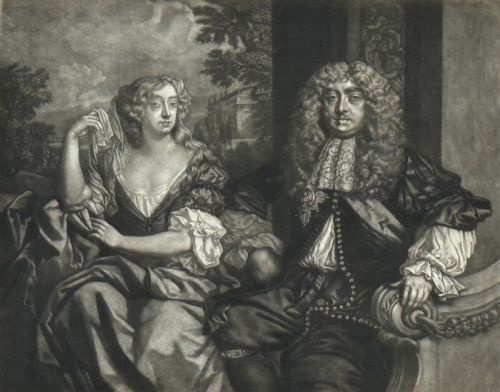
- A printmaking process of the printmaker's art that allows for halftone gradients. This technique was widely utilised to translate painted seventeenth-century likenesses into monochrome prints.
Stuart Era Portrait: Frequently Asked Questions
What lighting is best for these artworks?
Display the canvas away from direct, harsh sunlight to prevent fading of the oil pigments and degradation of the underlying canvas or panel. Low-heat LED picture lights positioned above the frame offer safe illumination.
Maintain stable room temperatures and moderate humidity to prevent the oak panels or canvas from warping and cracking over time.
How can I identify the sitter in a portrait?
Look for contemporary inscriptions on the front or reverse of the canvas, which often record the name, age or title of the individual. Heraldic crests, coats of arms or specific military regalia also provide vital clues for identification.
Archival records, sitter registers and comparison with known engravings by printmakers often help historians connect a face to a documented historical figure.
What is the difference between panel and canvas works?
Earlier seventeenth-century works were frequently painted on sturdy oak panels, providing a rigid support that influenced the flat, precise nature of Jacobean painting. Canvas became increasingly dominant as the century progressed.
Canvas allowed for larger, more dynamic compositions favoured by Baroque painters influenced by continental techniques.