
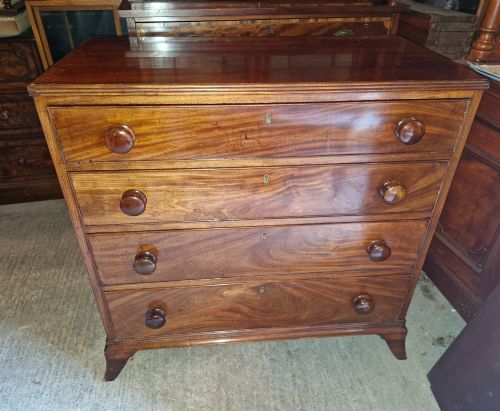
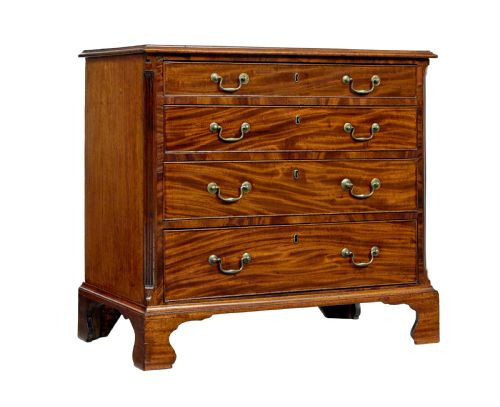
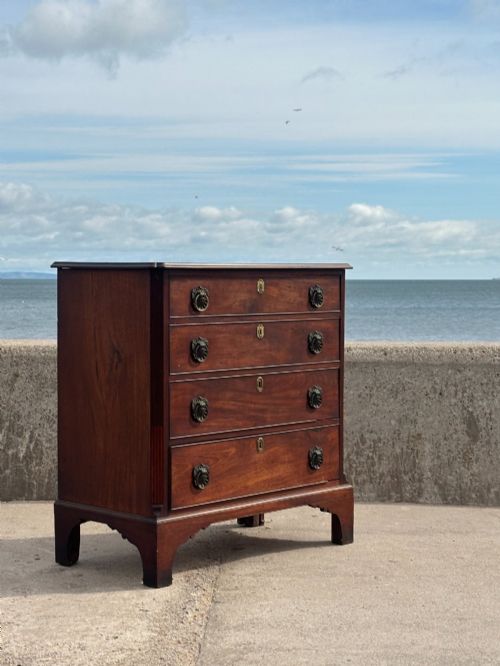
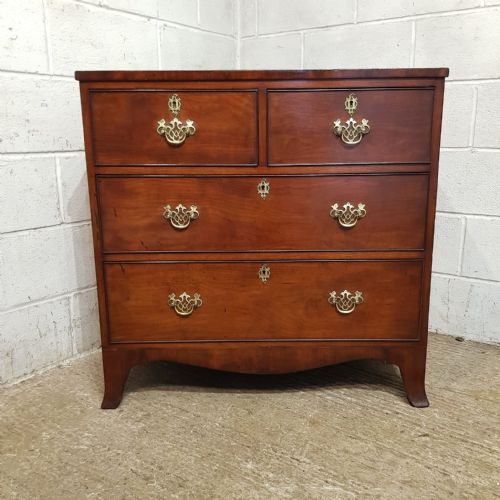




Straight Front Chest Drawers
When buying a straight front chest drawers, you are choosing a timeless storage piece crafted in mahogany, oak, or walnut across Georgian and Victorian periods.
Straight Front Chest Drawers
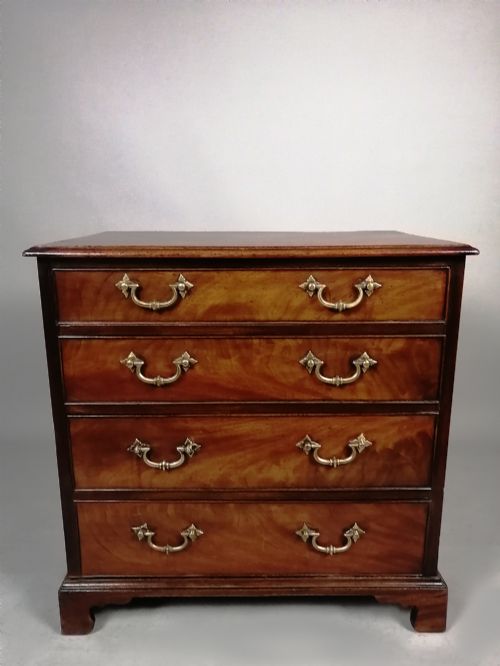
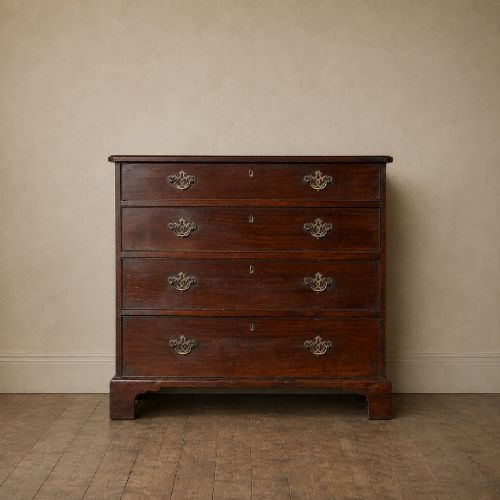
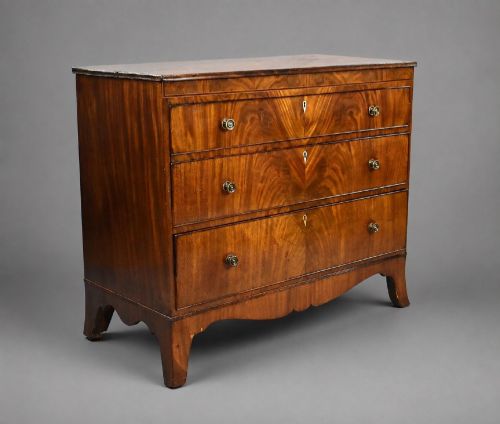
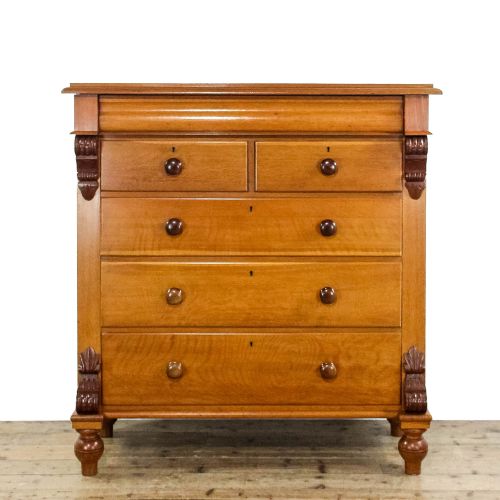
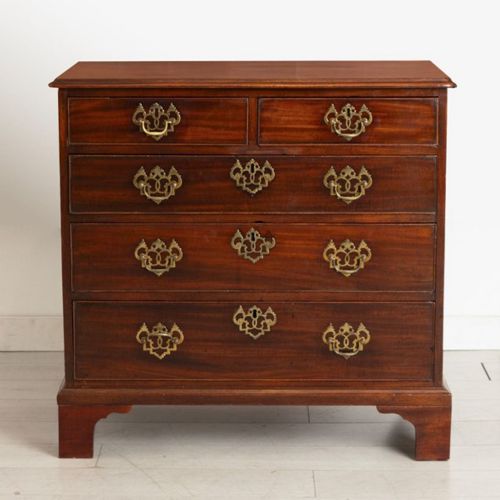
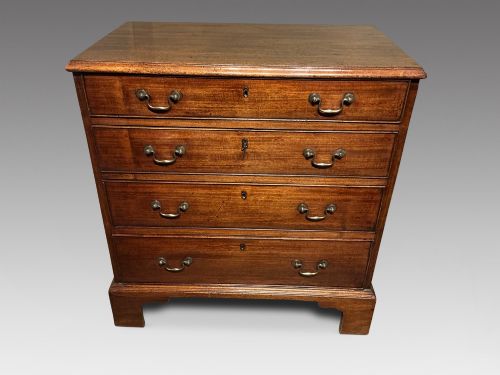
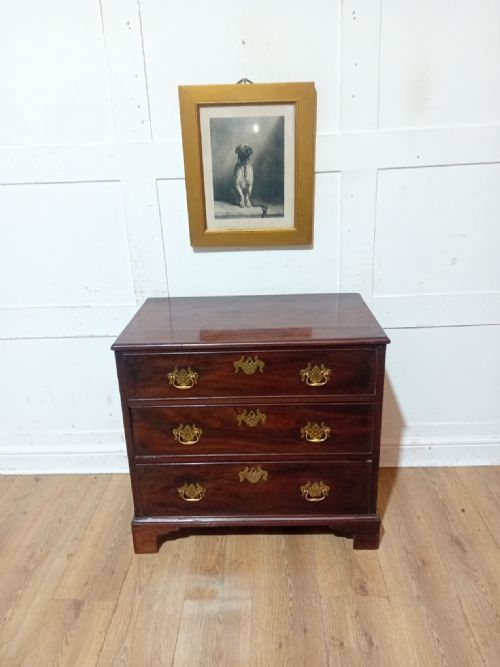
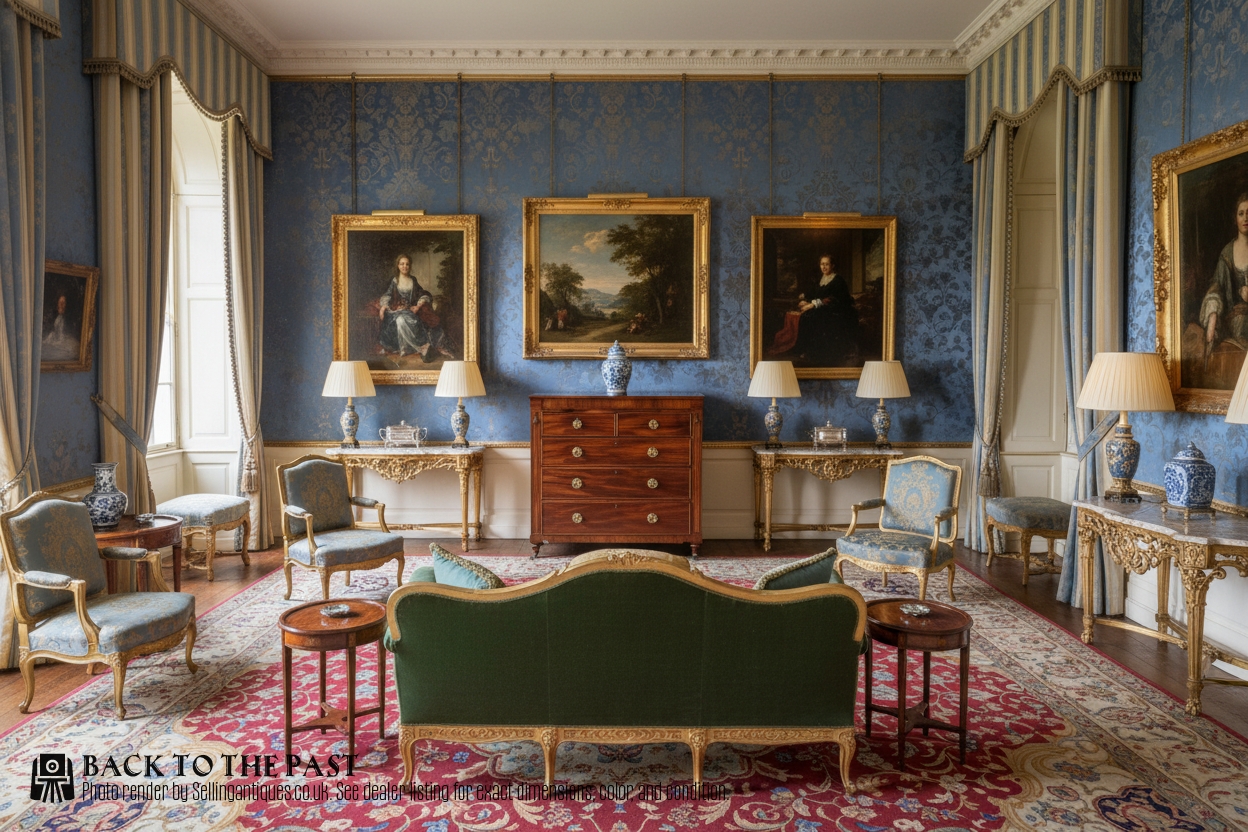
A straight front chest drawers provides classic rectangular storage with vertically stacked drawers running flush to the front facade, entirely avoiding serpentine or bow curves. Most examples found here originate from the Georgian, Regency, and Victorian eras, built primarily for domestic bedchambers and dressing rooms.
The form spans compact bachelor chests with sliding writing surfaces to tall four-height proportions and grander configurations. Mahogany remains the dominant timber across the 18th and 19th centuries, though sturdy oak and occasional satin walnut or pine variants appear regularly.
How They Were Made
Cabinet makers constructed these carcases using solid timbers such as mahogany and oak, often incorporating secondary woods like pine for internal framing and drawer linings. Joinery relied on hand-cut dovetails for drawer construction, ensuring structural durability that outlasts modern manufacturing.
Surface decoration utilised natural grain figures like flame mahogany, alongside delicate satinwood crossbanding, line inlay, and brass hardware ranging from oval plates to original drop handles.
Straight Front Chest Drawers Retail Price Guide 2026
Typical asking prices for straight front chest drawers among the pieces listed under this phrase on Sellingantiques today, from the lower quarter to the upper quarter. They describe what is for sale here now, not the wider market.
Some Georgian bachelor chests doubled as mini writing desks via a clever pull-out slide for morning correspondence.
What Varies in Quality
The distinction between ordinary and exceptional pieces lies in timber selection, particularly the choice of figured mahogany or well-figured oak, alongside the crispness of hand-cut dovetailing. Superior examples retain original period brass handles, functional brushing slides, and authentic bracket or ogee feet rather than later replacements.
Proportion and internal integrity dictate lasting value, where smooth drawer runners and secondary oak linings indicate high-grade workshop execution from makers adhering to Georgian or Victorian cabinet-making standards.
Mawer and Stephenson·Gillows
The Straight Front Chest Drawers Glossary
- Brushing slide
- A pull-out shelf positioned just below the top surface, traditionally used for writing or folding garments before modern desks became common in every bedchamber.
- Bracket foot
- A simple architectural corner foot supporting the carcase, shaped in a gentle ogee or standard bracket curve typical of 18th-century cabinet work.
- Crossbanding
- A decorative border technique where thin strips of veneer are laid across the grain direction, frequently utilising contrasting timbers like satinwood around a mahogany drawer front.
- Graduated drawers
- A sequence of drawers diminishing in depth from bottom to top, creating balanced visual proportions and accommodating bulkier items closer to the floor.
Straight Front Chest Drawers: Frequently Asked Questions
What is a straight front chest of drawers?
A straight front chest drawers is a traditional rectangular storage unit where the drawer faces sit flat along the front plane, distinguishing them from curved or serpentine designs.
These pieces were essential bedroom furniture from the 18th century onward, offering robust vertical storage built from timbers like mahogany and oak.
How do I date a Georgian chest?
Dating relies on observing construction methods, timber choices, and hardware styles, with early pieces featuring hand-cut dovetails, oak linings, and bracket feet.
Georgian examples often utilise Cuban mahogany and incorporate period-specific details like original brass handles or sliding brushing shelves.
Where were these chests used?
They were primarily designed for domestic bedchambers, dressing rooms, and hallways to store clothing, linens, and personal possessions securely out of sight.
Their robust construction and flat facades allowed them to sit flush against bedroom walls while serving as a surface for mirrors and decorative items.
How do I care for antique mahogany?
Maintain antique mahogany by keeping it away from direct sunlight and rapid temperature fluctuations that can dry out the historic timber and finish.
Apply occasional traditional wax polish to nourish the wood and preserve the natural grain figures without sealing the surface with modern synthetics.