

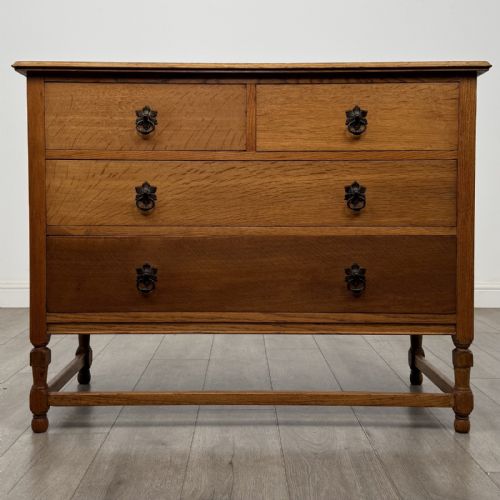
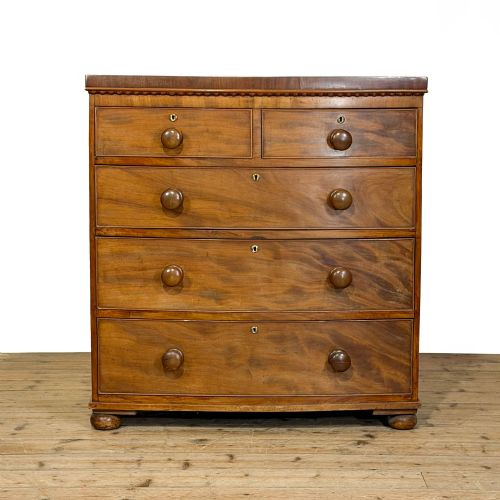
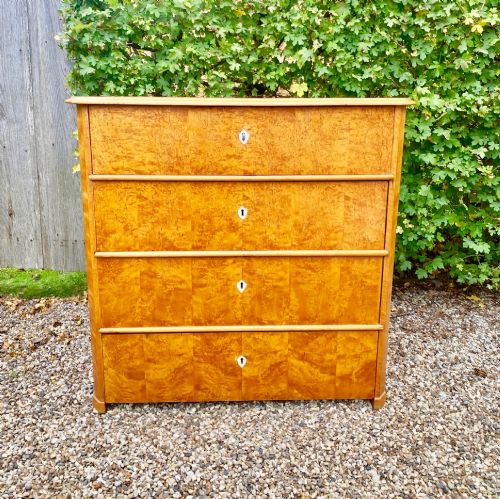
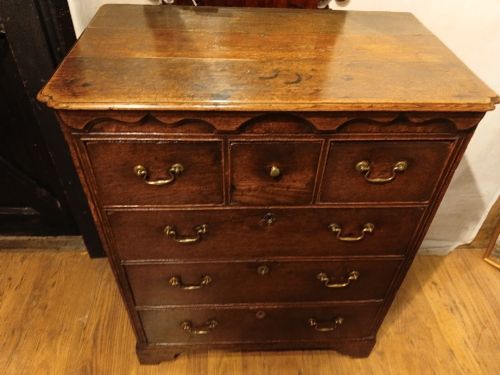
Storage Chest with Drawer
A storage chest with drawer is a practical piece offering deep compartment space paired with smaller drawers, originating primarily in oak and mahogany.
Storage Chest with Drawer
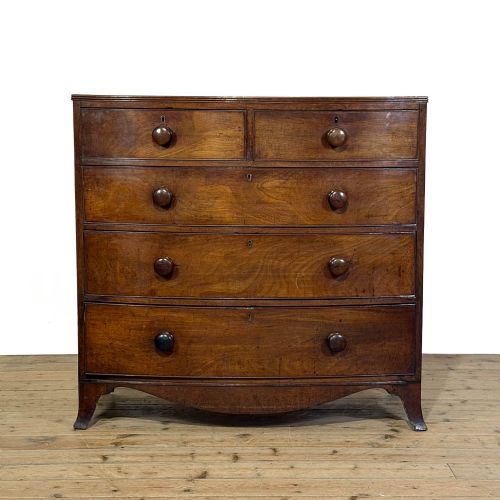
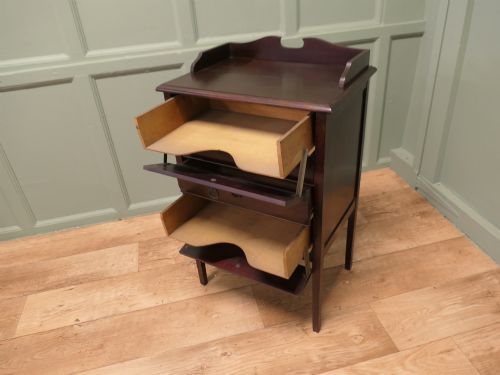
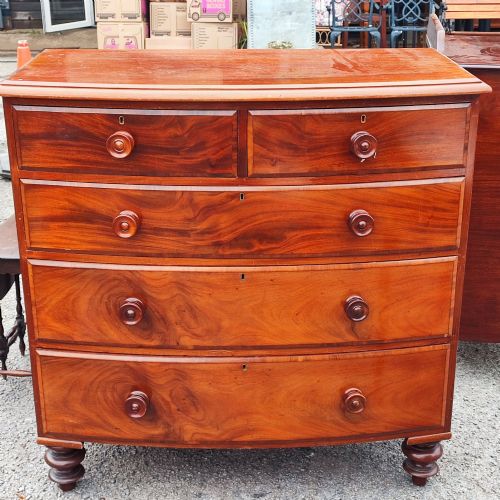
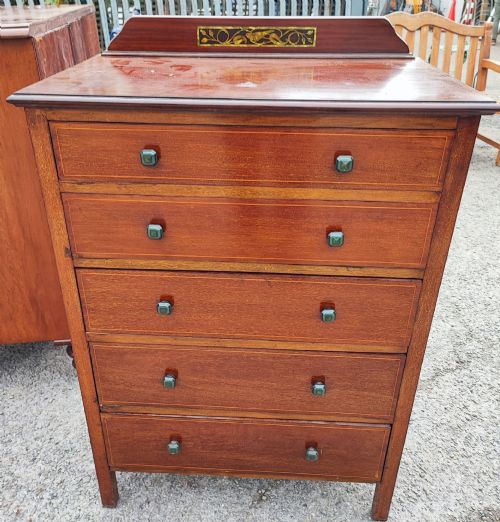
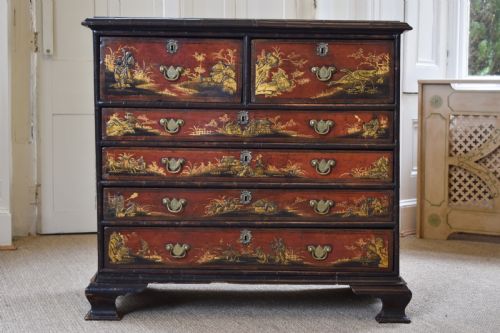
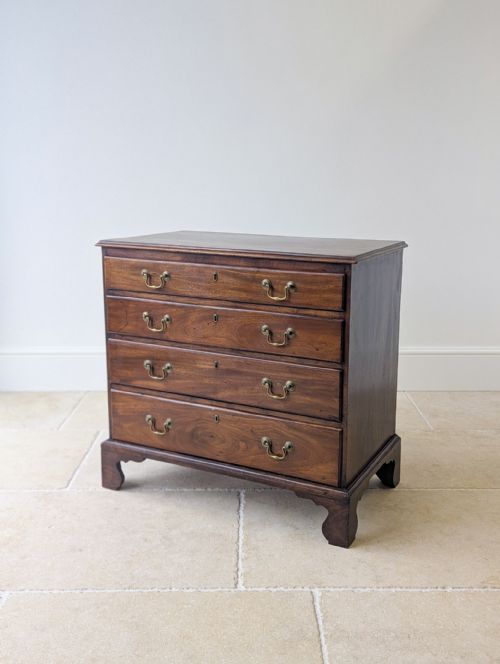
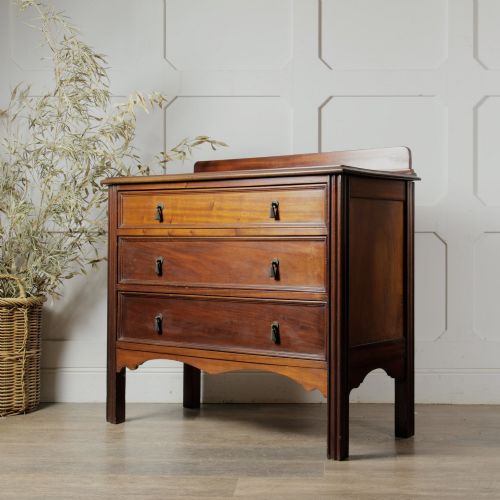
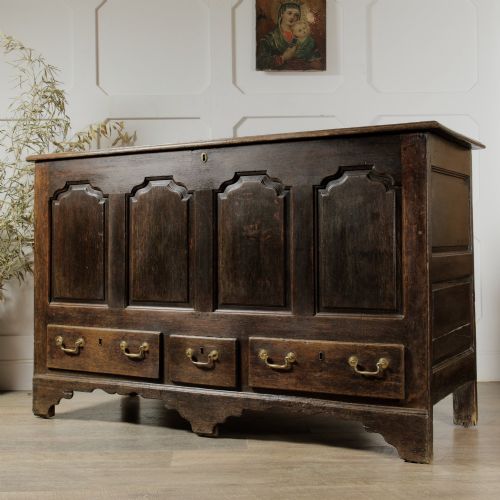
A storage chest with drawer unites deep main compartments for bulky linens or possessions with integrated lower or internal drawers for smaller items. Pieces span the 17th century through the Edwardian era, taking the form of mule chests, coffer bachs, and traditional chests of drawers.
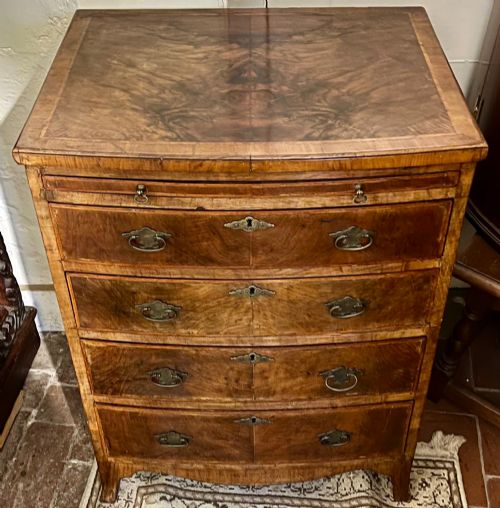
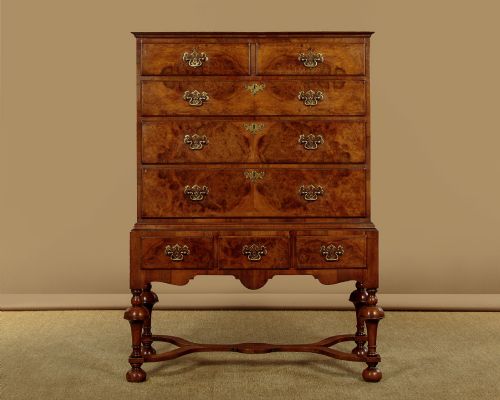
Oak and pine examples emerge most frequently from the 18th and 19th centuries, often featuring practical additions like brushing slides or secret compartments. Walnut and mahogany versions appear alongside French styles topped with marble.
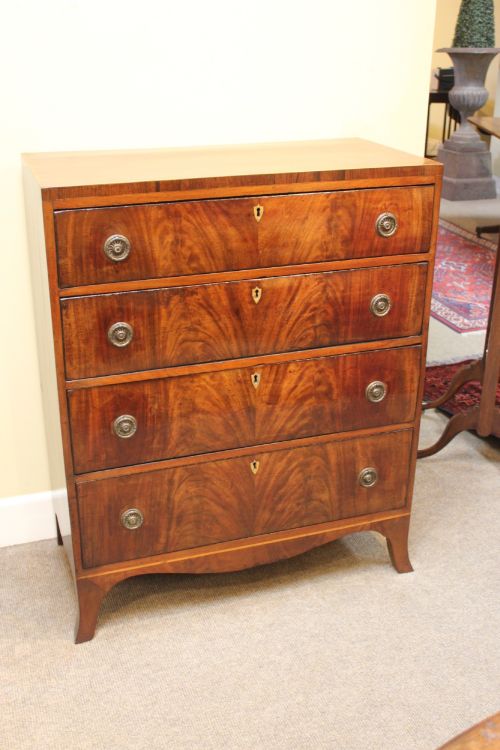
The selection here encompasses country pine trunks alongside formal Georgian bachelor chests and Victorian linen presses. Buyers find both rustic boarded storage and refined crossbanded pieces designed for formal chambers.
Materials and construction methods
Cabinetmakers utilised solid timbers including oak, mahogany, walnut, and pine, frequently applying flame mahogany veneer or marquetry inlay to primary display surfaces. Frame and panel construction accommodated seasonal wood movement in heavy oak mule chests.
Hardware consists of brass drop handles, pierced brasses, and turned wooden knobs, while interiors often incorporate secret compartments or internal tills. Wax finishes preserve the original grain on pine and oak surfaces.
Storage Chest with Drawer Retail Price Guide 2026
Typical asking prices for storage chest with drawer among the pieces listed under this phrase on Sellingantiques today, from the lower quarter to the upper quarter. They describe what is for sale here now, not the wider market.
Several chests hide secret drawers, built for tucking away modest treasures where inquisitive houseguests least expect to look.
Distinguishing finer examples
The degree of refinement in timber selection and secondary enhancements separates standard utility trunks from exceptional pieces. Figured mahogany, elaborate crossbanding, and marquetry inlay elevate the visual presence of Georgian and Victorian items.
Original hardware, untouched patination, and secondary details such as functioning secret drawers or original brass acorn handles determine the desirability of a piece. Structural integrity in the drawer runners and panel joints remains vital across all periods.
Shapland & Petter
The Storage Chest with Drawer Glossary
- Mule chest
- A traditional storage chest featuring one or more functional drawers beneath the main lidded compartment. This form bridges the gap between the simple coffer and the chest of drawers.
- Brushing slide
- A pull-out shelf inset into the upper section of a chest, historically utilised for folding clothes or writing. It sits discreetly above the uppermost drawer.
- Coffer bach
- A small Welsh oak chest featuring a drawer below the main compartment, traditionally used for household storage. The term translates from Welsh as little coffer.
- Crossbanding
- A decorative border applied to furniture surfaces where the grain runs perpendicular to the main panel. It frames the top or drawer fronts of finer Georgian pieces.
- Linen press
- A tall storage cabinet combining upper sliding shelves or hanging space with lower drawers. Victorian and Georgian examples frequently utilise mahogany or pine.
Storage Chest with Drawer: Frequently Asked Questions
How were storage chests with drawers used historically?
These pieces served as primary storage furniture in bedrooms and parlours for clothing, household linen, and valuables. The lower drawers provided quick access to smaller items without lifting the heavy top lid.
Over centuries, specific variations emerged for different rooms, from rustic pine trunks in farmhouses to elegant mahogany bachelor chests in townhouses.
How do I care for a waxed pine or oak chest?
Maintain the timber by applying a quality beeswax polish sparingly and buffing with a soft cloth to preserve the finish. Keep wooden furniture away from direct heat sources and dramatic humidity shifts to prevent splitting.
Allow the natural patination to develop over time rather than attempting aggressive cleaning on antique waxed surfaces.
How can I tell a Georgian chest from a Victorian one?
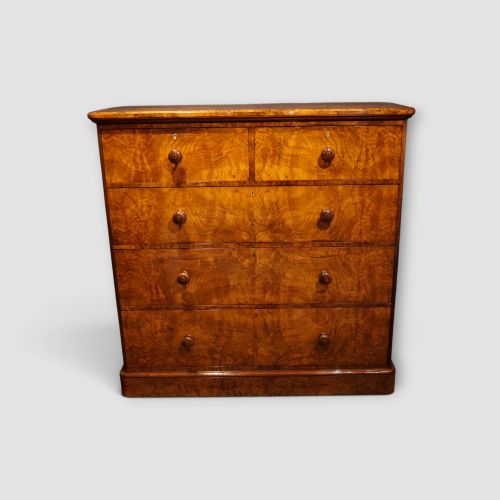
Georgian pieces from the 18th century often showcase proportioned mahogany, subtle crossbanding, and refined brass hardware. Victorian examples frequently utilise denser timbers, pitch pine, or burr walnut with heavier turned handles.
Construction techniques also shift, with earlier pieces showing hand-cut dovetails and later 19th-century items reflecting industrial standardisation.