
Storage Chest Trunk
When searching for a storage chest trunk, you are looking at substantial vessels built to hold household textiles and valuables.
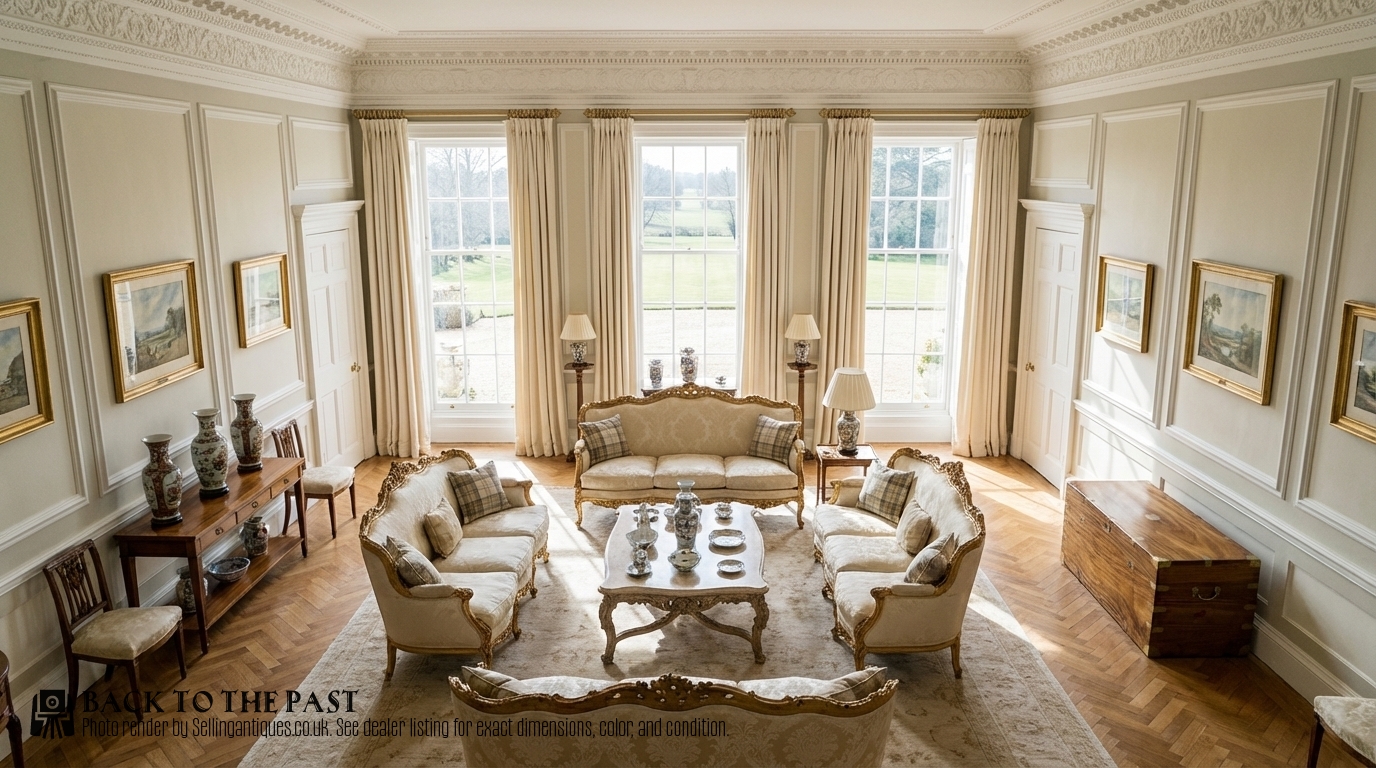
Storage Chest Trunk
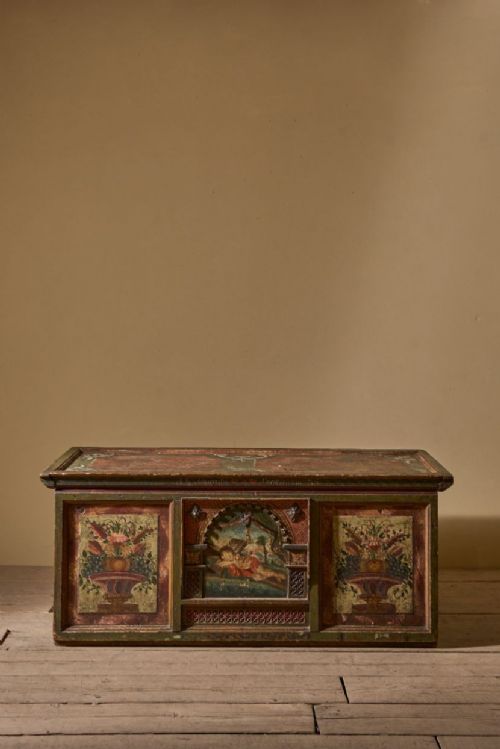
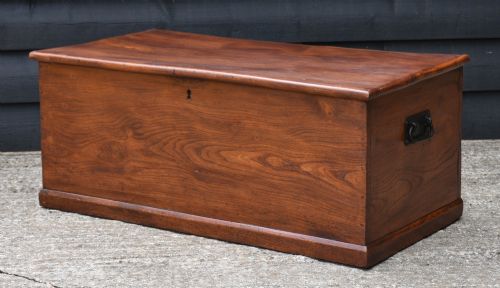
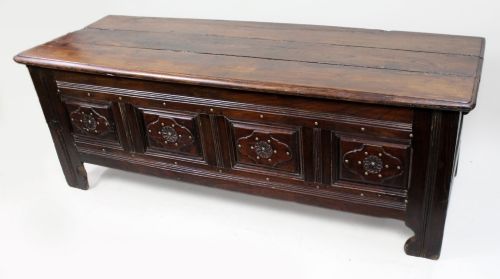
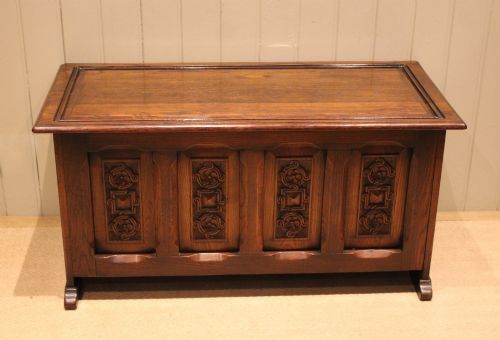
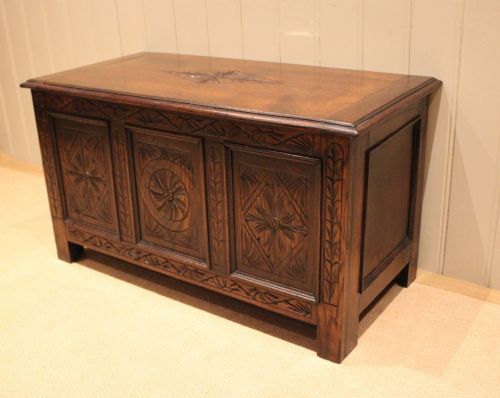
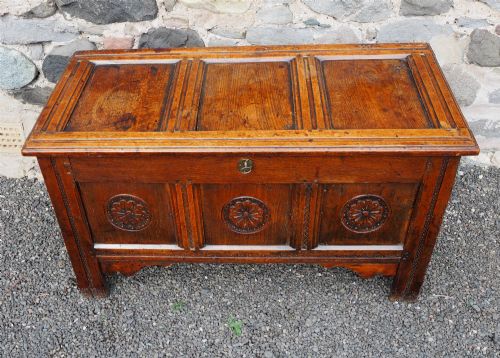
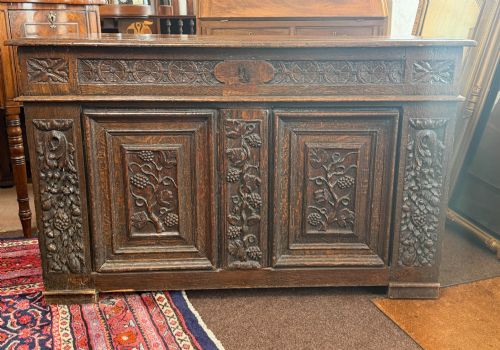
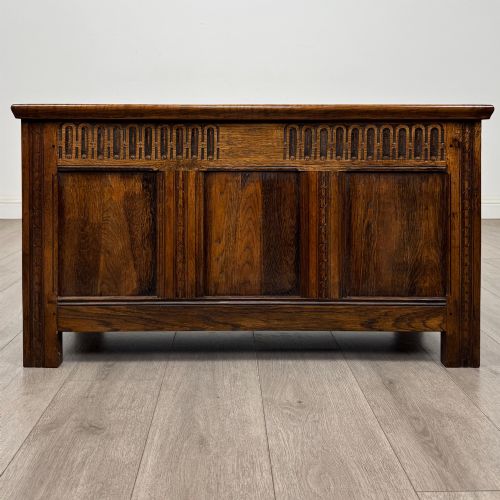
A storage chest trunk encompasses heavy-duty wooden boxes, oak coffers, and campaign chests built for domestic storage or travel. These pieces range from seventeenth-century paneled oak coffers to nineteenth-century camphor wood travelling trunks.
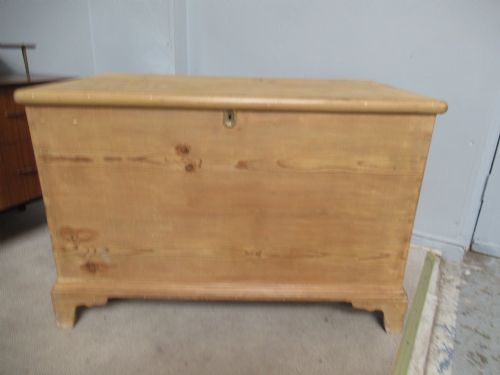
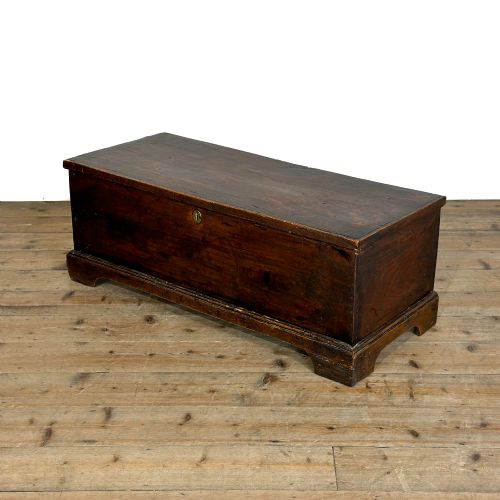
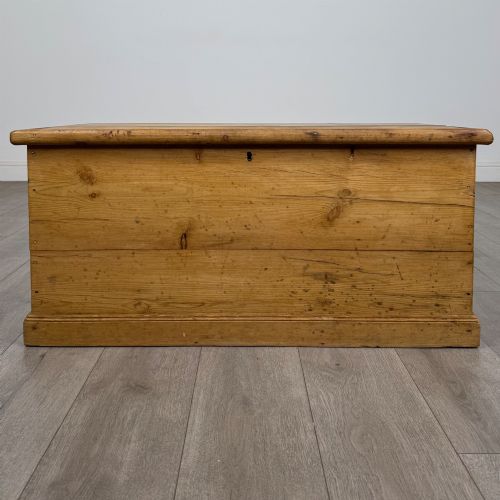
The most common examples encountered on this page are domestic pine blanket boxes from the Victorian era alongside sturdy oak coffers from earlier centuries. Buyers use these utilitarian objects today as coffee tables, linen storage, and architectural focal points in living spaces.
Origins span British regional workshops, European makers, and global trade routes, reflecting centuries of practical woodworking traditions.
How they were made
Construction relies heavily on native timbers such as oak, elm, and pine, joined through traditional paneling, dovetailing, or simple six-plank methods. Early pieces depend entirely on pegged joints and hand-cleaved boards rather than modern fasteners.
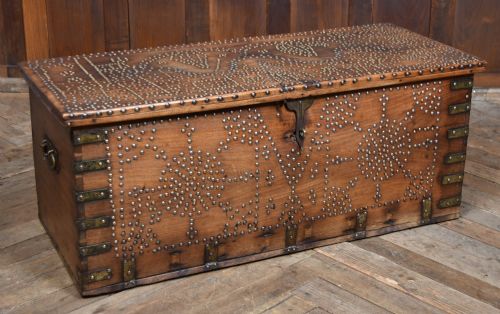
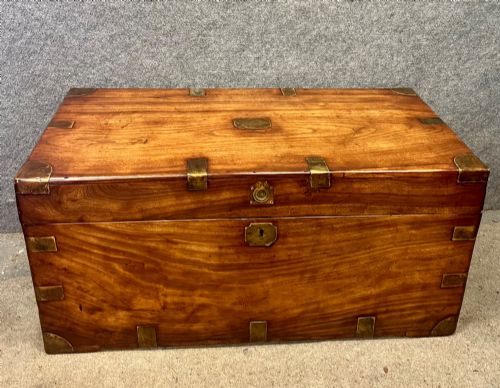
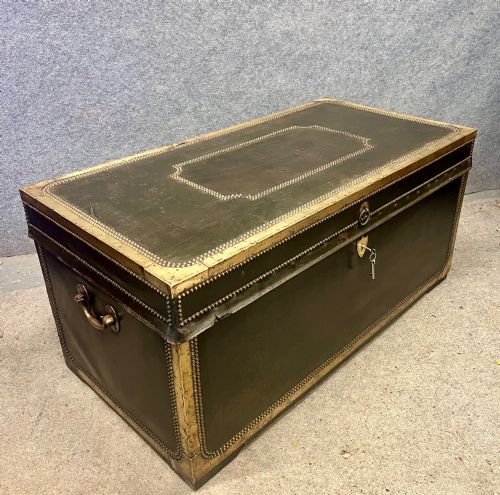
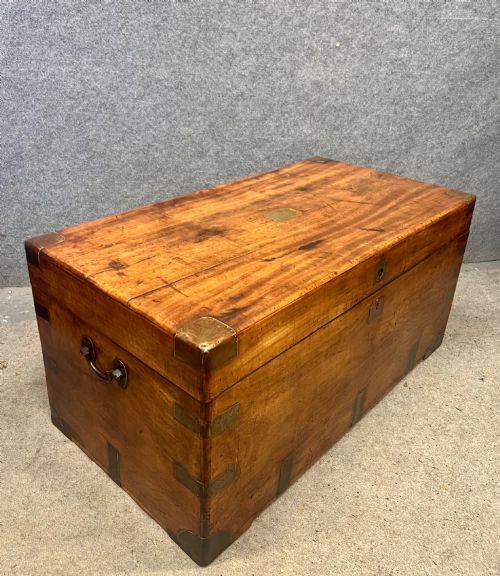
Travel-oriented trunks incorporate protective materials including brass bands, iron straps, and studded leather to withstand long journeys at sea or overland. Camphor wood and teak feature frequently in overseas trade boxes due to their natural resistance to humidity and insects.
Listings feature regional British country furniture alongside utilitarian pine travel chests and exotic camphor wood trade boxes from the nineteenth century.
What varies in quality
Quality rests on the integrity of the timber selection, the complexity of the joinery, and the degree of original hardware retained on the box. Heavy brass mountings, hand-carved panels, and integrated internal till drawers elevate the status of a piece far above simple utility.
Proportion and surface patination dictate desirability, with untouched waxed finishes and tight timber grain marking out superior examples from heavily restored or altered trunks.
Samuel Pratt·Lambert London
The Storage Chest Trunk Glossary
- Coffer
- A heavy wooden chest traditionally used for storing valuables or documents. These box forms often feature hinged lids and sturdy paneled construction.
- Campaign trunk
- A portable storage chest designed for military officers on the move. They typically incorporate recessed brass handles, corner brackets, and durable exotic woods like camphor.
- Mule chest
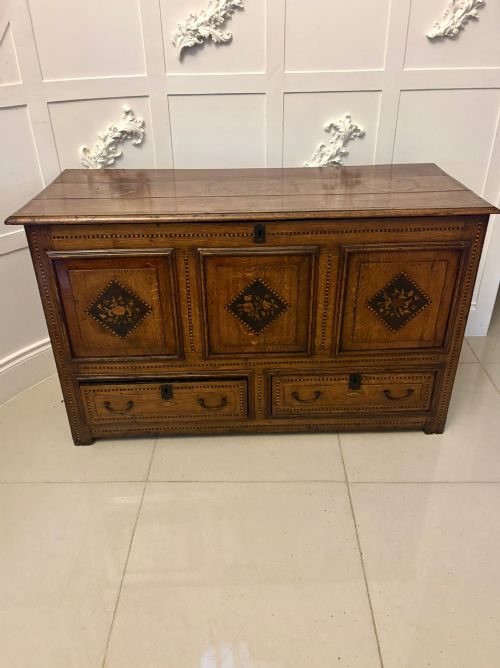
- A storage chest that combines the deep box of a coffer with one or more drawers at the base. This hybrid form gained popularity during the Georgian period for linen and clothing.
- Six-plank
- A primitive construction method utilising six flat boards joined at the edges to form a box. This technique is typical of early country furniture.
- Cassone
- A traditional Italian chest used for marriage goods and household valuables. These decorative boxes often display intricate carving, inlay, or painting.
Storage Chest Trunk: Frequently Asked Questions
How do I use a trunk as a coffee table?
A flat-topped chest functions well as a coffee table by providing both a sturdy surface for books and hidden storage underneath for blankets. Ensure the height matches your seating before placing it centrally in a room.
Heavier oak or leather-bound trunks tolerate daily domestic use easily. Simply protect the historic wood finish with coasters and gentle waxes.
What is the difference between a coffer and a trunk?
A coffer generally denotes a heavy, rigid wooden box, often paneled and carved, originating from domestic or ecclesiastical settings. A trunk more frequently implies a travelling container, sometimes clad in leather or fitted with metal mounts for transport.
Over centuries, the terms have overlapped significantly in everyday descriptions. Examining the interior fittings and handles usually clarifies the intended original function.
How do I care for antique camphor wood?
Camphor wood naturally releases aromatic oils that repel insects and protect stored textiles. Keep these chests away from direct heat sources to prevent the wood from drying out or splitting.
Clean the exterior using a dry or barely damp cloth to preserve the patina. Avoid modern chemical polishes that can degrade historic wax layers.
Are these chests safe for storing vintage linens?
Solid wood chests protect textiles effectively from light and dust. Lined interiors in camphor wood or cedar additionally deter moths and mildew naturally.
Ensure historical items are clean and completely dry before placing them inside enclosed wooden spaces. Acid-free tissue paper helps separate delicate fabrics within deep compartments.