







Stone Plant Stands
Stone plant stands are heavy, sculptural supports designed to elevate greenery and art, drawing the eye upwards with classic architectural presence.
Stone Plant Stands
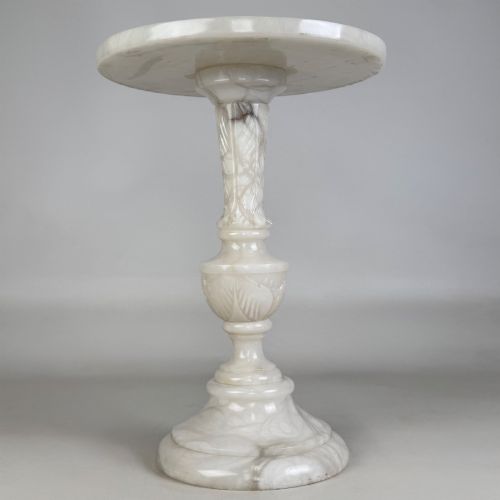
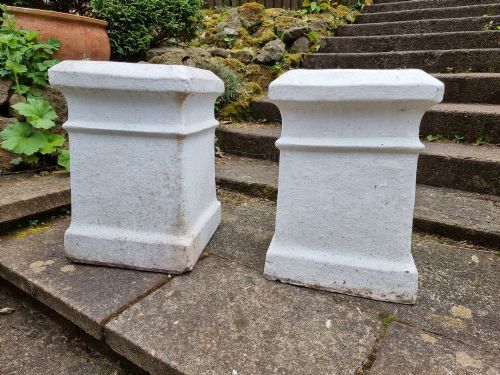
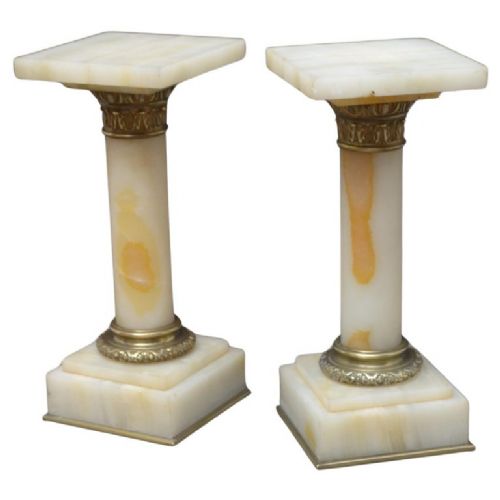
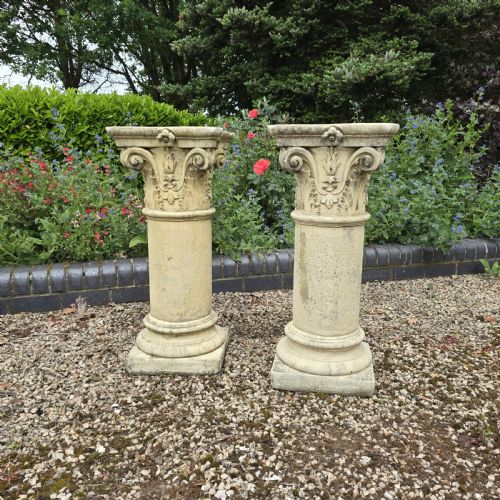
Stone plant stands take many forms on this page, appearing primarily as classical columns, pedestals, plinths, and torchere stands alongside occasional side tables. Buyers seeking stone plant stands encounter pieces shaped by Neoclassical, Victorian, and Art Deco influences, functioning as display furniture for plants, busts, and lamps.
The selection ranges from tall, slender marble columns to low chimney pots and multi-tiered onyx stands. Origins span the nineteenth century through the mid-twentieth century, with specific materials like scagliola and rootwood expanding the traditional definition of stone.
How they were made
Makers shaped these stands from natural and composite stones, utilising marbles such as Verde Antico, Arabescato, serpentine, and Carrara alongside alabaster, onyx, and terracotta. Stoneware and scagliola provide alternative weight and texture, capturing the solidity required to bear heavy architectural loads.
Metal components frequently complement the stone structure, with brass, gilt bronze, and ormolu deployed as decorative collars, mountings, and tiers. Skilled carvers turned solid stone into fluted columns and smooth shafts, combining precision masonry with decorative metalwork.
Stone Plant Stands Retail Price Guide 2026
Typical asking prices for stone plant stands among the pieces listed under this phrase on Sellingantiques today, from the lower quarter to the upper quarter. They describe what is for sale here now, not the wider market.
What varies in quality
Quality rests upon the selection and working of the material, distinguishing simple utility from ambitious design. The finest examples display rich natural veining in the marble or alabaster, paired with crisply carved capitals and substantial ormolu or brass enrichment.
Proportion and stability dictate the upper tier of these pieces. Well-balanced shafts and heavy, square or circular bases ensure that columns and torcheres support heavy urns or sculptures securely without feeling top-heavy.
The Stone Plant Stands Glossary
- Scagliola
- A composite material made from selenite, glue, and pigments, moulded to imitate true marble and other fine stones. It allows for smooth, continuous columns without natural structural faults.
- Torchere
- A tall, slender stand originally designed to hold a torch or candle, later adapted for lamps and decorative plants. These pieces elevate light sources or greenery to eye level.
- Verde Antico
- A dark green serpentine marble historically quarried in Greece and Italy, prized for its mottled, cloudy appearance. It is frequently seen in nineteenth-century architectural columns.
- Ormolu
- Gilded bronze mounts applied to furniture and decorative stone objects during the eighteenth and nineteenth centuries. The technique adds metallic contrast and refined detail to stone shafts.
- Plinth
- The heavy base or block upon which a column, pedestal, or statue rests. It provides foundational stability and visually grounds the taller structure above it.
Stone Plant Stands: Frequently Asked Questions
How do I choose the right height?
Consider the weight and scale of the object you plan to display on top. Taller columns work well for trailing plants or solitary busts in corners.
Shorter plinths and torcheres suit heavier arrangements or spaces where you want a more grounded decorative presence.
Are these stands suitable for gardens?
Many stone and stoneware pieces function outdoors, but delicate alabaster and onyx stands are strictly for interior use. Check the specific material before placing any stand in a garden setting.
Frost and moisture can damage softer stones and corrode internal metal rods over time.
How do I clean marble and onyx?
Dust regularly with a soft, dry cloth to prevent surface scratching. Avoid acidic cleaners that etch polished stone surfaces.
Use a damp cloth with mild soap for heavier marks, drying the stone thoroughly afterwards.