


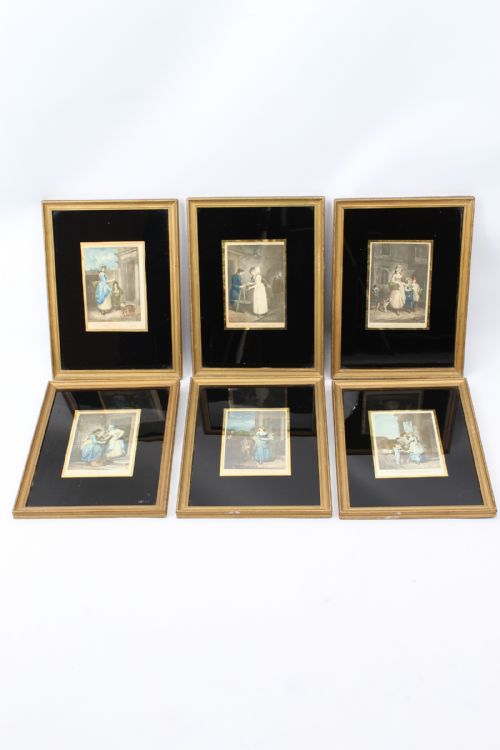


Stipple Engraving Prints
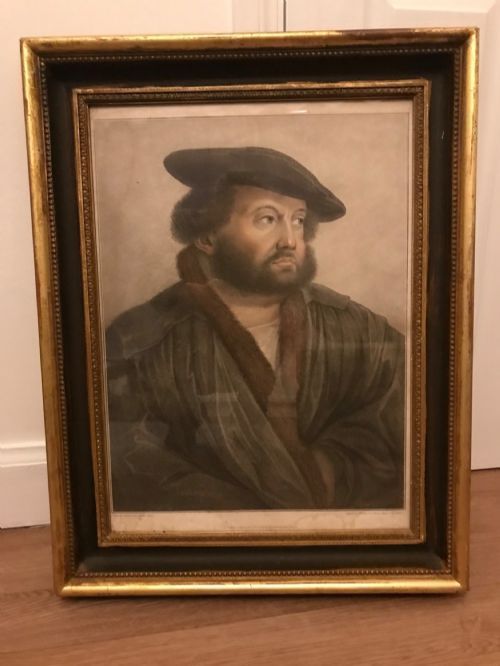
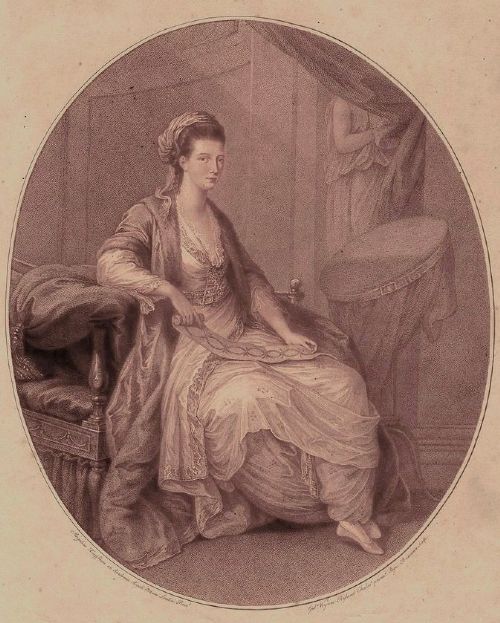
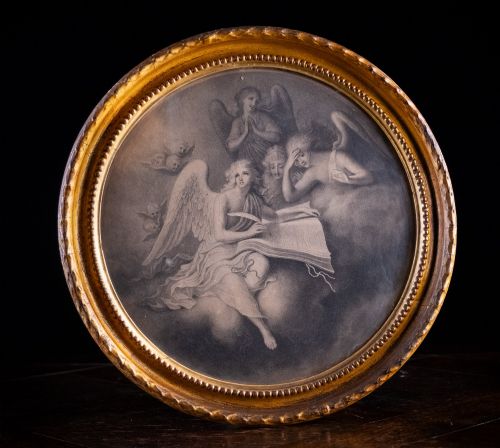
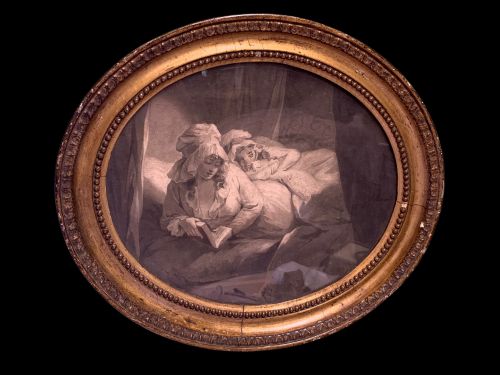
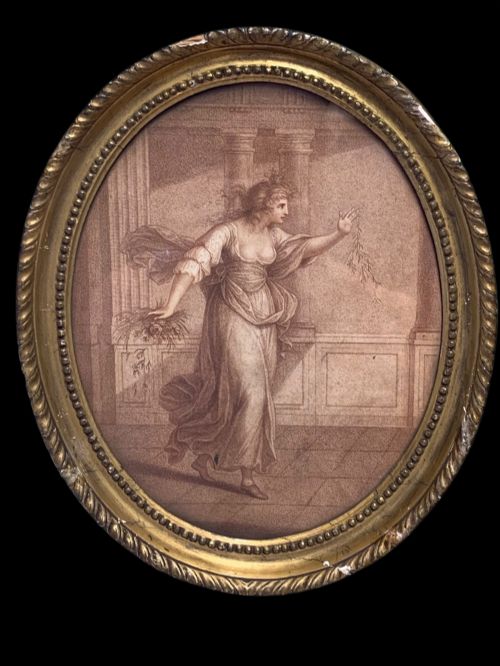
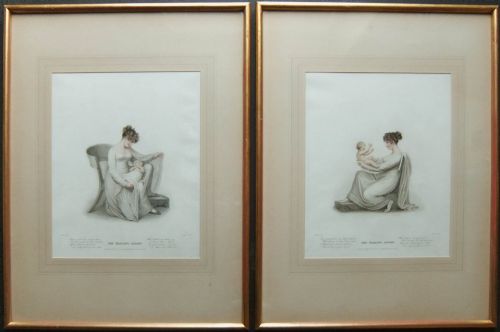
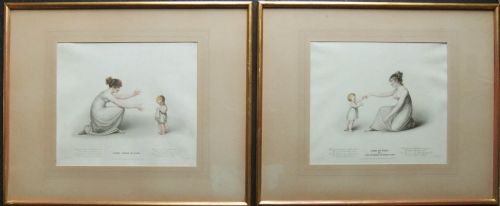
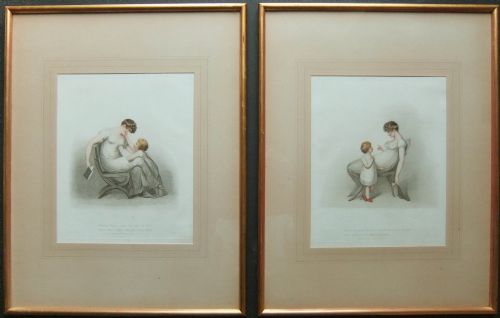
These stipple engraving prints capture fine portraits and domestic scenes using delicate dots of ink on paper, offering subtle tonal gradation.
Stipple Engraving Prints
Stipple engraving prints form a distinct group within historical graphic art, defined by the use of dots rather than continuous lines to render form and tone. When you search for stipple engraving prints, you encounter works spanning the eighteenth century, the Regency era, and later revivals.
The subjects on this page lean heavily towards portraits of notable figures, allegorical subjects like weeping angels, and sentimental domestic scenes by artists such as Adam Buck. Many examples arrive framed in period wood or giltwood frames that complement the paper sheets.
You meet both single sheets and pairs or sets, such as scenes from Wheatley's Cries of London. The materials consistently involve ink on paper, occasionally supplemented by hand-colouring or silk supports.
How they were made
Makers produced these plates by puncturing the copper surface with an etching needle through a ground, or by working directly with a stipple graver and mattoir to create clusters of dots. Heavier concentrations of dots created shadows and darker tones, while lighter spacing yielded highlights on the paper sheet.
Printers occasionally used red or brown ink instead of standard black to mimic the warmth of a red chalk drawing.
What varies in quality
The clarity of the dot matrix defines the visual strength of an impression, since worn copper plates yield blurred or muddy passages instead of crisp tonal transitions. Early impressions retain the fine micro-texture of the stipple work, whereas later printings lose definition in the shadows.
The survival of original framing materials and the presence of contemporary hand-colouring alter the character of each piece. Sheets preserved beneath glass with minimal fading maintain the delicate balance intended by the original publisher.
Francesco Bartolozzi·Adam Buck·E. Jackson Stodart
The Stipple Engraving Prints Glossary
- Stipple engraving
- A printmaking technique using dots of varying density on a copper plate to create tonal gradation and soft contours.
- Hogarth frame
- A narrow, moulded wooden frame, often finished with gilt details, typical of eighteenth and nineteenth-century picture framing.
- Hand-coloured
- A print finished with applied watercolour washes by hand after the initial monochrome impression is pulled.
- Neoclassical
- A style drawing on classical antiquity, prevalent in the eighteenth and early nineteenth centuries across portraits and allegorical subjects.
Stipple Engraving Prints: Frequently Asked Questions
How do I identify stipple engraving prints?
Look closely at the image surface using a magnifier to find patterns of tiny dots rather than continuous engraved lines or hatched networks.
These dots create the shadows and gradients characteristic of the technique, often combined with etching or line work in eighteenth-century plates.
Are these prints usually hand-coloured?
Many examples feature delicate watercolour applied by hand over the printed ink base to highlight costumes and floral elements.
Monochrome impressions printed in sepia or black ink also appear frequently across the eighteenth-century selections.
How should I frame and hang them?
Keep these works away from direct sunlight to prevent the paper from yellowing and the subtle ink tones from fading.
Use UV-filtering glass and acid-free mounting materials to protect the paper sheet during long-term display on interior walls.
What periods do these prints date from?
The selection spans from the late eighteenth century through the Regency period, with occasional later twentieth-century impressions.
Georgian and Regency examples represent the core of the historical material recorded on this page.