


Still Life Vase Painting
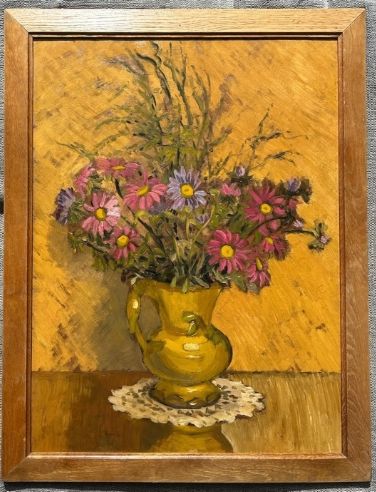
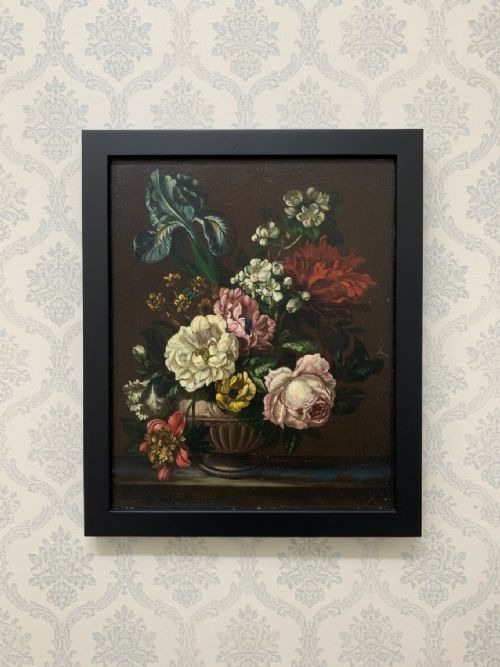
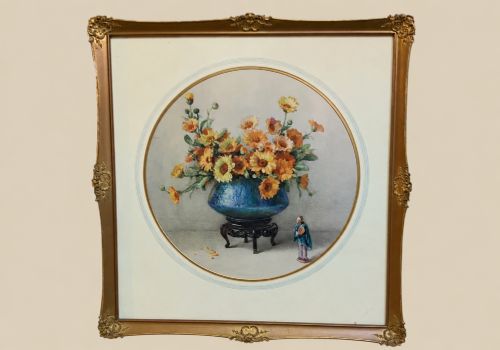
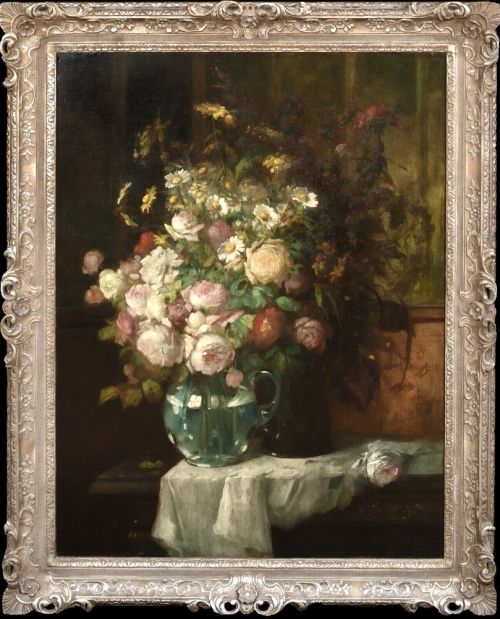
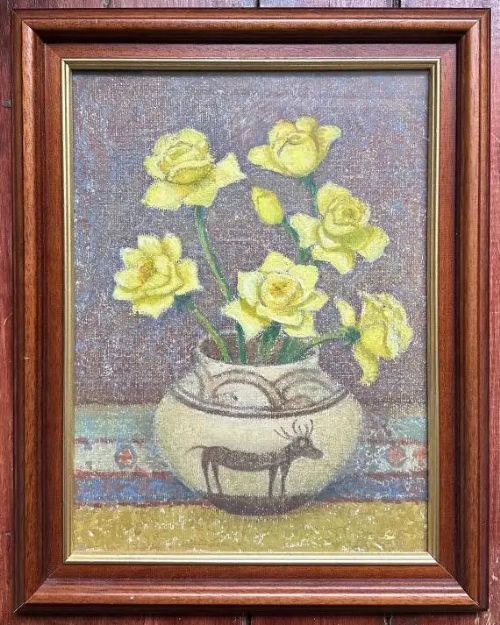
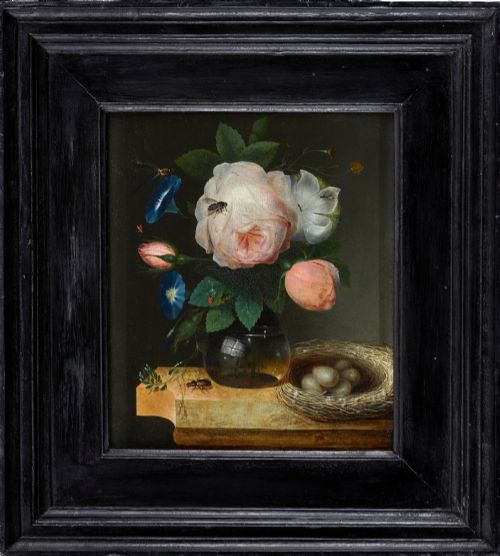
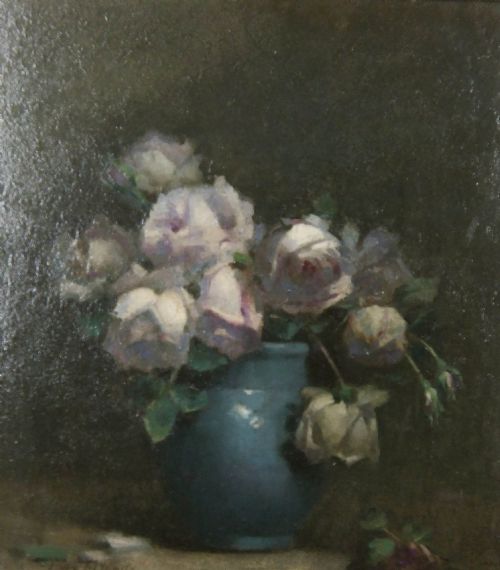
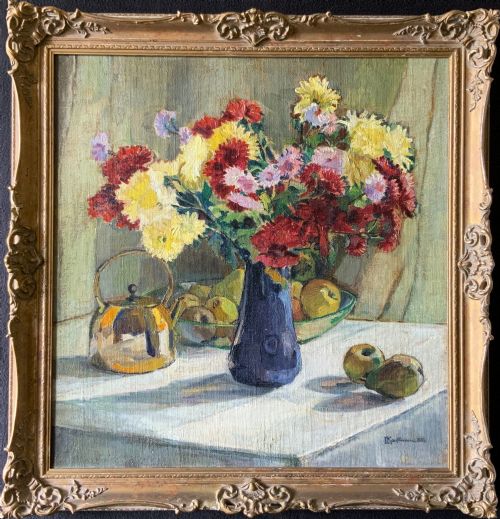
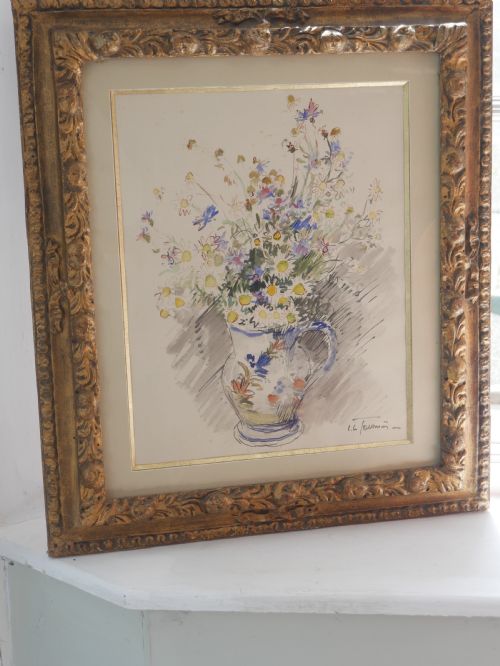
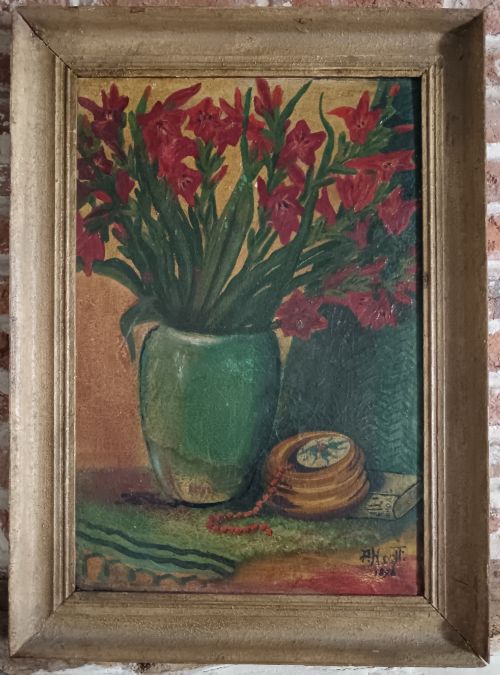
These still life vase painting works span centuries of capturing arranged stems and ceramic vessels in oil, watercolour and tempera.
Still Life Vase Painting
Still life vase painting captures curated botanical arrangements within domestic vessels across centuries of artistic tradition. These works range from early European canvas compositions to vibrant twentieth century board studies.
The selections on this page feature traditional oil paints, delicate watercolours and tempera mediums. Subjects predominantly display seasonal blooms resting inside ceramic, glass or metallic containers.
Originating from diverse periods including the Victorian era, Edwardian years and mid twentieth century, these pieces reflect changing domestic aesthetics. Collectors encounter both intimate cabinet watercolours and large framed canvas displays.
How They Were Made
Artists executed these compositions using oil paint on canvas, wood panels and rigid boards, often building texture with layered brushstrokes. Watercolours and tempera on paper also appear frequently throughout the earlier and mid twentieth century periods.
Support materials range from stretched canvas and heavy paper to timber panels. Many examples retain their original gilt, wooden or decorative frames which protect the painted edges.
Listings feature works created across eight distinct decades, spanning from the year eighteen hundred to nineteen sixty.
What Varies in Quality
Compositional balance and brushwork precision dictate the distinction between standard decorative studies and masterful artistic achievements. Superior examples demonstrate confident handling of light reflecting across glass vessels and delicate petal textures.
The integration of background elements and secondary objects such as fruit or insects elevates the complexity of the piece. Preservation of the original pigment vibrancy and the structural integrity of the support further define the tier of the work.
Kenneth Cozens·Emma Fordyce MacRae·Gaspar Peeter Verbruggen·William Thomas Wood·Owen Bowen·Henrietta Creswell·William Edward Fox·Florence Hess·William Duffield·Lester Sutcliffe·Freda Marston·Rowland Henry Hill·Stuart Armfield·Phyllis I Hibbert·Jabez Bligh·Henry Schouten·Jennifer Toombs
The Still Life Vase Painting Glossary
- Oil on Canvas
- Pigment mixed with drying oil applied to a woven fabric support stretched over a wooden frame. This medium allows for rich colour blending and textured impasto effects.
- Watercolour
- Paint consisting of colour pigments suspended in a water soluble vehicle, typically applied to paper. It yields translucent washes and delicate botanical detailing.
- Tempera
- A permanent, fast drying painting medium consisting of coloured pigment mixed with a water soluble binder entity such as egg yolk. It produces a matte surface finish.
- Impasto
- Paint applied thickly to a canvas or panel, standing out in relief from the plane. This technique adds tactile dimension to floral petals and foliage.
- Panel Painting
- A flat piece of wood used as a painting substrate instead of stretched canvas. Artists utilised wooden panels extensively in earlier centuries before canvas became dominant.
Still Life Vase Painting: Frequently Asked Questions
What periods do these paintings cover?
The available works span from the eighteenth and nineteenth centuries through the Edwardian era and into the mid twentieth century. Artists across these periods reinterpreted traditional floral subjects using evolving techniques.
Buyers will find Victorian academic studies alongside post-impressionist and mid-century modernist interpretations. Each era brings distinct colour palettes and brushwork characteristics to the canvas.
How should I display a watercolour?
Watercolours require careful placement away from direct sunlight to prevent the pigments from fading over time. Professional framing behind protective glass ensures the paper remains secure and stable.
Humidity control in the room also protects the paper substrate from warping or developing foxing marks. Hanging them on interior walls away from direct heat sources preserves the delicate medium.
What is the difference between panel and canvas?
Panel paintings utilise rigid wooden boards as a solid foundation for oil or tempera pigments. Canvas relies on stretched woven fabric which offers slightly more flexibility under changing atmospheric conditions.
Wooden panels often indicate earlier production dates or specific regional schools of painting. Both supports require stable indoor environments to prevent cracking or warping.
Are all these pieces signed by the artist?
Many examples feature visible signatures or monograms left by the painter, while others remain attributed to specific schools or circles. Unsigned pieces are evaluated based on style, technique, material composition and historical context.
Documentation or exhibition labels on the reverse often provide additional provenance for both signed and unsigned works.