
Still Life Oil Painting
A still life oil painting captures arrangements of flowers, fruit, or game, bringing centuries of domestic observation and classical composition into a room.
Still Life Oil Painting
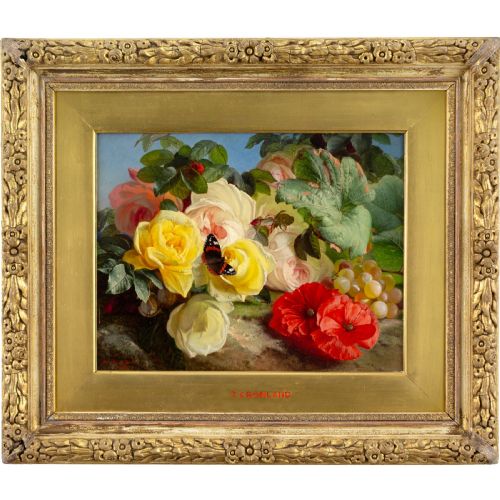
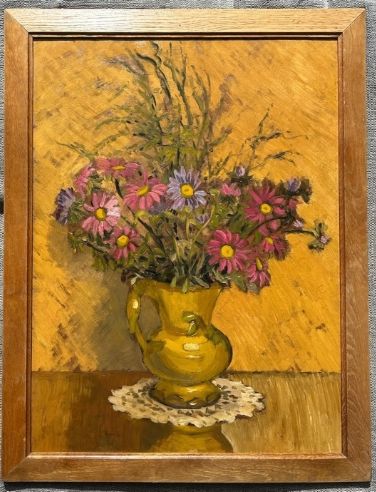
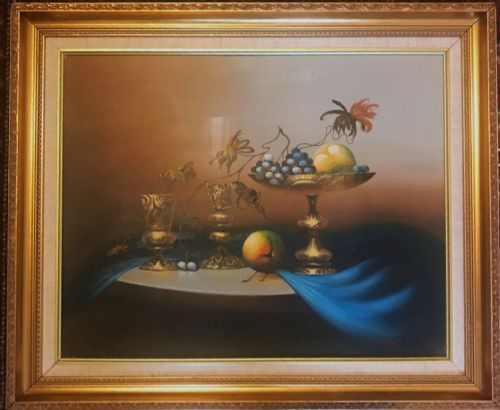
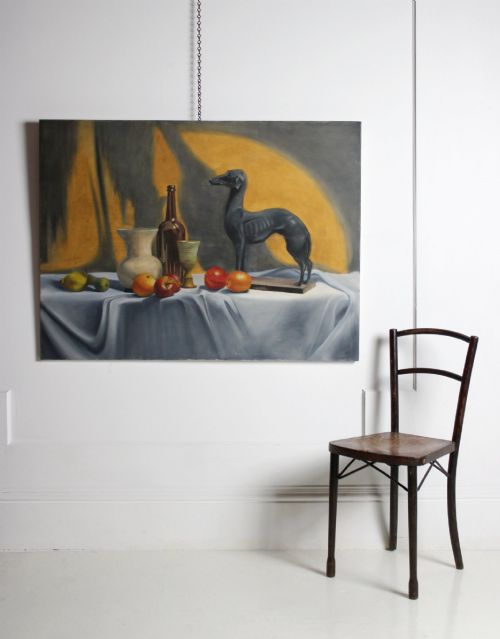
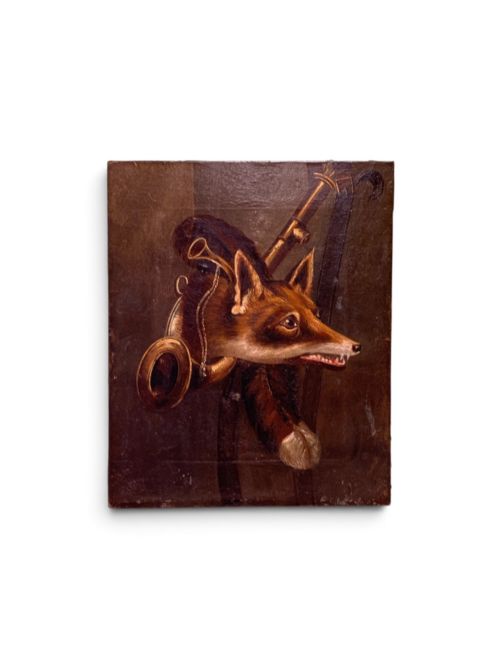
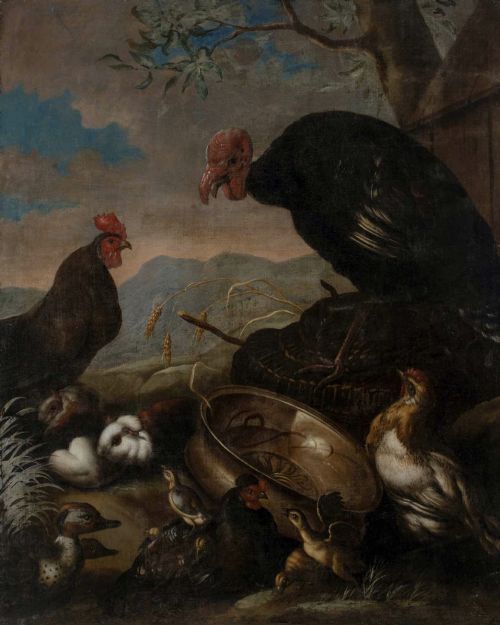
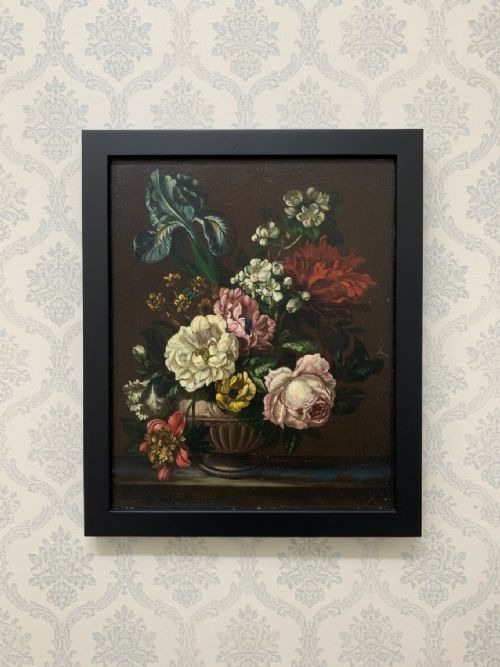
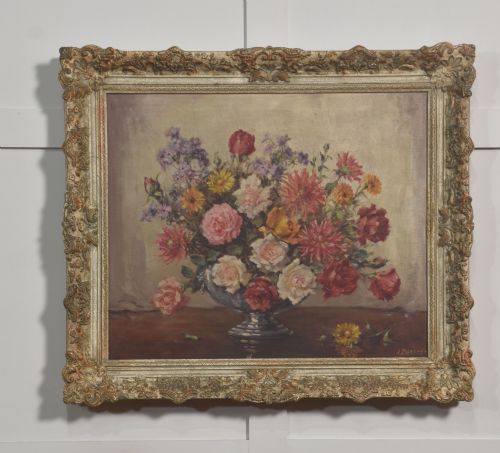
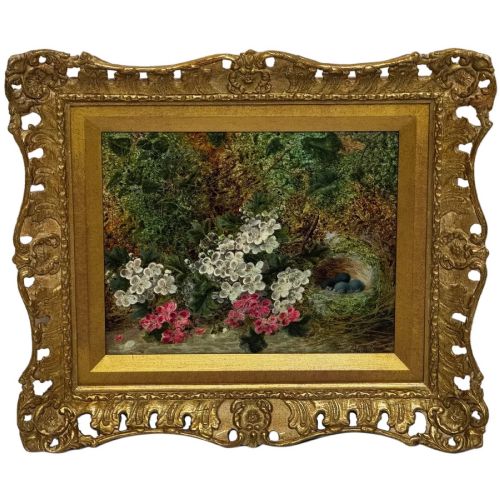
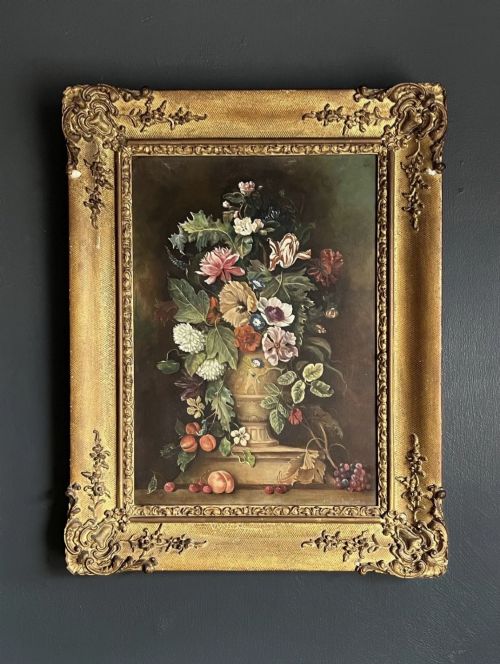
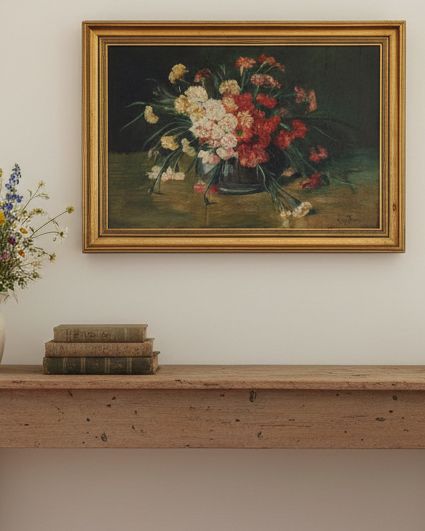
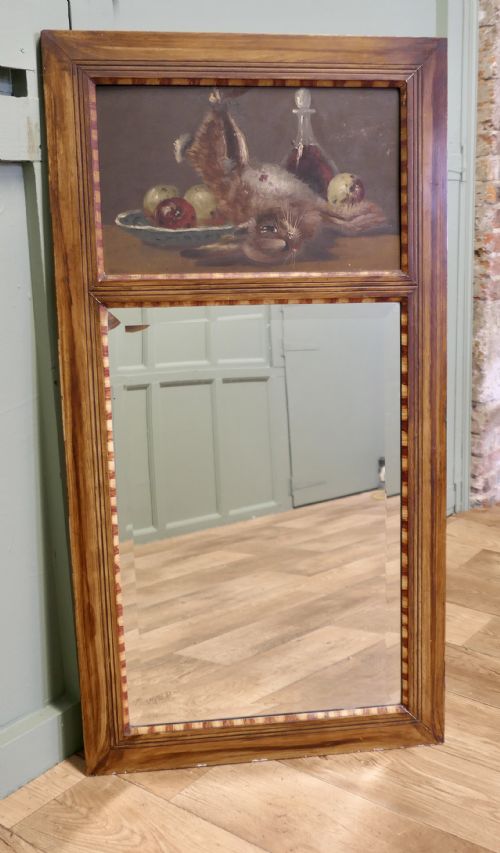
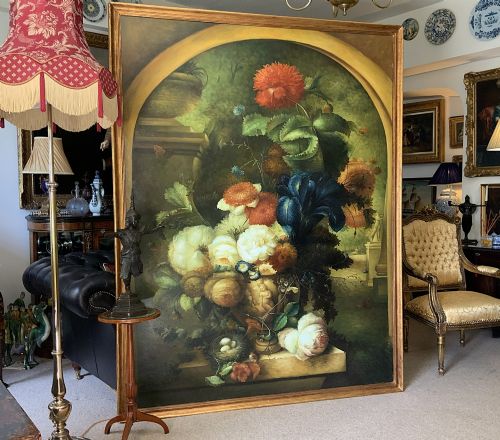
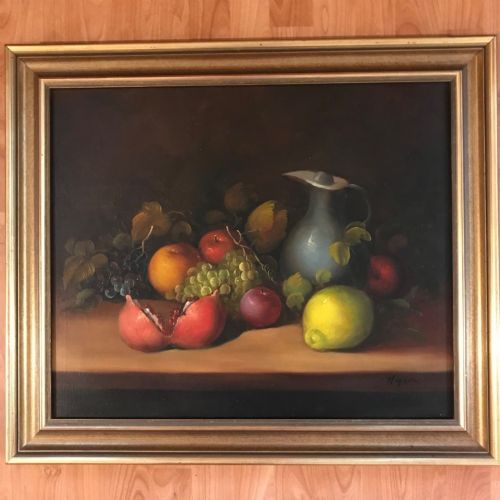
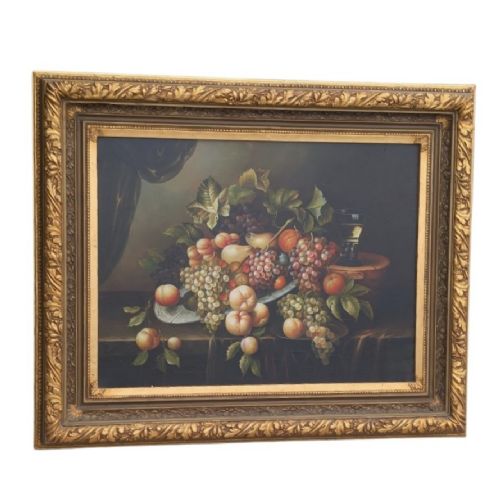
A still life oil painting presents carefully arranged inanimate subjects such as flora, porcelain vessels, and game birds captured through rich brushwork. These works span centuries of European and international traditions, from 17th-century Dutch Golden Age compositions to mid-century modern interpretations.
Buyers will encounter diverse formats on this page, including intimate panels and monumental canvas works framed in period gilt gesso. Floral studies and fruit arrangements dominate the selection, alongside rustic larder scenes featuring fish and fowl.
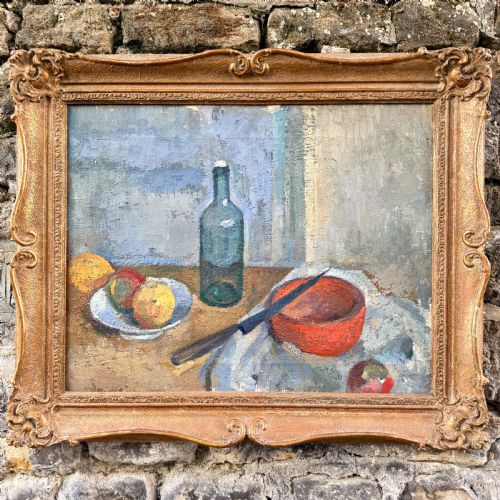
The historical scope reaches from the 17th century through the Victorian era and into the mid-20th century, encompassing French, Dutch, and British schools. Works range from academic realism to expressive impressionist treatments and naive styles.
How they were made
Artists built these compositions using oil paint applied to stretched canvas, wooden panels, or rigid board supports. Pigments were layered to achieve deep chiaroscuro lighting and realistic surface textures on fruit skins, petals, and feathers.
Many canvases are housed within their original wooden frames finished with gold leaf, gilt, or moulded gesso ornamentation. These frames were frequently designed to complement the dense compositions and dark backgrounds characteristic of the genre.
Still Life Oil Painting Retail Price Guide 2026
Typical asking prices for still life oil painting among the pieces listed under this phrase on Sellingantiques today, from the lower quarter to the upper quarter. They describe what is for sale here now, not the wider market.
Subjects on this page include Dutch floral arrangements, larder scenes with game birds, and impressionist fruit still lifes.
What varies in quality
The sophistication of tonal graduation and the rendering of light define the upper tier of these works, where artists achieved convincing translucency in flower petals and fruit. Weaker examples rely on flat application and formulaic arrangements without observational depth.
The integrity of the original ground and the stability of the pigment layer determine longevity, with superior pieces showing minimal craquelure or professional conservation. Frame craftsmanship also separates standard items from exceptional survivals, particularly where ornate gilt gesso remains intact.
Angelo Maria Crivelli·Oliver Clare·Konstantin Stoitzner·Edward Ladell·Michelangelo Meucci·Emma Fordyce MacRae·Gaspar Peeter Verbruggen·William Henry Ward
The Still Life Oil Painting Glossary
- Gesso
- A plaster-like mixture applied to wood panels or frames to create a smooth surface for painting or gilding. It provides the foundation for intricate moulded details on period frames.
- Trumeau
- An architectural wall mirror or panel featuring a painted or carved artwork in the upper section. These decorative fixtures combine fine art with functional home furnishings.
- Chiaroscuro
- An artistic technique employing strong contrasts between light and dark to give subjects three-dimensional volume. This method defines the dramatic shadows in Dutch Golden Age compositions.
- Craquelure
- The network of fine cracks that develops across an aged oil paint surface as the medium polymerises over time. It serves as an indicator of natural material ageing.
- Trompe l'oeil
- An art technique that uses realistic imagery to create the optical illusion that the depicted objects exist in three dimensions. Such works play with perspective and visual deception.
Still Life Oil Painting: Frequently Asked Questions
Where were these displayed?
Historically, floral and larder compositions hung in dining rooms, drawing rooms, and studies of country houses and urban residences. Their subjects reflected household abundance and an appreciation for natural philosophy.
Today, they suit similar domestic spaces, anchoring living areas or hallways when paired with traditional or eclectic interior schemes.
How do I date an artwork?
Stylistic markers, stretcher construction, and canvas types offer primary clues for dating an oil painting. Pigment analysis and frame characteristics further help narrow the period of creation.
Signatures, dates inscribed on the reverse, and historical artist records provide definitive confirmation when available.
Are these paintings signed?
Many examples feature artist signatures or monograms, often placed discretely in a lower corner near a table edge or leaf. Unsigned works frequently attribute to specific regional schools based on technique and palette.
Documentation or exhibition labels attached to the frame backing can also reveal authorship history.