

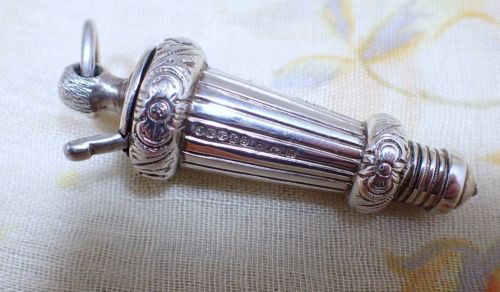


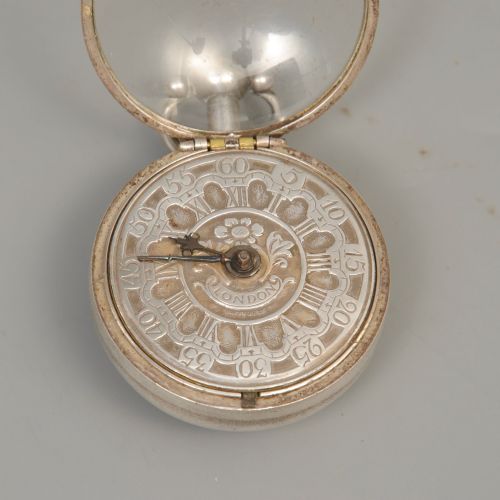
Sterling Watch Case
These sterling watch case items and related silver pieces span the late nineteenth century to the 1930s, offering practical portability and protective housing for timepieces and pocket accessories.
Sterling Watch Case
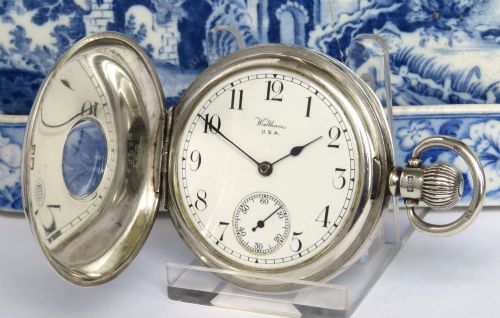
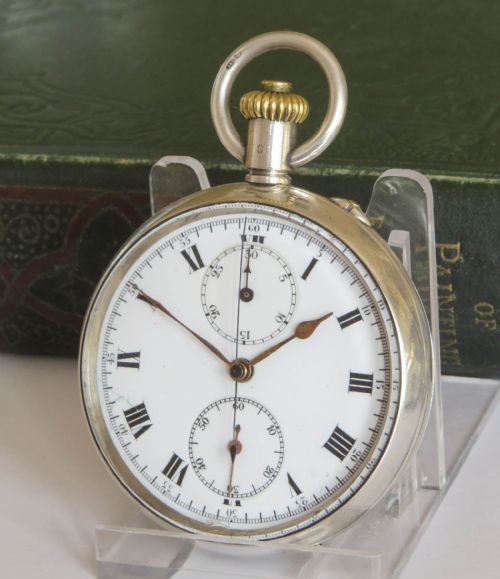
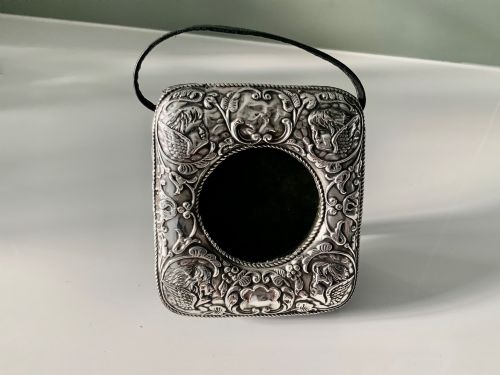
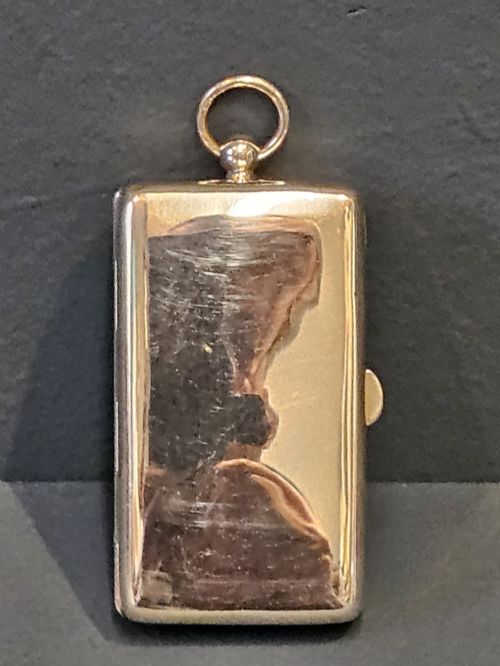
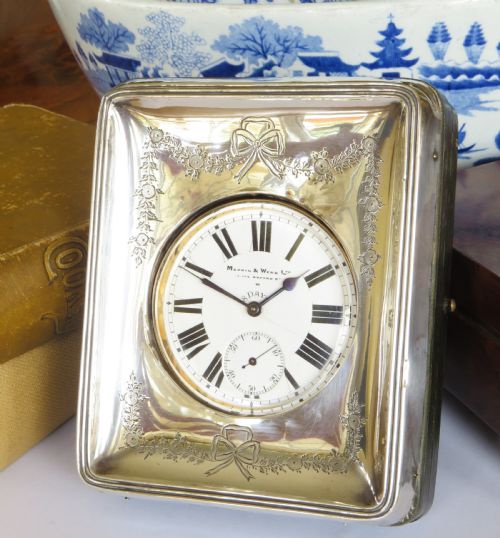
A sterling watch case provides a protective enclosure or display stand for pocket watches, travel clocks, and fob watches. The selection encompasses portable travelling clocks, pocket watch box stands, and associated pocket accessories.
Examples on this page date principally from the Edwardian era and the early twentieth century, alongside Victorian and eighteenth-century specimens. Forms range from folding travelling clock cases to dedicated pocket watch stands adorned with decorative motifs such as Reynolds Angels.
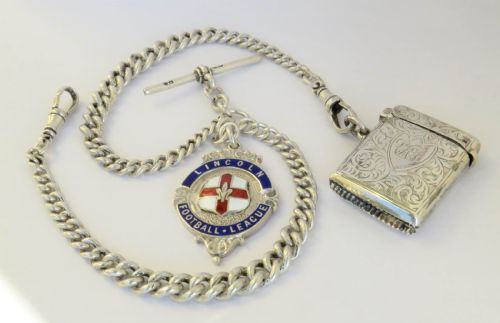
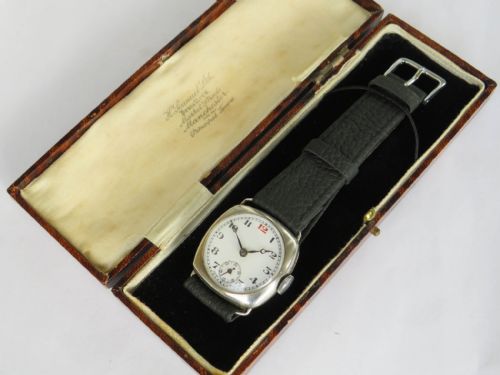
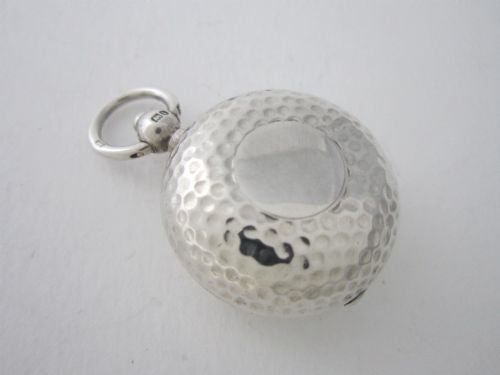
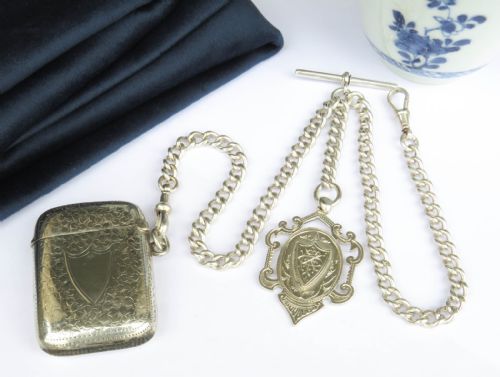
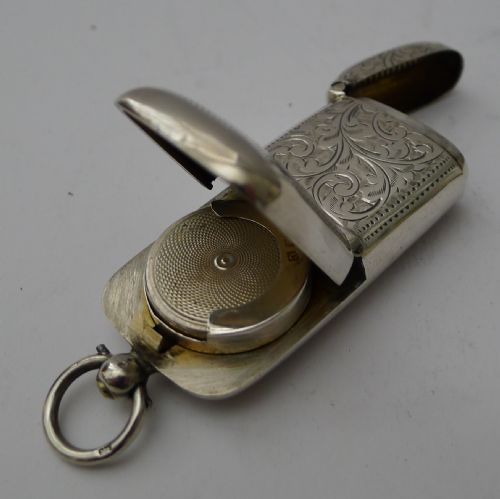
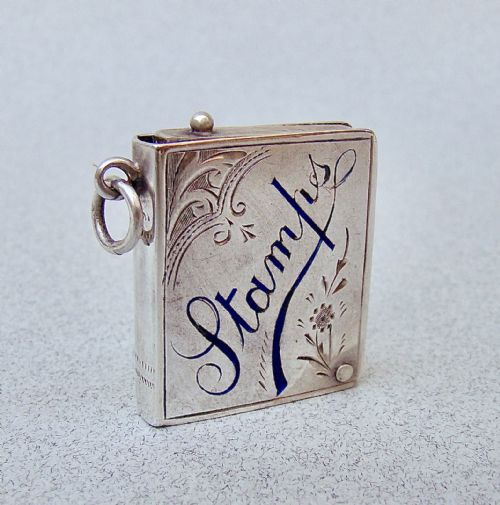
Buyers also encounter related silver pocket items grouped within this category, including sovereign cases, vesta cases, watch chains, and wristwatches in sterling silver, sometimes accented with enamel or rose gold.
How they were made
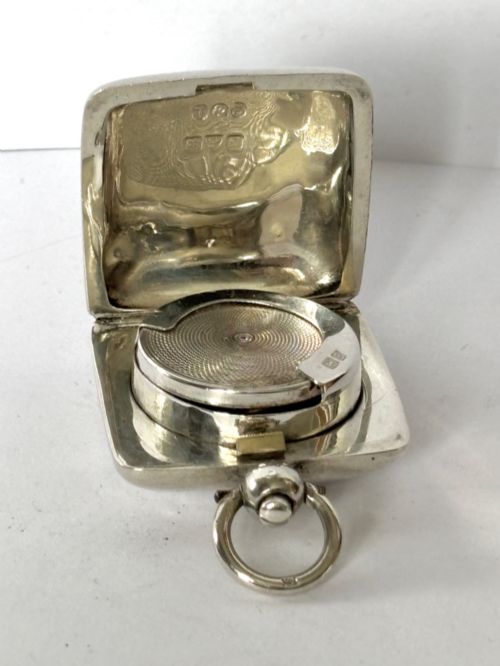
Silversmiths constructed these items primarily from sterling silver, shaping the metal through stamping, piercing, and hand-engraving. Components were frequently hallmarked to indicate assay office origins in cities such as Birmingham and Chester.
Interiors and structural supports often incorporated contrasting materials like leather, velvet, and glass to cushion pocket watches and travel clocks securely within their protective housings.
Sterling Watch Case Retail Price Guide 2026
Typical asking prices for sterling watch case among the pieces listed under this phrase on Sellingantiques today, from the lower quarter to the upper quarter. They describe what is for sale here now, not the wider market.
Listings feature sterling silver combined with enamel, glass, leather, and velvet across Edwardian and Victorian periods.
What varies in quality
The standard of a sterling watch case depends on the crispness of the hallmarking, the complexity of the silversmith's decorative chasing, and the survival of internal velvet or leather linings. Pieces bearing named maker marks or specialised designs command particular attention.
The inclusion of functional mechanisms, such as folding hinges on travel clock cases or secure closures on sovereign and vesta combinations, distinguishes finer workshop production from standard utility items.
EJ Trevitt & Sons·Thomas Russell·Aaron Lufkin Dennison·Mappin & Webb·Crisford & Norris
The Sterling Watch Case Glossary
- Sterling silver
- A silver alloy containing 92.5 percent pure silver and 7.5 percent other metals, typically copper. This standard composition is verified by official assay office hallmarks stamped onto the metal.
- Vesta case
- A small pocket container designed to hold matches, frequently combined with sovereign holders or attached to watch chains in Victorian and Edwardian iterations.
- Sovereign case
- A small round or square container engineered to hold British gold sovereign coins securely. These pieces often feature spring-loaded mechanisms and match the materials of pocket watch housings.
- Full hunter
- A pocket watch style featuring a spring-loaded metal cover that protects the glass dial face from scratches and impacts. The cover springs open via a crown-mounted push-piece.
- Hallmark
- An official mark stamped onto precious metal items to guarantee purity, origin city, and date of manufacture. British pieces commonly display assay office symbols alongside maker initials.
Sterling Watch Case: Frequently Asked Questions
What is a sterling watch case?
A sterling watch case is a protective silver housing, box, or stand designed to hold a pocket watch or travel clock safely. These items kept delicate timepieces secure during travel or displayed them on desks and mantelpieces.
Items in this category range from folding leather-lined travel clock cases to decorative silver pocket watch box stands embellished with figural motifs.
How do I date a silver watch case?
Dating relies on the official hallmarks stamped into the silver, which indicate the assay office, standard of metal, and a specific date letter. Maker marks also help narrow down the period of production.
Stylistic cues such as Edwardian ornamentation or Victorian proportions provide further context when the hallmarks are rubbed or difficult to read.
Were these cases used for travel?
Many examples were specifically designed for portability, featuring folding leather or velvet-lined enclosures that protected pocket watches and travel clocks in transit. Other versions functioned as stationary desk stands or pocket fobs.
Travellers in the Victorian and Edwardian periods relied on these robust silver enclosures to prevent damage to mechanical movements while away from home.
What materials accompany the silver?
While the exterior framework is executed in sterling silver, interiors frequently utilise velvet, leather, and glass to cushion the timepiece and protect the dial. Some pieces also incorporate enamel panels or rose gold accents.
Brass hardware occasionally appears on internal hinges and structural supports within folding travel clock cases.