


Sterling Silver Trinket
A sterling silver trinket box or dish holds small personal treasures while displaying the precise smithing methods of the Victorian, Edwardian and Art Deco eras.
Sterling Silver Trinket
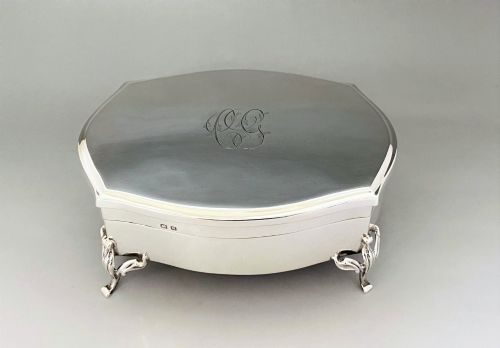
A sterling silver trinket selection encompasses small lidded containers, pill boxes, snuff boxes, dressing table jars and shallow dishes designed for personal use. The examples appearing most frequently span the Victorian and Edwardian periods up to the George V era, alongside Art Deco designs.
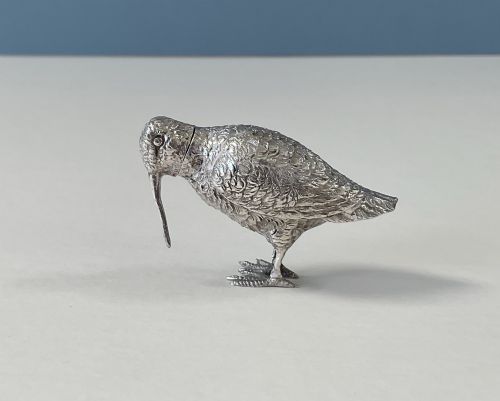
Forms range from simple circular and rectangular receptacles to heart shapes, novelty animal silhouettes, and lidded glass pots mounted in silver rims. These objects served utilitarian dressing table roles for rings, pins and cards before becoming collectible display items.
How they were made
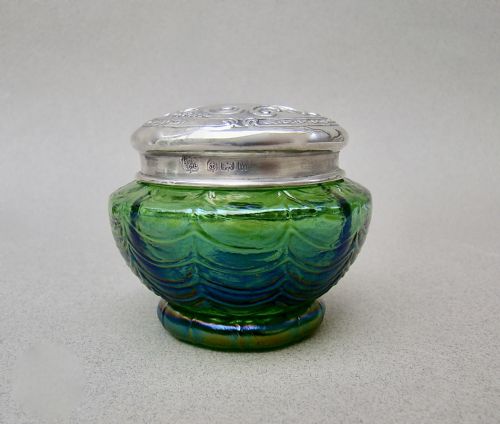
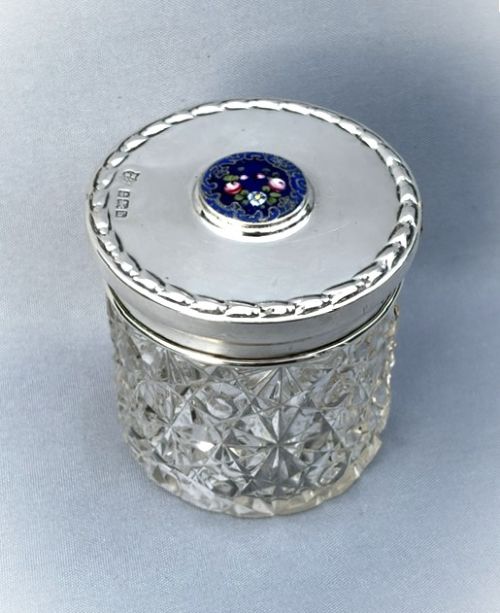
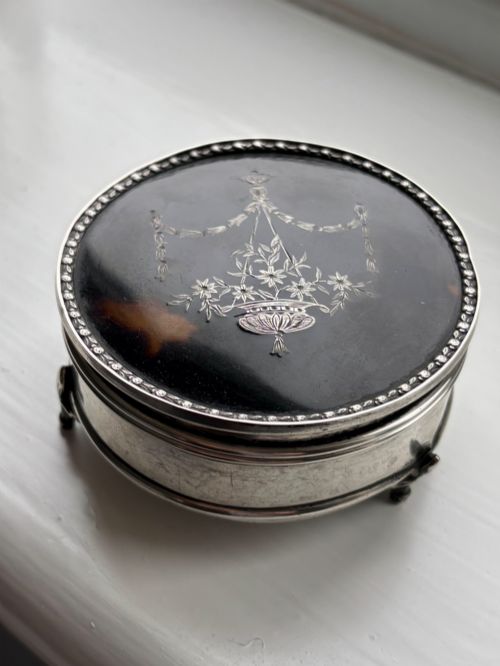
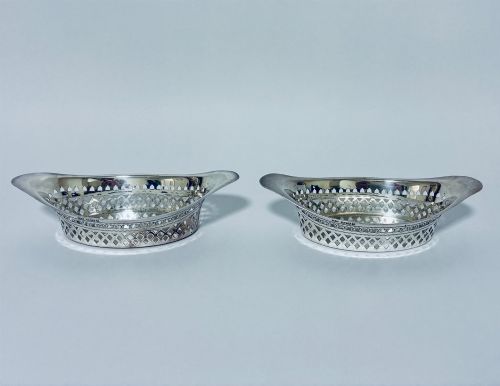
Silversmiths utilised solid sterling silver sheet, shaping bodies through hammering, pressing and soldering, frequently incorporating cast decorative mounts or pierced openwork galleries. Many pieces combine the metal with contrasting textures such as cut glass, satin glass, Kralik glass, mother of pearl, tortoise-shell or natural agate.
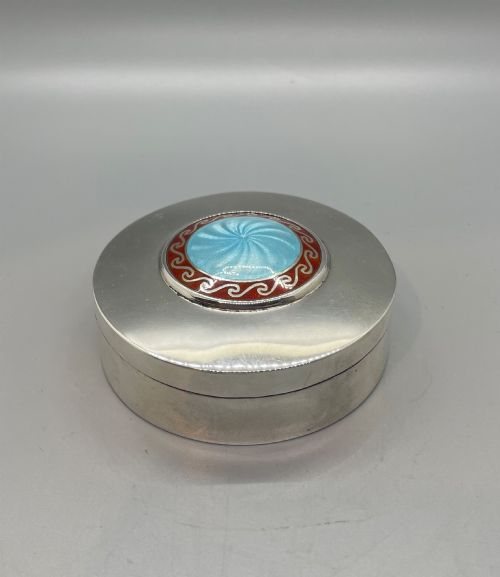
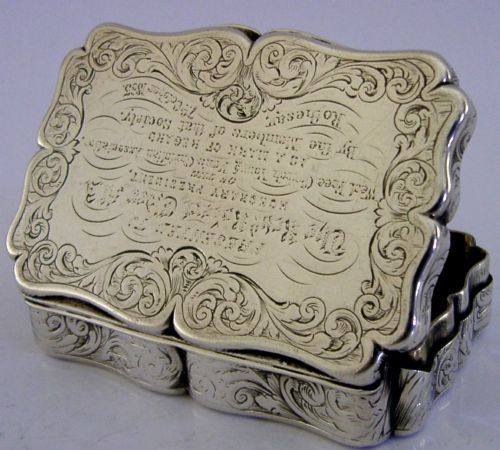
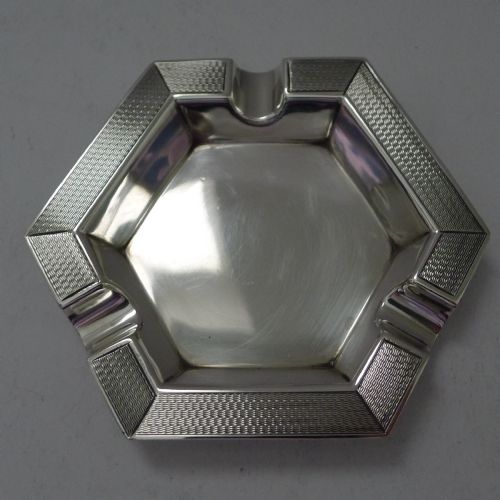
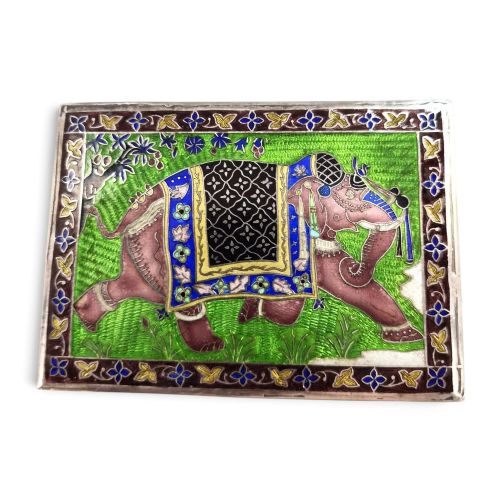
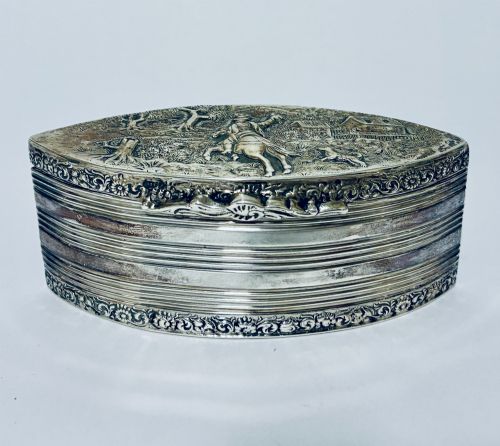
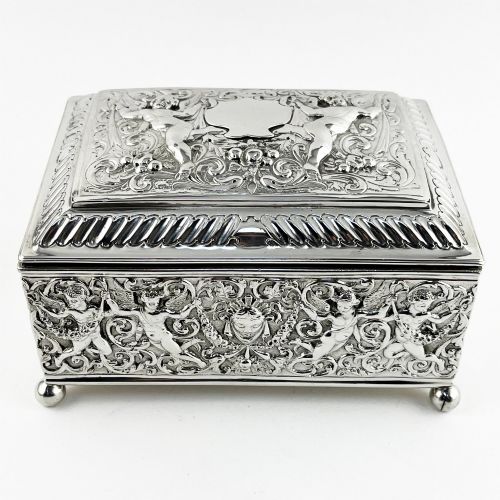
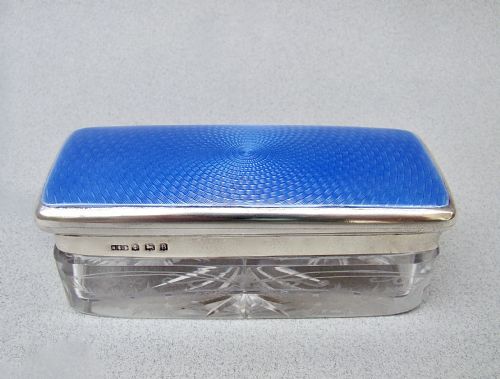
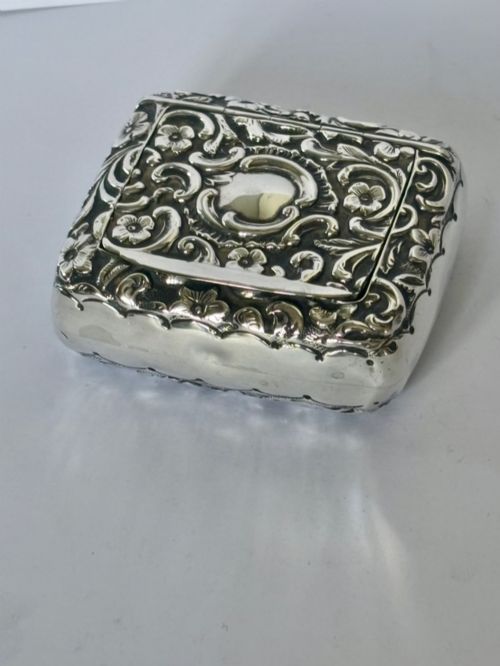
Surface ornamentation relied on hand repoussé work, engine turned geometric patterns, or applied guilloché enamel in colours like blue, pink and yellow. Silver gilt finishes and interior gilding added richness to snuff boxes and vinaigrettes.
What varies in quality
The standard of a piece rests upon the crispness of its hand-embossed or repoussé detail and the structural integrity of hinges and tight-closing lids. Simpler plain or engine turned surfaces rely entirely on clean geometric precision and substantial metal weight rather than decorative masking.
Makers who integrated delicate enamel work, specialised glass bodies like Kralik or satin glass, or unusual novelty forms achieved a higher tier of craftsmanship. The inclusion of clear hallmarks from recognised workshops further separates standard mass production from superior output.
A. J. Pepper and Co·William Neale·Ollivant and Botsford·Henry Clifford Davis·Henry Matthews·F A Barrett·Goldsmiths and Silversmiths Company·A. Bromet and Co·Mappin and Webb·Liberty and Co·Asprey and Co Ltd·William Comyns
The Sterling Silver Trinket Glossary
- Sterling silver
- An alloy consisting of 92.5 percent silver by mass, with the remainder made up of copper or other metals. This standard composition ensured durability for small handheld containers and boxes.
- Vinaigrette
- A small ornamental box featuring a perforated inner grille, historically used to hold a sponge soaked in aromatic vinegar. These containers date from the Georgian and Victorian eras.
- Guilloché enamel
- A decorative technique where a precise repeating pattern is mechanically engraved into the metal beneath a translucent layer of enamel. It frequently appears on Art Deco dressing table jars.
- Repoussé
- A method of metalworking where the silver is hammered from the reverse side to form a raised design in relief. This technique defines many Victorian and Art Nouveau boxes.
- Pyx
- A small round container historically used to carry sacramental bread, represented here in antique solid silver form. These ecclesiastical boxes feature secure fitted lids.
Sterling Silver Trinket: Frequently Asked Questions
What were sterling silver trinket boxes used for?
These small containers held personal valuables on dressing tables, including rings, brooches, pins and small keepsakes. Snuff boxes and pill boxes were designed for carrying personal remedies in pockets.
Larger variants accommodated cards, cigarettes or trinkets. Their varied forms reflected the specific fashion demands of the Victorian and Edwardian domestic interior.
How do I identify a Victorian piece?
Victorian examples often display heavy repoussé embossing, pierced scrollwork, or naturalistic motifs like birds and floral swags. Hallmarks stamped into the silver provide exact assay office symbols and date letters.
Earlier pieces from this era frequently utilise gilding inside snuff boxes and vinaigrettes. Weight and construction thickness also point toward nineteenth-century manufacturing standards.
What is engine turning on silver?
Engine turning is a geometric decorative pattern mechanically engraved onto the surface of the silver lid or body. It creates repeating lines and textures that catch the light.
This technique was particularly favoured on Edwardian and Art Deco dressing table items. It added visual refinement without requiring raised sculptural ornamentation.
How should I clean my silver box?
Gentle dusting with a soft microfibre cloth removes everyday debris without harming delicate surfaces. Avoid harsh chemical dips, particularly if the item incorporates enamel, glass, or tortoise-shell.
Pieces with guilloché enamel or glued gemstone mounts require careful handling to preserve the original materials. Professional silver polish should be used sparingly on plain metal areas only.