

Sterling Silver Tea
Sterling silver tea pieces encompass a wide range of antique vessels, caddies, and utensils made for brewing, storing, and serving tea.
Sterling Silver Tea
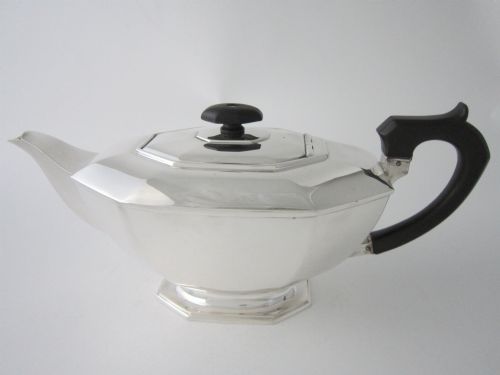
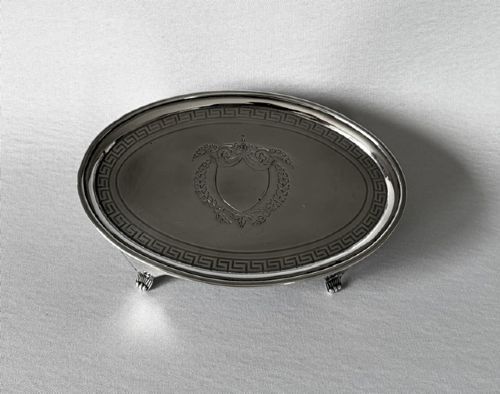
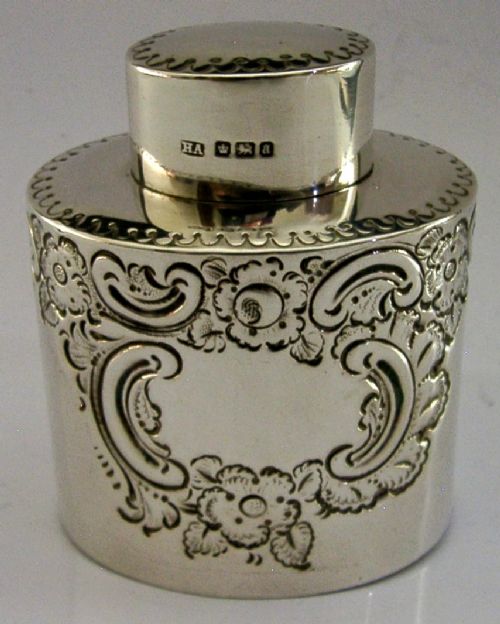
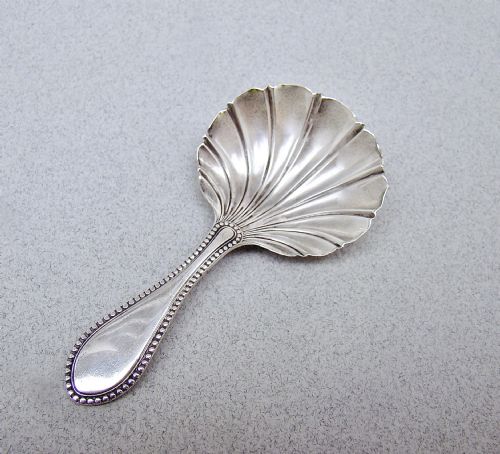
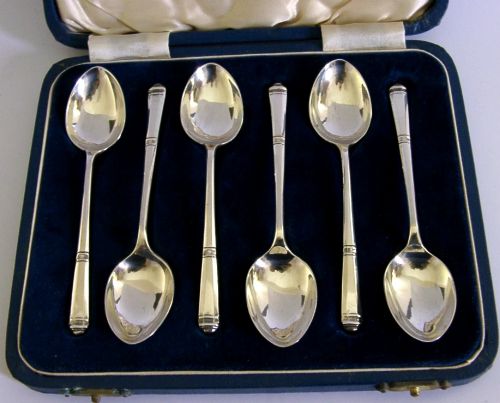
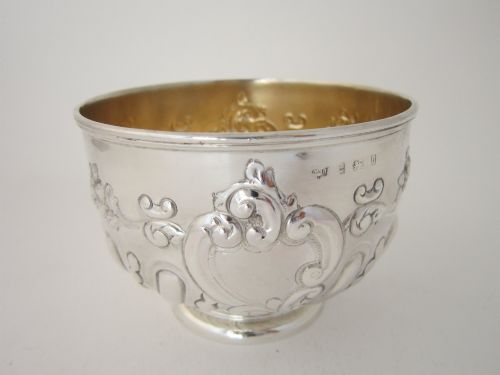
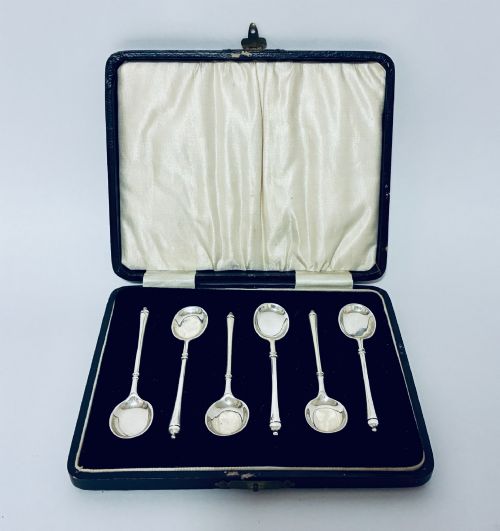
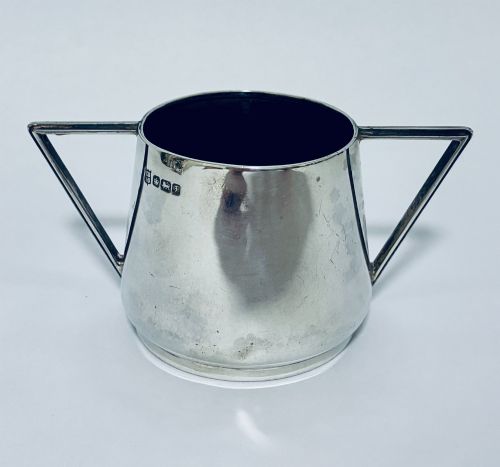
When searching for sterling silver tea items, buyers encounter a diverse selection of functional tableware spanning several centuries of British and international design. The items listed on this page range from early Georgian teapots and intricate cream jugs to Victorian tea caddies, Edwardian sugar baskets, and smaller implements like caddy spoons and tea strainers.
The selection frequently includes specialised vessels such as bombe tea caddies, knife-box form caddy boxes, and bachelor tea sets designed for smaller households. Alongside these hollowware items, collectors find various serving utensils including sugar tongs, apostle spoons, and tea strainers with matching drip bowls.
Origins stretch across the 18th Century, the Georgian, Victorian, and Edwardian periods, through to later Art Deco and mid-20th-century productions. Makers and retailers represented in the records include notable silversmiths such as the Bateman family, Robert Hennell, and firms like Harrods Ltd and Martin Hall & Co.
Materials and Techniques
The primary material across these listings is solid sterling silver, often complemented by interior linings or fitted elements of wood, bone, ebony, velvet, leatherette, and satin. Metalsmiths utilised traditional methods such as casting, piercing, hammering, and fluting to shape teapots, caddies, and strainers.
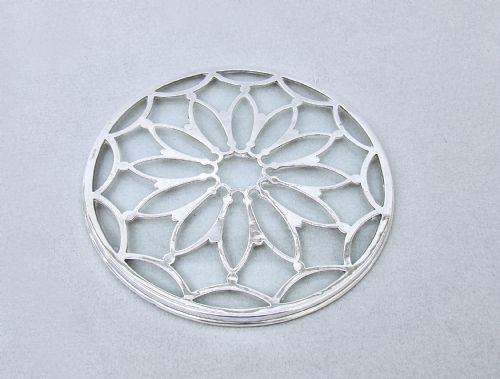
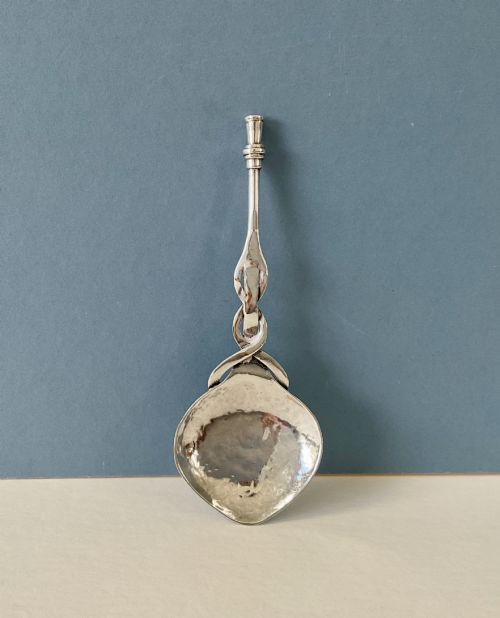
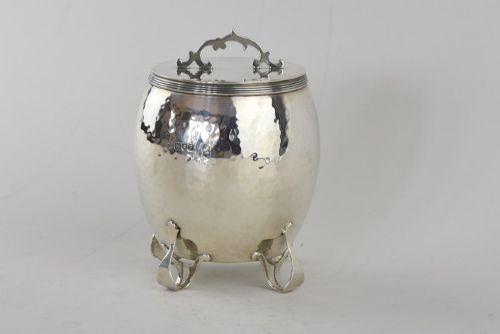
Decorative techniques recorded in the pieces include hand-engraved detailing, repoussé work, and applied cast borders, particularly on Georgian and Victorian hollowware. Arts and Crafts and Art Deco examples frequently display distinct surface textures from hand-hammering or clean geometric lines achieved through modern manufacturing shifts of the 20th century.
Listings feature sterling silver tea items from the Georgian, Victorian, and Edwardian eras, alongside Arts and Crafts and Art Deco pieces.
What Varies in Quality
Quality in sterling silver tea items rests on the weight of the silver, the crispness of chased or pierced decoration, and the integrity of the maker's mark. Pieces by renowned silversmiths or retailers often exhibit superior hand-finishing, balanced proportions, and well-preserved structural details across handles and hinges.
The distinction between standard production items and exceptional pieces also lies in the complexity of the form, such as novelty shapes, figural sugar tongs, or multi-piece matched tea sets. Thicker gauge metal resists denting and maintains sharper relief in hallmarks and ornamentation over centuries of use.
Harrods Ltd·Martin Hall & Co·Charles Edwards·Joseph Willmore·Robert Hennell·Thomas Hayes·Bateman Family·Dee And Fargus·Peter And Anne Bateman·Hester Bateman·Bernard Muller·William Hunter·Turner And Simpson Ltd
The Sterling Silver Tea Glossary
- Tea Caddy
- A small box, jar, or canister designed to store loose tea leaves securely. They frequently feature locking lids and internal compartments.
- Caddy Spoon
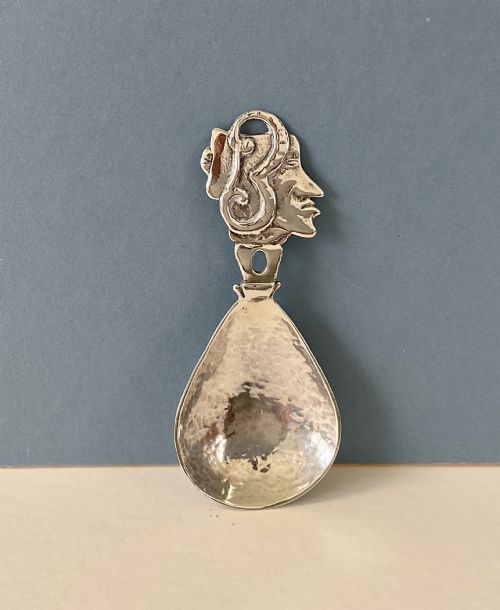
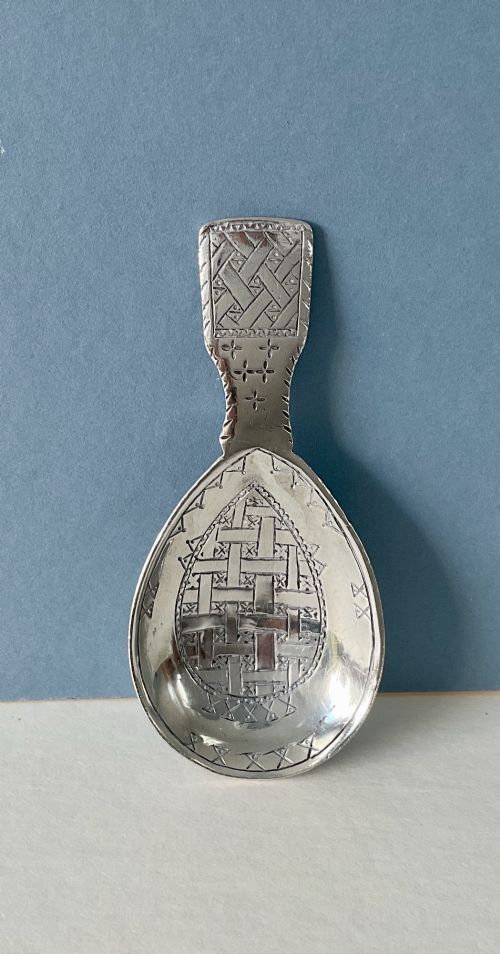
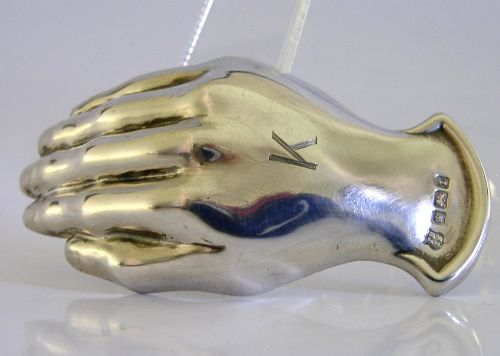
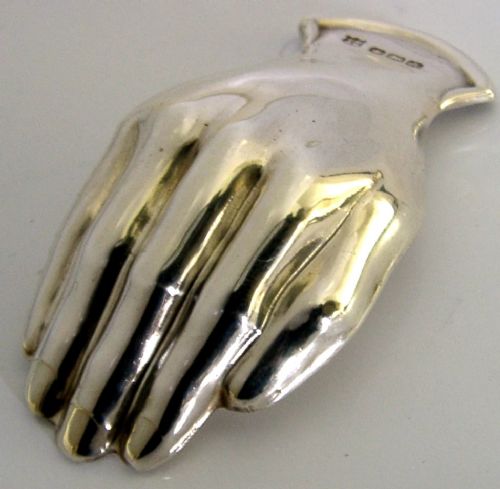
- A specialised small spoon used to measure loose tea leaves from a caddy into a teapot. These often display novelty handles shaped like leaves, hands, or flowers.
- Hollowware
- Tableware items such as teapots, cream jugs, sugar bowls, and caddies that are raised or spun from sheet metal rather than forged solid.
- Punch Mark
- An early form of maker's mark or town mark stamped into silver before standard date letters and standard marks were fully implemented.
- Repoussé
- A metalworking technique where the silversmith hammers the design from the reverse side to form a raised pattern on the front.
Sterling Silver Tea: Frequently Asked Questions
What is a tea caddy?
A tea caddy is a dedicated container used to store loose tea leaves safely away from light and air.
In earlier periods, tea was an expensive commodity, so these containers were often fitted with locks and internal lids.
How do I date silver tea items?
Dating relies on the set of hallmarks stamped directly onto the metal, which typically include a maker's mark, a standard mark for sterling silver, a town mark, and a date letter.
Style, weight, and decorative motifs also provide strong contextual clues for pieces where marks are rubbed.
What is a bachelor tea set?
A bachelor tea set is a smaller scale tea service typically comprising a teapot, cream jug, and sugar bowl designed for single-person use.
These compact sets gained popularity during the Victorian period for intimate or solitary service.
Can I use antique silver for tea?
Most solid sterling silver teapots, caddies, and strainers remain entirely functional for daily use if handled with care.
Wash them by hand using warm soapy water and a soft cloth, avoiding abrasive cleaners that might wear away antique hallmarks.