
Sterling Silver Table Accessories
Sterling silver table accessories bring distinct detail to dining spaces through small objects shaped in Victorian, Edwardian, and Art Deco workshops.
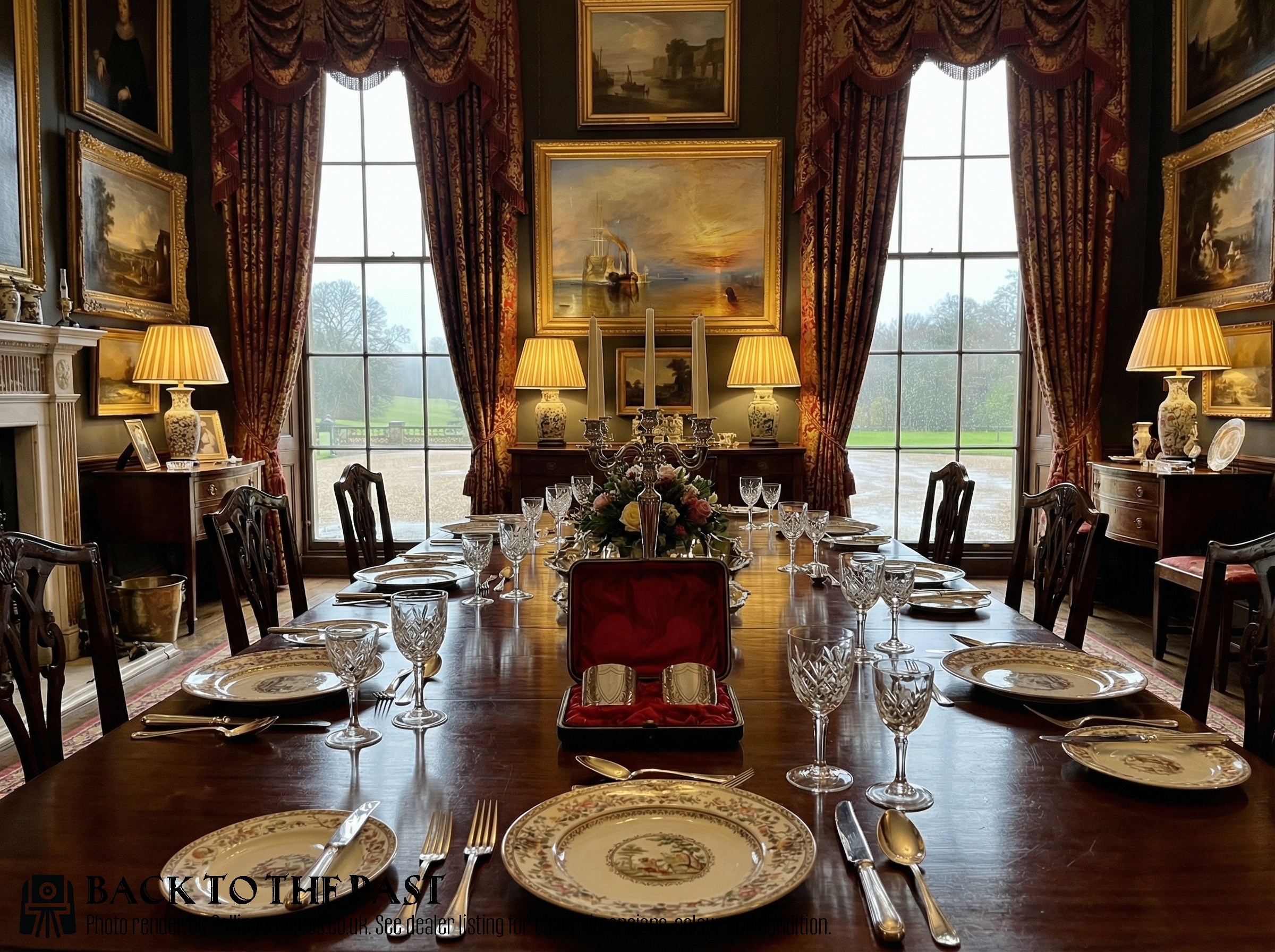
Sterling Silver Table Accessories
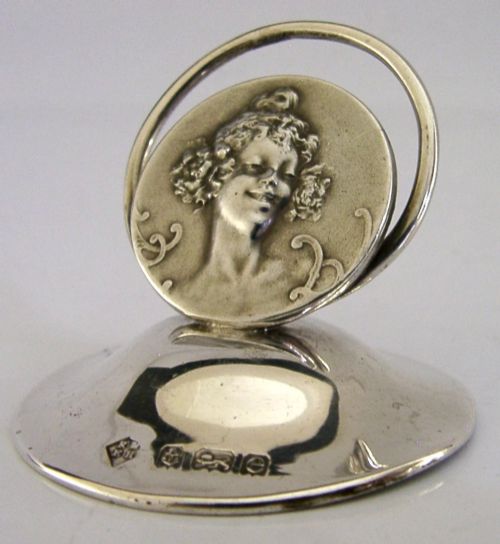
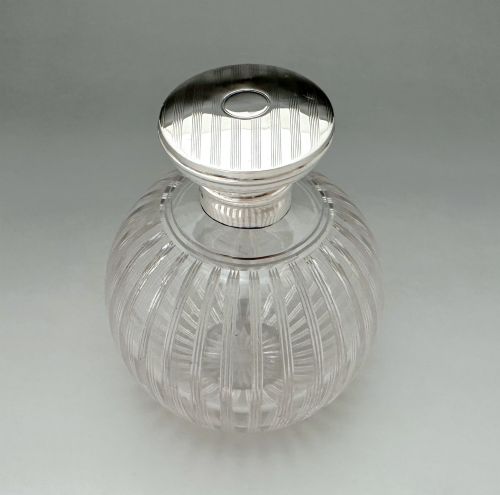
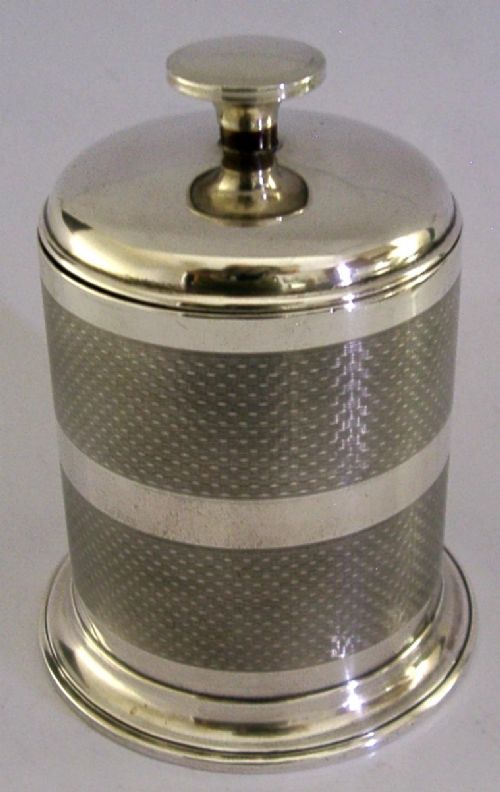
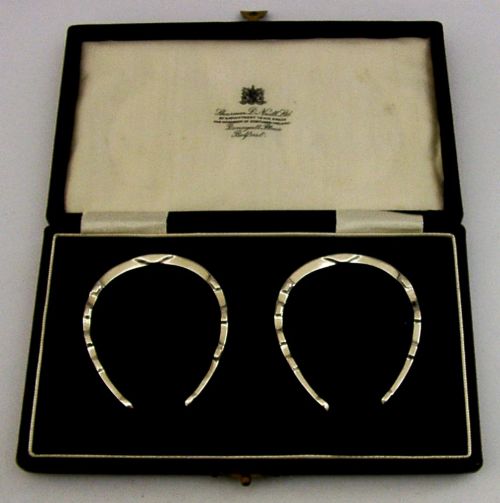
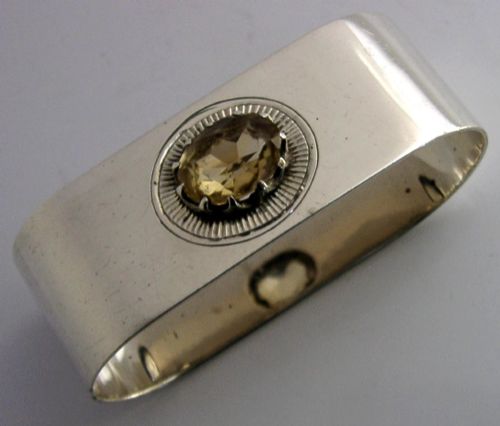
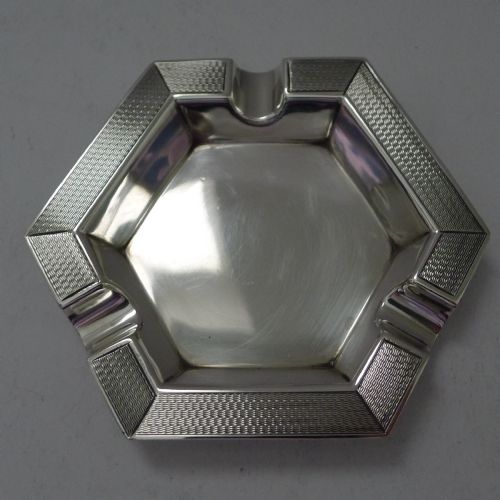
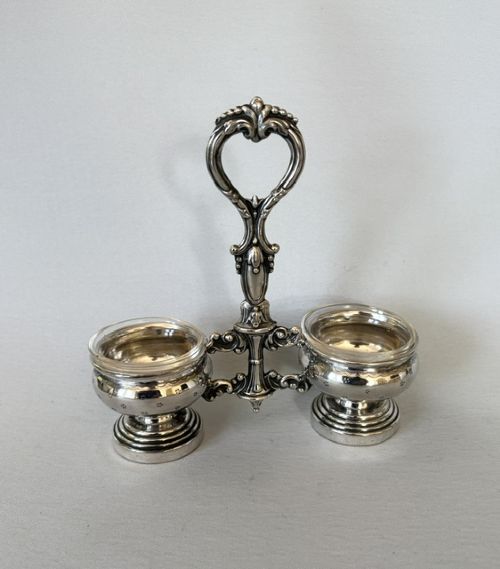
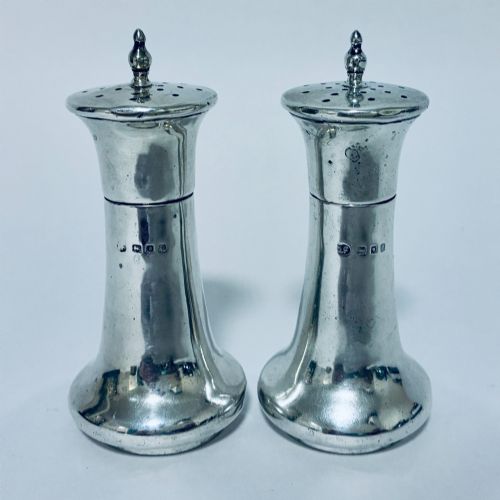
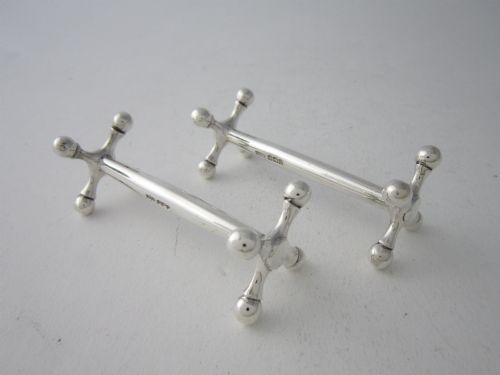
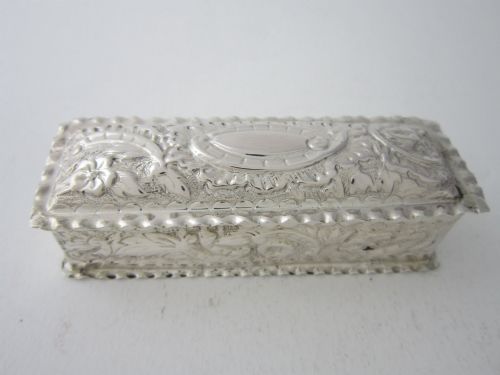
Sterling silver table accessories include napkin rings, menu holders, place card holders, smoking accessories, table lighters, grape shears, knife rests, and boxes.
Pieces span from the Georgian period through the Victorian, Edwardian, and Art Deco eras, extending into Mid-Century Modern designs.
Origins range across English, French, and other European workshops, reflecting varied dining traditions and domestic rituals.
Materials and Technique
Silversmiths formed the primary bodies from sterling silver, employing casting, hammering, and piercing techniques to shape metal into functional dining items.
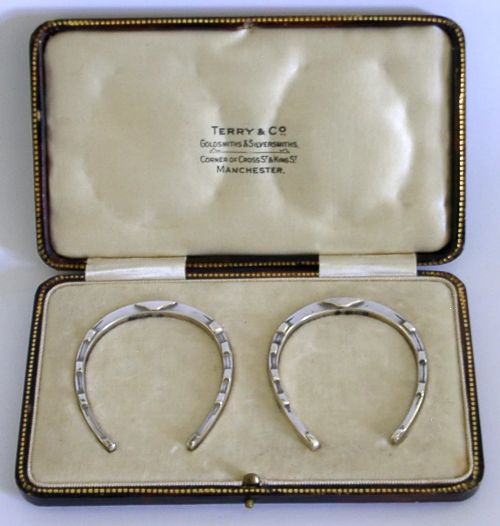
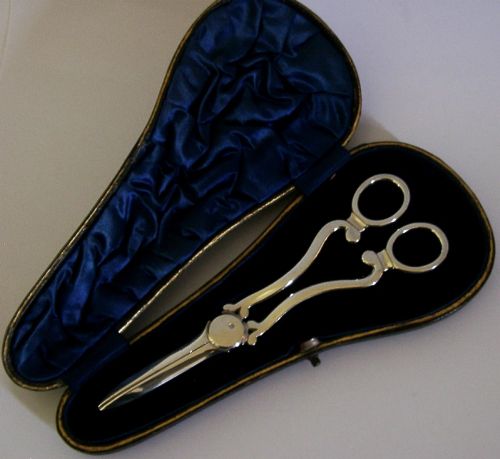
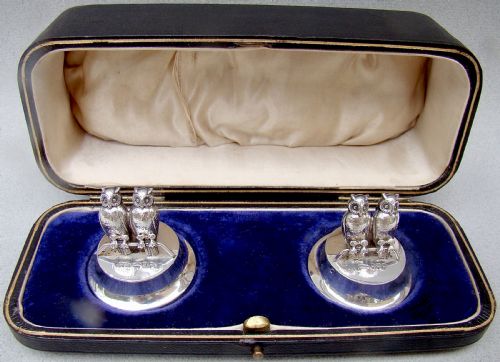
Interior linings and fitted cases frequently integrate velvet, silk, glass, leather, satin, and leatherette to protect delicate items.
Details incorporate natural stones such as agate and citrine, alongside figural elements cast as animals, birds, and musical figures.
Listings feature sterling silver combined with velvet, silk, glass, leather, satin, and leatherette across various boxes.
Distinctions in Execution
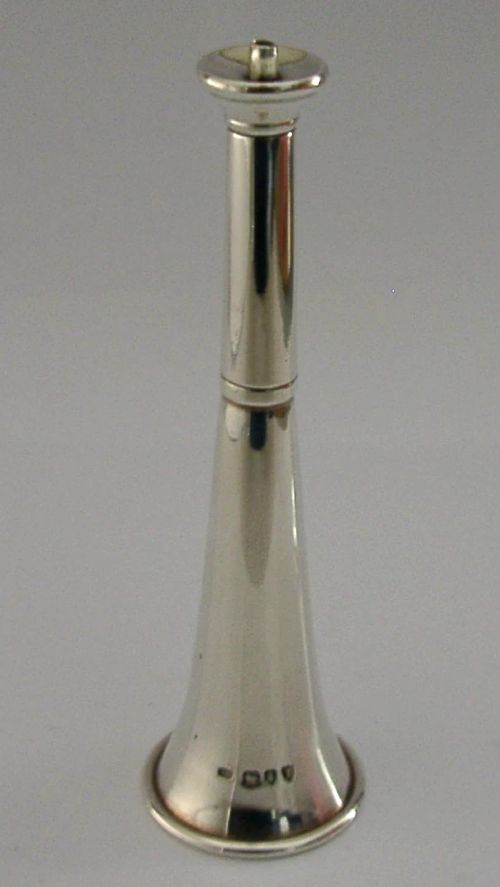
The clarity of hallmarks and the crispness of chased or cast motifs separate standard production from superior silversmithing.
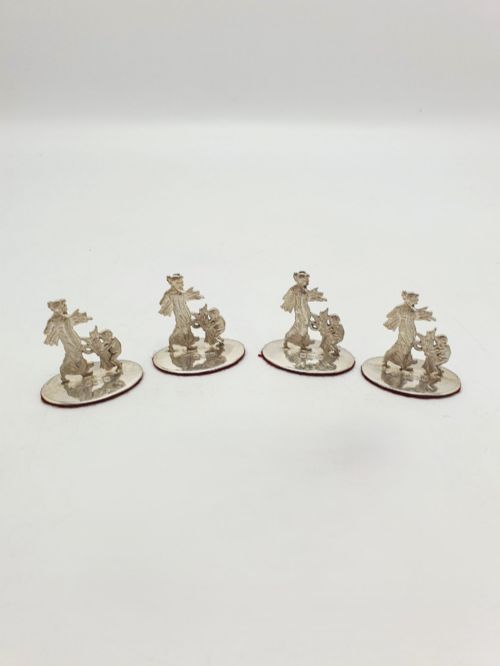
Complexity of form, such as figural animal menu holders or articulated smoking accessories, indicates higher workshop ambition.
Completeness of original fitted presentation cases and integrated secondary materials influence the integrity of surviving pieces.
William Neale·Levi & Salaman·A. Wilcox·Mappin & Webb·R. E. Stone·Zimmermann·Paul Storr·Sampson Mordan
The Sterling Silver Table Accessories Glossary
- Sterling silver
- A silver alloy containing 92.5 percent pure silver and 7.5 percent other metals, usually copper, chosen for durability in tableware. It carries official assay office hallmarks.
- Napkin ring
- A small ring used at the dining table to identify individual table linen between uses. Examples often feature engraved initials, repoussé decoration, or figural attachments.
- Menu holder
- A tabletop stand designed to display the day's meal selections to diners. Edwardian makers often cast these in whimsical animal and figural forms.
- Grape shears
- Specialised scissors designed for cutting clusters of fruit at the table. Heavy hinged blades frequently display grape and vine motifs.
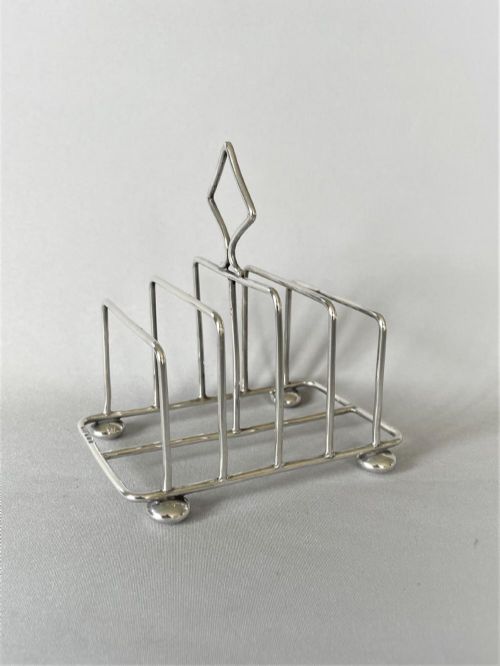
- Toast rack
- A metal framework fitted with upright dividers to hold slices of toast upright. This form prevents condensation from softening the crisp bread.
- Assay office
- An official body charged with testing the purity of precious metals and stamping them with requisite hallmarks. Cities such as Birmingham and Chester operated prominent offices.
Sterling Silver Table Accessories: Frequently Asked Questions
How were menu holders used?
Hosts placed menu holders on dining tables to inform guests of the courses being served. They held printed cards upright between guests.
Many examples take figural forms such as owls, swans, and monkeys playing instruments.
How do I identify the date of a piece?
English silver carries a series of stamped hallmarks that indicate the assay office, standard of silver, and a specific date letter. Additional maker marks identify the silversmith or workshop.
Comparing these stamps against official registry records reveals the exact year of manufacture.
How should silver table accessories be stored?
Silver benefits from regular use and gentle cleaning with specialised cloths to prevent tarnish accumulation. Keeping items in lined boxes protects them from surface scratches.
Avoid exposure to rubber and certain treated woods which accelerate tarnishing.