

Sterling Silver Stand
A sterling silver stand brings refined metalwork to a dining table or desk, offering both utility and decorative presence.
Sterling Silver Stand
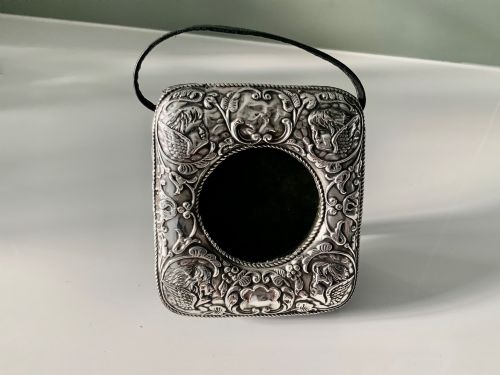
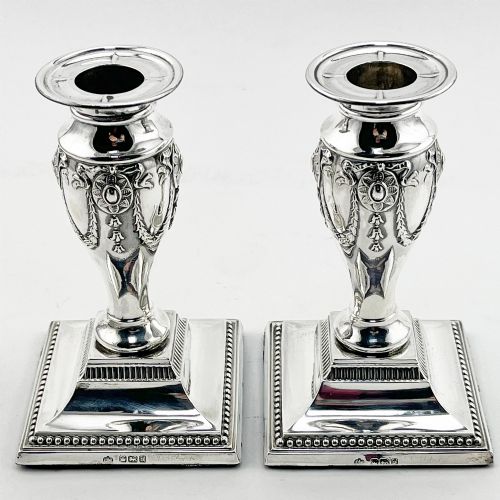
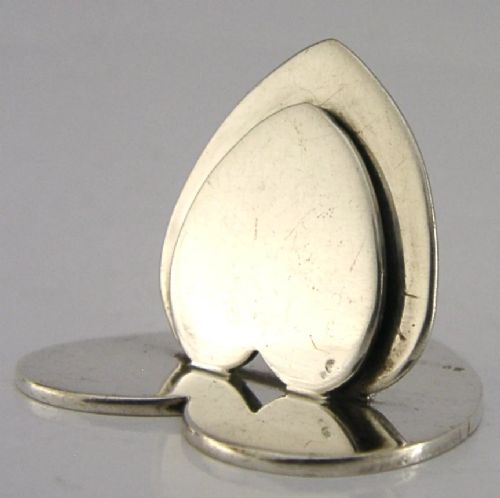
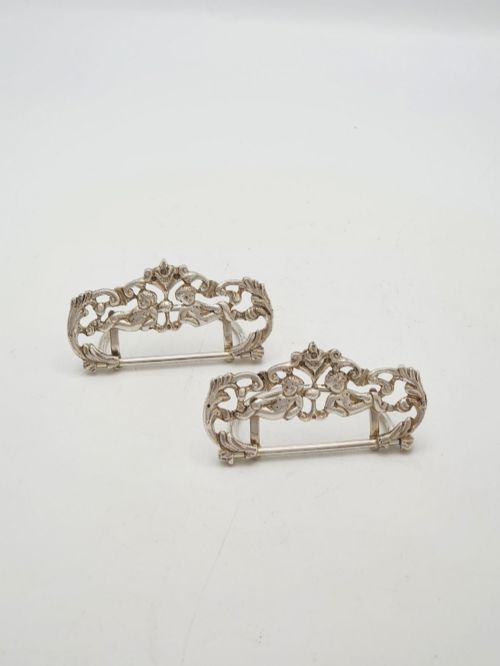
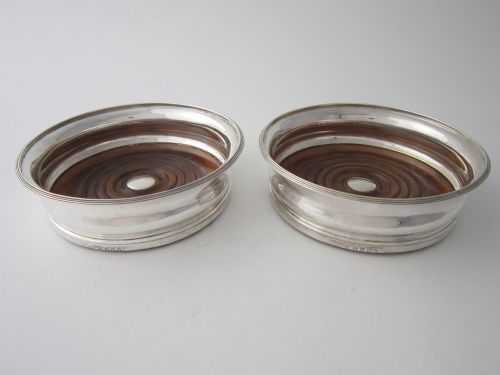
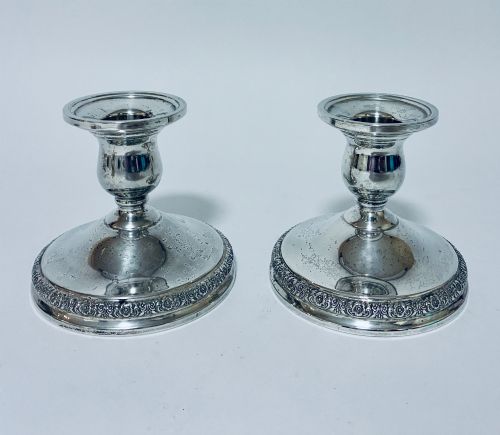
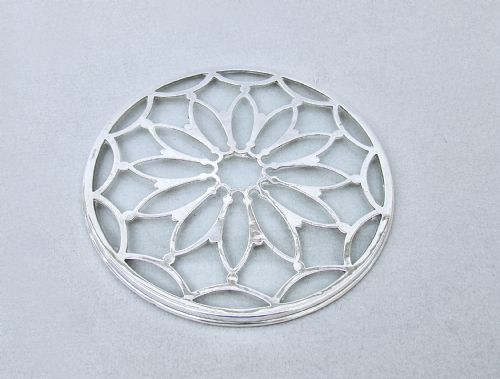
When searching for a sterling silver stand, you encounter a varied assortment of utilitarian and decorative objects designed to elevate table settings and desktops. The selection encompasses menu holders, place card holders, wine coasters, candlesticks, and photograph frames.
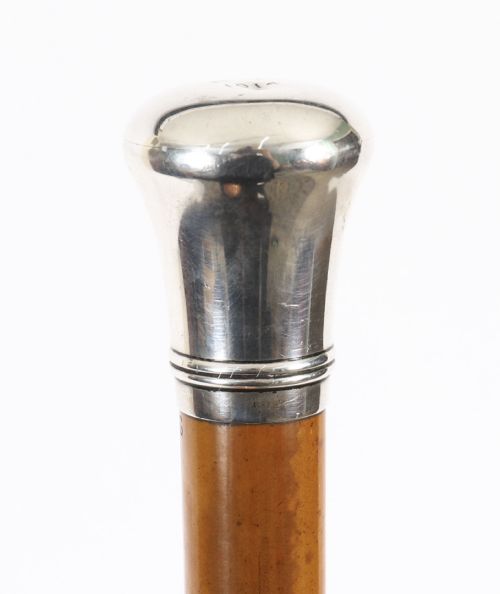
The objects span multiple eras, with Edwardian and Victorian pieces appearing frequently alongside Georgian, George V, and later examples. Makers utilised sterling silver frequently, often combining it with glass, wood, velvet, cut glass, silk, or enamel.
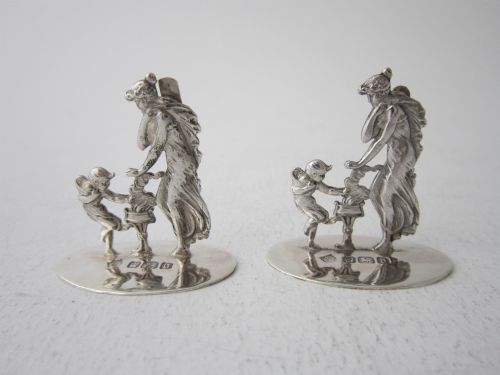
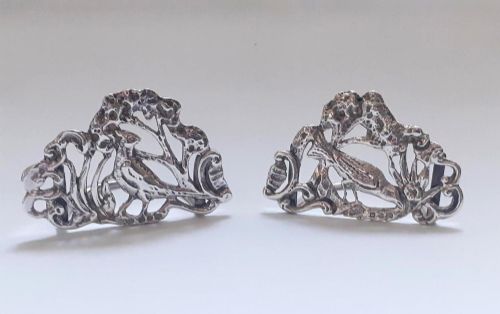
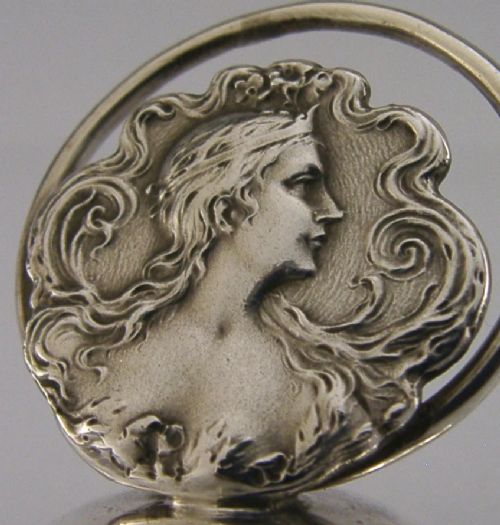
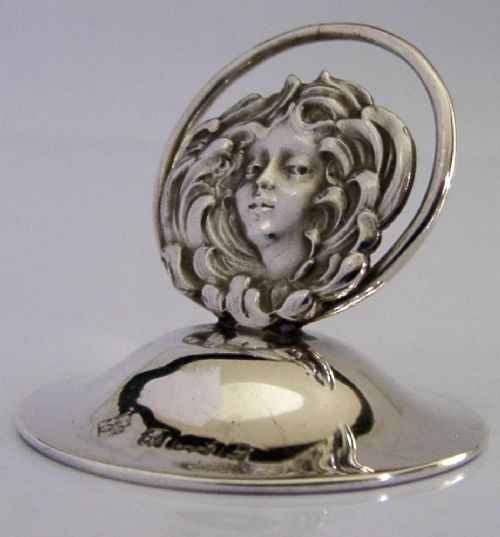
Forms range from simple geometric shapes to elaborate figural designs depicting animals, cherubs, and maidens in Art Nouveau or Neoclassical styles. Each piece serves a specific domestic function, whether supporting a teapot, holding a photograph, or displaying a menu.
How they were made
Silversmiths shaped sterling silver through hammering, casting, and repoussé work, creating both sturdy structural forms and intricate decorative details. Many items combine silver mounts with organic materials such as wood bases, tortoiseshell backing, or glass inserts.
Enamel and cut glass often provide contrast and colour to the metal framework, particularly in frames and condiment holders. Hallmarks stamped into the silver record the assay office, standard of metal, and date of manufacture.
Sterling Silver Stand Retail Price Guide 2026
Typical asking prices for sterling silver stand among the pieces listed under this phrase on Sellingantiques today, from the lower quarter to the upper quarter. They describe what is for sale here now, not the wider market.
Among the menagerie of silver animals holding your cards, a cheeky monkey plays miniature drums.
What varies in quality
The structural integrity of the mounts and the preservation of secondary materials like glass inserts or wooden backs influence desirability. Hallmark legibility and balanced proportions further distinguish finer examples from standard production.
Hammond Turner And Sons·Sampson Mordan·Elkington And Co·Harrods Ltd·Levi And Salaman·A Wilcox·Grey And Co·William Hutton And Sons·William Burwash
The Sterling Silver Stand Glossary
- Sterling silver
- An alloy containing 92.5 percent silver by mass, with the remainder consisting of other metals like copper for durability. This standard is marked by the lion passant on British silver.
- Assay office
- A body charged with testing the purity of precious metals and stamping items with official hallmarks. Common marks include the leopard's head for London and the anchor for Birmingham.
- Menu holder
- A small upright display piece used on dining tables to present course lists or place cards. They often feature figural subjects or intricate metalwork.
- Wine coaster
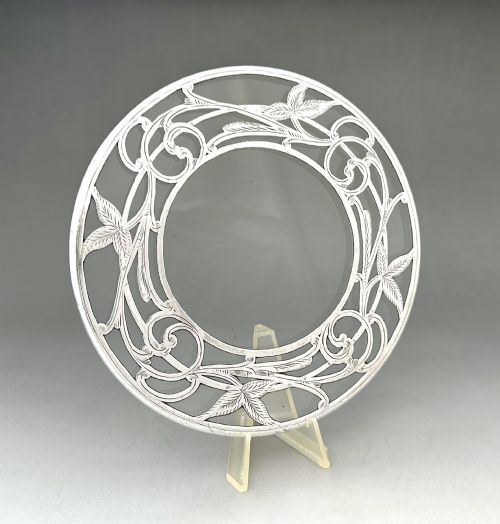
- A circular tray, frequently fitted with a wooden base, designed to hold a wine bottle and protect the dining table. Many examples feature pierced galleries or grape and vine motifs.
- Cruet stand
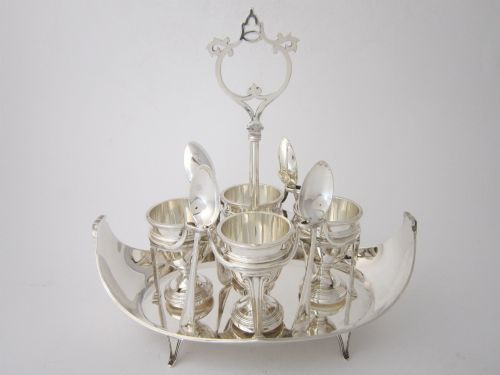
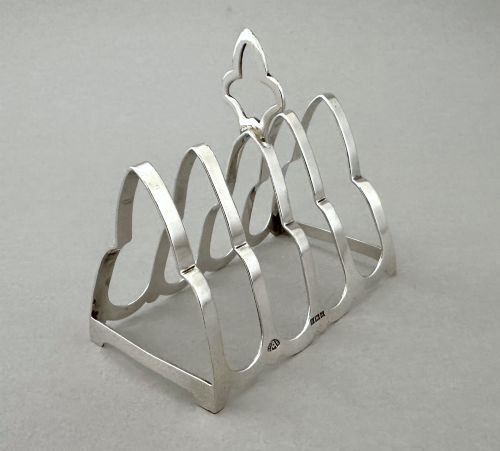
- A frame designed to hold multiple condiment bottles, egg cups, or cruets securely together. These pieces often incorporate a central carrying handle.
Sterling Silver Stand: Frequently Asked Questions
What is a sterling silver stand used for?
These stands serve various domestic purposes, ranging from holding menu cards and place markers at formal dinners to supporting photographs and pocket watches on a desk.
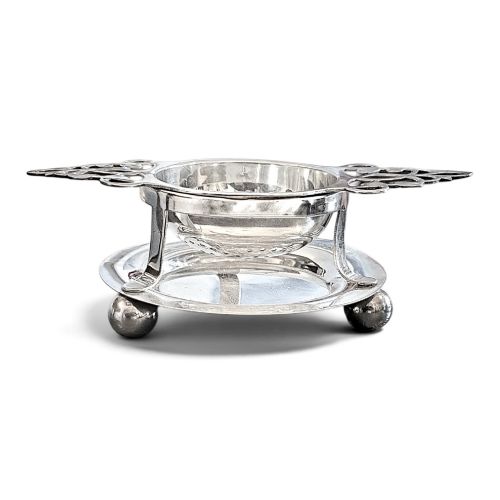
Some designs are specifically created to carry condiment bottles, tea strainers, or wine coasters during meals.
How do I date a silver stand?
Dating relies heavily on the hallmarks stamped directly onto the metal surface, which indicate the assay office and a specific date letter corresponding to the year of manufacture.
Stylistic elements like Art Nouveau curves or Neoclassical symmetry also help narrow down the period.
Are these pieces made entirely of silver?
While the primary structural and decorative components consist of sterling silver, many items incorporate secondary materials to provide weight or function.
Wooden bases, glass inserts, velvet backings, and enamel accents frequently accompany the silver mountings.
How should I clean a silver stand?
Maintenance requires gentle cleaning with a specialised silver polish and a soft cloth to remove tarnish without abrading the surface or wearing down fine details.
Care must be taken around secondary materials such as wood, silk, or enamel to avoid moisture damage.