




Sterling Silver Sewing Tool
These sterling silver sewing tool pieces are wearable and desk accessories shaped as animals, shoes, and household objects, prized for intricate detail.
Sterling Silver Sewing Tool
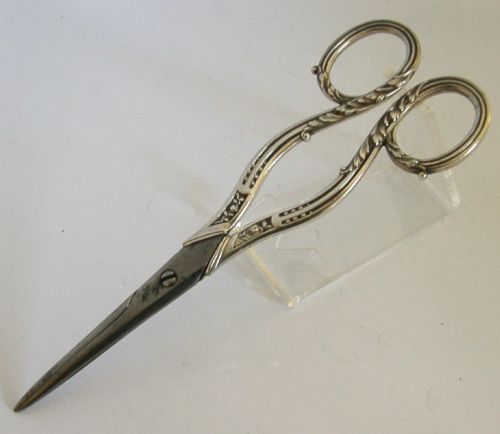
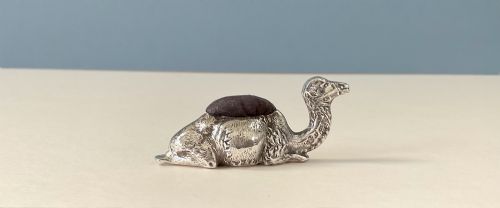
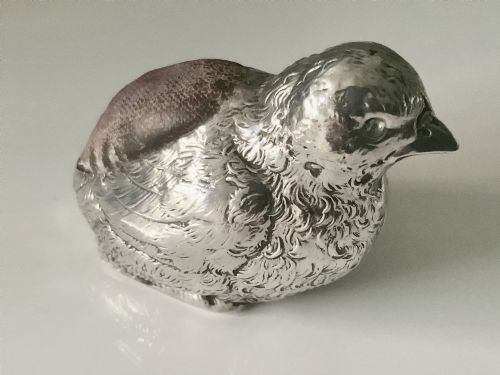
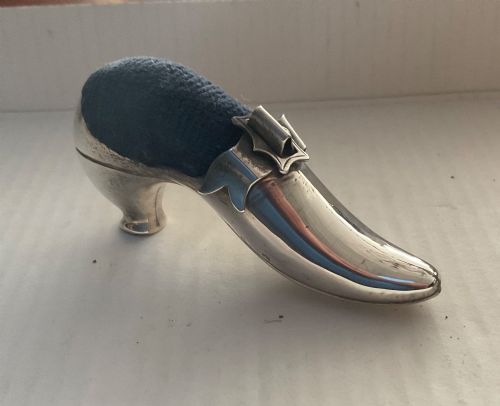
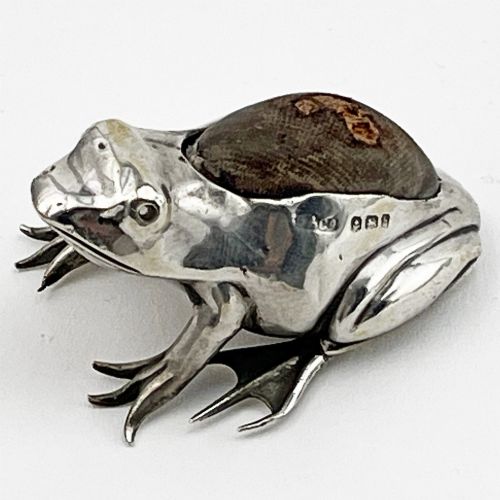
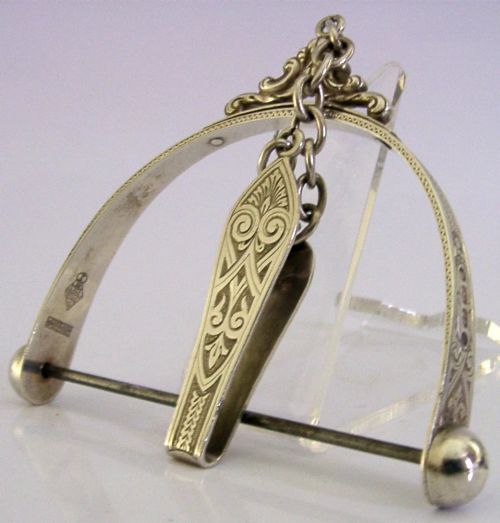
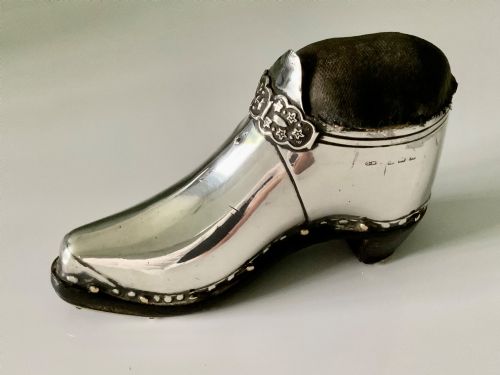
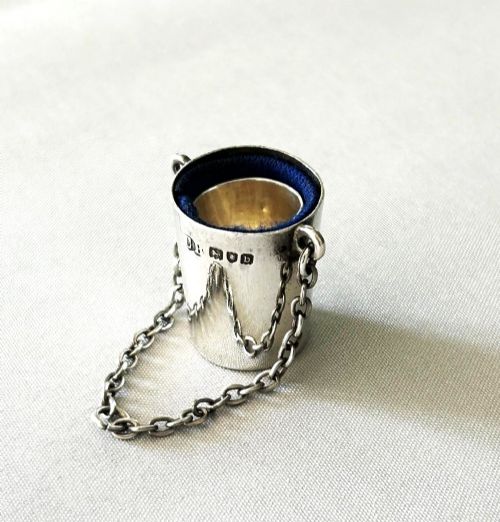
The version most frequently met on this page is the Edwardian novelty pin cushion, taking animal forms such as pigs, swans, frogs, and elephants. Alongside these fauna pieces appear miniature everyday items including wheelbarrows, shoes, railway lamps, and cars. These small silver items combine utility with playful design.
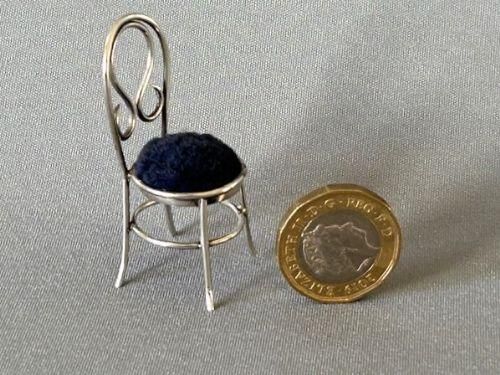
Earlier examples bridge the gap into the Georgian and Victorian eras, presenting etuis fitted with multiple tools or elaborate salon chairs and teapots. These domestic and personal objects reflect the high status of sewing in past households. Each item reveals the ingenuity of silversmiths working across Britain and Europe.
What varies in quality
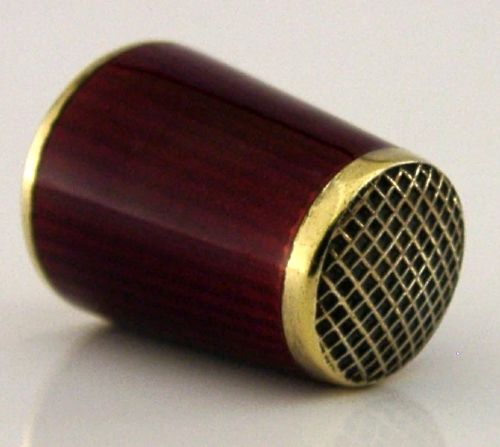
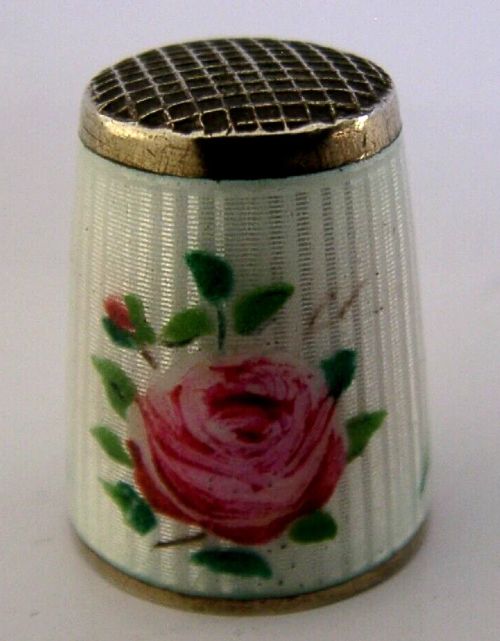
The retention of original textile components, such as velvet pads and fitted fabric linings, affects overall integrity. Enamelled thimbles depend on the preservation of the coloured glass layer without loss or hairline fracture. Hallmark legibility provides historical context and confirms the authentic period origin of the metalwork.
The listings span the Victorian, Edwardian, and Georgian periods, incorporating materials such as enamel, velvet, gold vermeil, and steel alongside sterling silver.
Adie & Lovekin·David Andersen·Walter & George Myers·Charles Horner·George W Shiebler
The Sterling Silver Sewing Tool Glossary
- Chatelaine
- A decorative belt hook suspended with chains carrying small functional items like scissors and thread holders. Ladies wore them to keep sewing implements close at hand during daily tasks.
- Pin cushion
- A padded receptacle designed to hold pins safely during needlework. In silver examples, the cushion sits inside a moulded metal casing shaped as an animal or object.
- Etui
- A small ornamental case holding needles, scissors, and other miniature implements. Georgian versions represent sophisticated portable kits for the needleworker.
- Vermile
- Silver gilt, comprising sterling silver coated with a thin layer of gold. This treatment added a warm golden tone to thimbles and interior fittings.
- Novelty silver
- Silver articles formed into amusing or unexpected shapes rather than standard utilitarian designs. Edwardian makers excelled in producing these playful domestic items.
Sterling Silver Sewing Tool: Frequently Asked Questions
What were sterling silver sewing tools used for?
These objects served practical purposes in household needlework, assisting with measuring, cutting, and pinning fabric. Wealthy households valued ornate implements that combined utility with display.
Many smaller items hung from chatelaines, allowing makers to carry tools conveniently through the home. Novelty pieces brought humour to domestic tasks while protecting pins.
How do I identify an Edwardian pin cushion?
Edwardian pieces often feature realistic animal shapes like pigs, bears, and birds combined with clear Birmingham or Chester hallmarks. The silver gauge tends to be light, cast into detailed moulds.
Inspect the base for maker marks and registration numbers typical of the early twentieth century. The integration of coloured velvet upholstery also points toward this decorative era.
Are these sewing tools still usable today?
Most pieces remain structurally sound for gentle modern use, particularly thimbles and solid silver scissors. Velvet pin cushions continue to hold pins effectively.
Collectors more commonly display these items as cabinet pieces due to their age and delicate nature. Care should be taken to preserve original fabrics and delicate enamel work.
How can I tell Victorian pieces from later items?
Victorian examples often display heavier silver gauges, deeper hand-chased relief, and distinct hallmarks from the nineteenth century. Common forms include miniature teapots, salon chairs, and etuis.
Later Edwardian and George V items lean towards whimsical novelty subjects like cars, railway lamps, and roller skates. Comparing the hallmark date letters provides definitive chronological placement.