

Sterling Silver Ring Box
When searching for a sterling silver ring box, collectors encounter small, hinged vessels lined for jewellery preservation, predominantly dating from the late nineteenth century through to the Edwardian and George V periods.
Sterling Silver Ring Box
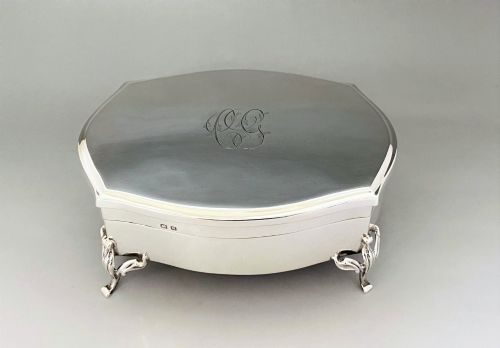
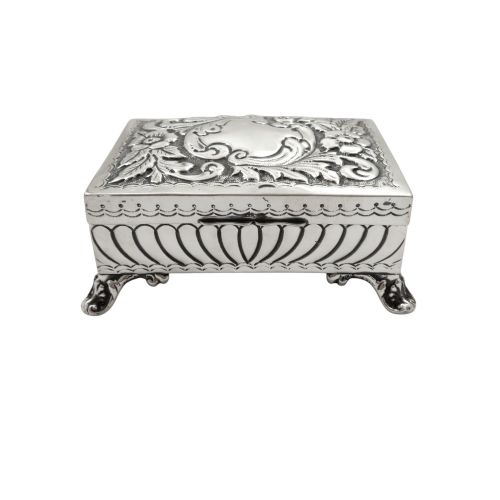
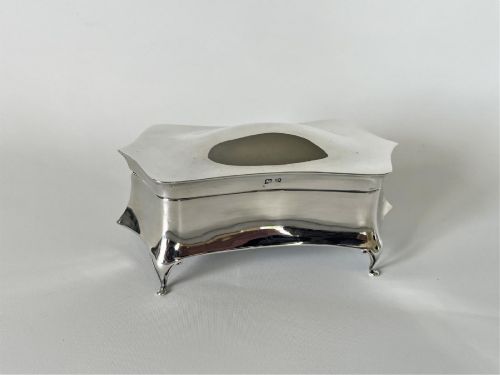
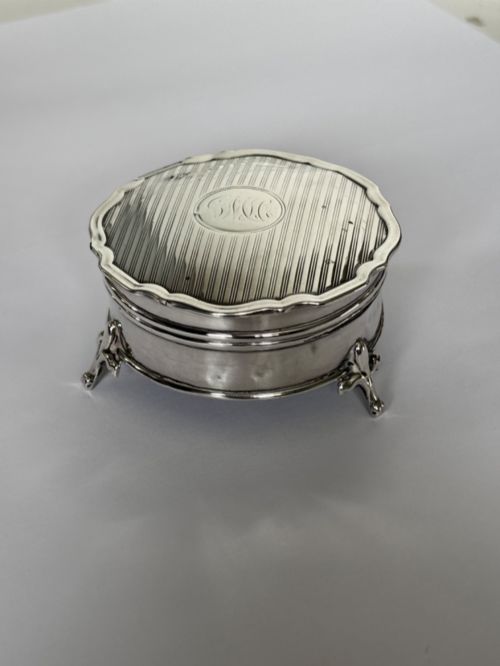
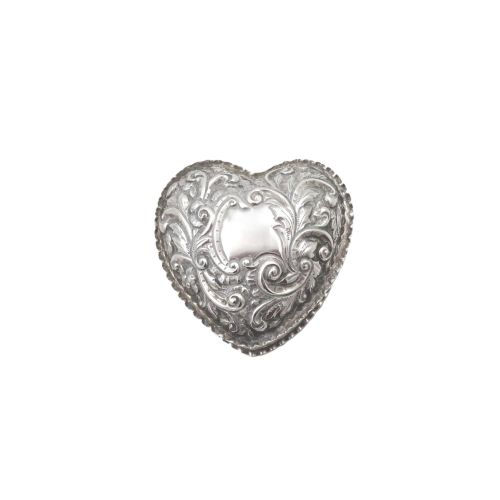
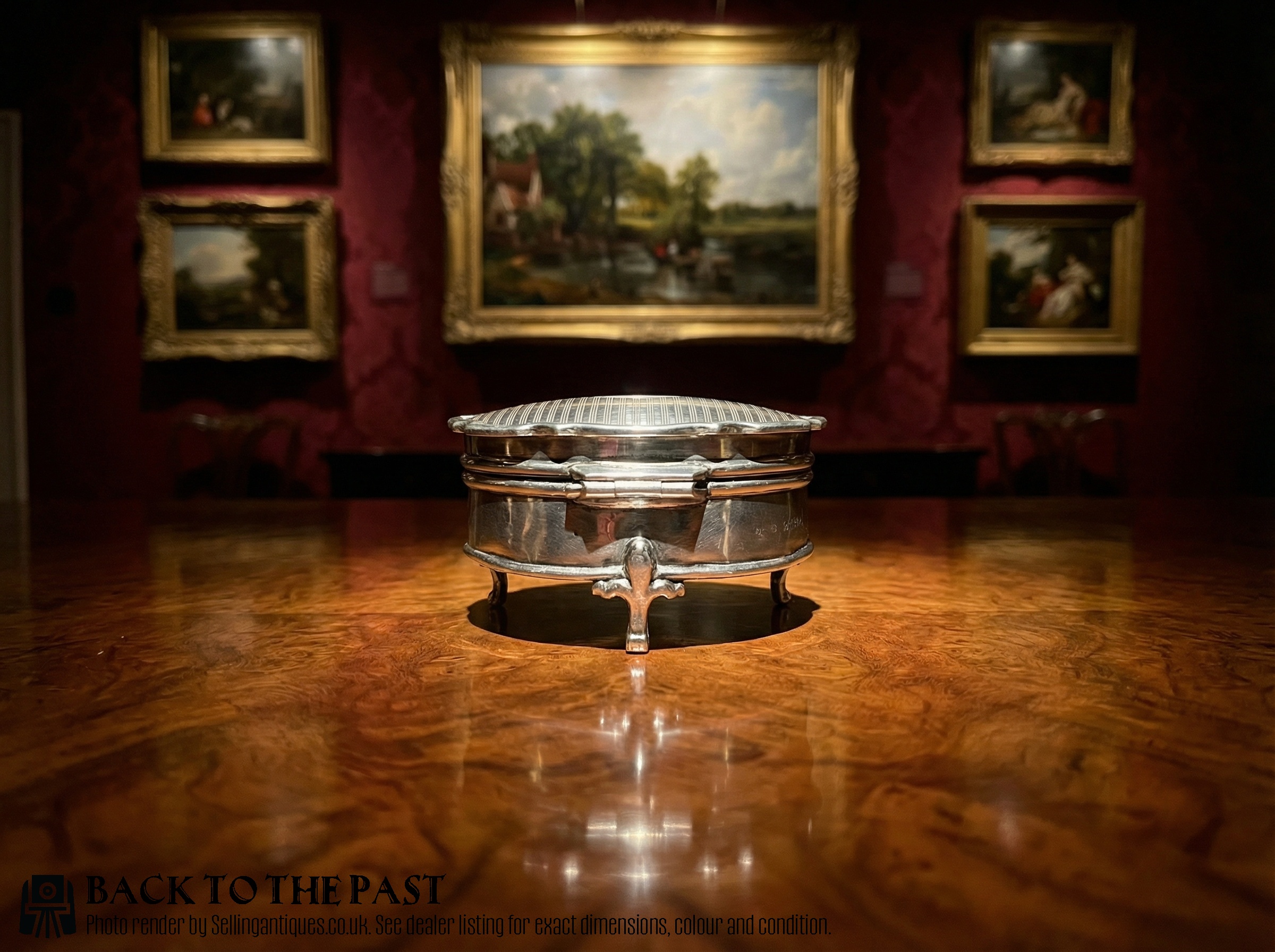
A sterling silver ring box is a small dresser container designed to hold precious bands, often shaped as hearts, ovals, or rectangular caskets. These pieces date principally from the Victorian, Edwardian, and George V eras, reflecting the domestic habits of dressing tables from the 1880s onward.
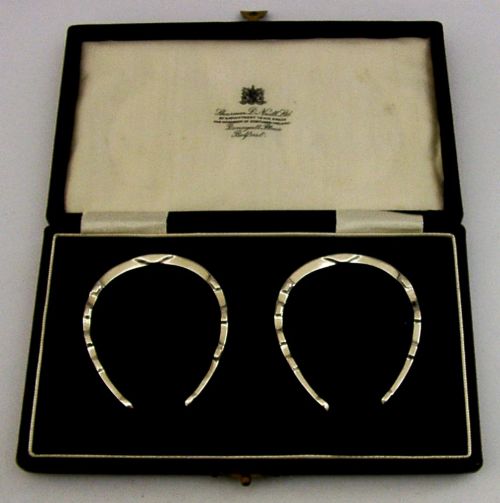
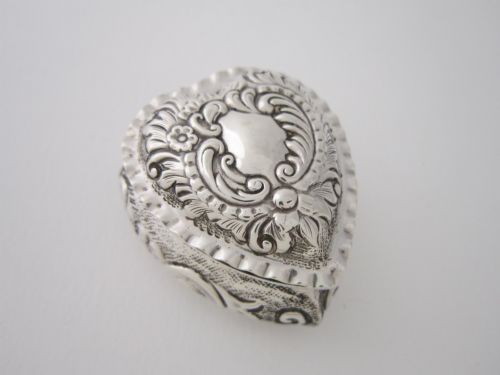
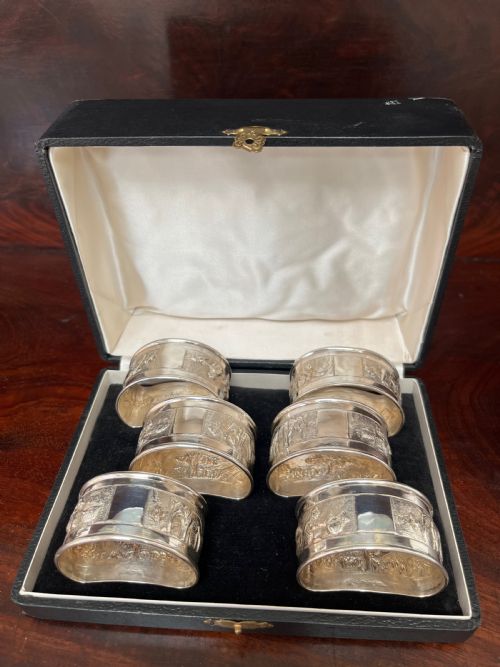
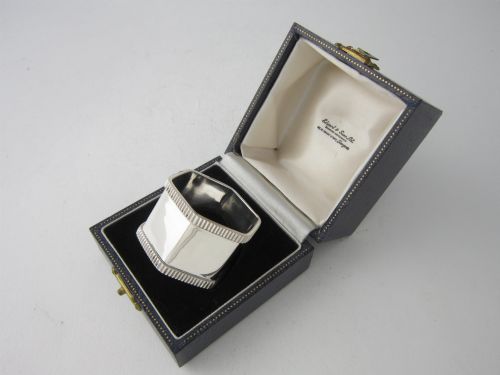
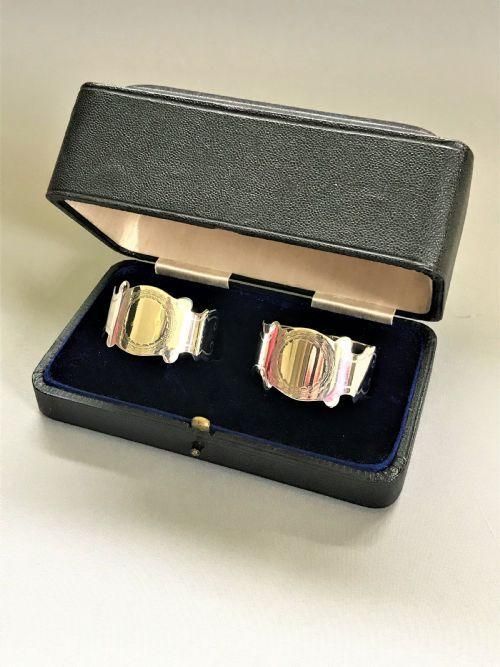
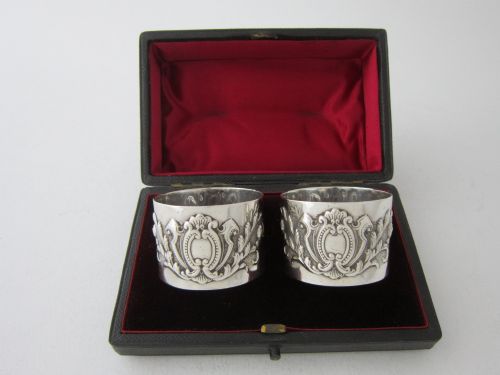
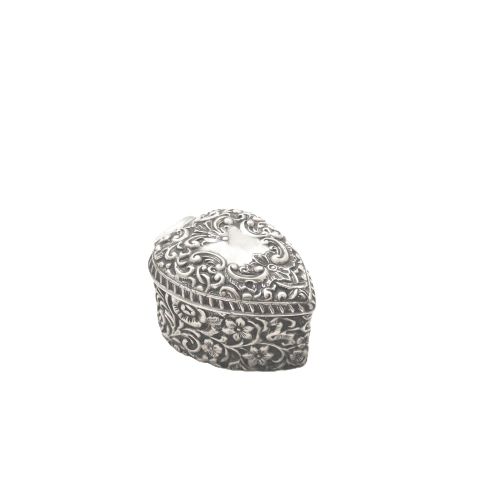
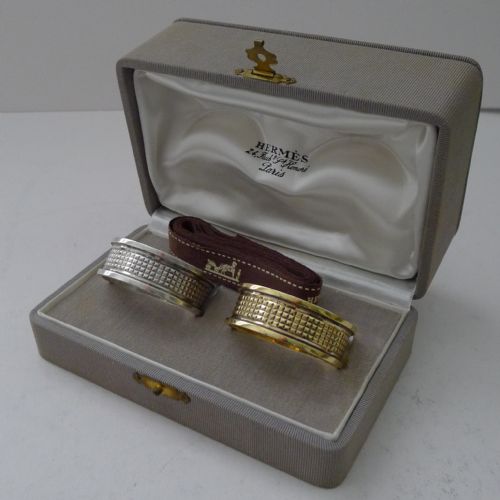
Buyers frequently meet heart-shaped hinged caskets and small pill or ring boxes bearing embossed cherubs, floral repoussé, or geometric engine-turned engraving. Many examples survive alongside related silver table wares such as napkin rings and dressing table sets.
How They Were Made
Silversmiths constructed these boxes using solid sterling silver, frequently shaping lids through stamping, chasing, or repoussé techniques to create raised motifs like cherubs and floral scrolls. Hallmarks stamped into the metal indicate the assay office, city, and year of manufacture.
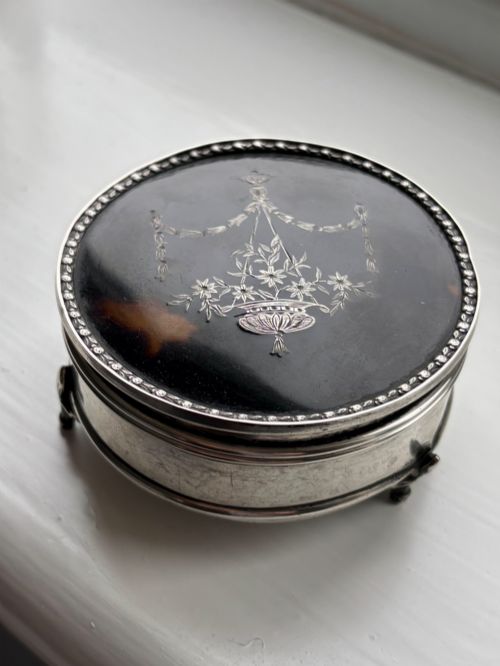
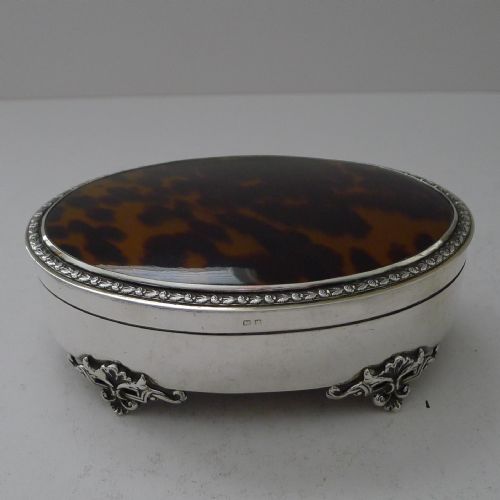
Interiors were fitted with delicate padding materials including silk, velvet, satin, or leatherette to protect stored jewellery. Some larger dressing table boxes also incorporate tortoiseshell or leather panels set directly into the silver lid.
What Varies in Quality
Quality rests heavily on the crispness of the exterior decoration, where deep, hand-chased relief work outlasts shallow stamped designs. The integrity of the silver hinges and the secure closure of the lid also dictate the standard of execution.
Condition extends to the interior linings, as original silk, velvet, or leatherette padding that remains intact holds greater appeal than replaced interiors. Maker attributions and clear hallmarks further distinguish standard production items from workshop pieces.
Ollivant & Botsford·C.T. Burrows & Sons·Tiffany & Co·William Comyns·Mappin & Webb·Cartier·Asprey·Hermes, Paris
The Sterling Silver Ring Box Glossary
- Repoussé
- Metalworking technique where the silver is hammered from the reverse side to form a raised design on the front. This method produced the prominent cherubs and floral scrolls seen on Victorian boxes.
- Hallmark
- Official stamp pressed into the metal indicating the standard of silver purity, the assay office, and the date letter. British pieces commonly show the lion passant and city marks.
- Sterling silver
- Alloy containing 92.5 percent silver by weight, combined with other metals for durability. This standard defines the vast majority of antique dresser boxes.
- Engine-turned
- Geometric pattern engraved mechanically onto the metal surface by a lathe. This technique is frequently observed on George V period items.
- Silver gilt
- Sterling silver that has been coated with a thin layer of gold on the surface. This finish appears on select interior mounts and associated tableware.
Sterling Silver Ring Box: Frequently Asked Questions
What were sterling silver ring boxes used for?
These small vessels sat upon dressing tables to safely hold rings, pins, and small trinkets overnight. The interior padding protected precious stones and soft metals from scratching against the bare silver.
Over time, they evolved from utilitarian dresser accessories into decorative display pieces. Victorian and Edwardian owners valued them as personal items for boudoir organisation.
How can I date my sterling silver ring box?
Dating relies upon the hallmarks stamped onto the silver, which include a specific letter corresponding to the assay year. Consulting standard British hallmarking charts decodes these symbols.
Stylistic clues also help, as heart shapes and cherub motifs strongly indicate late Victorian or Edwardian production. Art Deco examples typically show geometric engine-turned engraving from the 1930s.
Are the interior linings usually original?
Many boxes retain their original silk, velvet, or satin pads, which often show natural age-related fading and wear. Silk and velvet fabrics degraded easily over decades of daily use.
When a lining remains clean and intact, it preserves the authentic interior presentation. Replacements occur frequently due to the delicate nature of nineteenth-century textiles.
How do I care for antique sterling silver boxes?
Gentle dusting with a soft microfibre cloth prevents the accumulation of dirt within chased crevices and engraved lines. Aggressive polishing wears down thin repoussé relief and damages stamped hallmarks.
Keeping the boxes away from direct moisture protects the delicate internal fabric linings from staining or rotting. Proper placement ensures the antique hinges remain unstressed.