

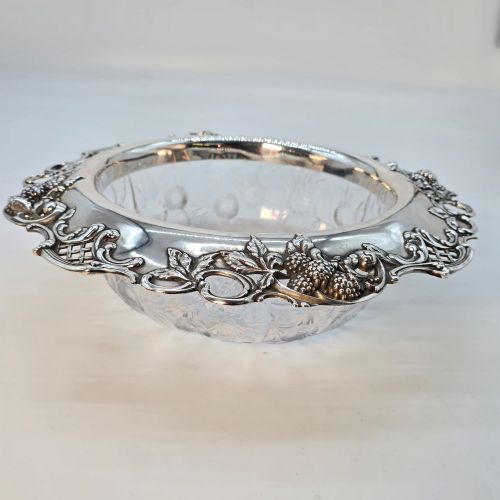
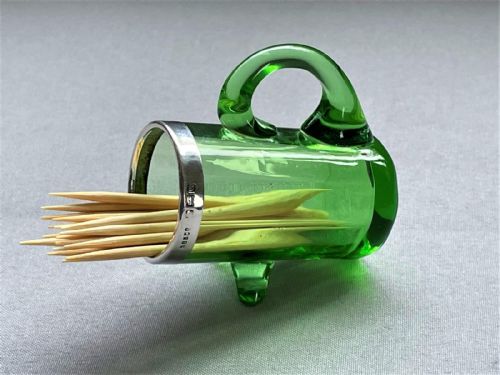


Sterling Silver Rim
These sterling silver rim pieces join glass, ceramic and leather bodies with solid metal mounts, offering both practical utility and decorative grace.
Sterling Silver Rim
When you search for a sterling silver rim, you encounter functional objects where precious metal borders or mounts stabilize and frame bodies made from other substances.
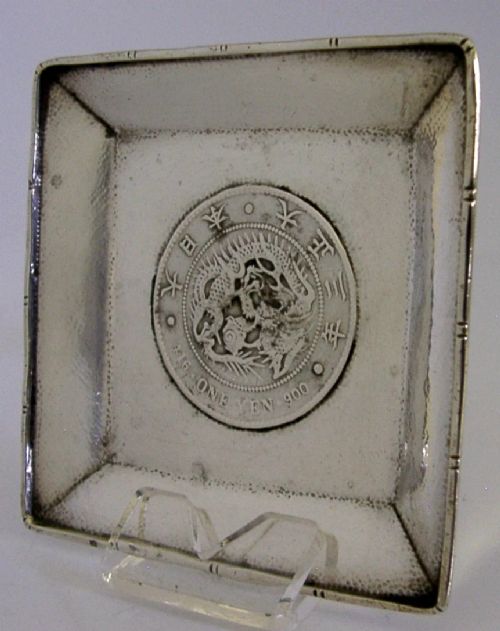
The selections span centuries of British and international craftsmanship, stretching from Georgian mustard pots and card trays through Victorian jugs to Edwardian match strikers.
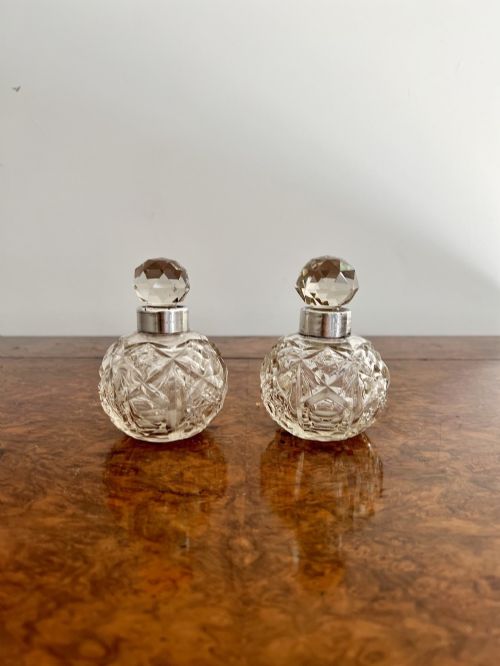
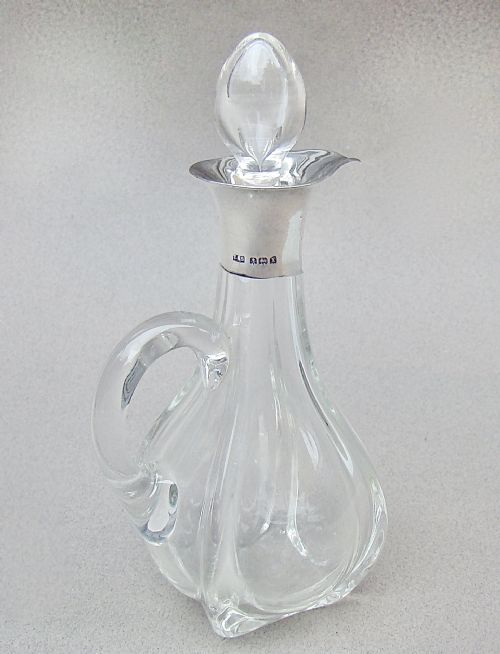
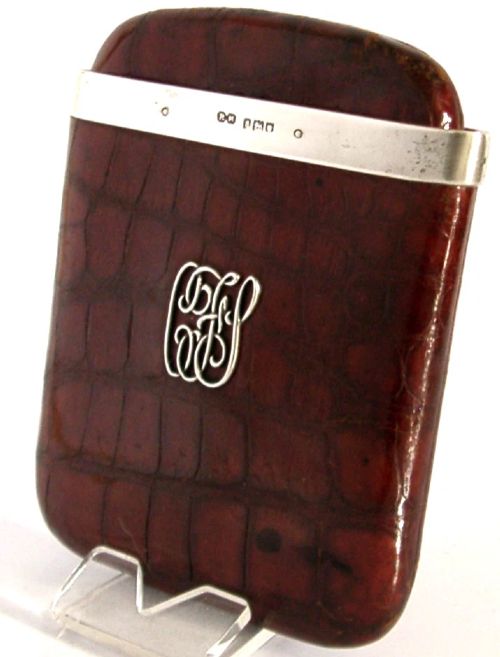
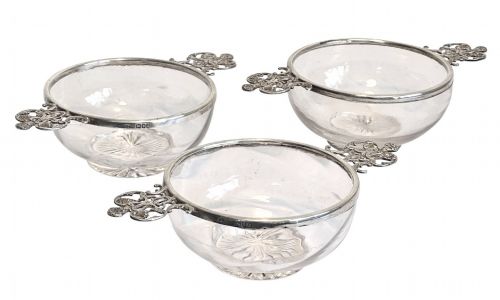
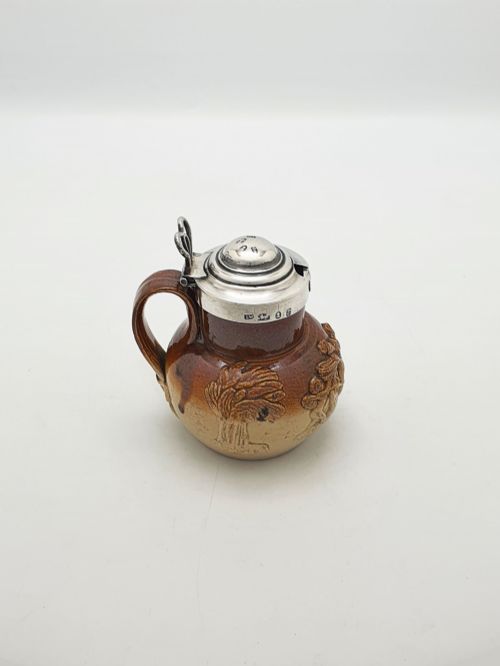
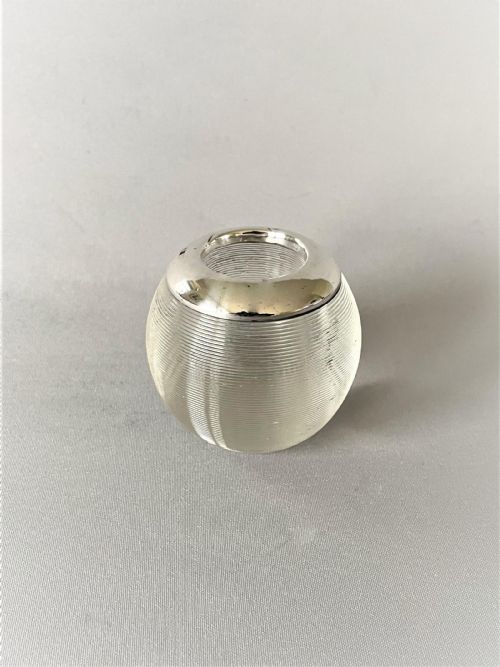
Glass bowls, crystal vessels, Doulton Lambeth stoneware, cut glass, and crocodile leather all form the core bodies that receive these solid metal rims.
How they were made
Makers combined sterling silver with cut glass, crystal, stoneware, and occasionally organic materials like crocodile leather through precise mounting and fitting techniques.
Smiths hammered, cast, or stamped the silver rims to follow the exact contours of ceramic beakers, glass bowls, and leather cigar cases.
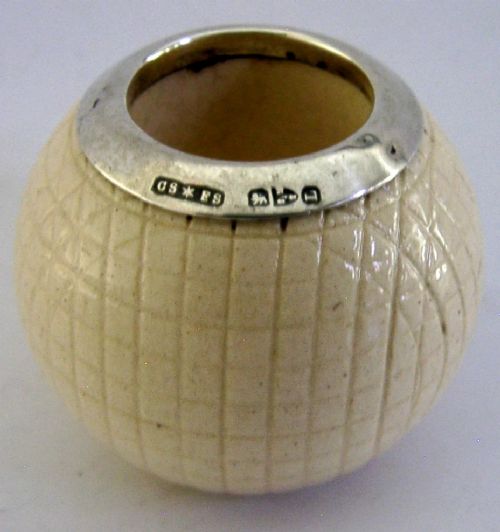
Hinged lids, collars, and borders were secured to earthenware and glass bodies, frequently carrying hallmarks that record the year and assay office of production.
Sterling Silver Rim Retail Price Guide 2026
Typical asking prices for sterling silver rim among the pieces listed under this phrase on Sellingantiques today, from the lower quarter to the upper quarter. They describe what is for sale here now, not the wider market.
Listings feature sterling silver rims applied to glass, crystal, Doulton Lambeth stoneware, and crocodile leather across Victorian, Edwardian, and Georgian periods.
What varies in quality
Quality rests upon the weight and gauge of the sterling silver rim relative to the vessel it supports, alongside the clarity and depth of the associated glass or ceramic body.
The precision with which the metal collar fits the contours of stoneware or crystal dictates the overall refinement of the piece.
Signatures from notable makers or retailers elevate certain examples, separating standard utilitarian items from workshop productions.
Tiffany & Co.·William Comyns·Asprey & Co·Walter Brind·George Ernest Hawkins·S. Kirk & Son Company
The Sterling Silver Rim Glossary
- Sterling silver
- An alloy containing 92.5 percent silver by mass, with the remainder composed of copper or other metals to ensure durability.
- Hallmark
- An official stamp applied to precious metals indicating the standard of purity, the assay office, and the date of manufacture.
- Cut glass
- Glass decorated by cutting facets into the surface using a wheel, producing reflective patterns beneath the silver rim.
- Stoneware
- A heavy, vitreous ceramic fired at high temperatures, often seen paired with silver collars on jugs and mustard pots.
- Bonbon dish
- A small ornamental vessel designed to hold sweets or confections, frequently edged with a decorative silver border.
Sterling Silver Rim: Frequently Asked Questions
What is a sterling silver rim?
A sterling silver rim is a protective or decorative band of precious metal fitted to the edge of a vessel made from glass, crystal, ceramic, or leather.
These borders reinforce vulnerable openings while adding a polished finish to functional items like bowls, jugs, and match strikers.
How do I clean silver rims?
Cleaning requires a soft cloth and specialised silver polish, taking care to avoid abrasive contact with the adjacent glass, ceramic, or leather body.
Gentle application preserves both the metal surface and the integrity of the material it mounts.
Can I use these items daily?
Many of these pieces, such as glass jugs, bowls, and card trays, were designed for practical domestic use and tolerate careful handling.
Stoneware mustard pots and match strikers also retain their functional capacity provided they receive gentle care.
How do I date a piece?
Dating relies heavily on the hallmarks stamped directly into the silver rim, which indicate specific assay office marks and date letters.
Stylistic indicators such as Edwardian glass cutting or Georgian tray forms also help place the object within its correct period.