

Sterling Silver Pocket Box
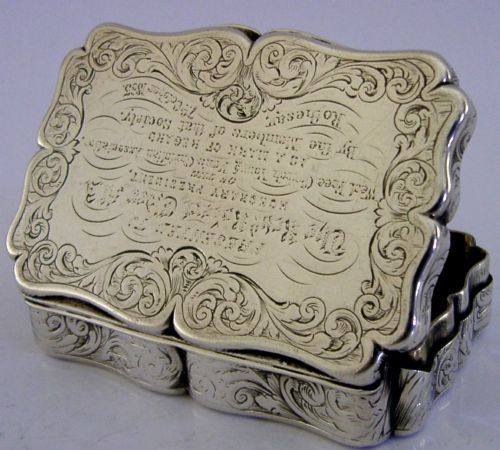
When you search for a sterling silver pocket box, you enter a diverse field of small Georgian, Victorian, and Edwardian containers designed for personal use.
Sterling Silver Pocket Box
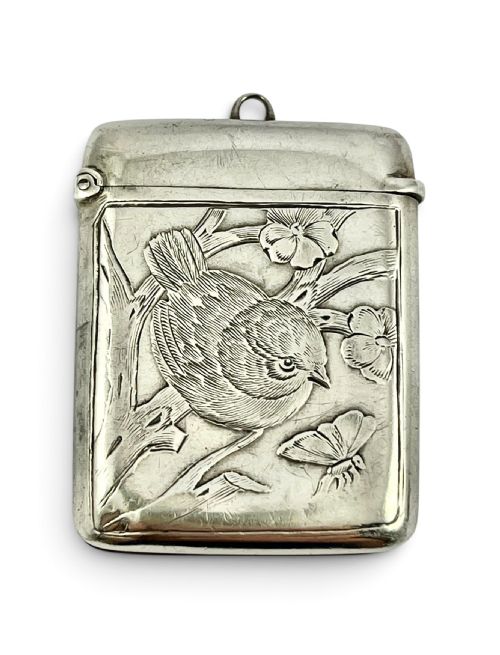
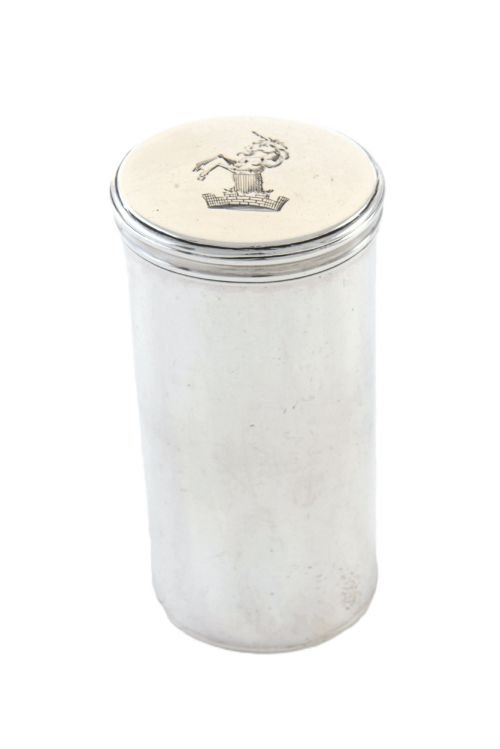
A sterling silver pocket box encompasses a broad category of small, functional containers that historical users carried upon their person. The selections span from snuff boxes and vinaigrettes to vesta cases, card cases, and cigarette cases.
The pieces on this page originate from distinct eras, featuring Georgian, Victorian, and Edwardian examples alongside later Art Deco items. Forms adapt directly to their intended contents, ranging from flat card cases to rounded tobacco boxes.
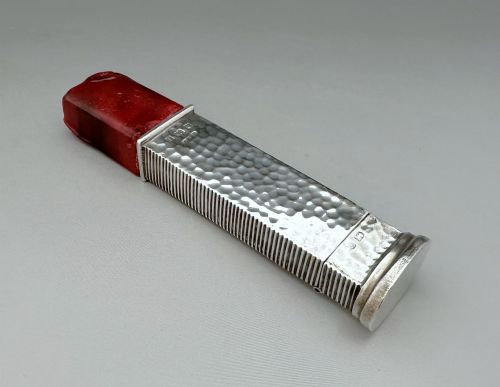
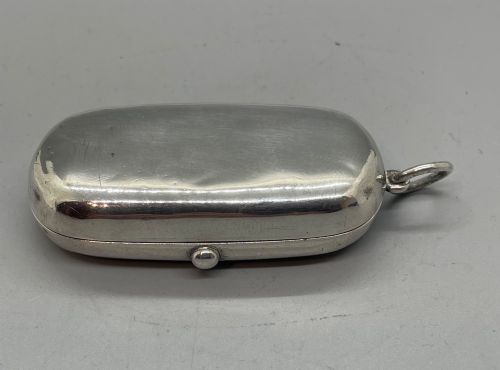
Makers tailored these objects for specific daily rituals, producing specialised items such as stamp cases, sovereign holders, and nutmeg graters. Buyers frequently encounter silver gilt interiors and occasional combinations of multiple functions within a single pocket box.
How They Were Made
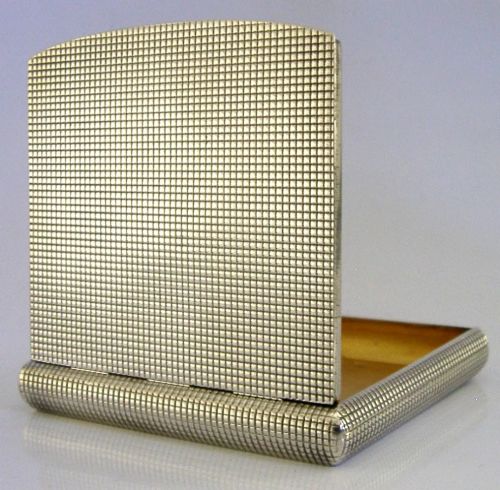
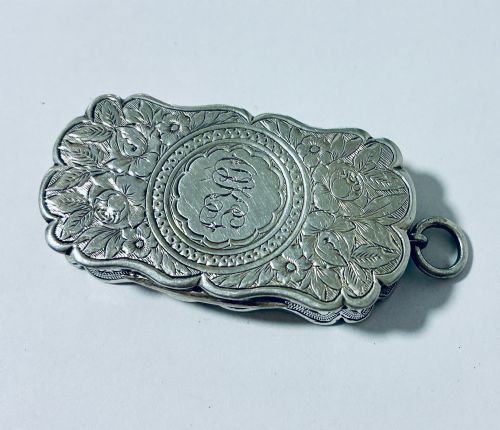
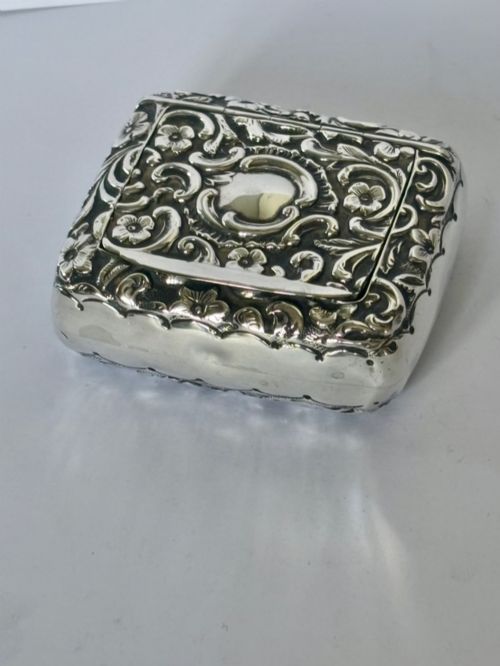
Silversmiths constructed these pocket boxes primarily from sterling silver, frequently applying silver gilt to the interior surfaces to prevent corrosion from contents such as snuff or vinegar. Workshops utilised techniques like embossing, floral chasing, and planishing to texture the exterior metal.
Decoration often extended beyond plain metalwork into supplementary materials. Artisans integrated enamel, glass, silk, and organic elements such as crocodile skin leather or agate into the silver framework.
Hinged lids and secure clasps required precise mechanical assembly to ensure a tight pocket seal. Specialised items integrated internal grille work for vinaigrettes or fitted compartments for stamps and calling cards.
Listings feature sterling silver pocket boxes spanning from Georgian and Victorian eras through the Edwardian period and into 1920s Art Deco.
What Varies in Quality
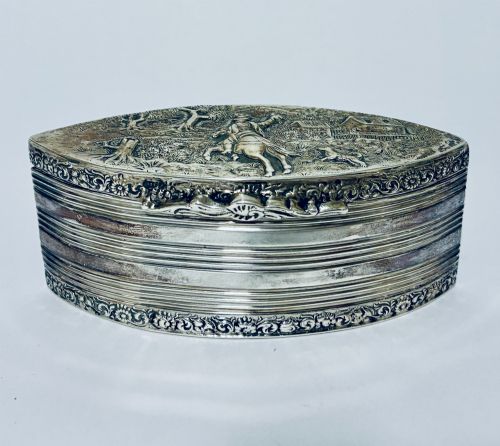
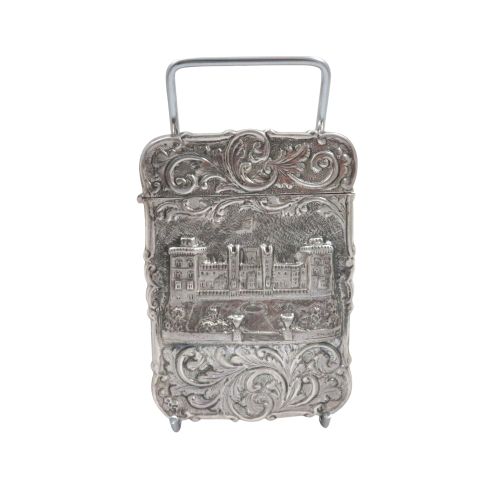
Quality in a sterling silver pocket box rests upon the crispness of the exterior decoration and the structural integrity of the hinges and closures. Pieces featuring detailed hand-engraving, such as castle top scenes or intricate floral chasing, demonstrate superior artisan skill compared to plain or lightly stamped examples.
Aaron Lufkin Dennison·Henry Matthews·Thomas Johnson·Sampson Mordan and Co·Nathaniel Mills·Robert Thornton·Thomas Shaw·Edward Smith·Crisford and Norris·Joseph Willmore
The Sterling Silver Pocket Box Glossary
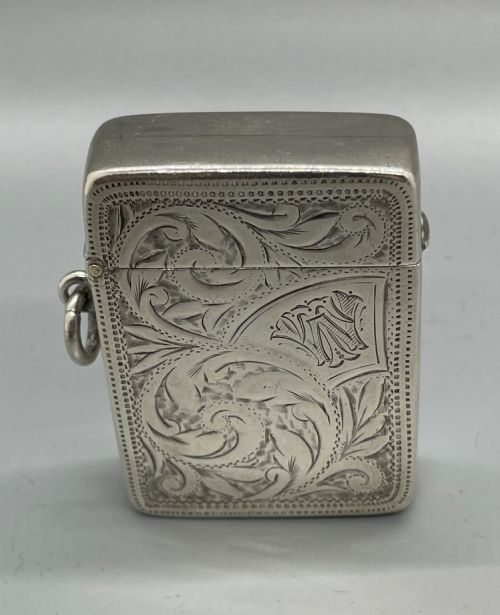
- Vesta Case
- A small pocket container designed to hold matches, typically fitted with a striking stripe on the base. These items date predominantly from the Victorian and Edwardian periods.
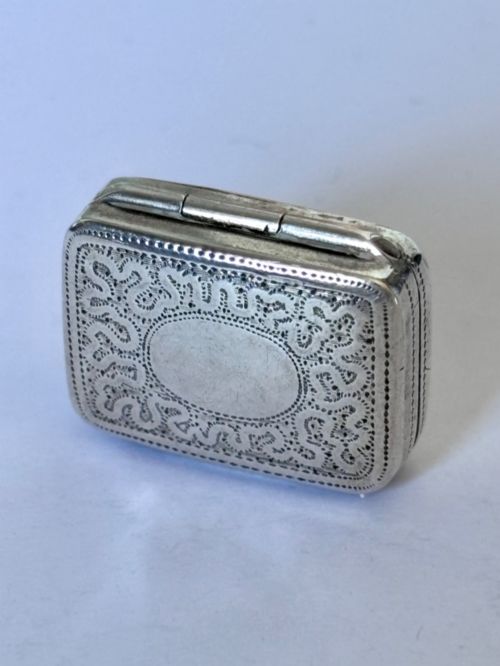
- Vinaigrette
- A small ornamental box containing a perforated internal grille, which held a sponge soaked in aromatic vinegar. They were utilised in the Georgian and Victorian eras to mask unpleasant odours.
- Silver Gilt
- Sterling silver that has been coated with a thin layer of gold on the surface. This technique protected the interior metal from corrosive substances.
- Planished
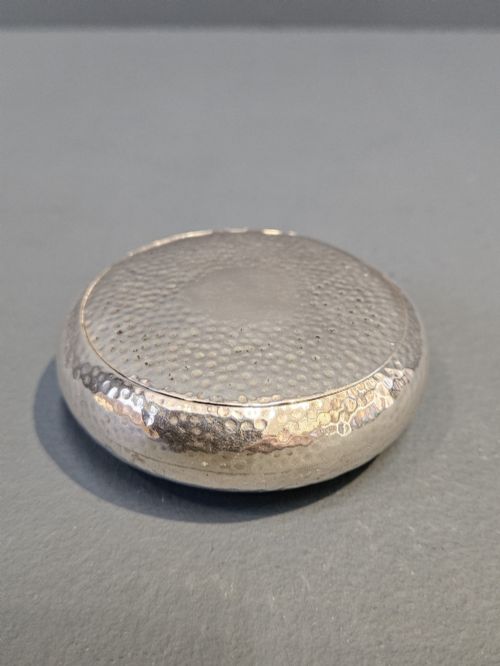
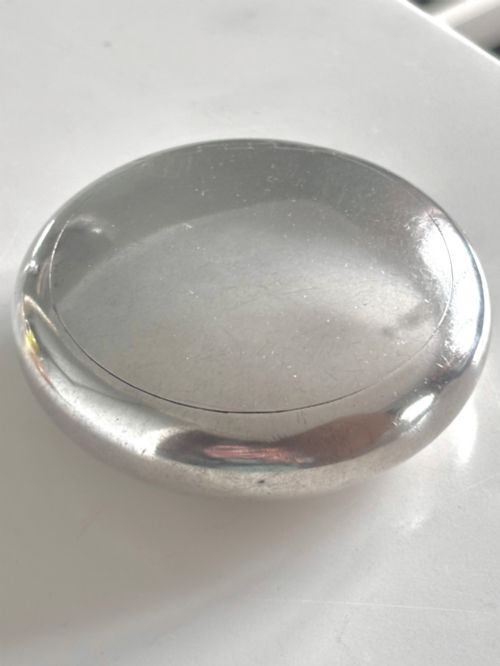
- A metalworking finish achieved by hammering the surface with a polished tool, leaving regular, subtle facets across the silver. This technique appeared frequently on Edwardian pieces.
- Card Case
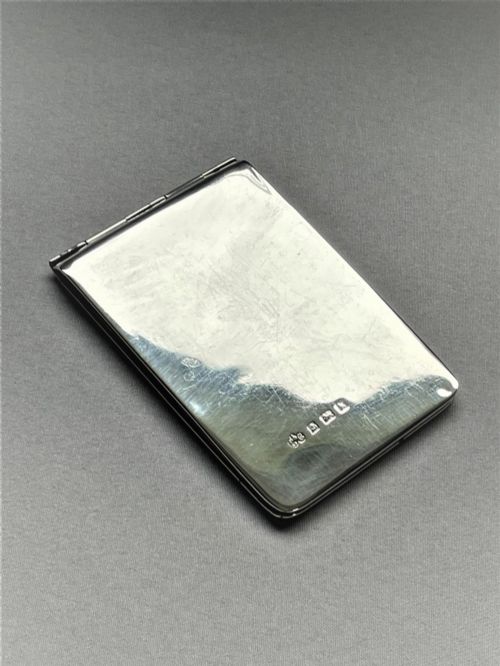
- A flat pocket container used to hold visiting cards during the nineteenth century. Examples frequently feature embossed topographical scenes or detailed figural engravings.
Sterling Silver Pocket Box: Frequently Asked Questions
What was a pocket box used for?
These small containers served specific daily needs for historical users, holding commodities like snuff, matches, calling cards, or tobacco.
Designs were adapted directly to the substance they carried, ensuring secure transport within a pocket or handbag.
How do I identify a Victorian piece?
Victorian items often display heavier ornamentation, including embossed floral chasing, figural subjects, and architectural scenes like castle top card cases.
Assay office marks and date letters stamped onto the sterling silver provide exact chronological placement within the nineteenth century.
Why is the inside gold coloured?
The gold-coloured interior is silver gilt, which is a layer of gold applied over the sterling silver base. Makers utilised this finish to prevent corrosive substances like snuff or vinegar from tarnishing the metal.