

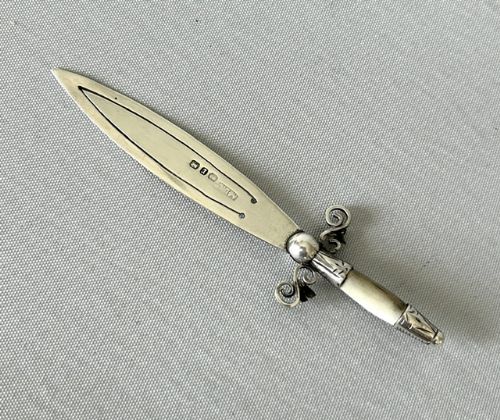


Sterling Silver Page Turner
A sterling silver page turner belongs on any serious writing desk, combining the tactile weight of precious metal with the delicate rustle of uncut book pages.
Sterling Silver Page Turner
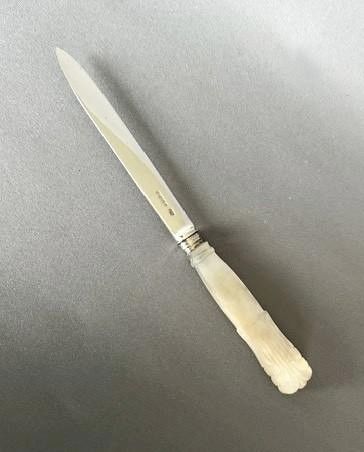
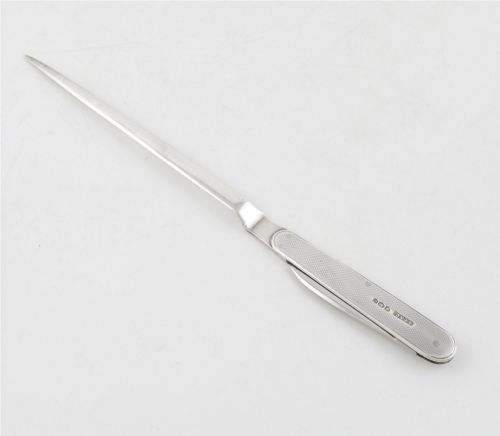
A sterling silver page turner or letter opener is a desk accessory designed to glide smoothly between bound pages or slice through heavy envelopes. These implements appear frequently in Victorian and Edwardian iterations, reflecting an era when correspondence and reading were central domestic rituals.
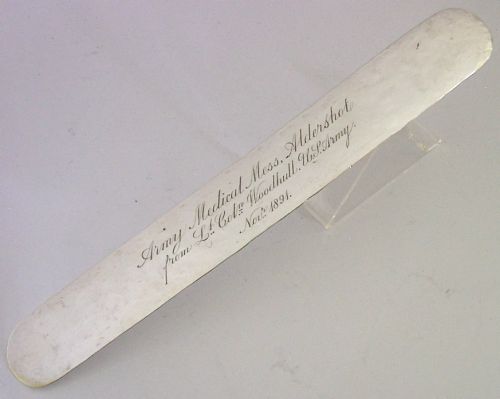
The form ranges from long, flat blades intended for turning uncut pages to shorter, pointed letter openers meant for mail. Examples span the nineteenth and twentieth centuries, including provincial Scottish pieces, commemorative jubilee items, and specialised figural motifs such as greyhounds and pheasants.
Most pieces combine a sterling silver handle with a contrasting blade material, though solid silver variants also occur. They turn up in regional assay offices from London to Chester, carrying the marks of local makers and specific assay dates.
Materials and construction methods
Silversmiths forged handles from sterling silver, frequently incorporating intricate repoussé work, chasing, or bright-cut engraving. Blades were then shaped from organic materials such as tortoiseshell, mother-of-pearl, horn, and agate, or fashioned entirely from solid silver.
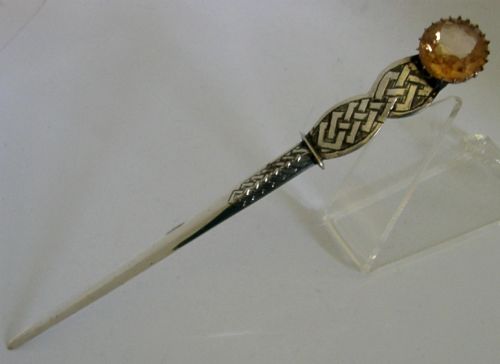
Makers joined the metal handle to the organic blade using secure pins or internal tangs, requiring precise fitting to ensure stability. Natural elements like Connemara marble, citrine, and jade occasionally appeared as decorative insets or terminal seals on the handle.
Sterling Silver Page Turner Retail Price Guide 2026
Typical asking prices for sterling silver page turner among the pieces listed under this phrase on Sellingantiques today, from the lower quarter to the upper quarter. They describe what is for sale here now, not the wider market.
Several Victorian desk companions sport tiny carved greyhound and pheasant terminals, keeping perpetual watch over the morning correspondence.
Factors influencing quality and craftsmanship
Quality rests in the harmony of proportions and the integrity of the materials. A heavier gauge of silver in the handle and a well-polished, unwarped blade indicate superior workshop standards.
The distinction between standard commercial pieces and finer examples often lies in the secondary materials and decorative detail. Intricate tortoiseshell work, hand-engraved fern motifs, and crisp provincial hallmarks elevate the piece beyond a simple utility item.
William Graeme·Grey and Co
The Sterling Silver Page Turner Glossary
- Assay mark
- A stamp indicating the standard of silver purity and the office where it was tested. These marks confirm the metal's authenticity and trace its geographic origin.
- Tortoiseshell
- The mottled brown and amber keratin shell of certain sea turtles utilised for decorative panels. It provides a translucent contrast against polished silver blades.
- Provincial
- Items manufactured outside the major capital assay offices, often in regional Scottish or English cities. Such pieces frequently display distinctive local design traits.
- Repoussé
- A metalworking technique where the artisan hammers the design from the reverse side to form a raised pattern. This creates tactile relief on the silver handle.
- Page turner
- A flat, blunt-edged implement designed to separate folded paper signatures in books without tearing the paper. They measure longer than standard letter openers.
Sterling Silver Page Turner: Frequently Asked Questions
How do I clean a silver page turner?
Use a soft microfiber cloth to gently remove dust and tarnishing from the silver handle, avoiding harsh chemical dips that might damage organic blade materials.
Keep moisture away from tortoiseshell and mother-of-pearl inserts, as water can weaken the adhesive bonds securing them to the metal.
Were these used for books or mail?
They served dual purposes on the writing desk, functioning primarily as paper knives for opening sealed envelopes and as page separators for bound volumes with uncut edges.
Longer examples were generally reserved for reading desk volumes, while shorter pointed blades handled daily correspondence.
How can I date my silver page turner?
Examine the hallmarks stamped on the silver component, which typically include a date letter corresponding to the assay office's records for that specific year.
Stylistic indicators such as Victorian Gothic revival motifs or Edwardian elegance also help narrow down the decade of production.
Are tortoiseshell blades fragile?
Tortoiseshell requires careful handling to prevent drying out and cracking over time, especially in low-humidity environments.
Storing the piece away from direct sunlight preserves the natural flexibility and deep amber tones of the organic material.