



Sterling Silver Desk Item
These sterling silver desk item pieces span the Victorian, Edwardian, and Art Deco periods, offering practical utility and novelty appeal for the writing table.
Sterling Silver Desk Item
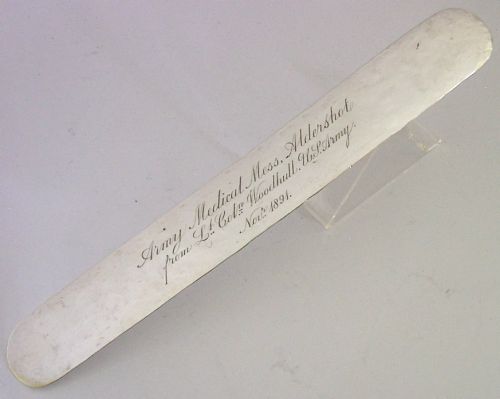
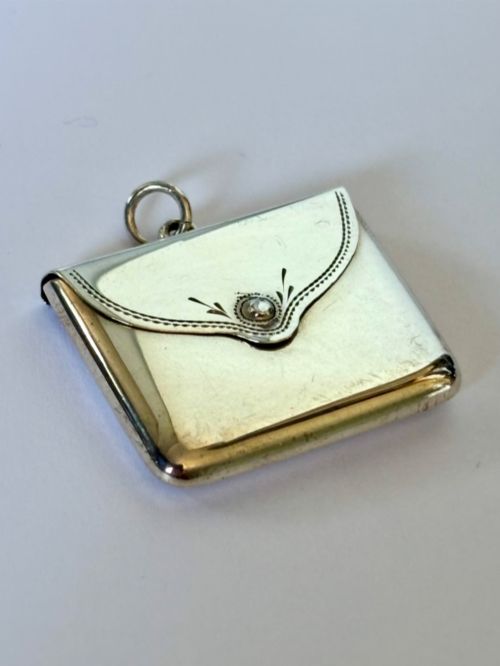
A sterling silver desk item encompasses functional implements and novelty pieces designed for the Victorian, Edwardian, and mid-century writing table. The selection includes letter openers, page turners, stamp cases, pen wipes, and desk bells.
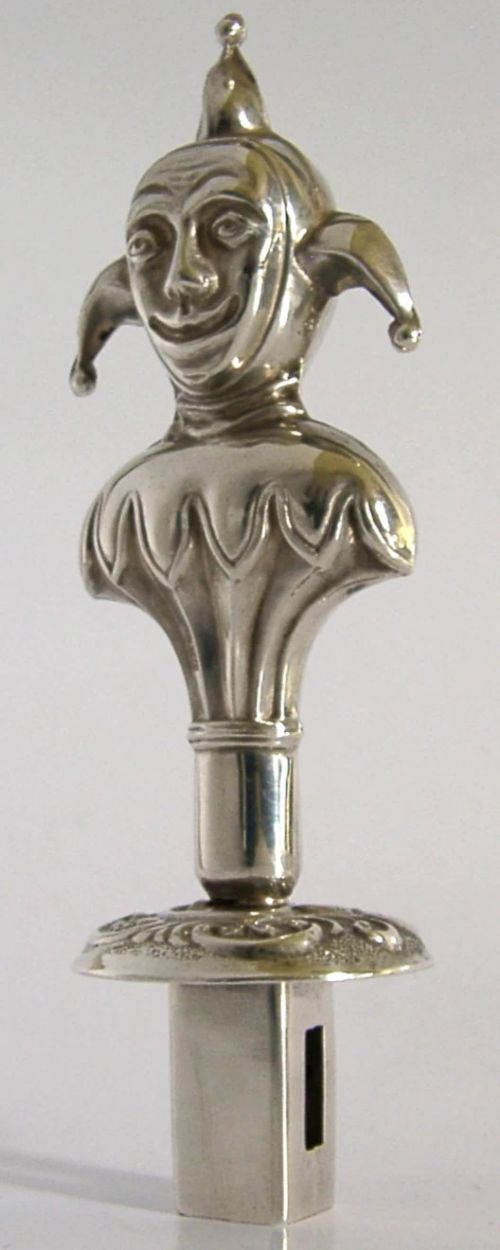
Novelty forms appear frequently, taking the shape of animals, jesters, wheelbarrows, and boots alongside traditional desk accessories. These functional objects combine solid silver mounts with materials like leather, glass, and wood.
Pieces originate from periods spanning the late nineteenth century through the mid-twentieth century, with George V and Edwardian examples appearing regularly.
How they were made
Silversmiths constructed these items using sterling silver, frequently pairing the metal with contrasting elements such as amber glass, leather, horsehair, and wood. Desk accessories often incorporate natural bristles or cotton within functional components like pen wipes and cotton reel holders.
Techniques range from cast novelty figures to pierced and engraved page turners, stamp cases, and rulers. Hallmarks stamped into the metal indicate the assay office, date letter, and standard of silver.
Listings feature sterling silver combined with horsehair, leather, wood, cotton, glass, amber glass, and natural bristle.
What varies in quality
Quality rests in the crispness of the chasing, the articulation of mechanical parts such as desk bells, and the preservation of secondary materials like horsehair, amber glass, and leather. Maker attribution elevates a piece, particularly works originating from established firms.
The weight of the solid silver and the complexity of novelty designs distinguish standard accessories from superior examples. Preservation of original fitted elements and clear hallmarks further separate ordinary items from finer specimens.
Crisford & Norris·Sampson Mordan & Co·Asprey
The Sterling Silver Desk Item Glossary
- Pounce pot
- A small shaker container used to sprinkle gum sandarac powder over rough parchment or paper to prepare the surface for ink. This prevented ink from feathering across the page.
- Page turner
- A long implement fashioned from silver, ivory, or wood with a flat blade designed for slicing open uncut paper pages in books. Some examples double as rulers or incorporate bookmarks.
- Wax sealing wax holder
- A specialised receptacle or clamp used to store and heat wax for sealing correspondence with a personal signet. These items frequently feature figural or novelty designs.
- Pen wipe
- A desk accessory containing horsehair, cotton, or fabric pads used by writers to clean surplus ink from quill pens and early steel nibs. Novelty Victorian versions often take animal or figural forms.
- Assay office
- A statutory body responsible for testing the purity of precious metals and stamping them with official hallmarks. Marks identify the specific town office where the silver was tested.
Sterling Silver Desk Item: Frequently Asked Questions
How do I identify a novelty desk item?
Novelty desk items take unexpected sculptural forms, such as animals, wheelbarrows, boots, or jesters, while serving a practical purpose like holding stamps or wiping pens. Makers combined humorous shapes with functional silver mounts.
These pieces often date from the Edwardian era and Victorian period, prized for their whimsical designs alongside standard desk accessories.
What materials are found besides silver?
Makers frequently combined sterling silver with amber glass, leather, wood, horsehair, and cotton. Rulers and inkwells often incorporate glass bodies with silver mounts, while pen wipes utilise natural bristles.
These mixed-media pieces reflect the diverse manufacturing techniques of the late nineteenth and early twentieth centuries.
How can I date an Edwardian desk item?
Dating relies primarily on the hallmarks stamped into the sterling silver, which indicate the specific assay office and year of manufacture. Stylistic markers from the Edwardian period also provide chronological context.
Items from this era often feature refined George V or Edwardian aesthetics, aligning with the reigns of the early twentieth century.