



Sterling Silver Fox
When you search for a sterling silver fox, you find figures, mustard pots, letter openers and table lighters spanning Georgian to mid-century periods.
Sterling Silver Fox
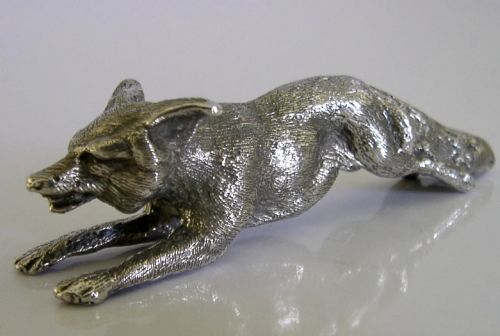
A sterling silver fox covers a range of decorative and functional table objects, novelty items and figures shaped around the animal. These pieces appear in forms such as menu holders, letter openers, table lighters, mustard pots and standing figurines.
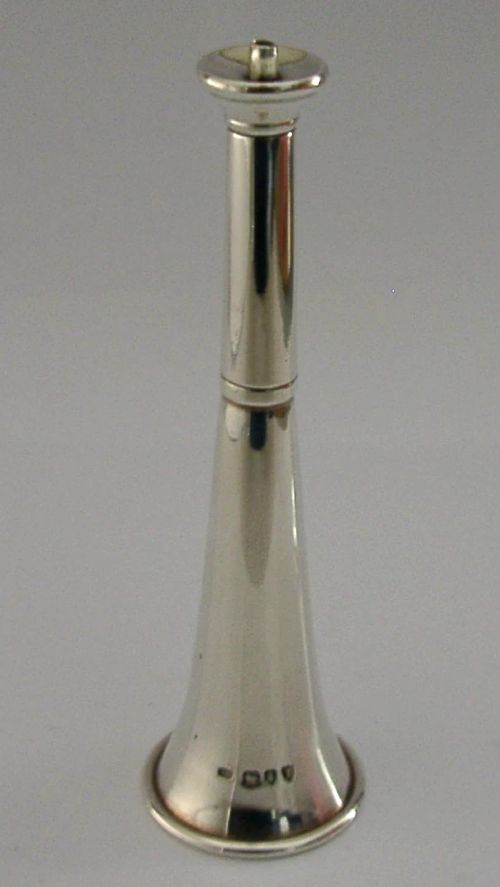
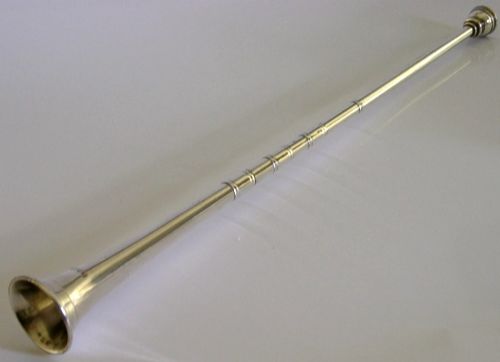
The items span multiple periods from the Georgian era through the Victorian and Edwardian years into the twentieth century. Table lighters modeled as hunting horns and detailed figurines mounted on plinths frequently appear in the listings.
How they were made
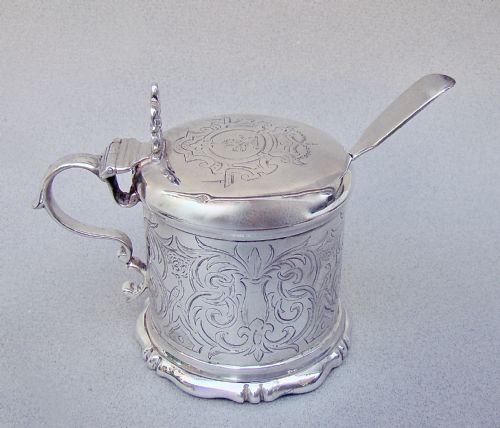
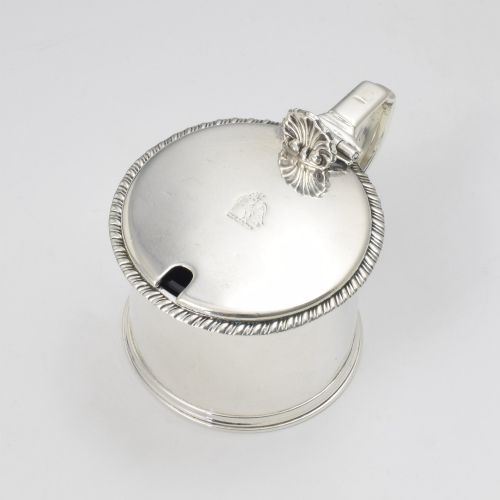
Silversmiths utilised solid sterling silver, silver gilt and occasionally incorporated glass liners, natural horn, velvet or ebony plinths into the construction. Items like mustard pots and bowls utilised ruby glass or blue glass liners fitted inside pierced or solid silver bodies.
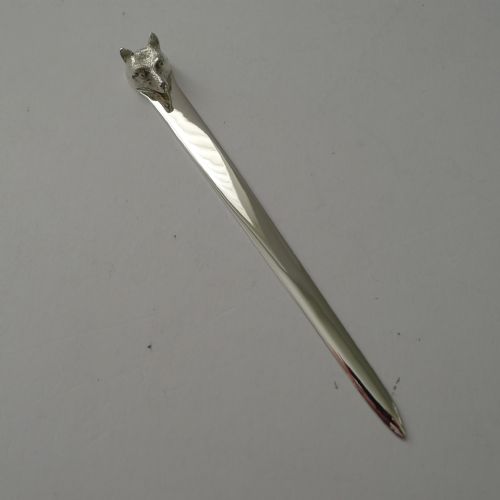
Makers applied casting, chasing, engraving and hallmarking techniques to shape running foxes, hunting horns, card cases and spoons. Specific items feature detailed mounts, enamel work or Essex crystals set into cigar boxes and letter openers.
Silversmiths turned foxes into everything from functional corkscrews and toothpick holders to fierce little menu card guards.
What varies in quality
Quality rests upon the crispness of the chasing and modeling, distinguishing a plain casting from a finely detailed running fox figure or head. Maker attributions to notable silversmiths like Sampson Mordan or members of the Fox family elevate the standing of a piece.
The retention of original components, such as glass liners in mustard pots or matching cases for letter openers and corkscrews, alters the integrity of the object. Weight, heavier gauge silver and clear hallmarks struck by regional assay offices like Chester or London mark superior production.
Charles and George Fox·Charles Fox II·Charles Thomas Fox·Sampson Mordan·Asprey·George Fox·John Fox
The Sterling Silver Fox Glossary
- Hallmark
- Official marks stamped on precious metals indicating the standard of purity, the assay office, and the date letter. These stamps help verify the origin and period of manufacture.
- Silver gilt
- Sterling silver that has been coated with a thin layer of gold on the interior or exterior surface. This technique provided a rich finish and protected the silver from certain foods.
- Cruet set
- A matched collection of small bottles, jars or pots designed to hold condiments like mustard, salt and pepper for the dining table. They frequently sit on a dedicated silver stand.
- Table lighter
- A functional desktop or dining table accessory designed to ignite cigars or cigarettes, often cast in novelty shapes such as hunting horns with mounted foxes.
Sterling Silver Fox: Frequently Asked Questions
What items are shaped like a fox?
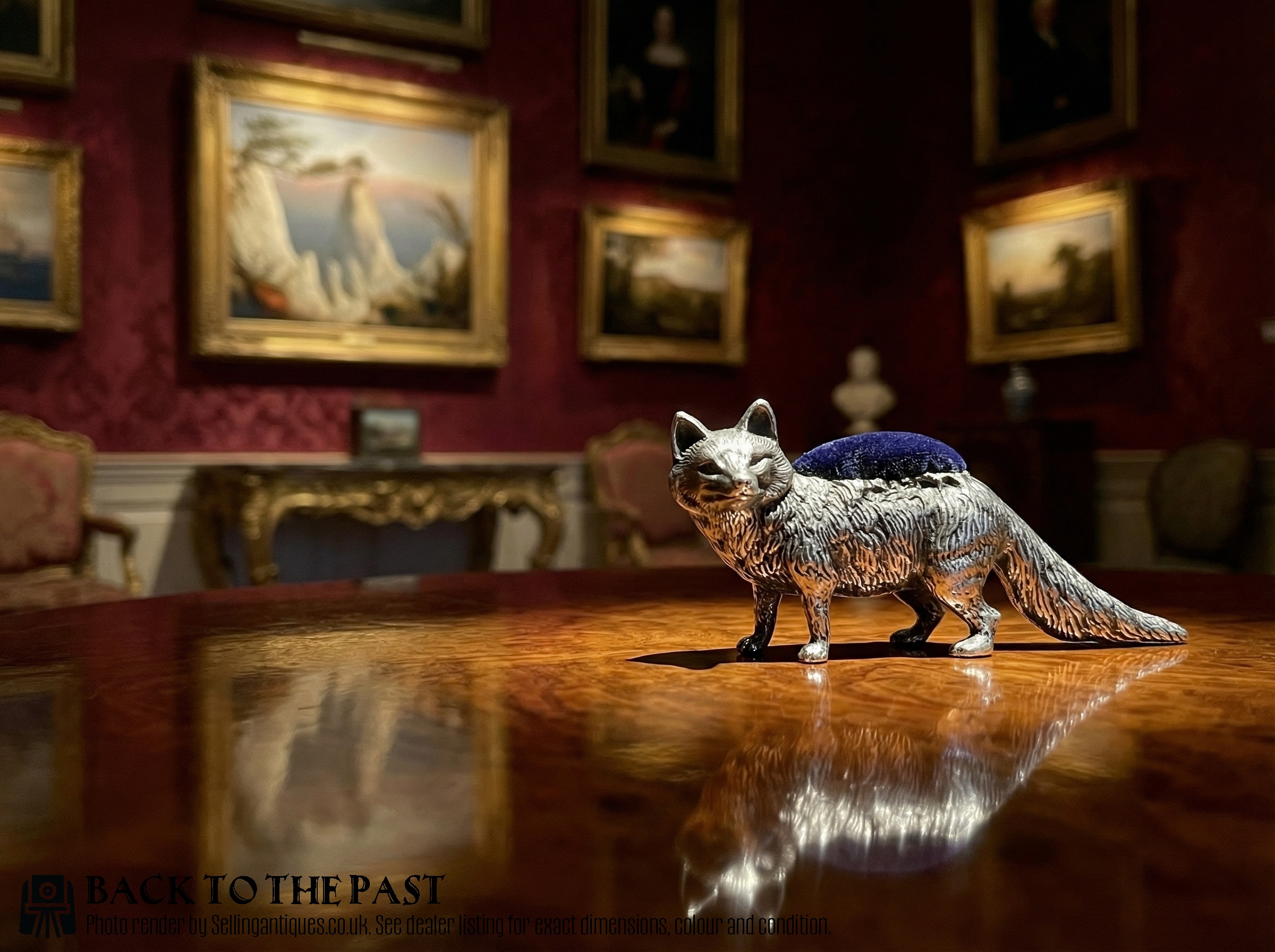
Objects shaped around a fox include standing figures, mustard pots, pepperettes, napkin rings, match box holders, pin cushions and corkscrews. Makers also incorporated fox heads into letter openers, menu holders and cigar boxes.
Items like table lighters and salt pots frequently combine the animal motif with hunting horns. These diverse forms served both decorative and practical domestic functions across multiple eras.
How do I identify the date?
Dating relies upon the assay office hallmarks stamped directly onto the sterling silver body. These marks include specific date letters corresponding to the year the piece was hallmarked.
Periods represented in the evidence range from the sixteenth century through Georgian, Victorian, Edwardian and interwar decades. Comparing the stamped leopard head, lion passant and date letter against official tables confirms the exact year of production.
Were these objects used daily?
Many pieces served active roles in nineteenth and twentieth-century households, functioning as mustard pots, cruet sets, table lighters, card cases and letter openers. Wealthy dining rooms and studies utilised these silver items for formal meals and correspondence.
Other items, such as novelty menu holders, figurines and pin cushions, were designed primarily for display or specialised domestic tasks. Their survival reflects both regular utility and careful preservation by collectors.
What materials accompany the silver?
While sterling silver forms the primary body of these pieces, makers occasionally combined it with cut glass, ruby glass, blue glass, natural horn and tortoiseshell. Items like sugar baskets and mustard pots utilised coloured glass liners to hold contents safely.
Other pieces feature wooden or ebony plinths for display bases, velvet linings inside boxes, or enamel details on card cases and menu holders. These mixed materials added functional contrast and decorative colour to the silverwork.