


Sterling Silver Clasp
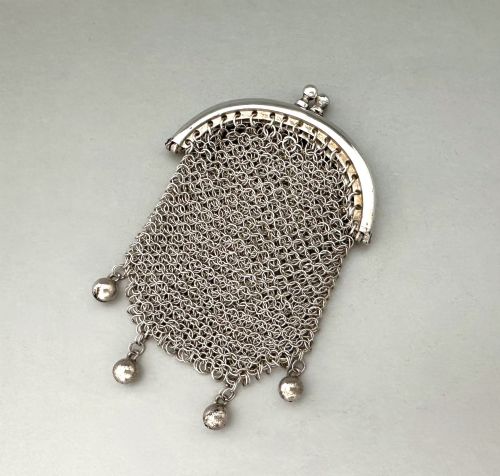
These sterling silver clasp items comprise buckles, chains, and purses spanning the Georgian period to the mid twentieth century.
Sterling Silver Clasp
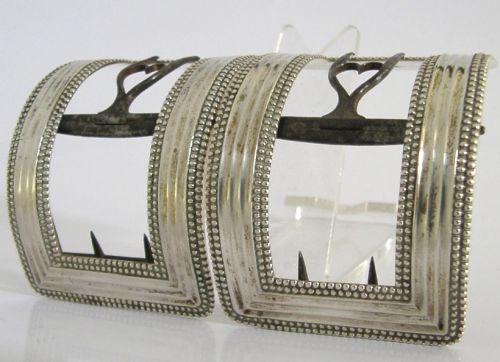
A sterling silver clasp secures items ranging from Georgian shoe buckles to Edwardian belt fittings and pearl necklace fastenings. Buyers seeking this phrase encounter a mix of functional hardware and ornamental accessories forged from solid silver.
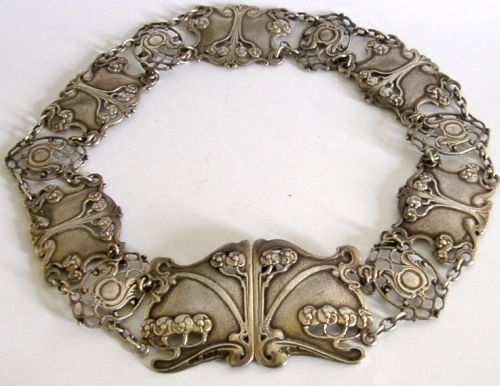
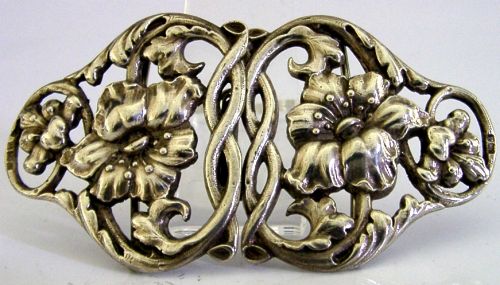
Belt buckles and pocket watch chains dominate the offerings, often decorated with enamel or cast in flowing Art Nouveau designs. Smaller components like necklace clasps and purse catches also appear across the inventory.
Materials and construction
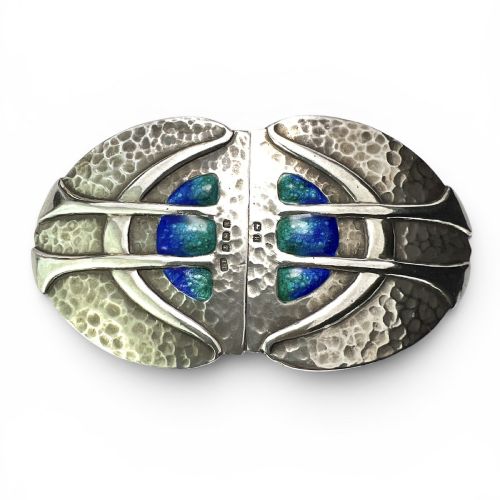
Silversmiths utilised solid silver, casting and hammering the metal to shape heavy belt buckles and delicate chain links. Enamel work frequently adds colour to Edwardian pieces, contrasting with the bright polished surface.
Components incorporate secondary materials such as velvet, leatherette, and cultured pearls on necklaces and cased sets. Engraving and casting define the decorative surface work across different periods.
An Irish football fob hangs proudly from one Edwardian pocket watch chain, ready for extra time.
Distinctions in quality
The standard of a sterling silver clasp depends on the crispness of the cast ornament and the integrity of any enamel work. Heavier gauge silver and clear hallmarks indicate superior manufacture by established makers.
Condition of the mechanism matters greatly, as hinges and spring tongues must operate securely. Pieces retaining original fitted boxes or untouched patination command greater interest from collectors.
James Fenton·Liberty's·Henry Matthews
The Sterling Silver Clasp Glossary
- Hallmark
- An official stamp applied to precious metals indicating purity, origin, and assay office. These marks help date the piece accurately.
- Art Nouveau
- A design style characterised by organic, fluid lines and botanical motifs. It appears frequently on Edwardian buckles.
- Solid Silver
- Metal composed of standard sterling purity throughout rather than plated over a base metal core. This ensures durability in clasps and chains.
- Fob
- A small ornament or medal attached to a pocket watch chain. Examples include Irish football and Queen Victoria mementos.
Sterling Silver Clasp: Frequently Asked Questions
What periods do these pieces date from?
The selection spans from the mid eighteenth century through the Victorian and Edwardian eras up to the mid twentieth century. Georgian and Victorian examples sit alongside later Art Nouveau and modernist designs.
Most items cluster around the late nineteenth and early twentieth centuries when cast silver belt buckles and watch chains were widely worn.
How were silver belt buckles worn?
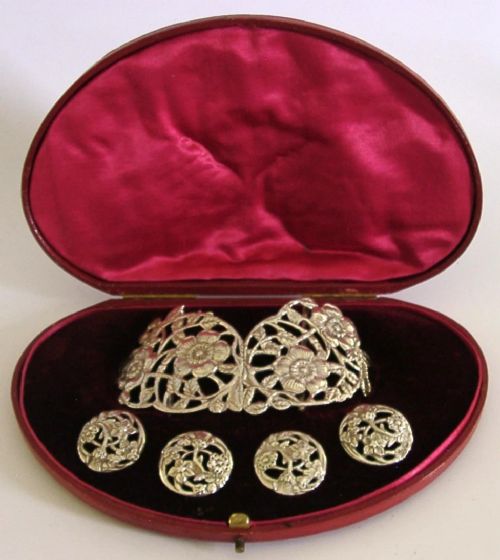
Victorian and Edwardian belt buckles fastened around cloth or leather belts as prominent decorative accessories. They were often sold as sets with matching buttons.
Nurse buckles formed a distinct category worn on uniform belts by hospital staff during the early decades of the twentieth century.
Are the necklace clasps sold alone?
Necklace fastenings typically arrive attached to pearl strands, bead necklaces, or collar link chains. They function both as secure closures and decorative focal points.
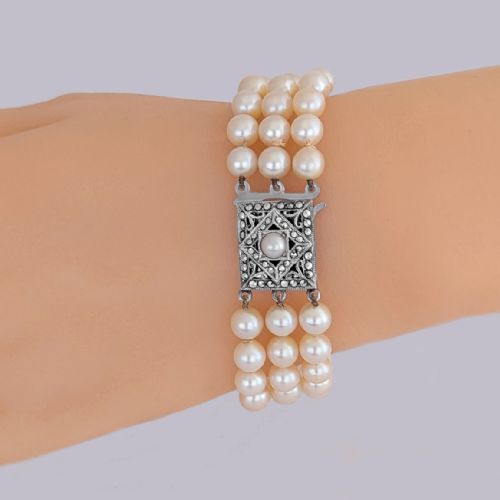
Pieces range from simple box links to intricate marcasite set clasps on cultured pearl bracelets.
How do I identify a maker?
Maker marks and sponsor stamps are usually struck directly onto the silver surface near the assay office marks. Researching these punch marks reveals the silversmith workshop and city of origin.
Renowned makers like Liberty's and James Fenton stamped their initials or full names onto their metalwork.