
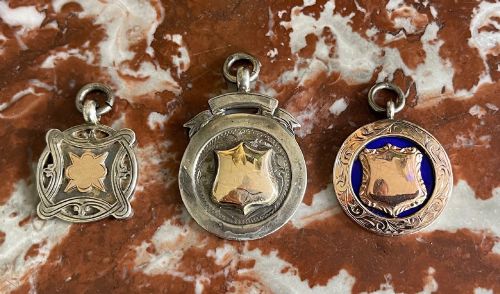
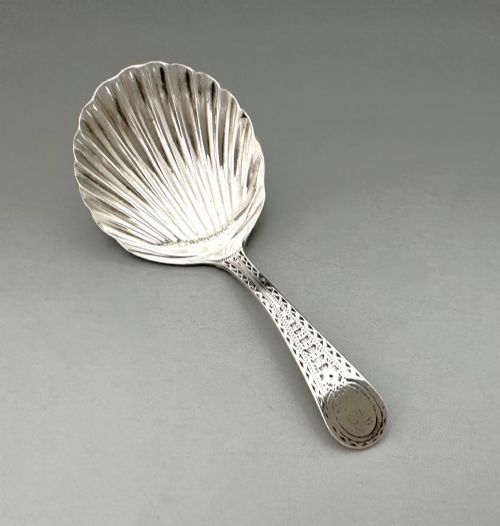
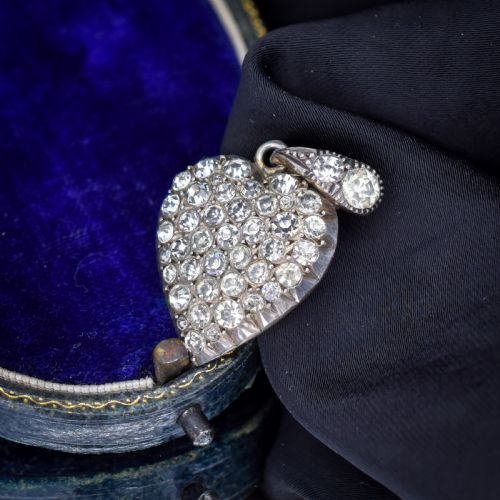
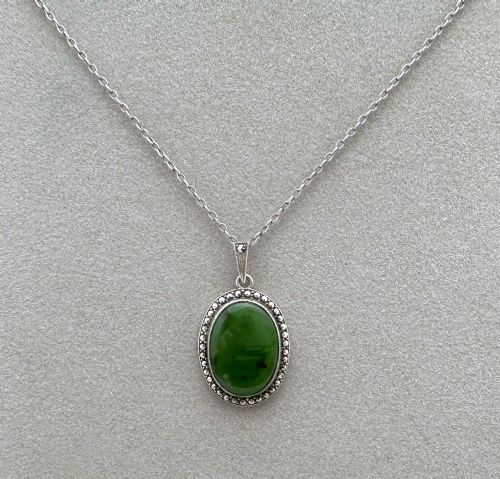
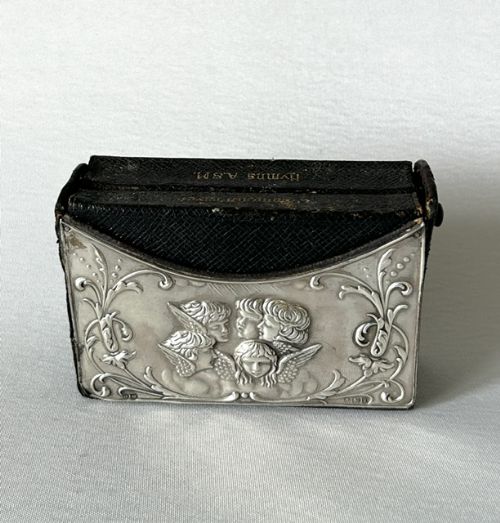
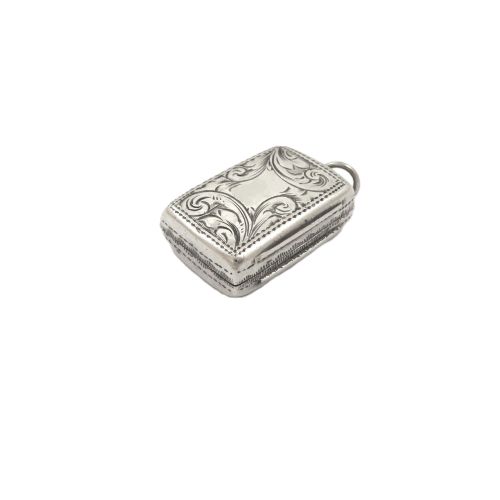
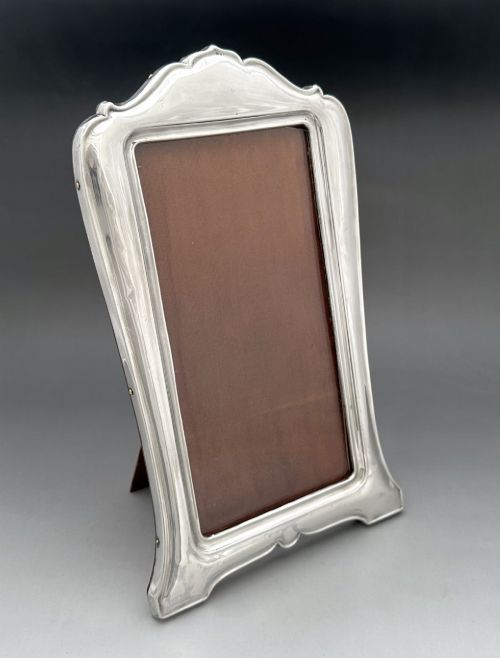
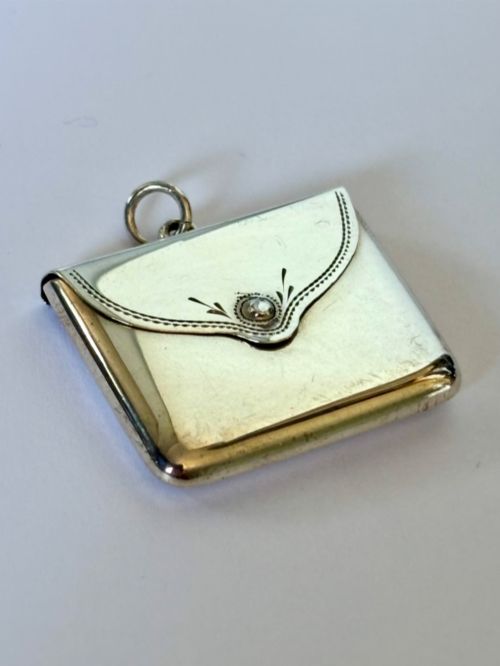
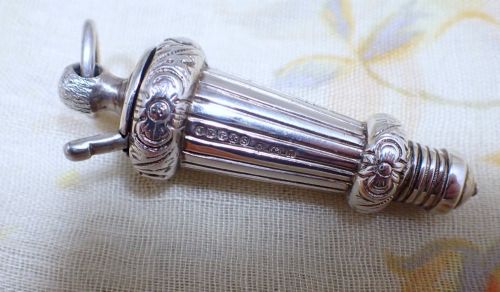
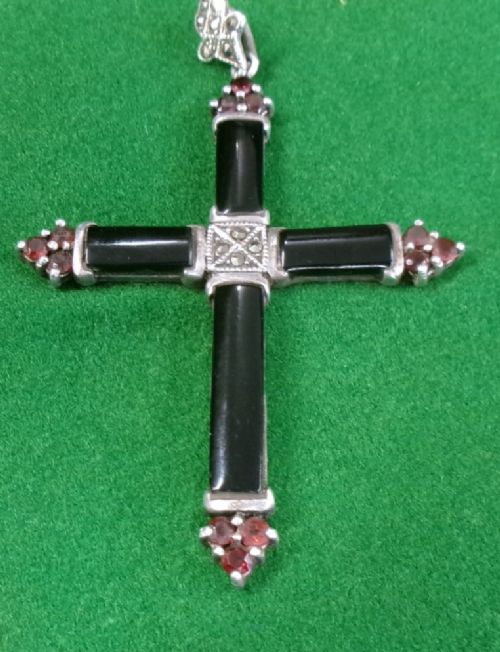
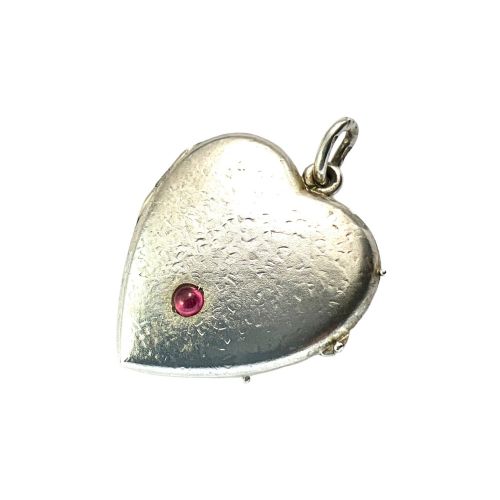
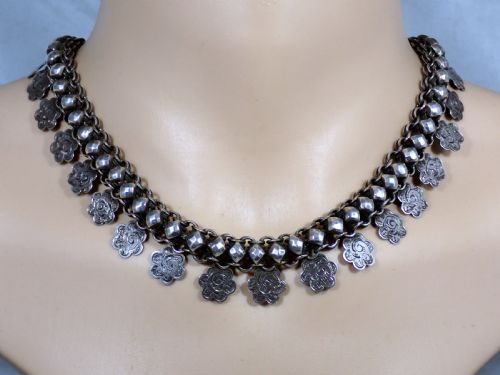
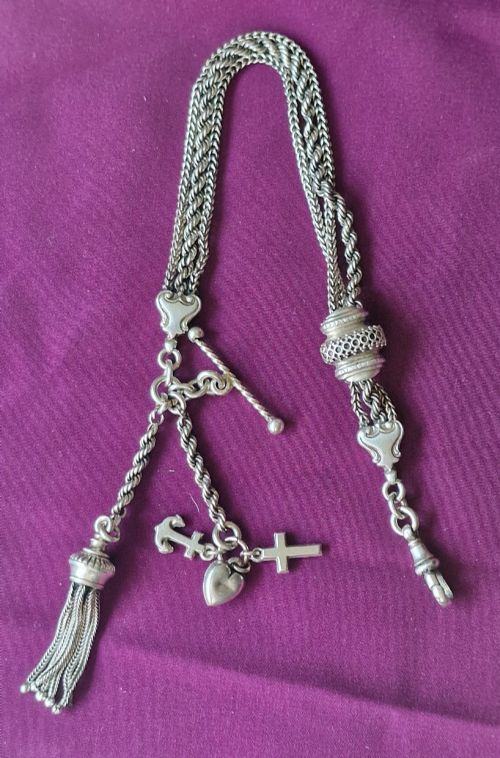
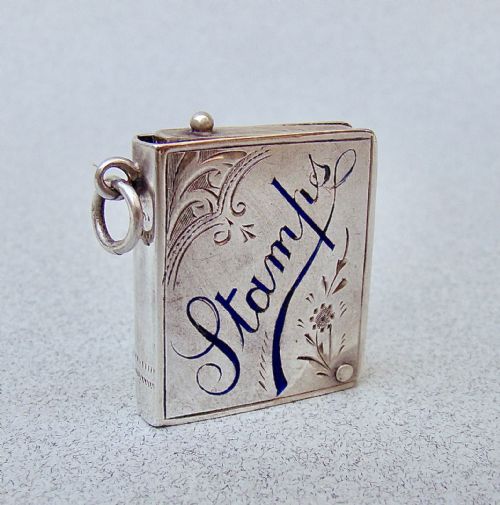
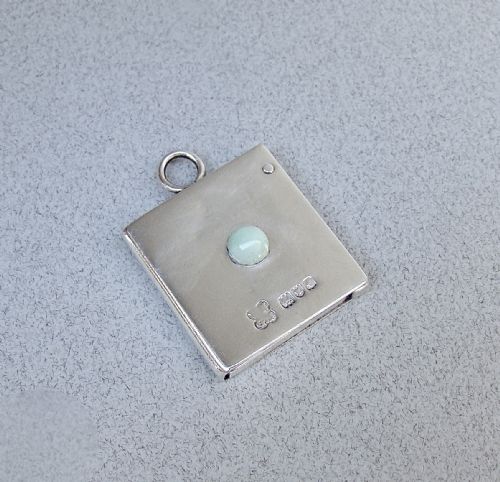
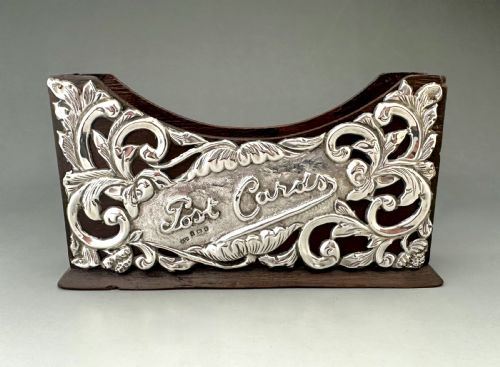
Sterling Silver Charm
These sterling silver charm examples capture miniature stories in precious metal, offering a tactile piece of history to collect and wear.
Understanding sterling silver charm pieces
A sterling silver charm is a small decorative trinket designed to dangle from a bracelet or pendant chain. The selections range from novelty subjects like telephone boxes and storks to Scottish thistles and opening paper money compartments.
The objects span from the Victorian period through to 1960, encompassing styles such as Victorian, Scottish Revival, and Mid-Century British. Alongside traditional charms, related jewellery forms include lockets and pendants.
Earlier archive pieces under this heading show that smaller domestic and novelty silver items like pill boxes and toast racks often shared the same whimsical design vocabulary. Buyers encounter everything from opening currency charms to figural whistles.
Materials and construction methods
Construction relies upon sterling silver, frequently paired with glass, paper, and enamel details such as amber glass inserts. Techniques involve piercing, casting, and hand assembly to create miniature working parts like opening note compartments or moving whistles.
Hallmarks and assay details establish the metal standard and origin, while secondary materials contribute colour and texture to specific designs.
The listings span from the Victorian era to 1960, incorporating materials such as enamel, paper, glass, and sterling silver.
Distinguishing quality in silver charms
Quality rests in the crispness of the casting and the ingenuity of mechanical elements, such as hinged components that open to reveal paper notes inside. Finer examples display sharp detailing on figural subjects like storks, telephone boxes, and thistle heads.
The integrity of applied materials like enamel or glass alongside clear hallmarks elevates an individual piece above mass production.
William Comyns
The Sterling Silver Charm Glossary
- Sterling silver
- An alloy consisting of ninety-two point five percent silver and seven point five percent other metals, typically copper. This standard ensures durability while maintaining a bright metallic lustre.
- Hallmark
- An official stamp applied by an assay office to indicate metal purity, the maker, and the year of production. Birmingham and Chester offices appear frequently in these records.
- Novelty charm
- A miniature figural trinket shaped like an everyday object or animal. These pieces often incorporate humorous or realistic mechanical functions.
- Scottish Revival
- A Victorian design movement inspired by traditional Scottish motifs such as thistles, agates, and weaponry. It gained popularity following royal patronage in the highlands.
Frequently Asked Questions
How do I date a sterling silver charm?
Dating relies primarily on official hallmarks stamped directly onto the silver surface, which indicate the specific assay office and year letter.
Stylistic cues such as Victorian revival motifs or mid-century subjects also help narrow down the period of manufacture when hallmarks are absent or rubbed.
What materials are found alongside the silver?
Makers frequently incorporated coloured glass, paper, and enamel to add realistic detail or vibrant hues to miniature subjects.
Translucent enamel over engine-turned patterns appears on select pieces, while internal paper elements feature in opening currency designs.
How were these charms originally worn?
These pieces were typically suspended from link charm bracelets or worn around the neck on pendant chains alongside other miniature trinkets.
Many examples double as pendants or incorporate functional elements like working whistles and opening locket compartments.
What themes are common in these designs?
Common subjects include everyday novelty items like telephone boxes and storks, alongside regional floral designs such as the Scottish thistle.
Victorian and mid-century makers favoured narrative and figural subjects that told a small personal story in miniature.