




Novelty Silver Pendant
A novelty silver pendant brings wit and ingenuity to personal adornment, combining playful forms with functional objects.
Novelty Silver Pendant
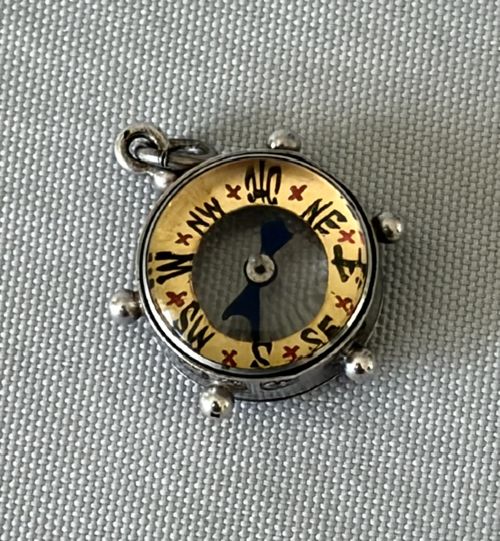
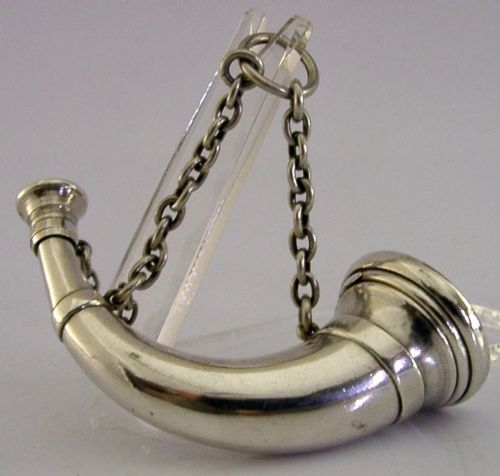
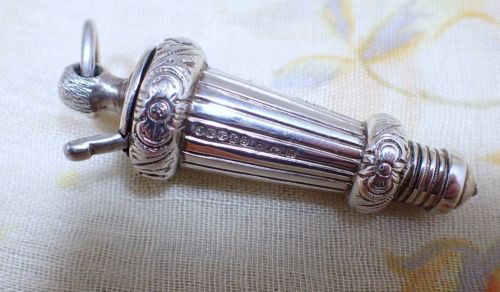
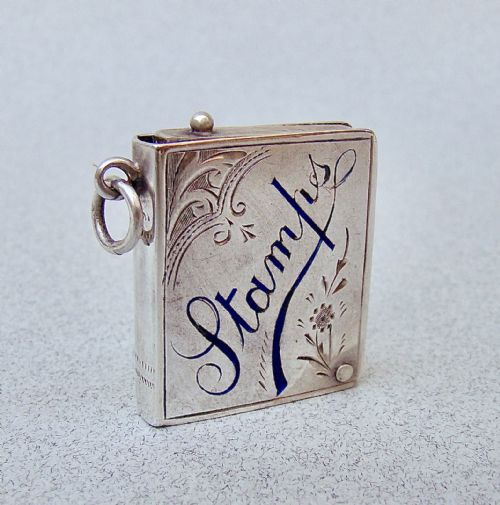
A novelty silver pendant captures miniature subjects in precious metal, spanning whistles, propelling pencils, and vinaigrettes designed to be worn. These pieces cross paths with charms, fobs, and brooches that double as pendants.
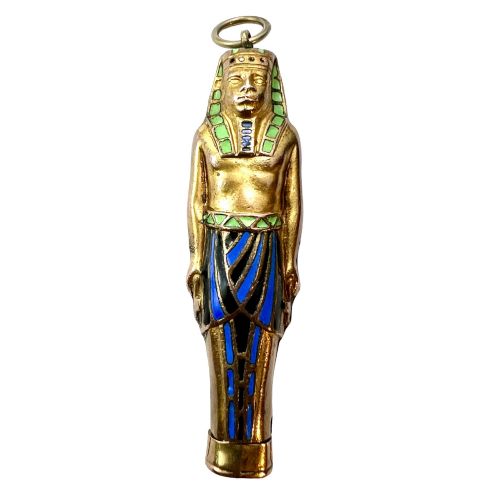
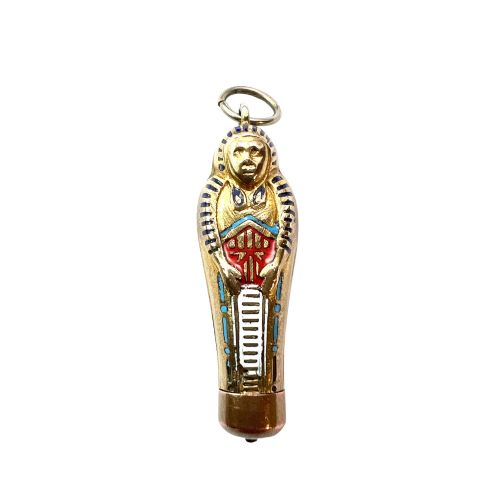
The selections encountered here range from Victorian animal forms and Scottish thistles to Egyptian revival sarcophagi and enamel darts boards. Such items often conceal a practical purpose, such as a whistle or a functioning pencil, within their whimsical exterior.
Materials and construction
Silversmiths utilised sterling silver and gilt metal as the primary media for these intricate miniatures, frequently incorporating enamel to add vibrant colour to subjects like pharaohs and target boards. Selected pieces also integrate gold alongside gemstones such as diamonds, emeralds, and rubies to highlight specific details.
Articulated joints, screw caps, and sliding mechanisms allow functional elements like propelling pencils and vinaigrettes to operate smoothly within a compact scale. Hand-engraved surface patterns and applied enamel work define the exterior textures of these small objects.
Novelty Silver Pendant Retail Price Guide 2026
Typical asking prices for novelty silver pendant among the pieces listed under this phrase on Sellingantiques today, from the lower quarter to the upper quarter. They describe what is for sale here now, not the wider market.
The listings span the Georgian, Victorian, and Edwardian eras, incorporating materials like sterling silver, enamel, gold, diamonds, and emeralds.
Distinguishing quality in miniature silver
Superior examples demonstrate precision in mechanical movement, such as an articulated fish or a smoothly operating propelling pencil, where every hinge and joint functions seamlessly. The crispness of hand-engraved detail and the preservation of applied enamel further separate standard items from finer works.
The involvement of known makers or retailers adds distinction, as does the integration of precious gemstones alongside quality silver casting. The complexity of the design and the cleverness of the miniature engineering drive the hierarchy among these pieces.
Sampson Mordan·Crisford & Norris·Hamilton & Co. Calcutta
The Novelty Silver Pendant Glossary
- Vinaigrette
- A small perforated container holding a sponge soaked in aromatic vinegar, used for reviving someone or masking unpleasant odours. These hinged boxes often took unusual shapes like hunting horns or articulated fish.
- Propelling pencil
- A mechanical writing instrument that advances a lead core via a twist or slide mechanism. In novelty pieces, these were miniaturised to hang from a chain or chatelaine.
- Sarcophagus
- An ancient stone coffin form adapted during the Egyptian Revival period to house miniature propelling pencils or compartments. The sides and lid are typically decorated with colourful enamel.
- Watch fob
- A short strap or chain attached to a pocket watch, occasionally repurposed or made as a decorative pendant. They frequently took thematic shapes such as darts boards.
- Sterling silver
- An alloy consisting of silver and other metals, usually copper, to increase durability while maintaining a bright lustre. Most British pieces carry hallmarks confirming this standard.
Novelty Silver Pendant: Frequently Asked Questions
How were these pendants used historically?
Victorians and Edwardians wore them as daily accessories that doubled as whistles, scent containers, or tiny pencils.
They served as conversation pieces and practical tools combined into a single wearable item.
How do I identify the period of a silver pendant?
Stylistic clues such as Egyptian revival motifs or Scottish thistle designs point toward specific Victorian and Edwardian trends.
Assay office marks and maker stamps provide precise chronological indicators where present.
Can I still use a vintage propelling pencil pendant?
Many mechanical pencils and whistles remain operable if their internal mechanisms are clean and undamaged.
Gentle handling is recommended to preserve the delicate joints and moving parts of antique items.