
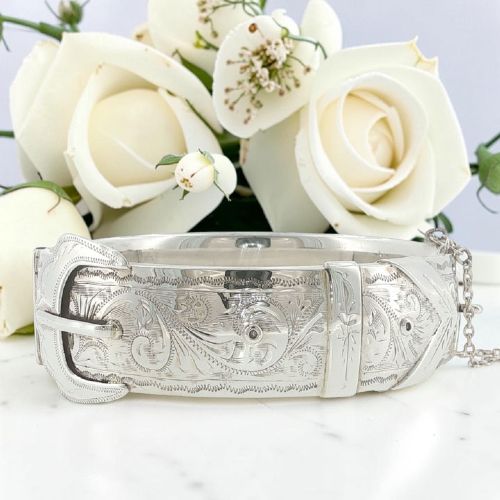
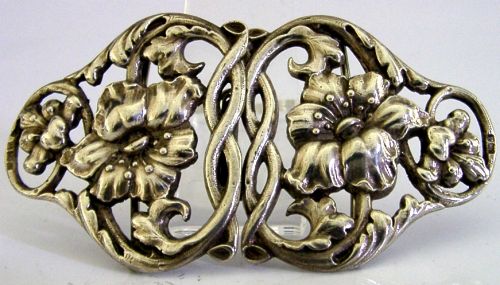


Sterling Silver Buckle
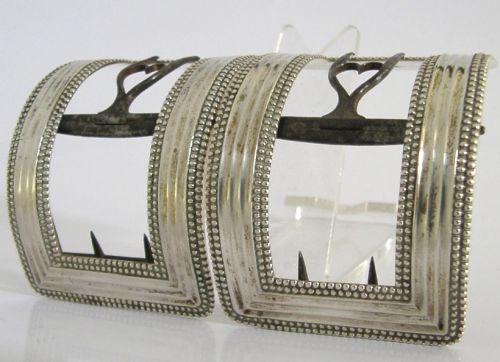
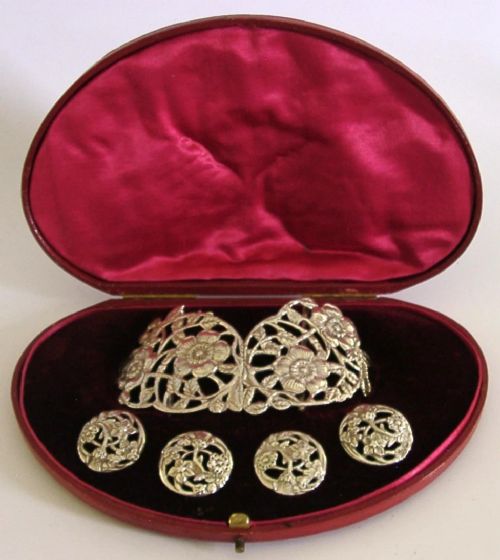
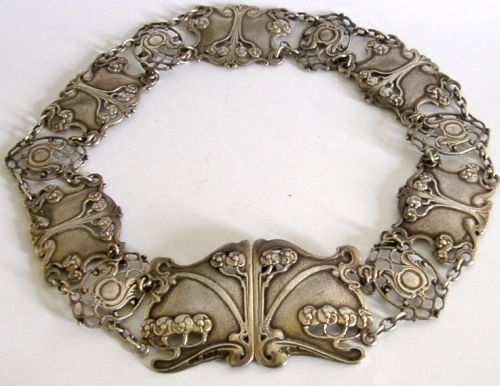
These sterling silver buckle pieces are solid silver dress accessories offering period charm and function for a collector.
What they are
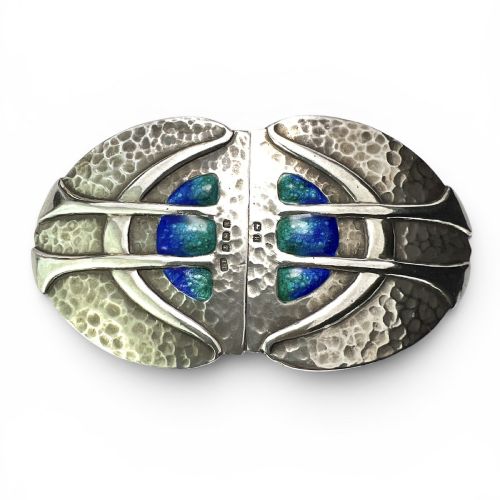
A sterling silver buckle is a historic dress accessory designed to fasten belts or adorn garments. The pieces seen here span the Victorian, Edwardian, Art Nouveau, and later twentieth-century periods.
The most common form on this page is the nurses belt buckle, often associated with hospital uniform traditions from the late nineteenth and mid twentieth centuries. Other variations include heart shapes, pierced scrolls, and functional belt attachments.
Origins range across English manufacture, with specific regional hallmarks appearing alongside American and European examples. Collectors encounter both standalone dress buckles and repurposed forms such as napkin rings.
How they were made
Makers utilised sterling silver and solid silver, sometimes applying silver gilt or incorporating glass enamel details. Traditional manufacturing methods involved casting the metal into detailed pictorial or geometric forms.
Piercing and engraving techniques added decorative scrollwork and figural scenes such as stag hunting, cherubs, and the goddess Diana. Cast construction provided the heavy weight and rigidity required for functional belt wear.
Retail Price Guide 2026
Typical UK retail prices for sterling silver buckle, calculated from the Sellingantiques database of over a million retail prices indexed since 2003. This retail price guide relies exclusively on Sellingantiques data; no external sources or auction records are used, so the figures do not describe the wider market.
Materials recorded across the archive include solid sterling silver, silver gilt, and glass enamel.
What varies in quality
Quality rests upon the crispness of the cast decoration and the depth of the pierced scrollwork. Pieces featuring complex figural scenes or hand-applied glass enamel demonstrate greater skill than plain designs.
The weight of the solid silver and the clarity of the English or foreign hallmarks dictate the standing of an individual piece. Makers who achieved high relief depth and clean borders elevate the item above standard mass production.
The Sterling Silver Buckle Glossary
- Sterling silver
- A silver alloy containing 92.5 percent pure silver and 7.5 percent other metals, usually copper, ensuring durability for wearable items.
- Hallmark
- An official stamp struck into precious metals indicating the purity standard, the assay office, and the year of manufacture.
- Piercing
- A technique where metal is cut through to create openwork patterns such as scrolls and foliage.
- Silver gilt
- Sterling silver that has been coated with a thin layer of gold on the surface.
- Glass enamel
- A coloured glassy substance fused to the silver surface through firing for decorative effect.
Frequently Asked Questions
How do I wear a antique buckle?
Historic belt buckles require a compatible fabric belt slide or ribbon to secure them properly around the waist.
Many collectors prefer to display these pieces in cases or mount them on custom velvet bands for modern wear.
What is a nurses buckle?
A nurses buckle is a distinctive two-piece belt fastening traditionally worn by nursing staff on their uniform belts.
These often feature pictorial themes like stags, nurses, or cherubs and heavy cast sterling silver construction.
How do I date my silver buckle?
Dating relies on reading the assay office marks, date letters, and monarch profiles stamped into the sterling silver.
Stylistic clues such as Art Nouveau curves or Edwardian pierced scrolls also help narrow down the production decade.
Are these buckles solid silver?
The pieces listed utilise sterling silver, solid silver, and silver gilt rather than plated base metals.
Hallmarks on the reverse typically confirm the purity standard and guarantee the solid metallic content throughout.