

Sterling Barware
Sterling barware brings together precious metal and utility, offering functional drinking vessels and serving pieces made from sterling silver, glass, and crystal.
Sterling Barware
Sterling barware comprises items designed for serving and consuming spirits, wine, and cocktails. The selection spans periods from the eighteenth century through the Georgian, Victorian, and Edwardian eras into Art Deco and mid-century designs.
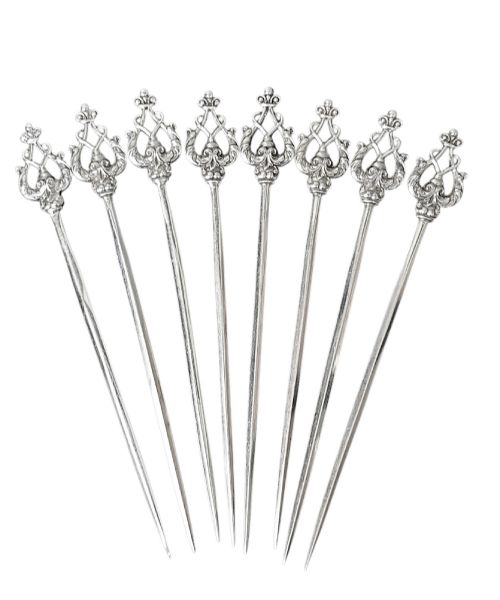
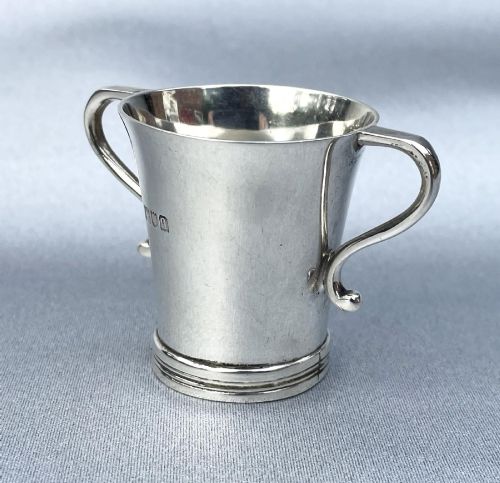
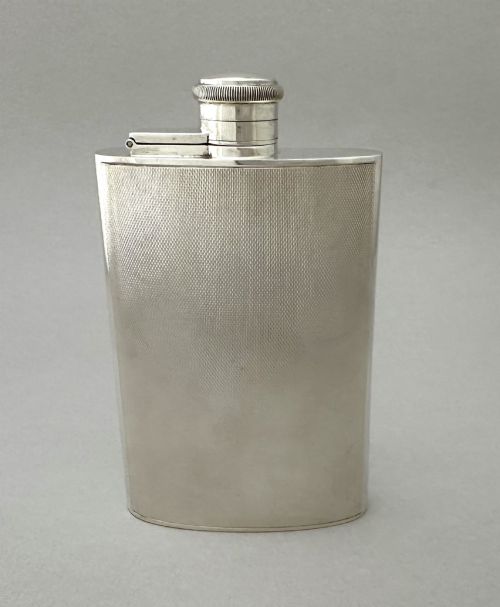
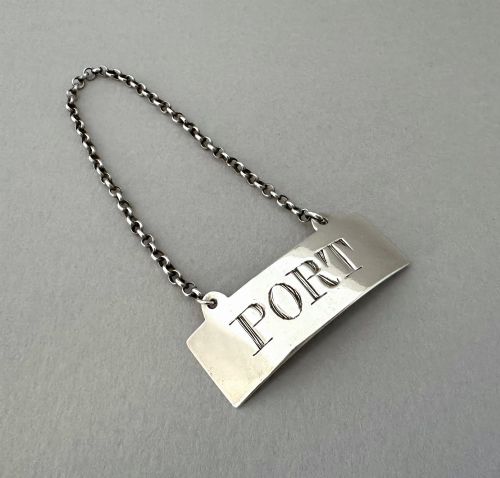
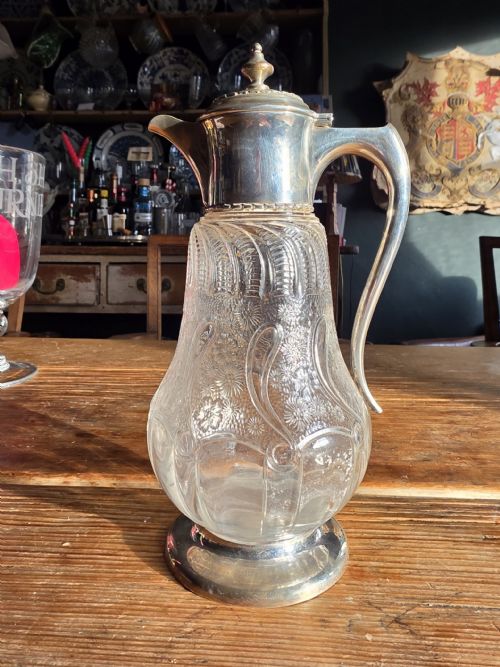
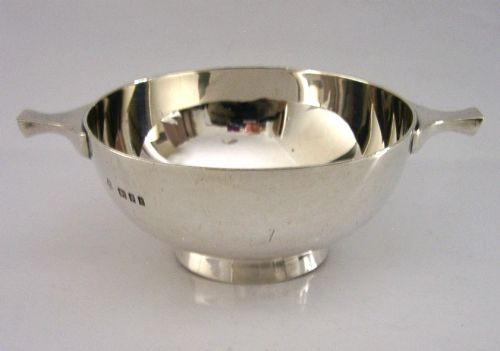
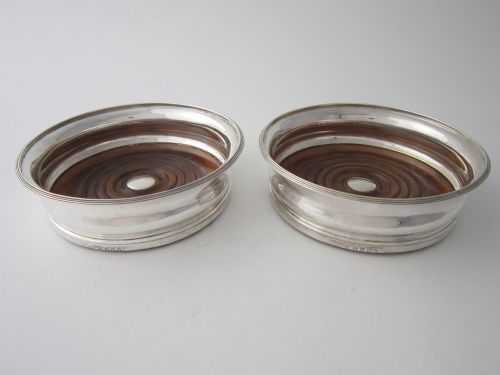
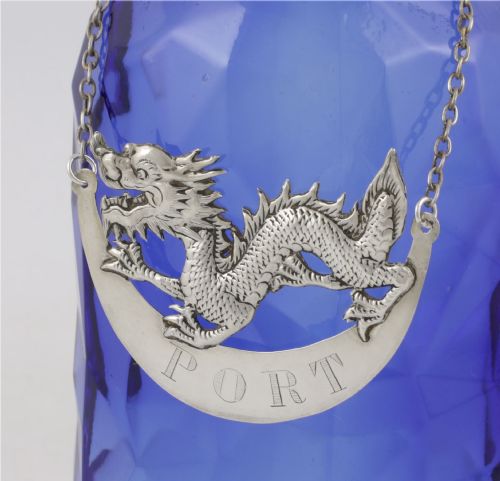
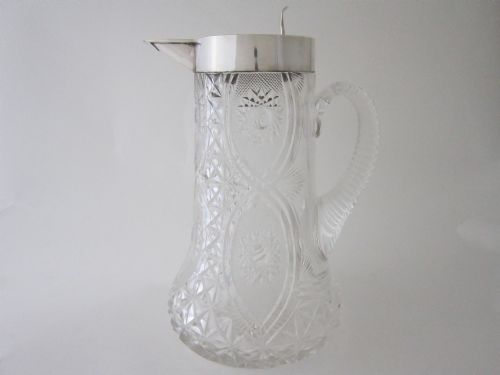
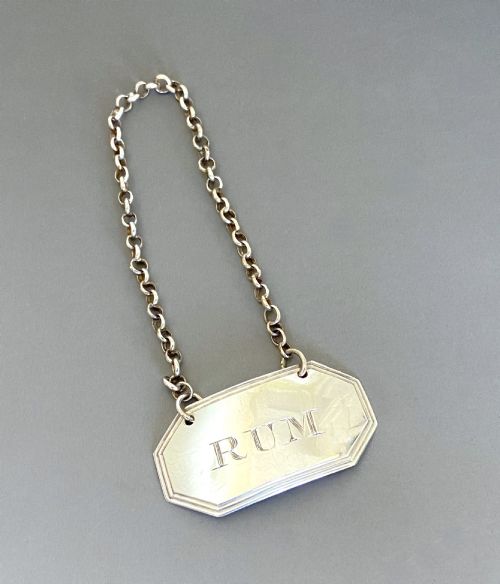
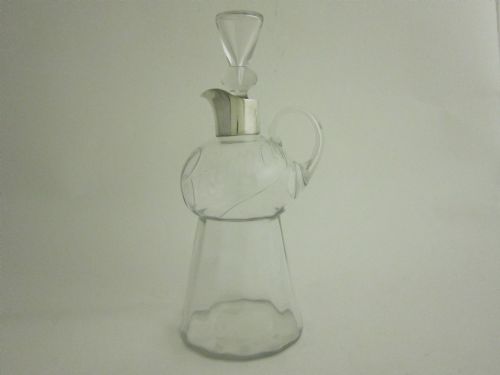
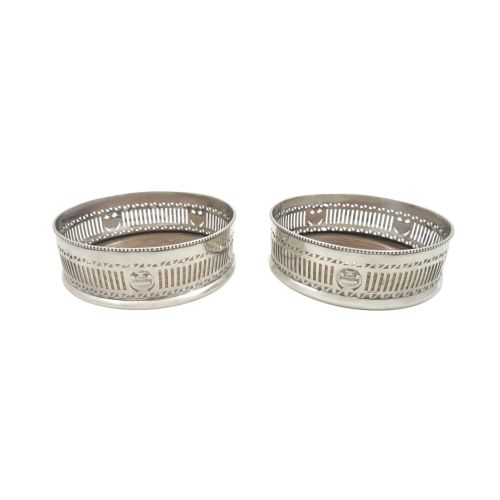
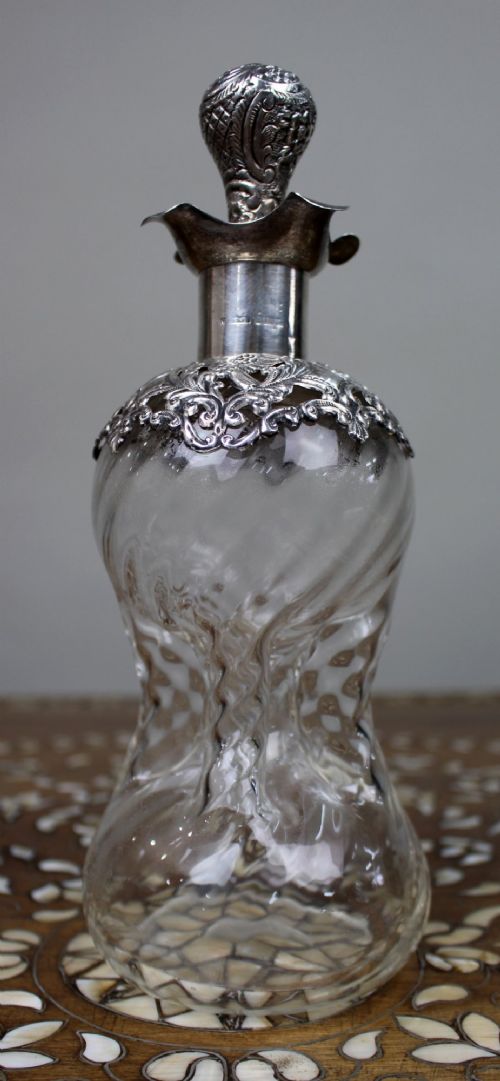
Objects include decanter labels, hip flasks, wine coasters, spirit noggins, cocktail sticks, quaich cups, and wine funnels. Decanters and jugs combine sterling silver mounts with cut glass or crystal bodies.
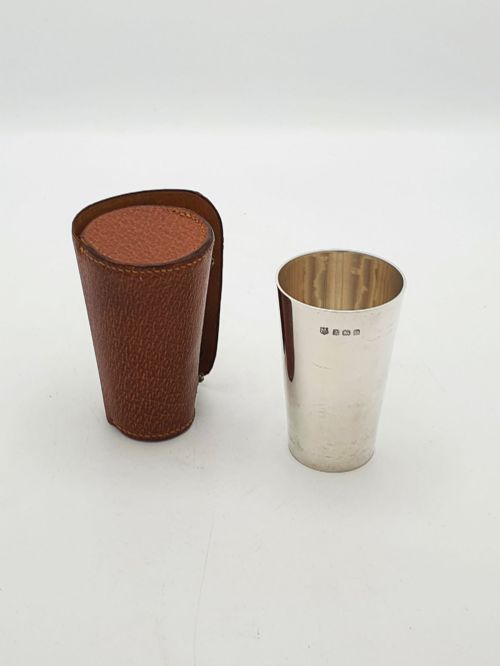
Pieces range from utilitarian travel beakers with leather carry cases to decorative novelty items like thimble-shaped tumblers and grape shears.
How they were made
Makers combined sterling silver with clear glass, cut glass, cut crystal, wood, enamel, and crocodile leather. Silver components were cast, hammered, or engraved, while glass and crystal vessels were blown and wheel-cut.
Specialised items integrate fitted components such as removable cups on hip flasks, hinged lids on tankards, and enamel detailing on cocktail sticks. Mounts were securely attached to glass decanters and noggins using traditional silversmithing techniques.
Sterling Barware Retail Price Guide 2026
Typical asking prices for sterling barware among the pieces listed under this phrase on Sellingantiques today, from the lower quarter to the upper quarter. They describe what is for sale here now, not the wider market.
A Victorian novelty silver tumbler shaped like a giant sewing thimble reminds drinkers to take just a thimbleful.
What varies in quality
Quality depends on the weight and gauge of the sterling silver, the crispness of hallmarks, and the precision of hand-engraving or chasing. Heavier metal gauge provides durability and substance in the hand.
The clarity and depth of cut in glass or crystal bodies distinguish finer vessels, alongside the integrity of fitted leather cases and enamel work.
William Comyns·Elizabeth Morley·Richard Comyns·Solomon Hougham·Asprey London
The Sterling Barware Glossary
- Decanter label
- A small silver tag hung by a chain around the neck of a decanter to identify the contents, such as port, claret, or rum.
- Quaich
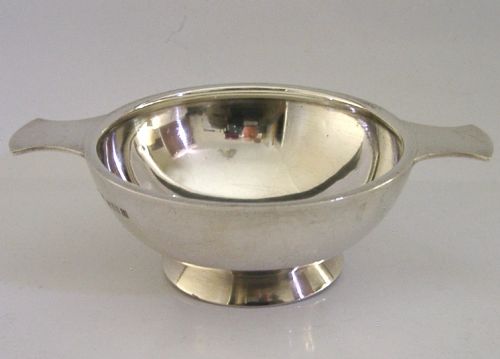
- A traditional Scottish two-handled drinking vessel, often fashioned in solid sterling silver for serving whisky.
- Noggin
- A small vessel or mug used for serving a measured portion of spirits, frequently mounted with a sterling silver rim and handle.
- Wine funnel
- A specialised funnel fitted with a removable strainer mesh, used for decanting wine while catching sediment.
Sterling Barware: Frequently Asked Questions
How do I identify the age of sterling barware?
Age is determined by examining the hallmarks stamped into the sterling silver. These marks typically include maker's initials, assay office symbols, and date letters that correspond to specific years of production.
Stylistic indicators such as Georgian proportions, Victorian ornamentation, or Art Deco geometry also help narrow down the period of manufacture.
What is a spirit noggin?
A spirit noggin is a small personal decanter or jug, usually holding a single serving of whisky or brandy. They often feature a glass or crystal body with a sterling silver collar and a matching stopper.
Many examples include a small silver or glass cup that fits inverted over the stopper.
How should I clean antique silver barware?
Cleaning requires a soft microfibre cloth and a gentle silver polish formulated to remove tarnish without abrading the metal surface. Harsh chemical dips should be avoided, particularly on pieces with enamel, glass, or leather elements.
Care must be taken to keep moisture away from fitted leather cases and internal cork stoppers.
Were hip flasks made for daily use?
Hip flasks were built for portable convenience, constructed with curved bodies to fit comfortably against the body and secure screw caps or captive lids to prevent leaks. Many feature robust sterling silver mounts over glass or metal.
Examples from the late Victorian and Art Deco periods often include durable leather wraps or hammered finishes for added grip.