



Stemmed Glass Cup
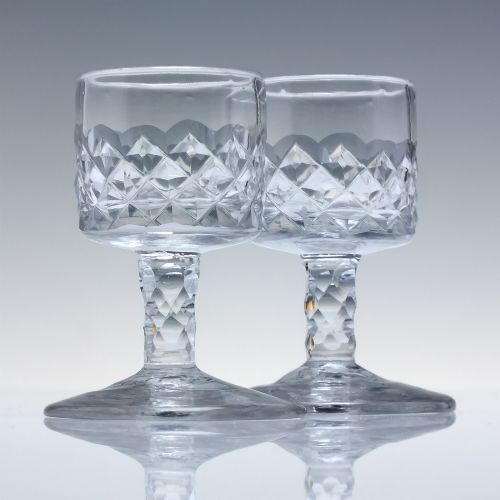
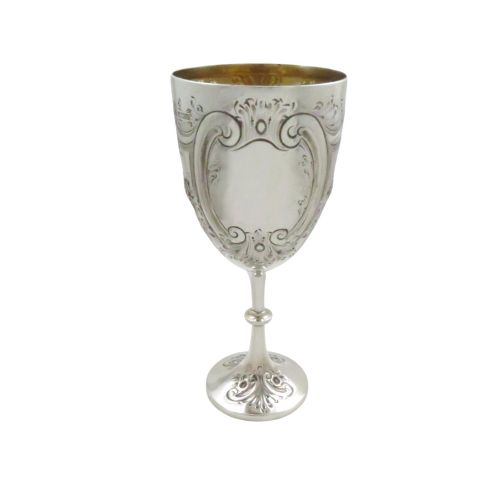
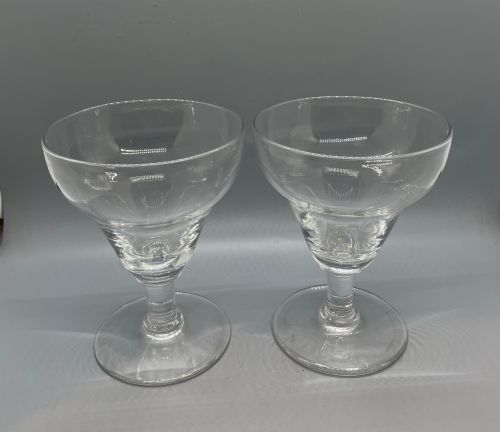
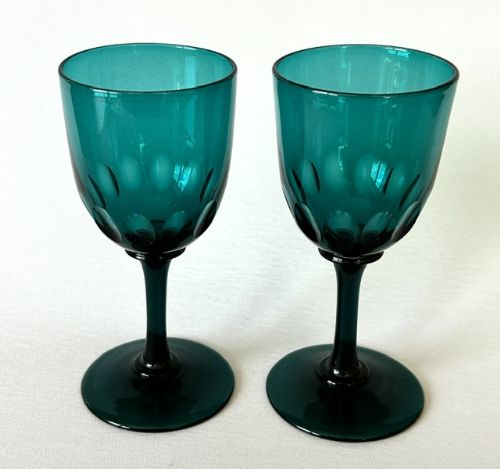
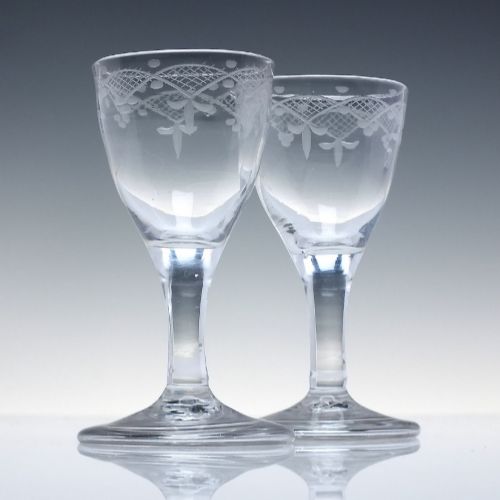
These stemmed glass cup examples span centuries of drinking vessels, offering everything from Georgian dram glasses to vibrant Victorian wine wares.
Stemmed Glass Cup
A stemmed glass cup brings together drinking vessels and small ceremonial cups raised on distinct stems, recorded across periods from the eighteenth century to the twentieth century. The search phrase covers a broad collection of forms including rummers, cordials, wine glasses, custard cups, and goblets.
Buyers on this page most frequently encounter Georgian and Victorian variations, alongside Edwardian and Art Deco pieces. These range from heavy lead glass drinking vessels to coloured glass and silver-mounted items.
The utility of these objects spans formal dining, dram drinking, and dessert service, reflecting changing domestic habits across generations. Each piece demonstrates the specific styling of its era, from eighteenth-century folded feet to brightly coloured twentieth-century liqueur sets.
What varies in quality
Quality rests upon the precision of the glassblower's hand and the clarity of the material used, distinguishing refined lead glass from standard utility wares. Superior examples display balanced proportions between the bowl, stem, and foot.
The complexity of the stem structure, such as air-teared formations or faceted cutting, marks the distinction between standard vessels and masterwork pieces. Engraved or etched decoration demands high control to maintain clean lines across curved surfaces.
The integrity of applied elements, including folded feet and silver mounts, determines the overall standard of preservation and craftsmanship. Matching sets retain greater cohesion when individual vessels share uniform thickness and hue.
Stemmed Glass Cup Retail Price Guide 2026
Typical asking prices for stemmed glass cup among the pieces listed under this phrase on Sellingantiques today, from the lower quarter to the upper quarter. They describe what is for sale here now, not the wider market.
Listings feature lead glass, clear glass, and coloured glass materials spanning Georgian, Victorian, and Edwardian periods.
Makeig-Jones Wedgwood Lustre
The Stemmed Glass Cup Glossary
- Lead glass
- A heavy, brilliant glass containing lead oxide, which improves clarity and allows for deeper cutting.
- Folded foot
- A base edge turned under while hot to add weight and strength to the resting point of the vessel.
- Air-teared stem
- A glass stem containing elongated air bubbles trapped deliberately inside during the manufacturing process.
- Roemer
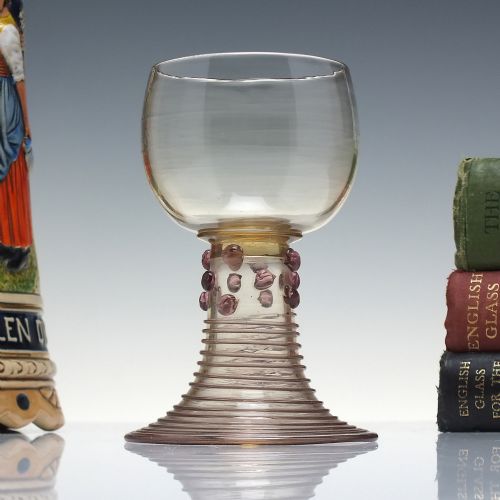
- A traditional continental European stemmed drinking vessel featuring a large spherical bowl and a ribbed stem.
- Rummer
- A capacious eighteenth or nineteenth century drinking glass typically used for punch or fortified wines.
Stemmed Glass Cup: Frequently Asked Questions
What is a stemmed glass cup used for?
These vessels served various functions depending on their size and era, ranging from serving wine and cordials to holding custards.
Smaller cups held potent drams or liqueurs, while larger goblets graced formal dining tables for everyday toasts.
How do I date an old glass cup?
Dating relies on observing manufacturing traits such as pontil marks, stem construction, and the tint of the glass.
Earlier eighteenth-century pieces often feature heavier metal and folded feet, whereas Victorian items frequently showcase vibrant colours and pressed designs.
Can I use antique glassware daily?
Many collectors enjoy using their pieces for special occasions, provided they handle them with appropriate care.
Hand-washing is essential to protect delicate surfaces, old lead glass, and any applied silver or gilt elements from harsh detergents.
What makes coloured glass different?
Coloured glass gained popularity during the nineteenth and early twentieth centuries, utilising metallic oxides added to the molten batch.
Bristol green, aqua, amethyst, and Tango orange variations reflect the specific aesthetic preferences of Victorian and Art Deco makers.