
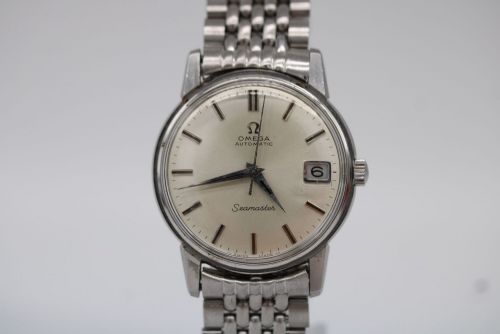
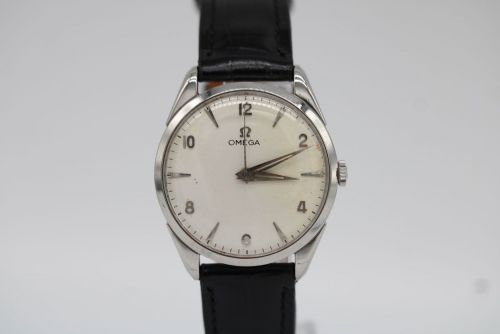
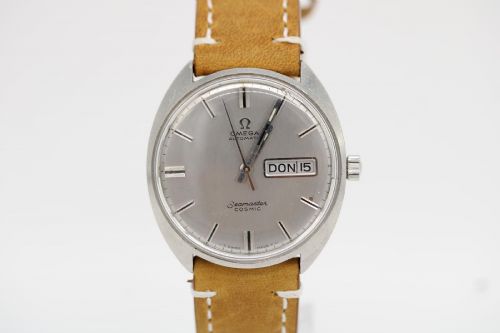
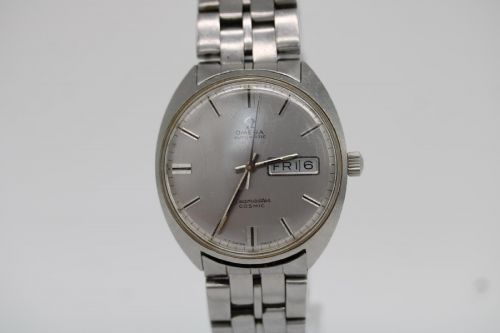
Steel Omega Wristwatch
A steel omega wristwatch brings mid-century Swiss horology to the wrist with robust stainless steel cases and mechanical movements.
Steel Omega Wristwatch
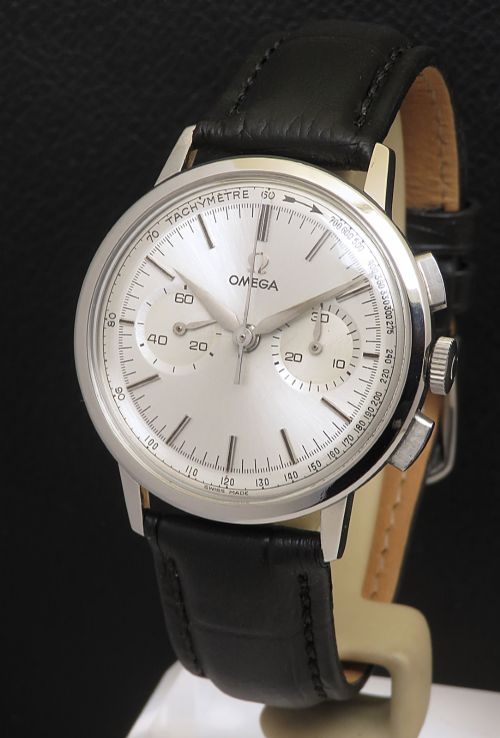
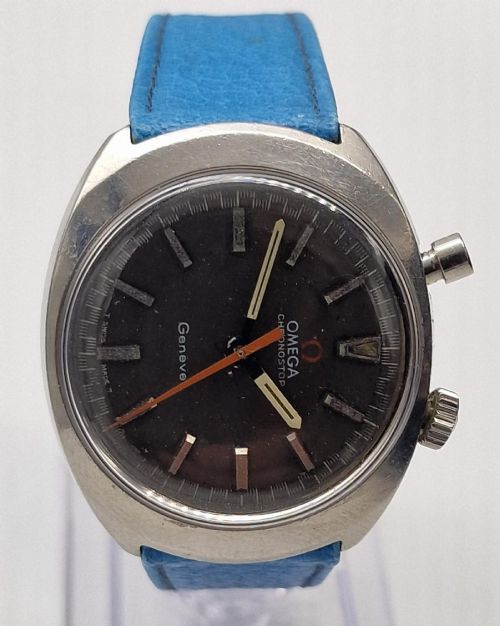
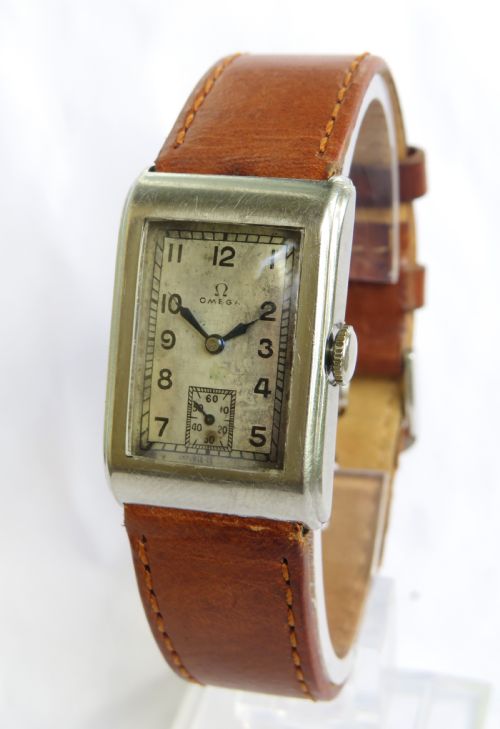
A steel omega wristwatch covers mechanical timepieces produced from the 1930s through the 1970s, encompassing military issues, dress models, and chronographs.
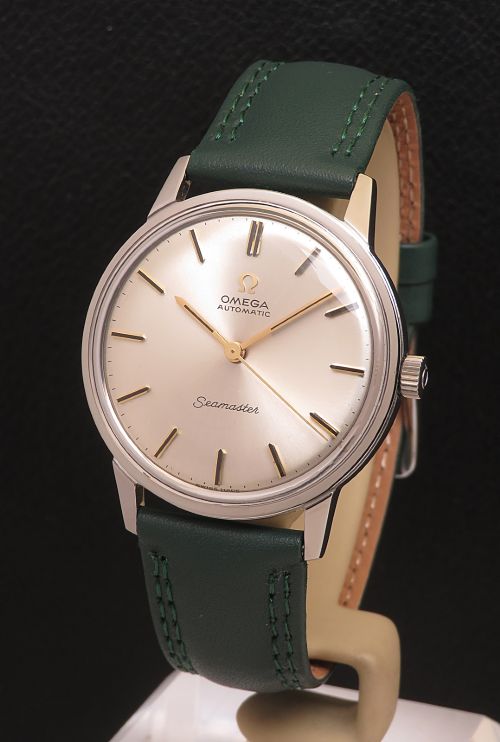
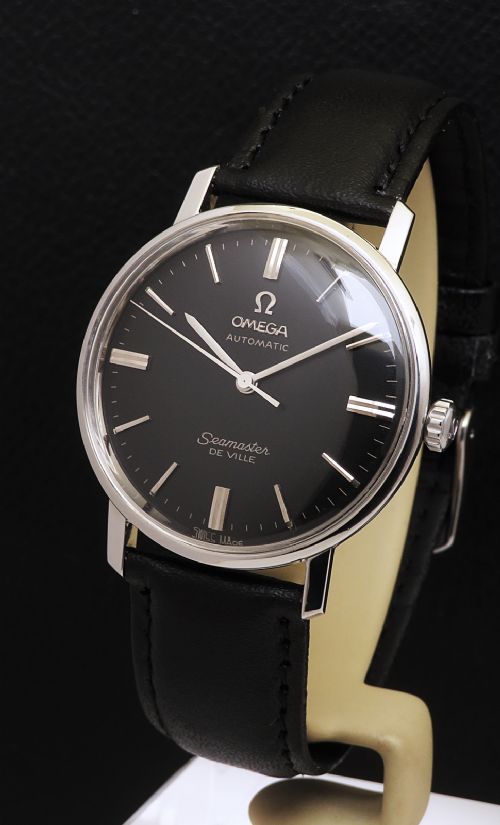
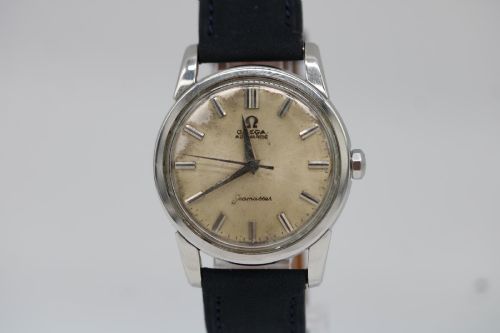
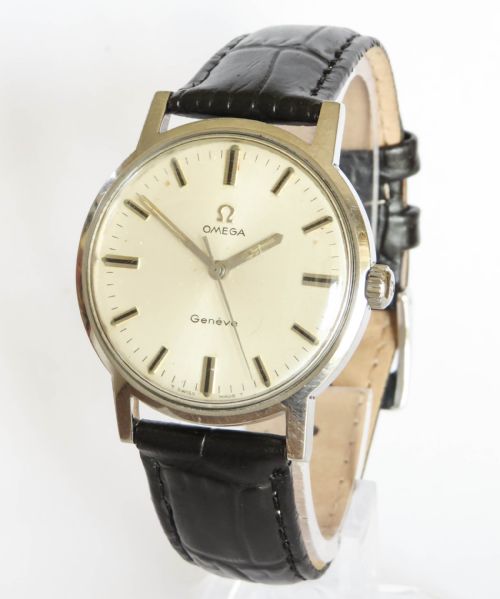
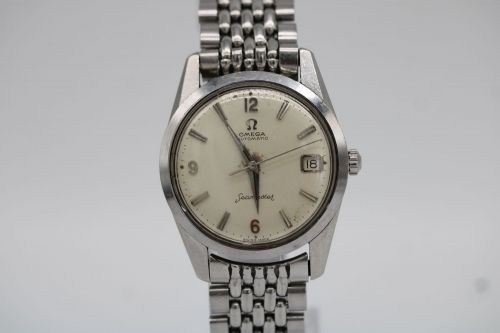
Buyers meet automatic and manual wind designs most frequently, spanning lines like the Seamaster, Geneve, and De Ville.
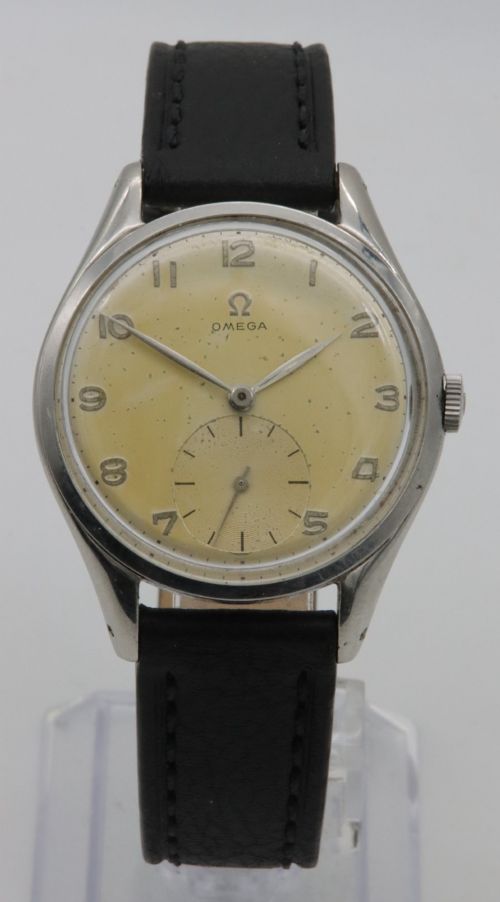
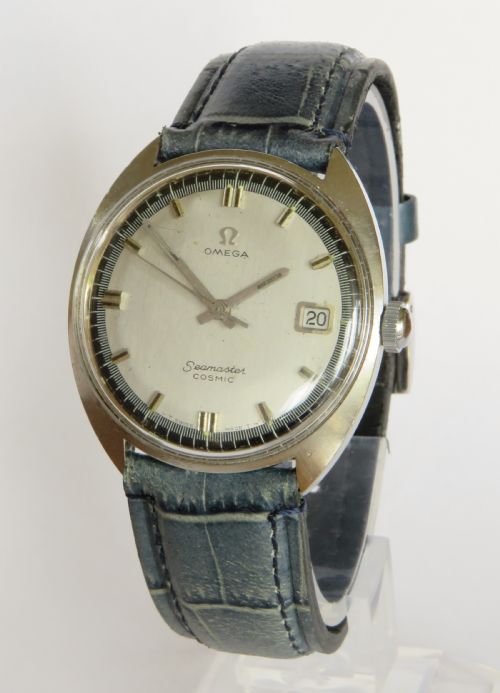
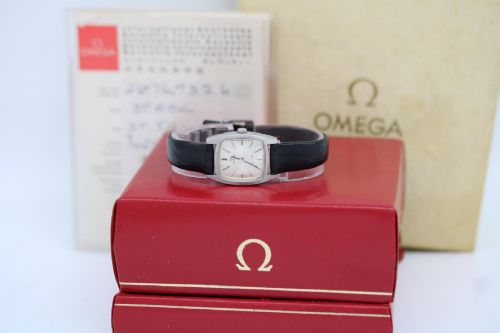
Cases range from oversized jumbo proportions of the 1940s to the distinct cushion and round geometries of the 1960s and 1970s.
How they were made
Cases utilise stainless steel paired with acrylic or acrylic glass crystals protecting dials fitted with metal hour markers.
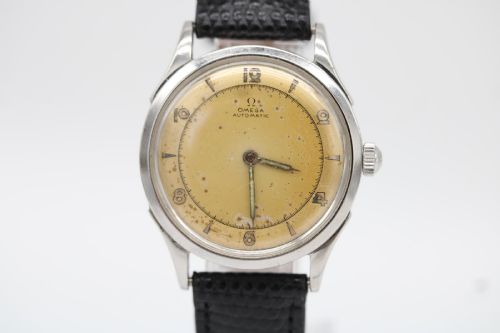
Movements rely on mechanical calibres, featuring manual wind systems or automatic mechanisms including bumper rotors.
Straps combine leather with steel bracelets, completing constructions designed for daily utility and durability.
Listings feature stainless steel cases paired with leather straps, acrylic glass crystals, and mechanical movements spanning the 1930s to the 1970s.
What varies in quality
Originality of dial typography and hands dictates integrity, where untouched patinated surfaces differ from poorly refinished components.
Movement execution and service history distinguish examples, separating standard time-only calibres from complex chronographs and chronometers.
Case geometry preservation separates sharp polished edges and factory bevels from worn, rounded metal profiles.
Omega
The Steel Omega Wristwatch Glossary
- Calibre
- The specific internal mechanical movement manufactured to drive the watch hands and complications. Each calibre number designates a distinct movement family.
- Bumper automatic
- An early self-winding movement where the weighted rotor swings back and forth against internal springs rather than rotating fully. This creates a distinct physical tap on the wrist.
- Jumbo case
- A collector term for wristwatches featuring oversized case diameters relative to their production era, typically measuring thirty-five millimetres or larger.
- Chronometer
- A high-precision mechanical watch certified for accuracy after enduring rigorous testing across various temperatures and positions.
Steel Omega Wristwatch: Frequently Asked Questions
How do I wind a manual wind steel omega wristwatch?
Turn the crown clockwise between your thumb and forefinger until you feel moderate resistance. Stop winding immediately when the tension increases to avoid damaging the mainspring.
Wind the watch at the same time each day to maintain consistent tension and accurate timekeeping across the mechanical gear train.
Are these vintage watches waterproof?
Vintage timepieces lack modern helium escape valves and contemporary rubber gasket seals. Even models designated for diving originally should not face water immersion today.
Wear the watch during dry daily activities and protect the case from heavy rain, humidity, and accidental submersion.
What is a bumper automatic movement?
A bumper automatic uses a semi-circular oscillating weight that swings back and forth within an arc of roughly one hundred and twenty degrees. Springs at either end bounce the rotor back when it reaches the limit of its swing.
This early twentieth-century mechanism transmits a gentle knock to the wrist as the weight moves, serving as the mechanical predecessor to the full rotor.
How can I tell the decade of production?
Examine the interior case back engravings alongside the movement serial number stamped on the calibre. Omega records provide chronological reference points matching serial numbers to specific production years.
Stylistic cues such as dial typography, hand shapes, and case geometry also offer clear indicators of the manufacturing era.